Illinois Falconry License Requirements
For many, the idea of practicing falconry in Illinois conjures images of ancient traditions and a deep connection with nature. Yet, the path to becoming a licensed falconer is far from straightforward, often feeling like navigating a dense forest of regulations. It’s a process that demands immense dedication, patience, and a thorough understanding of both state and federal laws, leaving many aspiring enthusiasts wondering where to even begin. This guide aims to demystify the Illinois falconry license requirements, providing a clear roadmap for anyone committed to this incredible pursuit.
Understanding What Falconry Truly Entails in Illinois
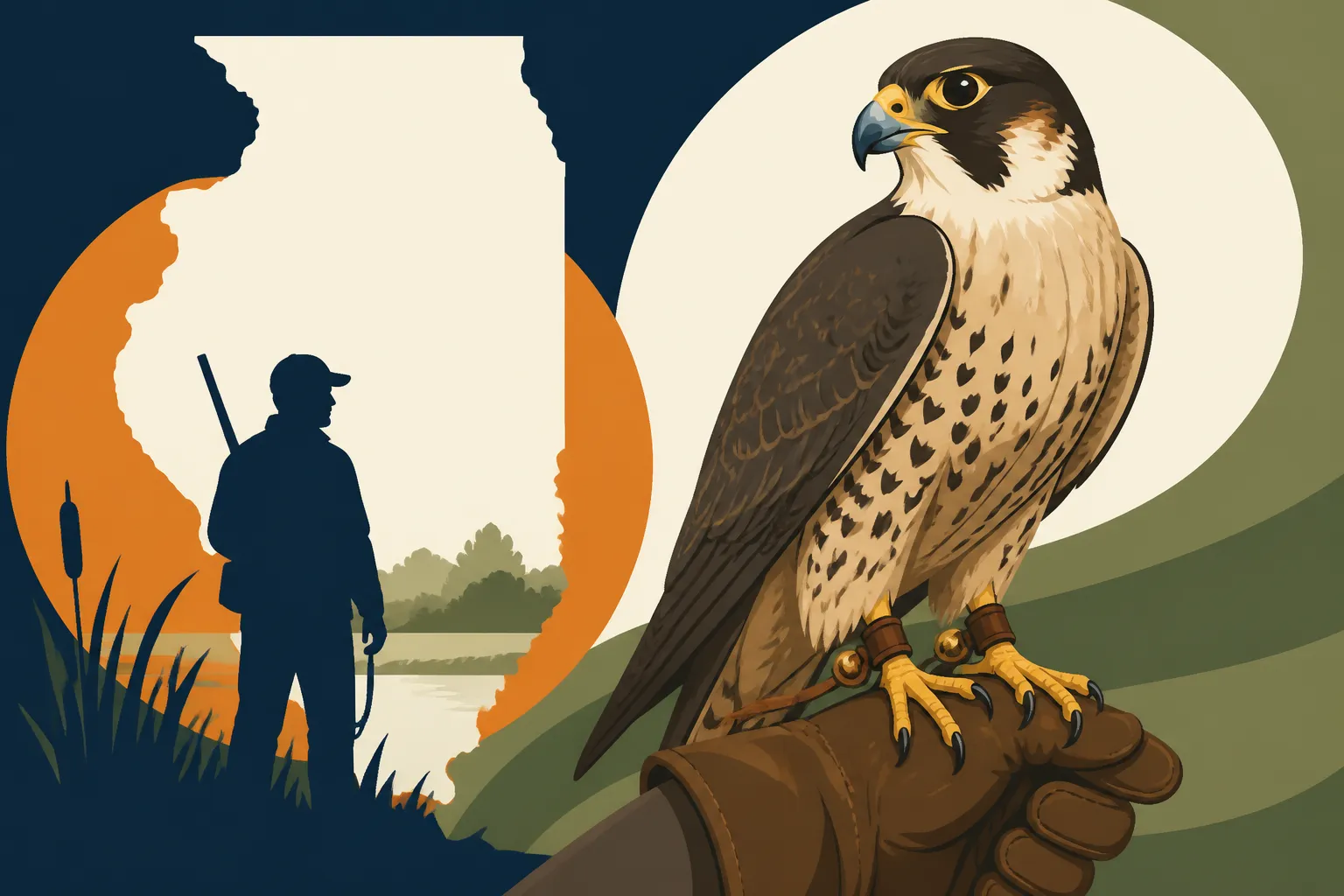
Falconry isn't just another form of hunting; it's a profound, ancient practice that establishes a unique partnership between a human and a trained raptor. In Illinois, as with most places in the United States, it’s governed by a strict set of regulations from both the U.S. Fish & Wildlife Service (USFWS) and the Illinois Department of Natural Resources (IDNR). This isn't a casual hobby; it's a lifestyle choice centered around the ethical acquisition, training, and use of raptors for hunting wild quarry.
More Than Just Hunting with a Bird
At its heart, falconry is about conservation, discipline, and a deep respect for the natural world. It involves far more than simply releasing a bird to catch game. A licensed falconer is responsible for the health, well-being, and ethical hunting practices of their raptor, which often lives for many years. This means understanding avian biology, behavior, nutrition, and first aid, alongside mastering the art of training and managing a wild predator. The regulations reflect this profound commitment, ensuring that only those truly dedicated to the welfare of the birds and the integrity of the sport are granted permits. It's a testament to this bond that many falconers speak of their birds not as pets, but as revered partners in the field.
The Different License Classes
To ensure a gradual and responsible progression into this complex practice, falconry licenses are structured into three distinct classes, each with increasing privileges and responsibilities:
- Apprentice Falconer: This is where everyone begins. Apprentices are limited in the types of raptors they can possess and the game they can hunt. The most crucial aspect of this stage is the mandatory sponsorship by a General or Master Falconer. This mentor provides invaluable guidance on bird care, training techniques, and legal requirements, ensuring the apprentice receives hands-on, experienced instruction. You're typically limited to a single raptor, usually a Red-tailed Hawk or an American Kestrel, birds known for being more forgiving for beginners.
- General Falconer: After demonstrating sufficient experience and commitment as an Apprentice, you can advance to a General Falconer license. This class grants more flexibility in the types of raptors you can possess and often allows for a greater number of birds (typically two or three). The requirement for a direct sponsor is lifted, though continued mentorship is often sought informally. This stage signifies a deeper understanding and proven capability in managing and hunting with raptors.
- Master Falconer: The pinnacle of falconry licensing, the Master class is reserved for those with extensive experience, usually a minimum of five years as a General Falconer. Master Falconers have the broadest privileges regarding species choice, number of birds, and sometimes even breeding opportunities, subject to specific permits. This level demands an exceptionally high standard of knowledge, ethics, and practical skill, representing a true lifetime commitment to the art.
The Journey to Becoming a Licensed Illinois Falconer
The road to becoming an Illinois falconer is rigorous and requires unwavering commitment. It's not a quick process, but every step is designed to ensure you're fully prepared for the immense responsibility of caring for a raptor and practicing the sport ethically and legally.
Starting as an Apprentice: Your First Steps
Your journey officially begins with the Apprentice Falconer class. This foundational stage is designed to immerse you in the practicalities and legalities of falconry under the watchful eye of an experienced mentor.
To even apply, you must be at least 12 years old, and if you're under 18, parental consent is absolutely mandatory. This isn't just a formality; it underscores the serious nature of the commitment. The first, and often most challenging, hurdle is finding a sponsor. An Illinois-licensed General or Master Falconer must agree to mentor you for a minimum of two years. This relationship is critical, as your sponsor will guide you through everything from daily husbandry to field etiquette and legal nuances. Finding a sponsor often involves networking with local falconry clubs like the Illinois Falconer's Association or attending their events. Don't underestimate this step; a good sponsor is worth their weight in gold.
Once you have a sponsor, the next step is a written examination. This isn't a walk in the park; it covers everything from raptor biology, husbandry, and health to federal and state falconry laws, training techniques, and identification of local prey species. You need to score at least 80% to pass. This test ensures you have a foundational theoretical understanding before you ever handle a bird.
Then comes the facility inspection. Before you can acquire a bird, your facilities must pass an inspection by an IDNR official. This includes your "mews" (the raptor's primary enclosure) and "weathering area" (an outdoor enclosure). These facilities must meet stringent federal and state size, security, and safety standards to ensure the raptor's welfare. Things like proper perches, adequate space, protection from predators and elements, and suitable ventilation are all carefully checked. You also need to have scales for weighing your bird, jesses (leather straps for handling), and various other pieces of specialized equipment.
Finally, with all these steps complete, you apply for both your federal falconry permit through the USFWS and your state permit through the IDNR. The federal permit is generally valid for three years, while the state permit requires annual renewal. This dual permitting system ensures compliance with both national and local wildlife conservation efforts.
Advancing to General and Master Falconer
Progression through the falconry ranks isn't about rushing; it's about demonstrated experience and continued learning. After holding an Apprentice license for a minimum of two years, and with the recommendation of your sponsor, you can apply to upgrade to a General Falconer license. During those two years, you must actively practice falconry, including hunting with your bird. There's no additional written exam to advance, but the IDNR will review your record and ensure you've met the experience requirements.
To become a Master Falconer, you must have held a General Falconer license for at least five consecutive years. This extensive time in grade is crucial, as it indicates a deep, proven commitment and mastery of the art. Master Falconers often become mentors themselves, passing on their knowledge to the next generation. The application process for both General and Master classes involves submitting documentation to the IDNR, demonstrating your continuous practice of falconry and adherence to all regulations. Just like at the Apprentice stage, your facilities will be subject to ongoing inspections to ensure they continue to meet the highest standards.
Maintaining Your Illinois Falconry License and Bird
Obtaining a falconry license is just the beginning. The ongoing commitment to your raptor and adherence to regulatory requirements are what truly define a responsible falconer in Illinois.
Annual Renewals and Reporting
Every year, you’ll need to renew your Illinois falconry permit through the IDNR. While platforms like GoHunt are fantastic for staying on top of general hunting seasons and zones for game like deer, the specific intricacies of falconry permits require direct engagement with state wildlife agencies. This annual renewal isn't just about paying a fee; it's a reaffirmation of your commitment to the sport and your bird.
Beyond the annual renewal, federal regulations require falconers to submit annual reports to the USFWS, typically by January 31st each year. This report details all raptors possessed, acquired, lost, banded, or transferred during the previous calendar year. Accurate and timely record-keeping is absolutely vital here. Misreporting or failing to report can lead to significant penalties, including the loss of your falconry license. These reports are crucial for wildlife agencies to monitor raptor populations and ensure the legal and ethical practice of falconry. It’s a transparent system designed to protect these magnificent birds.
The Lifelong Commitment to Your Raptors
The most profound aspect of maintaining your license is the lifelong commitment to the raptors themselves. Unlike a deer permit which grants you a season of hunting, a falconry license is a permit to care for a highly specialized wild animal. Proper housing, as outlined in the facility standards, is just the start. Your raptor needs a meticulously balanced diet, which often means feeding fresh, whole prey items. Regular veterinary care from a raptor-savvy veterinarian is essential, as these birds can mask illness very well.
Beyond the basics, raptors require mental and physical enrichment. This includes daily exercise, whether through flying free or creance flying (flying on a long line), and interaction with their falconer. The ethics of falconry demand that the bird's welfare always comes first. This means constant vigilance for signs of stress, injury, or disease, and ensuring their environment promotes health and natural behavior. This commitment truly shapes a falconer's life, intertwining their daily routine with the needs of their feathered partner.
Specific Regulations and Restrictions to Keep in Mind
Illinois falconry is guided by a specific set of rules that cover everything from how you get your bird to what you can hunt with it. Understanding these nuances is critical to legal and ethical practice.
Acquisition and Disposition of Raptors
The rules around acquiring and managing your raptor are very strict. Apprentice falconers are limited to taking only an American Kestrel or a Red-tailed Hawk, and typically only one at a time. These species are relatively common and robust, making them good choices for new falconers. General and Master Falconers have a broader list of species they can legally possess, including various falcons, eagles, and owls, but always within specific limits on the number of birds.
Most falconers begin by trapping a wild bird, a process that requires a separate permit from the IDNR and specific trapping season dates. The methods used are highly regulated to ensure the safety of the bird. Once trapped, the bird must be fitted with a federal band for identification. Transferring a bird to another licensed falconer is also strictly regulated, requiring proper paperwork and notification to both state and federal agencies. You cannot simply sell or trade a bird without following precise protocols. This system prevents illegal trafficking and ensures all birds are accounted for.
Permitted Hunting Seasons and Species
One of the unique privileges of falconry in Illinois is that falconry seasons often extend beyond the conventional hunting seasons for other methods. This allows falconers to pursue game when other hunters might be out of the woods. For instance, while you're likely to be busy during Illinois's Two Firearm Deer Seasons, a falconer might be taking advantage of a mild winter day to hunt rabbits or squirrels.
The specific game species that can be legally hunted with a raptor in Illinois primarily fall under the "small game" category. This includes cottontail rabbits, squirrels, pheasants, quail, and certain waterfowl. It's crucial for falconers to know the bag limits and possession limits for each species, as these still apply even when hunting with a raptor. Resources like the IDNR's hunting digests, and even general hunting apps like GoHunt, can help you keep track of these dates and limits. While GoHunt might be more geared towards big game, it can still provide valuable insights into the activity periods of small game species across the state, which is vital for planning successful hunts with your raptor. You won't be using a hawk to take an animal covered under Illinois Deer Season Structure Explained, but you'll certainly be looking for smaller quarry.
Here’s a basic overview of typical small game options for falconers in Illinois:
| Species | Typical Hunt Period (Falconry) | Notes |
|---|---|---|
| Cottontail Rabbit | Oct – Feb | Excellent quarry, often found in thickets and brushy areas. |
| Squirrel | Sept – Feb | Challenging due to arboreal nature, success often requires specific raptors. |
| Pheasant | Nov – Jan | Requires open fields, typically hunted with larger accipiters. |
| Quail | Nov – Jan | Similar to pheasant, often found in grassland and field edges. |
| Waterfowl | Various (Duck/Goose Seasons) | Specific permits and species limits apply, often requires dedicated training. |
Remember, specific dates and regulations can change, so always consult the latest IDNR hunting digest.
Facility Standards and Inspections
The standards for a raptor's housing are non-negotiable and are consistently checked throughout your tenure as a falconer. A primary enclosure, or "mews," must be large enough for the raptor to comfortably spread its wings in all directions without touching the walls or ceiling. It must be well-ventilated, secure against escape, and protect the bird from predators, unauthorized entry, and harsh weather. Perches must be appropriate for the raptor's species and size, clean, and designed to prevent foot problems.
The "weathering area" is an outdoor enclosure where the bird can get fresh air and sunlight. It also needs to be secure and protected from predators. Both areas must be regularly cleaned to prevent disease. During annual inspections or random checks, IDNR officials will ensure these facilities continue to meet all federal and state requirements. These inspections are not punitive; they are a safeguard for the raptor's health and safety, reflecting the deep commitment to animal welfare inherent in modern falconry. Learning how to properly maintain facilities is a huge part of your apprenticeship, ensuring you provide the best possible home for your bird.
Disclaimer
The information provided in this guide is for general informational purposes only and is not intended as legal advice. Hunting regulations, license requirements, and related laws can change frequently. Always consult the most current official publications from the Illinois Department of Natural Resources (IDNR) and the U.S. Fish & Wildlife Service (USFWS) or contact them directly for the most accurate and up-to-date information before engaging in any hunting activities.