Illinois Suburban Deer Management Permits
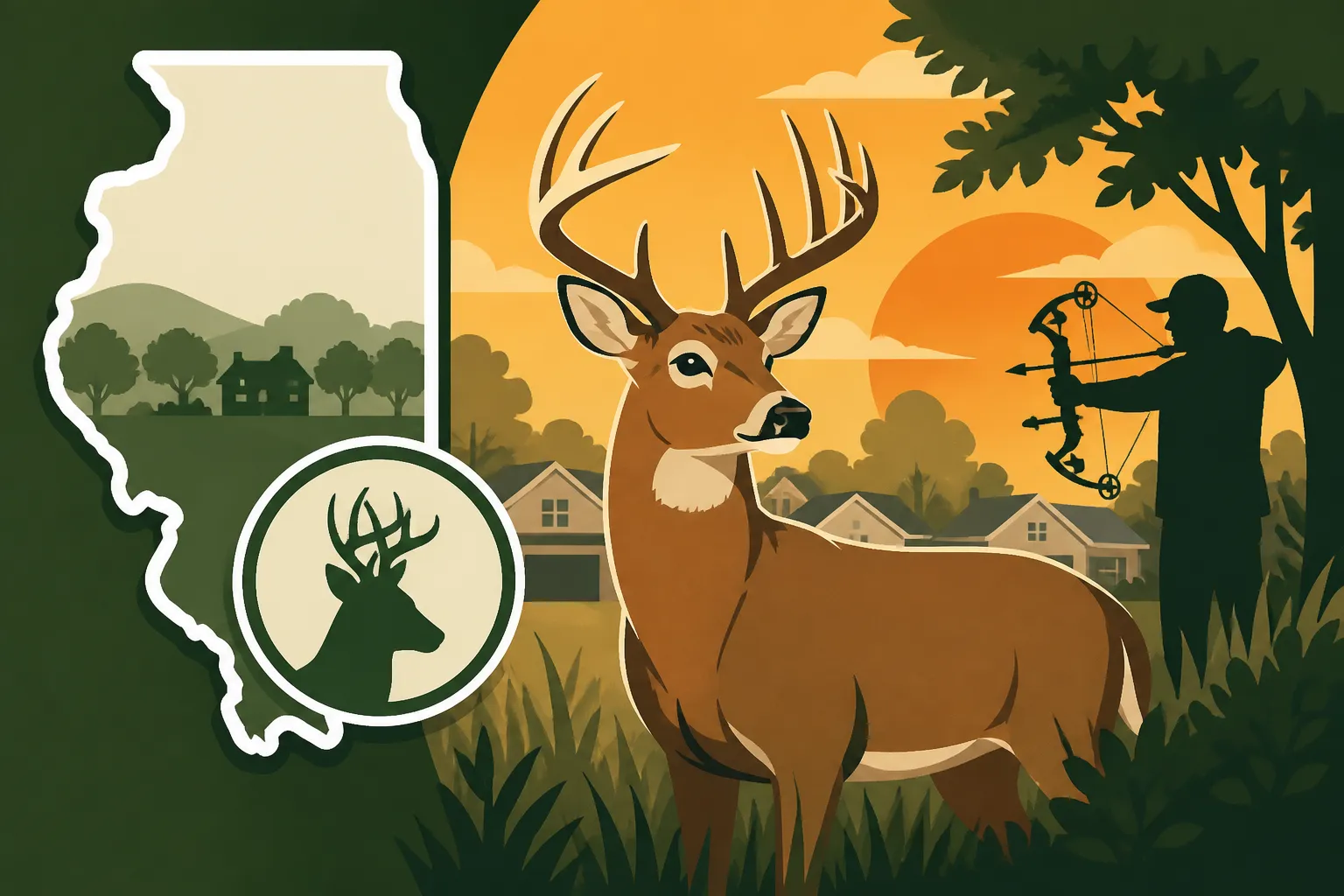
The increasing presence of white-tailed deer in Illinois’s suburban and urban fringe areas often leads to a host of problems, from destroyed landscaping and agricultural damage to dangerous vehicle collisions and concerns about disease transmission. For frustrated residents and municipalities grappling with these challenges, Illinois offers a targeted solution: Suburban Deer Management Permits. This guide will meticulously break down what these specialized permits entail, how they function, and the critical role they play in fostering a healthier balance between wildlife and human communities in the Prairie State.
What Are Illinois Suburban Deer Management Permits?
Living in Illinois, especially in the growing suburban areas, means we're often sharing our neighborhoods with wildlife, and deer are certainly no exception. While beautiful, an unchecked deer population in a residential setting can quickly become a serious headache. That's where the Illinois Department of Natural Resources (IDNR) steps in with its Suburban Deer Management Permit program. These aren't your typical archery or firearm deer permits that individuals apply for; rather, they're a specialized tool granted to municipalities, landowners, or authorized entities to address specific, localized overpopulation issues.
Think of it this way: when deer numbers get so high in a particular suburban park, a large corporate campus, or even an entire village that they're causing significant damage to property, creating safety hazards for drivers, or raising public health concerns, the usual hunting seasons might not be enough or even feasible. Many of these areas are often closed to traditional hunting due to safety concerns with homes and schools nearby. These permits essentially allow for controlled, often professional, culling operations to reduce the deer herd in a humane and effective manner within defined boundaries, outside the traditional hunting seasons and weapon restrictions. It's a recognition that different environments require different management strategies.
Addressing Overpopulation Challenges in Developed Areas
The core purpose of these permits is to manage deer populations in areas where traditional hunting methods are either impractical, unsafe, or simply not effective enough to control burgeoning numbers. In many Illinois suburbs, deer have adapted incredibly well to living alongside humans. They find abundant food in gardens, ornamental plants, and even agricultural fields bordering subdivisions. They also benefit from reduced predation and safe havens in green spaces, parks, and large private properties where hunting isn't typically allowed. This leads to what biologists call "cultural carrying capacity" issues – not necessarily that the land can't support the deer, but that the human residents can no longer tolerate the deer's impact.
The damage can be extensive. Homeowners often report thousands of dollars in ruined shrubs, trees, and gardens. Farmers whose land is adjacent to these suburban greenbelts can suffer significant crop losses. More critically, as deer numbers rise, so does the risk of deer-vehicle collisions, particularly along busy roadways. The Illinois Department of Transportation tracks these incidents, and some suburban corridors show alarming spikes. Furthermore, concerns about the potential spread of diseases like Chronic Wasting Disease (CWD) become more pressing when deer populations are dense and confined to smaller areas. While Illinois has made efforts in CWD management, including mandatory testing inside an Illinois CWD county, high deer densities can exacerbate transmission risks. These permits provide a direct, impactful way to mitigate these pressing problems.
How These Permits Differ from Standard Hunting Licenses
It's crucial to understand that Suburban Deer Management Permits operate under a distinct set of rules compared to the general hunting licenses available to the public. For one, they are typically issued to governmental bodies, conservation districts, or private entities with significant landholdings, not individual hunters looking for a trophy. The IDNR reviews applications based on demonstrated need, scientific data on deer density, reported damage, and the feasibility of the proposed management plan. For instance, a municipality might apply for a permit to conduct sharpshooting in a large nature preserve within city limits.
The methods employed under these permits can also differ significantly. While some permits might allow for traditional archery equipment, others specifically authorize sharpshooting by trained professionals, often utilizing specialized firearms that wouldn't be legal in a standard hunting season, or even during nighttime hours with artificial lights. These operations are conducted under strict controls to ensure public safety and animal welfare. The primary goal isn't recreational harvest but rather targeted population reduction, and it's done with a heavy emphasis on data collection to monitor effectiveness. Unlike the general public, hunters often track their success using tools like GoHunt, but these professional operations have their own rigorous data collection protocols.
Who Qualifies for These Permits and How Do They Work?
Navigating the world of specialized deer management in Illinois can feel a bit complex, especially when you’re dealing with something beyond the standard deer permit options. Suburban Deer Management Permits aren't just handed out to anyone. There’s a specific process and criteria designed to ensure they’re used responsibly and effectively in areas where traditional hunting methods aren't suitable or sufficient. Understanding this framework is key to appreciating how these programs truly address localized overpopulation issues.
Primarily, these permits are issued to governmental bodies or large landowners who can demonstrate a significant need for deer population reduction within a defined area. This could be a city park district, a municipal government, a university campus, a large corporate facility, or even a homeowner's association managing substantial common grounds. The emphasis is on areas where deer are causing documented damage to property, posing safety risks to residents (especially concerning deer-vehicle collisions), or where there are public health concerns due to high deer densities. It's not about individual nuisance deer in your backyard, but a larger, systemic issue.
Eligibility Criteria for Municipalities and Landowners
When a municipality or a large landowner applies for a Suburban Deer Management Permit, the IDNR scrutinizes several factors. First and foremost, they'll look for evidence of overpopulation and its impacts. This isn't anecdotal; it requires data. Applicants often need to submit surveys of deer populations, reports of property damage, records of deer-vehicle accidents, or even vegetation impact studies showing over-browsing. They also need to present a clear management plan. This plan outlines the proposed methods for deer removal, the timeframe, the personnel involved (often professional sharpshooters or trained staff), and how public safety will be maintained.
The IDNR also evaluates the applicant's capacity to execute the plan safely and humanely. This often means working with law enforcement, ensuring proper signage, and having protocols for carcass removal and disposal. For example, a village might apply to manage deer in a large forested park. Their application would detail the historical deer counts, the number of deer-related accidents on adjacent roads, the methods they intend to use (e.g., archery culling by vetted volunteers, or sharpshooting by police snipers), and their plan for managing public access during operations. It's a collaborative effort, with the IDNR providing the regulatory oversight and the local entity providing the on-the-ground management.
The Application and Approval Process
The application process for these permits is rigorous and requires careful planning and coordination. It usually begins with the applicant—be it a park district or a private entity—identifying the problem and developing a proposed solution. They then formally submit an application to the IDNR, providing all the supporting documentation mentioned earlier. The IDNR reviews this application, sometimes conducting their own site visits or requesting additional information. They might consult with their wildlife biologists to assess the validity of the population and impact data.
If the application is approved, the IDNR issues a permit that specifies the conditions under which deer removal can occur. These conditions are highly detailed and can include:
- Specific Dates and Times: Operations are often restricted to particular hours, frequently at night, when public activity is minimal.
- Allowed Methods: This could range from specific archery equipment to specialized firearms. Some permits might allow for techniques like baiting to concentrate deer in safe removal zones.
- Harvest Quotas: A maximum number of deer might be specified to ensure the population reduction is targeted and doesn't lead to unintended consequences.
- Reporting Requirements: The permit holder is typically required to submit detailed reports on the number of deer harvested, their sex and age, and any CWD testing results, contributing to the overall understanding of Illinois deer population estimate.
This stringent process ensures that these permits are not used indiscriminately but are instead a carefully managed tool to achieve specific conservation and community safety objectives. It's a testament to the IDNR's commitment to thoughtful wildlife management, especially in sensitive suburban environments.
Impact and Importance of Suburban Deer Management
The implementation of Suburban Deer Management Permits in Illinois has a profound and multifaceted impact on both human communities and the deer population itself. These aren't just bureaucratic tools; they represent a critical strategy for maintaining ecological balance and improving quality of life in areas where nature and development increasingly intersect. The benefits extend far beyond simply reducing deer numbers, touching on everything from public safety to the health of local ecosystems.
One of the most immediate and tangible impacts is a noticeable reduction in property damage. Homeowners, park managers, and farmers frequently report fewer instances of deer browsing on valuable landscaping, gardens, and crops after a successful management program. Imagine the relief for a homeowner who no longer sees their prize hostas or newly planted saplings completely stripped overnight. This direct mitigation of financial loss and aesthetic damage is a huge win for residents in affected areas.
Benefits for Communities and Local Ecosystems
Beyond saving your rhododendrons, these programs contribute significantly to public safety. A primary concern in many suburban areas is the alarming rate of deer-vehicle collisions. With fewer deer crossing busy roads, the risk of accidents, injuries, and fatalities for drivers and passengers decreases substantially. This isn't just a comfort; it's a measurable improvement in public welfare. Many communities, especially those with high traffic volumes, see a direct correlation between deer management efforts and a drop in accident statistics.
Furthermore, deer management protects and restores local ecosystems. When deer populations become too dense, they can over-browse understory vegetation, preventing forest regeneration and reducing biodiversity. Sensitive native plants might be eliminated, impacting insect populations, small mammals, and ground-nesting birds. By bringing deer numbers back to a more sustainable level, these permits help allow native flora to recover, fostering a healthier and more diverse habitat for all wildlife. This is especially vital in smaller suburban woodlands and nature preserves that act as crucial green infrastructure. For example, understanding deer density by Illinois region is important in determining the need for such permits.
| Aspect | Traditional Hunting Season | Suburban Deer Management Permit |
|---|---|---|
| Purpose | Sport/recreation, population control | Targeted population reduction, damage/safety mitigation |
| Applicant | Individual licensed hunters | Municipality, park district, large landowner |
| Location | Open hunting areas | Designated suburban/urban fringe areas |
| Timing | Fixed statewide seasons | Flexible, year-round with IDNR approval |
| Allowed Methods | Archery, firearm (shotgun/straight-wall rifle), muzzleloader | Archery, sharpshooting (often specialized equipment, night ops) |
| Primary Goal | Harvest opportunities | Reduce deer impact, restore ecological balance |
| Public Access | Open to licensed public | Often restricted during operations for safety |
| Reporting | Mandatory harvest reporting | Detailed operational and biological data reporting |
Challenges and Community Acceptance
Despite the clear benefits, implementing suburban deer management programs is not without its challenges. One of the biggest hurdles can be public perception and community acceptance. While many residents are frustrated by deer damage and safety concerns, others may have strong feelings against culling or lethal management methods. This often leads to heated public debates, requiring municipalities to invest considerable effort in public education and outreach. Transparency about the scientific basis for the program, the humane methods used, and the long-term benefits is crucial.
Another challenge is logistics and funding. These operations can be complex to plan and execute, especially in densely populated areas. Hiring professional sharpshooters, securing necessary equipment, ensuring public safety, and managing carcass disposal all incur costs. Municipalities often need to allocate significant resources and coordinate with multiple agencies, including local police departments and waste management services. Even with all the planning, unexpected issues can arise, making flexibility and a robust contingency plan essential for success. This is why tools like those from GoHunt or similar scouting apps are used not just by individual hunters but can inform the data collection and planning phases for these management efforts.
Understanding the Regulations and Limitations
Operating within the legal and ethical framework of wildlife management is paramount for the success and public acceptance of Illinois’s Suburban Deer Management Permit programs. These aren't free-for-all permits; they come with a stringent set of regulations and limitations designed to ensure safety, efficacy, and humane practices. Any entity involved in such a program must have a deep understanding of these rules to avoid legal issues and maintain public trust.
The Illinois Administrative Code and various IDNR policy documents lay out the specific criteria and operational guidelines for these permits. This includes everything from what types of weapons can be used to how carcasses must be handled. For instance, while some permits might allow for crossbow rules during Illinois archery season, others could permit methods like baiting, which is generally prohibited in standard hunting scenarios. The key difference is the controlled, professional nature of these operations, conducted by trained individuals often under the supervision of law enforcement, rather than individual public hunters.
Legal Framework and Operational Guidelines
The legal framework governing these permits is comprehensive. It addresses issues like discharge of firearms within city limits, which would normally be illegal, by granting specific exemptions under the permit's authority. It also dictates appropriate distances from occupied dwellings, public trails, and other sensitive areas. The IDNR’s approval specifies which methods are acceptable for a particular site, taking into account terrain, proximity to homes, and anticipated deer behavior. For example, a permit for a highly urbanized park might only allow for quiet, nighttime archery culling by expert archers, whereas a more secluded, large tract of land might permit sharpshooting with specialized suppressed firearms.
Permit holders are often required to maintain meticulous records. This includes detailed logs of every deer harvested, its estimated age, sex, weight, and the precise location of the take. These data points are vital for the IDNR to monitor the program's effectiveness, track population trends, and identify any patterns related to disease or habitat use. Additionally, there are strict rules regarding public notification. In many cases, affected communities or park users must be informed when and where management activities will occur to ensure their safety and minimize surprise or concern. This transparency builds trust and helps manage public expectations about these necessary interventions.
Reporting Requirements and Ethical Considerations
Reporting is a cornerstone of the Suburban Deer Management Permit program. After each operation or at predetermined intervals, permit holders must submit comprehensive reports to the IDNR detailing their activities. This typically includes the total number of deer harvested, species composition (if other animals were incidentally taken, which is rare but requires documentation), and any samples collected for disease testing, especially concerning Chronic Wasting Disease. The accurate and timely submission of these reports is critical for the IDNR to evaluate the success of the program against its stated objectives and to inform future wildlife management decisions across the state, including for Illinois's Chronic Wasting Disease Zone.
Ethical considerations are woven into every aspect of these programs. The IDNR emphasizes humane methods of take, ensuring that animals are dispatched quickly and cleanly. The use of bait, when permitted, is carefully managed to concentrate deer in safe, controlled environments, minimizing stress to the animals and ensuring a targeted harvest. Carcass handling and disposal are also governed by strict protocols to prevent the spread of disease and maintain hygiene. Some programs partner with local food pantries or charities to donate venison to those in need, ensuring that the harvested animals are utilized responsibly and respectfully, which is a common practice even for general public hunters who choose to donate venison in Illinois. Ultimately, these permits represent a careful balance of addressing human needs and environmental concerns while upholding ethical wildlife management principles.
Disclaimer
The information provided in this article is for general guidance and informational purposes only. Hunting regulations and permit requirements in Illinois can change, and it is the hunter's responsibility to review the most current rules and regulations published by the Illinois Department of Natural Resources (IDNR) before engaging in any hunting activities. Always ensure you are compliant with all state and federal laws.