Illinois’s Stocked Versus Wild Pheasants
It's no secret that the glory days of wild pheasants across much of Illinois are a distant memory for many of us. You might head out with high hopes, only to wonder if you're chasing ghosts, or if the birds you do encounter are a different breed altogether. This guide is here to shed light on the crucial distinctions between Illinois's wild pheasant populations and the birds released through stocking programs, helping you understand where to focus your efforts and manage your expectations for a rewarding hunt.
The Legacy of Wild Pheasants in Illinois
For generations, the distinctive cackle of a flushing rooster pheasant was a common sound across Illinois's agricultural landscape. These hardy birds once thrived, their populations a testament to diverse habitats that supported their needs. However, the modern era has brought significant changes, forever altering the pheasant's domain.
Historical Abundance and Habitat Decline
Illinois, especially its central and northern regions, was once considered prime pheasant country. The mix of small grain fields, hayfields, fencerows, and wetland edges provided everything a pheasant needed: nesting cover in the spring, abundant insect protein for chicks, winter roosting areas, and dependable food sources year-round. Hunters could expect to find healthy populations, and the birds themselves were wary and challenging, having survived natural predators and the changing seasons. The sight of a vivid green and purple rooster bursting from a cattail slough was a memory etched deep for many.
However, the agricultural landscape of Illinois began a dramatic shift in the latter half of the 20th century. Fence rows were removed to create larger fields for efficiency, draining of wetlands intensified, and the widespread adoption of monoculture crops like corn and soybeans left less diverse habitat. Early and intensive mowing of hayfields destroyed nests, and increased pesticide use impacted insect populations crucial for young pheasants. Compounding these issues, increased predation pressure from expanding coyote and raccoon populations in fragmented landscapes further challenged the already struggling wild birds. This led to a significant decline, making the search for truly wild pheasants a much more difficult endeavor today, a stark reality that often leaves hunters wondering, "What happened?"
Remaining Pockets of Wild Pheasant Populations
While widespread wild pheasant strongholds are largely a thing of the past, that doesn't mean they're entirely gone. Pockets of resilient wild pheasant populations still exist, primarily in areas where sufficient, undisturbed habitat remains or has been successfully restored. These areas often feature a mosaic of grasslands, dense cover, and wetland interfaces – think areas with robust Conservation Reserve Program (CRP) fields, restored prairies, or the edges of large public land tracts that haven't been completely converted to row crops. Counties with less intensive farming practices or those that have prioritized habitat work, often in cooperation with private landowners, tend to hold onto these populations.
Finding these elusive wild birds requires more than just driving down country roads. It demands extensive Scouting Illinois Public Land Before Season and a keen eye for quality cover, often far from easy access points. Look for areas with diverse plant communities, particularly those offering thick, brushy fencerows, standing warm-season grasses, and adjacent food sources that provide winter sustenance. These aren't the expansive, unbroken fields of yesterday, but rather specific, isolated coverts where pheasants have just enough to survive and reproduce. It's in these often-overlooked corners that you might still encounter a truly wild, wily rooster that will test your dog's nose and your shooting skills.
Understanding Illinois's Stocked Pheasant Program
Recognizing the decline in wild pheasant numbers and the strong demand from hunters for upland bird opportunities, the Illinois Department of Natural Resources (IDNR) developed a robust pheasant stocking program. This initiative serves a different purpose than habitat restoration; it's about providing immediate recreational opportunities.
How and Where Birds are Stocked
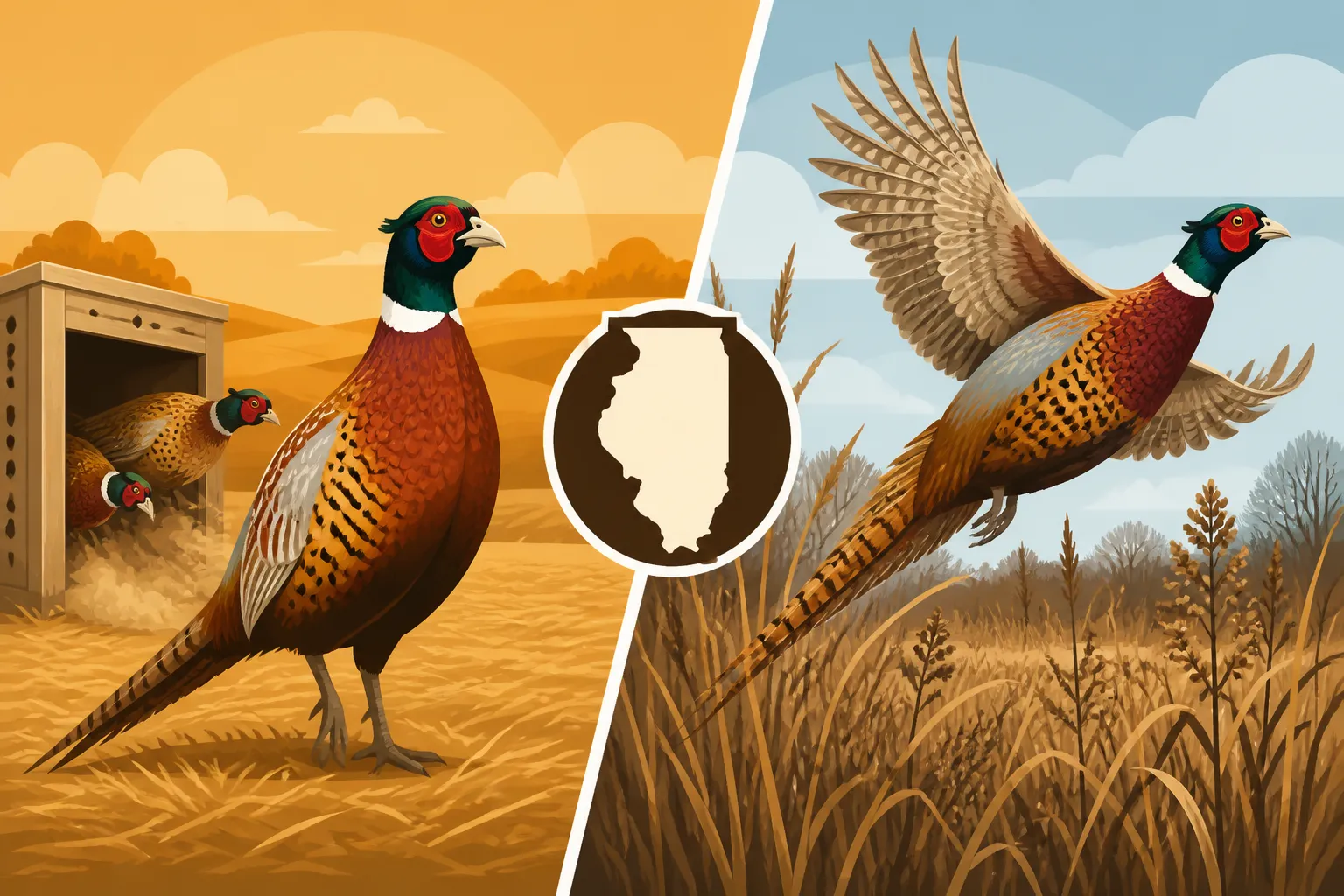
The IDNR operates several pheasant rearing facilities across the state, such as the Des Plaines State Fish and Wildlife Area, where thousands of pheasants are raised annually. These birds are bred specifically for release, often from strains that adapt reasonably well to being "put-and-take" game. They are typically released on designated public hunting areas, often called "Controlled Pheasant Hunting Areas," like those found at Chain O'Lakes State Park or Eldon Hazlet State Park. The release schedules are carefully managed, with specific days and times for stocking to ensure a fresh supply of birds for hunters.
These birds are often released shortly before or even during hunting hours on specific dates, meaning hunters might be walking fields that were empty just hours before. The goal is to provide a consistent, if artificial, hunting experience. Details on specific sites, hunting dates, and permit requirements are usually released well in advance through the IDNR website and local offices. You'll often find these managed hunts require a special permit beyond your regular Illinois Hunting Licenses and What They Cost, which might be purchased in advance through a lottery system or over the counter. Some of these areas, like those mentioned in discussions about Illinois Pheasant Habitat Area Access, are managed with specific cover crops and habitat in mind, though the primary focus remains on supporting the stocked birds for the season.
The Purpose and Impact of Stocking Efforts
The primary purpose of the IDNR's pheasant stocking program is straightforward: to create hunting opportunities where wild populations are insufficient or non-existent. It’s a direct response to hunter demand and a way to generate revenue that supports other wildlife conservation efforts. For many, these stocked hunts provide an accessible and reliable way to experience upland bird hunting, particularly for those who lack access to private land or who enjoy the social aspect of hunting alongside other enthusiasts. It’s also a fantastic way to introduce new hunters, especially youth, to the sport, offering a higher probability of success and a chance to work hunting dogs without the frustration of endlessly walking empty fields.
However, it's crucial to understand that these stocking efforts are not designed to re-establish self-sustaining wild pheasant populations. The birds raised in captivity often lack the genetic diversity, survival instincts, and fear of predators necessary to thrive in the wild long-term. Many released birds do not survive beyond the hunting season, falling prey to predators, harsh weather, or simply failing to find adequate food and cover. While providing immediate recreational value, these programs don't address the fundamental habitat issues that led to the decline of wild birds in the first place. Therefore, while great for a day of hunting, they don't contribute significantly to the long-term ecological health or expansion of wild pheasant numbers in Illinois, making the distinction vital for conservation-minded hunters.
Key Differences: Wild vs. Stocked Pheasants
Understanding the differences between wild and stocked pheasants is paramount for any hunter in Illinois. It impacts everything from your hunting strategy to your expectations for the day. These birds might look similar at a glance, but their behavior and survival instincts tell a different story.
Behavioral and Survival Disparities
The most striking differences between wild and stocked pheasants lie in their behavior and survival instincts. Wild pheasants are, by necessity, incredibly wary. They've learned to evade predators, including humans, from the moment they hatched. When flushed, a wild rooster typically explodes from cover with a powerful, fast flight, often gaining altitude quickly and flying a considerable distance before dropping back into thick habitat. They are masters of using natural cover to their advantage, often running far ahead of dogs or hunters before flushing, or holding incredibly tight until the very last second. They are survivors, honed by generations of natural selection. If you're Running Pointing Dogs on Illinois Pheasants, you'll quickly notice the difference; a wild bird will put a dog's nose to the ultimate test.
Stocked pheasants, on the other hand, often exhibit behaviors typical of birds raised in a relatively protected environment. While they can still fly well, their initial flush might be less explosive, and their flight path might be shorter or more predictable. They might be less inclined to run long distances, preferring to hold relatively tight or even sometimes "sit" in cover rather than flush immediately. They generally lack the ingrained fear of humans and predators that wild birds possess, making them somewhat easier to approach and flush. Their survival rate post-release is notoriously low, with many succumbing to predators or environmental stressors within days or weeks of being put out, a stark contrast to the seasoned wild birds. For a hunter, this means stocked birds, while still challenging, don't demand the same level of stealth, patience, or intense dog work as their truly wild counterparts.
Physical Traits and Genetic Considerations
While visually, both wild and stocked pheasants are ringnecks, there can be subtle physical differences, especially to a trained eye. Wild pheasants, having lived a life of survival in harsh conditions, often appear leaner and more muscular, with pristine, vibrant plumage. Their feathers are typically in excellent condition, showing no signs of confinement or stress. The colors, particularly the iridescent greens and purples of the rooster's head, tend to be richer and more natural. Their genetic makeup is naturally adapted to their environment, promoting traits like strong flight, keen senses, and disease resistance.
Stocked pheasants, especially those raised in high-density pens, might sometimes show slight wear on their plumage, particularly on tail feathers or wing tips, from jostling in pens or during transport. While modern rearing techniques aim for high-quality birds, subtle differences in feather texture or overall body condition can occasionally be observed. More significantly, the genetic pool of stocked birds might be less diverse, as they are often bred for specific traits suitable for captive rearing and release, not necessarily for long-term wild survival. This can sometimes lead to birds that are genetically less robust for dealing with environmental challenges, disease, or predator pressure. While both are undeniably pheasants, the nuanced differences speak volumes about their origins and life experiences.
Hunting Strategies for Each Type of Pheasant
The fundamental difference between wild and stocked pheasants dictates a completely different approach to hunting them. What works for one will likely prove inefficient or frustrating for the other. Tailoring your strategy is key to success and enjoyment.
Tactics for Pursuing Wild Birds
Hunting wild pheasants in Illinois is a game of patience, stealth, and intimate knowledge of the land. Forget the idea of simply walking in a straight line through an open field; wild birds won't tolerate it. Your focus must be on finding and meticulously working prime, thick cover. Think dense native grass plantings, multiflora rose thickets, unkempt creek bottoms, and tall weed patches adjacent to food sources. Hunting a CRP Field Edge at First Light can be incredibly productive, as these areas often hold excellent cover. Scouting is paramount – use tools like GoHunt to analyze satellite imagery for overlooked areas of dense cover and diverse habitat that might not look like much from the road. You need to identify potential bedding areas, escape routes, and feeding locations before you even step foot in the field.
Working wild birds almost always requires a good pointing or flushing dog, and often a team of hunters. A pointing dog can pinpoint a bird that's holding tight, giving you time to get into position. If you're Running Pointing Dogs on Illinois Pheasants, you'll notice they work much harder on wild birds, often following a scent trail for a considerable distance. Hunters should move slowly, deliberately, and quietly, paying close attention to wind direction to carry your scent away from the birds and to give your dog the best chance to scent. Strategic blocking positions on the ends of cover can prevent birds from running out of the block. Be prepared for explosive flushes and fast-flying shots; these birds have survived because they're smart and quick. Remember, finding even one wild rooster is a victory, so celebrate every hard-earned flush.
Approaches for Stocked Pheasant Hunting
Hunting stocked pheasants, while different, still offers a fun and engaging challenge. These hunts are primarily concentrated on Illinois's designated Controlled Pheasant Hunting Areas, which are specifically managed for this purpose. The tactics here are often more about efficient coverage and understanding the release patterns than the intense tracking required for wild birds. Since birds are often released in specific fields, your initial strategy should involve systematically working those areas. Use GoHunt to review maps of the hunting area, identifying likely cover strips or corners where birds might be congregated after release.
Many hunters will walk in lines or "drives" through these fields, often with multiple hunters and dogs, to push birds towards blockers or simply to ensure thorough coverage. Flushing dogs can be incredibly effective here, as the birds might be less inclined to run and hold tighter. Be ready for flushes from unexpected spots, as newly released birds can be less predictable in their behavior. While some stocked birds might fly strongly, others might offer a more relaxed flight, providing good shooting opportunities. Given the higher density of birds on these managed areas, hunters can often expect more action, making it an excellent experience for new hunters, youth hunters, or those who simply want a higher probability of flushing birds.
The Future of Pheasant Hunting in Illinois
The landscape of pheasant hunting in Illinois is undeniably shaped by a combination of historical factors and ongoing efforts. While the widespread wild populations of yesteryear may be gone, there are still dedicated initiatives working to preserve what remains and to provide sustainable hunting opportunities for the future.
Conservation Efforts and Habitat Restoration
The long-term future of wild pheasants in Illinois hinges almost entirely on habitat restoration and creation. Organizations like Pheasants Forever and Ducks Unlimited, alongside the IDNR and private landowners, are crucial players in this effort. Their work focuses on establishing and maintaining diverse habitat crucial for pheasant nesting, brooding, and winter survival. This includes promoting the planting of warm-season grasses, native wildflowers, and dense shrub cover. Programs like the Conservation Reserve Program (CRP) offer financial incentives to landowners to remove marginal cropland from production and plant beneficial cover, creating critical islands of habitat.
These efforts are not just for pheasants; they benefit a wide range of wildlife, from pollinators to deer. Hunters often contribute to these programs directly through the purchase of licenses and stamps, providing vital funding. Discussions around topics like Illinois Pheasant Habitat Area Access often highlight the success stories of cooperative efforts between state agencies and private groups. While reversing decades of habitat loss is an uphill battle, every acre of quality habitat created or restored offers a lifeline to Illinois's struggling wild pheasant populations, proving that dedicated, strategic conservation can still make a difference.
The Role of Hunters in Pheasant Management
Hunters are, and always have been, an integral part of wildlife conservation and management in Illinois. Beyond the significant financial contributions through license and permit sales, which directly fund habitat projects and wildlife research, hunters play an active role in the field. By participating in regulated hunting seasons, hunters provide valuable data to wildlife biologists through harvest reports, helping the IDNR monitor population trends and adjust management strategies for both wild and stocked birds. This data is critical for understanding the health and distribution of various game species, including pheasants.
Furthermore, many hunters are passionate advocates for habitat conservation, volunteering their time for planting projects, educating others about the importance of diverse landscapes, and fostering good land stewardship. When hunting stocked birds, hunters help support the very programs that provide those opportunities, ensuring their continuation for future generations. For those who seek the challenge of wild birds, their persistence highlights the need for continued focus on preserving and expanding natural habitats. The partnership between hunters, conservation organizations, and the IDNR is vital for shaping a sustainable future for Illinois Small Game Season Rules and the rich hunting heritage of the state.
Comparison of Wild vs. Stocked Pheasants in Illinois
To summarize the key distinctions, here’s a quick overview:
| Feature | Wild Pheasants | Stocked Pheasants |
|---|---|---|
| Origin | Born and raised in the wild | Hatchery-raised, released for hunting |
| Behavior | Extremely wary, strong fliers, prone to running | Less wary, can hold tight, sometimes shorter flights |
| Habitat | Survive in fragmented, diverse natural cover | Released on designated public hunting areas |
| Hunting Challenge | High; requires skilled dogs, stealth, scouting | Moderate; often higher success rates on managed hunts |
| Survival Rate | Adapted for long-term survival in the wild | Low post-release survival |
| IDNR Role | Focus on habitat restoration & population monitoring | Provide immediate hunting opportunities & revenue |
| Genetics | Natural selection, diverse | Bred for captive rearing, potentially less diverse |
Disclaimer
Hunting is an inherently dangerous activity. Always prioritize safety, understand and follow all Illinois Department of Natural Resources (IDNR) regulations, and ensure you have the appropriate licenses and permits. This guide is for informational purposes only and should not replace official IDNR resources or professional safety instruction. Be aware of private property boundaries and obtain permission before hunting on private land.