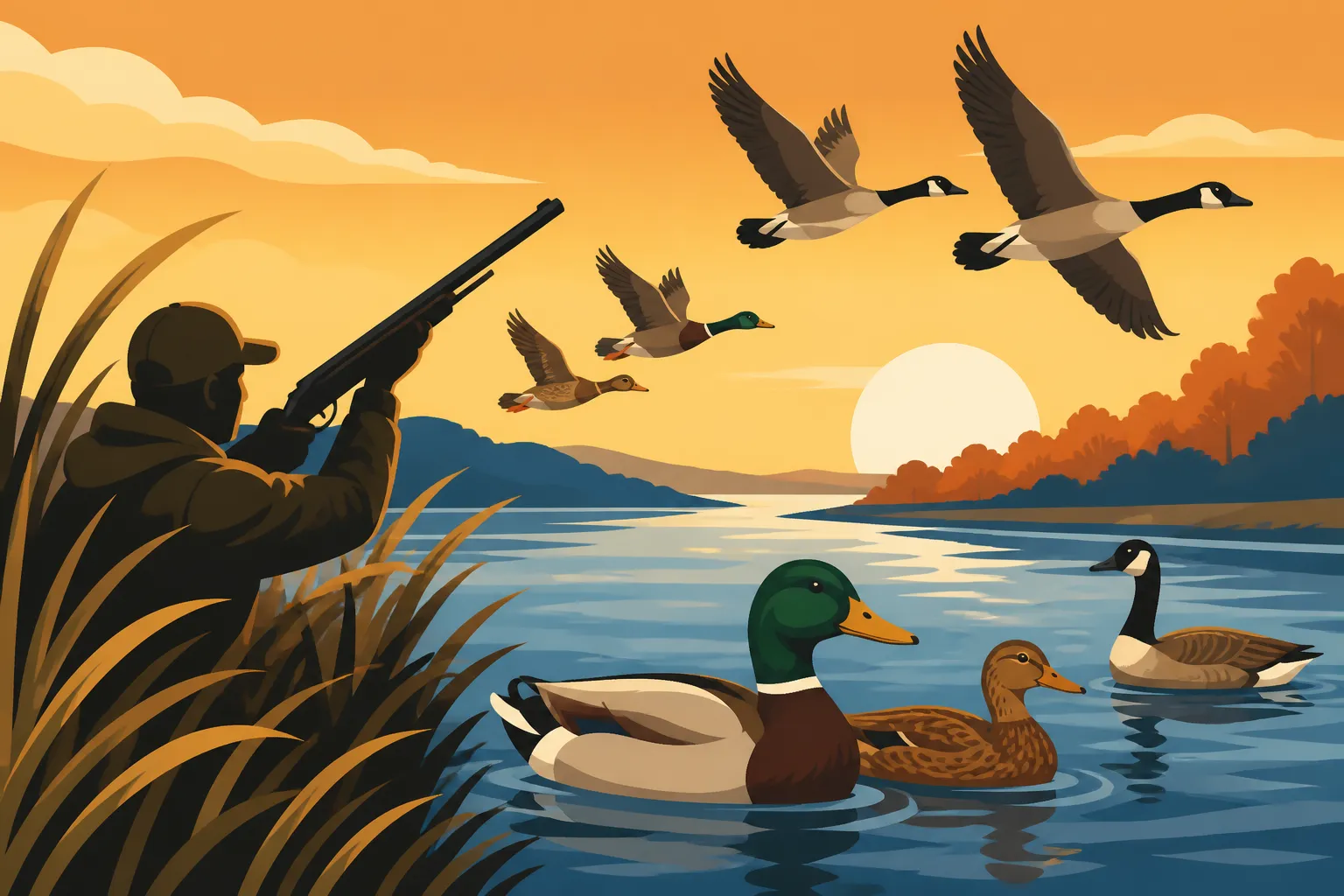
Mallards and Geese on the Illinois River
Hunting the Illinois River for waterfowl is a tradition deeply ingrained in our state's heritage, but it comes with its own unique set of frustrations. From ever-changing water levels and public access challenges to deciphering the nuanced behavior of pressured birds, it’s a far cry from a simple field hunt. This comprehensive guide will peel back the layers of frustration, offering seasoned insights and actionable strategies to help you navigate the complexities and ultimately find success targeting mallards and geese along the mighty Illinois River.
The Unique Ecosystem of the Illinois River for Waterfowl
The Illinois River isn't just a waterway; it's a dynamic, living ecosystem that serves as a vital artery for the Mississippi Flyway. For generations, this river system has been a magnet for migrating waterfowl, offering a diverse array of habitats that cater to everything from puddle ducks to diving ducks and huge flocks of geese. Understanding this unique environment is the first step to unlocking its waterfowling potential.
Historical Significance and Current Trends
Historically, the Illinois River Valley was renowned as one of the premier waterfowl hunting destinations in North America. Its vast backwater lakes, flooded timber, and fertile farmlands provided an unrivaled banquet for migrating birds. Legends were made here, and the river's reputation drew hunters from across the country. While some aspects have changed over the decades, notably with land use and navigation improvements, the core allure remains. Today, hunters still flock to its banks, seeking to connect with that rich tradition. Waterfowl populations fluctuate year to year based on breeding success, habitat conditions further north, and migration corridors, but the Illinois River remains a critical stopover point. Recent trends indicate that while some species may shift their patterns, the river's fundamental role in the flyway ensures it will always be a hotspot.
Modern hunters face a different landscape than their grandfathers did. Public access, while present, requires careful Scouting Illinois Public Land Before Season. Water levels, influenced by dams and rainfall, can drastically alter hunting opportunities from one week to the next. Add to that increased hunting pressure in certain areas, and you realize that success isn't just about showing up anymore; it's about adapting and understanding the subtle cues the river provides. Using tools like GoHunt can help you analyze past harvest data and identify potential hot zones, though nothing replaces boots on the ground (or waders in the water).
The River's Geography and Habitat Diversity
From its headwaters near Joliet down to its confluence with the Mississippi River near Grafton, the Illinois River snakes its way through varied landscapes, creating a mosaic of habitats crucial for waterfowl. You'll find everything from shallow backwater sloughs choked with submerged aquatic vegetation (SAV) to vast open-water expanses, flooded timber, and adjacent agricultural fields. Each of these zones attracts different species and offers unique hunting opportunities. For instance, the calm, shallow waters of a remote slough might be a perfect resting spot for a flock of mallards, while the main channel and larger lakes might hold rafts of divers.
The diverse geography of the river system dictates where different species feed, loaf, and roost. The lower Illinois River, with its wider floodplains and numerous backwater lakes like those found in the Waterfowl Hunting the Illinois River Valley, often holds a different character of hunting than the narrower, more channeled sections further north. Knowing the specific types of habitat along your chosen stretch of river is paramount. Are you hunting standing timber, trying to jump-shoot a small creek, or setting up a vast spread on a major lake? Each scenario demands a different approach, understanding that ducks and geese utilize these areas for different reasons throughout their migration.
Decoding Mallard Behavior on the Illinois River
Mallards are, for many, the quintessential duck of the Illinois River. Their iridescent green heads, resonant quacks, and acrobatic flights captivate hunters. But these intelligent birds are far from easy to fool, especially after they've seen a few spreads. Understanding their specific habits on a big river system like the Illinois is crucial for consistent success.
Preferred Habitats and Feeding Habits
Mallards on the Illinois River are creatures of comfort and convenience, much like us! They primarily seek out shallow water environments that offer both food and sanctuary. This means focusing your efforts on backwater lakes, flooded timber, agricultural impoundments, and river-bottom sloughs. They are particularly fond of areas where they can dabble for seeds, submerged vegetation, and invertebrates. When corn and soybean fields adjacent to the river are harvested, mallards will readily fly out to feed, especially in the late afternoons or early mornings, returning to the relative safety of the river's waters to loaf.
The availability of natural food sources like smartweed, wild rice, and pondweeds dictates much of their behavior early in the season. As the season progresses and these natural sources dwindle or become less accessible due to freezing temperatures, mallards become heavily reliant on waste grain in agricultural fields. This shift in diet is a critical piece of information for hunters. If you're hunting an open-water river blind, you might need to adjust your setup to intercept birds flying to or from these feeding grounds, often targeting travel corridors like those described in Reading a River Bottom Slough for a Morning Flight. This also highlights why understanding Illinois Waterfowl Migration Timing is so important – different phases of the migration often bring different feeding patterns.
Flight Patterns and Calling Strategies
Mallards on the Illinois River exhibit distinct flight patterns based on time of day, weather, and hunting pressure. Early mornings often see them leaving roosting areas to fly to feeding grounds, returning mid-morning to loaf. Late afternoons bring another feeding flight before they settle back into roosts for the night. Strong winds can completely change these patterns, often making birds fly lower and seeking more sheltered routes through timber or along river bluffs. Overcast days can also see birds flying later into the morning and earlier in the afternoon.
Effective calling for Illinois River mallards requires finesse. It’s not just about being loud; it’s about being realistic and knowing when to call and, perhaps more importantly, when not to. A loud, aggressive greeting call might work on unpressured birds early in the season, but later on, subtle clucks, contented feeding calls, and soft quacks are often more effective on birds that have been called at constantly. Observe how birds react; if they flare, you might be calling too much or too aggressively. A good caller can mimic the sounds of a contented flock, making passing birds feel safe enough to drop in. It's about building confidence, not just getting attention.
Understanding Illinois River Canada Geese
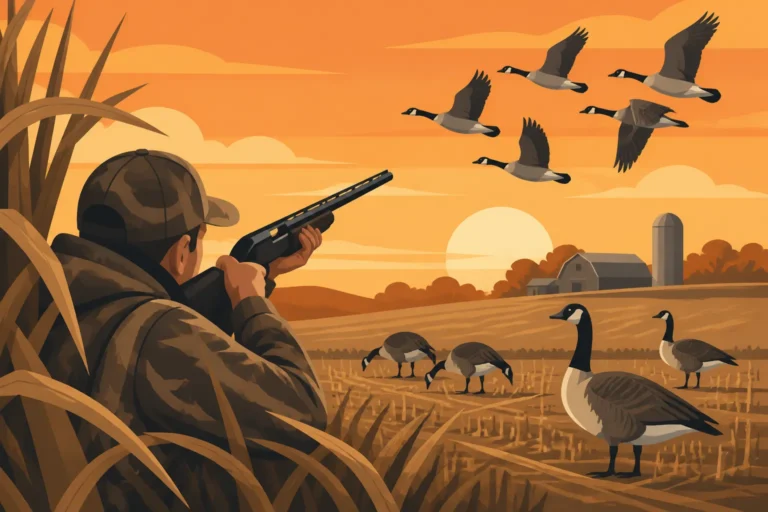
While mallards might be the king of the backwaters, Canada geese own the sky above the Illinois River and the surrounding farm fields. These magnificent birds, ranging from smaller "Richardson's" to the massive "Giants," present a different set of challenges and rewards for the dedicated waterfowler. Their sheer size, keen eyesight, and often territorial nature demand a meticulous approach.
Local Residents vs. Migratory Giants
One of the biggest distinctions when hunting Canada geese on the Illinois River is understanding the difference between resident geese and their migratory cousins. Illinois has a robust population of resident Canada geese, birds that often breed and live their entire lives within the state. These birds are generally less wary, especially early in the season, and tend to stick to familiar patterns between local ponds, lakes, and nearby agricultural fields. They’re often the first birds hunters encounter during the early seasons.
However, as fall deepens and winter approaches, the truly migratory giants begin to push south from Canada and the northern states. These birds have seen it all – countless decoy spreads, relentless calling, and endless hunting pressure. They are incredibly wary, fly in larger, tighter flocks, and often have specific flight corridors they follow along the river. Targeting these birds requires extreme concealment, massive decoy spreads, and often specialized Early Goose Season Tactics in Illinois or late-season strategies. Identifying whether you’re hunting local birds or fresh migrants can significantly impact your setup and calling approach. Checking daily migration reports or using a service like GoHunt can help you track these movements.
Roosting, Feeding, and Decoy Spreads
Canada geese on the Illinois River primarily roost on large, open bodies of water where they feel safe from predators. This includes large lakes along the river, wide sections of the main channel, or sometimes even major municipal reservoirs nearby. From these safe havens, they will make daily flights to agricultural fields, particularly those with corn, winter wheat, or soybeans, to feed. These feeding flights are often incredibly predictable, occurring at dawn and dusk.
Decoy spreads for Canada geese on the Illinois River typically need to be substantial. These birds often fly in large groups and are less likely to commit to a small, sparse spread. Full-body decoys are often preferred over silhouettes or shells for their realism, especially in heavily hunted areas. Spreads often mimic a feeding flock, with some sentry decoys set upright, and others feeding or loafing. Layout blinds, like those discussed in Layout Blind Hunting Illinois Farm Fields, are almost a necessity for field hunting, offering superior concealment. On the river, large boat blinds or pit blinds are common. Calling for geese is generally more guttural and aggressive than for ducks, involving clucks, honks, and moans to draw attention from high-flying birds and encourage them to drop altitude and investigate your spread.
Effective Hunting Strategies for River Ducks and Geese
Hunting the Illinois River requires a blend of traditional waterfowling wisdom and a keen understanding of modern bird behavior. It's a game of chess against some of the wariest waterfowl on the flyway, where every detail, from your blind's brushing to your calling cadence, can make or break a hunt.
Blind Placement and Concealment Tactics
Blind placement on the Illinois River is arguably one of the most critical elements of a successful hunt. Whether you're in a permanent pit blind on a field edge, a temporary boat blind in a slough, or a layout blind on a sandbar, concealment is paramount. Waterfowl, especially those that have been hunted heavily, have an uncanny ability to spot anything out of place. For river hunting, consider the sun's position, prevailing winds, and the birds' flight paths. You want the sun at your back, forcing birds to look into it as they approach, and a crosswind or headwind that allows them to land comfortably into your spread.
When setting up a boat blind in flooded timber or a slough, brush it in so thoroughly that it becomes an extension of the natural cover. Use local vegetation – willow branches, cattails, cornstalks – to break up the boat's outline. Don't leave any unnatural lines or shiny spots. On river sandbars or field edges, layout blinds must be perfectly brushed in, often requiring a substantial amount of natural material. Think about the birds' perspective: how would you approach this setup? Any glint of sun off a gun barrel, a face looking up, or a silhouette above the blind will send birds flaring. Many successful river hunters will spend more time brushing their blind than actually hunting, and for good reason.
Decoy Spreads and Calling Techniques
Decoy spreads for river hunting are dictated by the specific conditions and the species you're targeting. For mallards in backwaters or flooded timber, a smaller, more natural spread can be effective – perhaps a dozen or two decoys, mostly hens with a few drakes, positioned to look like a contented flock feeding. Focus on creating open landing zones within your spread, giving birds a comfortable spot to commit to. Motion decoys, like spinning wing ducks (often called "mojo" decoys after a popular brand), can be incredibly effective at catching attention, but use them wisely; too many or incorrect usage can spook wary birds.
For geese, especially those big migrant Canadas, you often need larger spreads to draw their attention from high altitudes. Hundreds of decoys aren't uncommon for field setups. When hunting geese on the river, combine full-body goose decoys with some mallard decoys to create a mixed bag look, which can often be more enticing. When it comes to calling, remember the "less is more" principle with pressured birds. Start with soft greeting calls, then transition to contented feed calls. Only get aggressive if birds are showing interest but need a little more persuasion. Learning to read bird reactions is key. If they lock up and turn, keep calling. If they flare, back off. There are plenty of resources and call companies that offer instructional videos on specific calling techniques for both ducks and geese.
Navigating Water and Weather Challenges
Hunting the Illinois River is inherently challenging due to its dynamic nature. Water levels can rise or fall dramatically, changing access points, submerging blinds, or leaving shallow areas high and dry. Always check river gauges and forecasts before heading out. High water might open up new flooded timber opportunities, while low water might concentrate birds in specific channels or deeper sloughs. Safety should always be your top priority when dealing with unpredictable water.
Weather is another major factor. A strong north wind and dropping temperatures often signal new migrations pushing into the area, offering some of the best hunting opportunities. However, navigating rough, windy conditions on the river can be hazardous. Fog can completely shut down a hunt, making it unsafe to travel or shoot. Conversely, calm, clear days can make birds incredibly wary, requiring even more stringent concealment and subtle tactics. Hunters need to be prepared for anything, carrying appropriate gear, having backup plans, and knowing when to simply stay home for safety. These are realities that make Illinois Duck Zone Boundaries and understanding current conditions crucial.
| Feature | Illinois River Mallards | Illinois River Canada Geese |
|---|---|---|
| Primary Habitat | Backwater sloughs, flooded timber, shallow impoundments | Open water (roosting), agricultural fields (feeding) |
| Preferred Food | Aquatic vegetation, seeds, invertebrates, waste grain | Waste grain (corn, beans, wheat), grasses |
| Flight Style | Fast, erratic, often lower, can be very agile | Direct, powerful, high-flying, strong V-formations |
| Calling Focus | Finesse, contented clucks, feeding chatter, soft quacks | Honks, clucks, moans, aggressive, loud |
| Decoy Spread | 1-3 dozen, realistic, open landing zones, some motion | 50-200+, full-body realism, sentries, large landing zones |
| Hunting Waryness | High, especially mid-late season | Extremely high, exceptional eyesight |
| Key Challenge | Adapting to water levels, subtle calling, natural concealment | Massive spreads, extreme concealment, reading high flyers |
Essential Gear and Logistics for Illinois River Waterfowling
Embarking on an Illinois River waterfowl hunt means being prepared for anything. This isn't your average walk-in hunt; it demands specialized gear, a focus on safety, and careful planning. The river can be unforgiving, and under-preparation isn't just uncomfortable, it can be dangerous.
Boats, Motors, and Safety Equipment
A reliable boat is an absolute necessity for hunting most stretches of the Illinois River. Whether it's a jon boat, a flat-bottom, or a specialized duck boat, it needs to be stout enough to handle varying water conditions, from calm backwaters to choppy main channels. A dependable outboard motor, ideally with a shallow-water drive or mud motor, is crucial for navigating shallow sloughs, mud flats, and choked vegetation. Always carry a spare prop, tools, and extra fuel. The last thing you want is to be stranded on a sandbar in the middle of a cold morning.
Safety equipment is not optional; it's mandatory. This includes properly sized life jackets for everyone on board, throwable flotation devices, a fully charged fire extinguisher, navigation lights, and an air horn or whistle. A first-aid kit, emergency blankets, and a dry bag with spare clothes are also non-negotiables. Many hunters also carry a powerful spotlight or headlamp for navigating in the dark, especially when heading out before dawn or returning after last light. Since cellular service can be spotty in remote river sections, consider a satellite messenger device for emergencies. Always tell someone your float plan, including where you're launching, where you intend to hunt, and when you expect to return.
Clothing, Ammunition, and Other Essentials
Layering is the name of the game for Illinois River waterfowling. Temperatures can swing wildly from freezing mornings to relatively mild afternoons, and being wet from a sudden downpour or spray from the boat can quickly turn dangerous. Waterproof and windproof outer layers are essential, as are warm base layers and insulating mid-layers. A good pair of waders, either chest waders or breathable waders with insulating layers underneath, is also critical for setting decoys, retrieving birds, and maneuvering in shallow areas. Don't forget waterproof gloves, a warm hat, and a face mask to break up your human outline and stay comfortable.
When it comes to ammunition, always carry enough non-toxic shot for your hunt, and then some. Steel shot is the standard, but bismuth and tungsten options offer superior performance at higher costs. Choose shot sizes appropriate for the species you're targeting; larger shot (like BB or 2-shot) for geese and larger ducks, smaller shot (like 3 or 4-shot) for mallards and teal. Don't forget your Illinois Federal Duck Stamp Requirement and Illinois HIP Certification for Bird Hunters, and ensure your Illinois Hunting Licenses and What They Cost are current. Other essentials include binoculars for scouting, thermos with hot coffee or soup, plenty of water, high-energy snacks, a reliable retrieving dog (if you have one), and a quality game strap or bag for carrying out your harvest. Remember, the daily bag limit for mallards is generally two, with specific rules for hens, as per Illinois Duck Daily Bag Limit, so be aware of your local regulations.
Conservation Efforts and the Future of Illinois River Waterfowling
The legacy of Illinois River waterfowling is not just about the hunt itself, but also about the enduring commitment to conservation. Hunters have historically been at the forefront of protecting and enhancing waterfowl habitat, and that dedication is more important now than ever. The future of hunting these storied waters depends on continued efforts to preserve its unique ecological balance.
Habitat Preservation and Restoration
The Illinois River's ability to host millions of migratory waterfowl each year is largely due to its extensive wetland complexes, many of which have been preserved or actively restored through conservation programs. Organizations like Ducks Unlimited, Delta Waterfowl, and local conservation groups work tirelessly to protect and enhance critical habitats, including managing water levels in impoundments, restoring native vegetation, and combating invasive species. These efforts directly benefit mallards and geese by providing vital feeding, resting, and nesting grounds.
As hunters, our contributions through purchasing licenses, duck stamps, and supporting these organizations are fundamental to these initiatives. Without these ongoing habitat projects, the river simply wouldn't support the incredible numbers of birds we see today. From the largest state and federal wildlife areas along the river to smaller private parcels, every acre of healthy habitat contributes to the health of the flyway. Understanding the long-term impact of these efforts helps put each individual hunt into a larger perspective, reinforcing the idea that we are not just taking from the resource, but actively participating in its stewardship.
Hunter's Role in Sustainable Practices
Sustainable hunting is not just a buzzword; it's a principle that guides responsible waterfowling on the Illinois River. This means adhering strictly to all regulations, including bag limits, shooting hours, and method of take. It also means practicing ethical hunting behaviors, such as making clean shots, retrieving all downed birds, and showing respect for wildlife and fellow hunters. Reporting illegal activities or unusual wildlife sightings (like sick birds) to the Illinois Department of Natural Resources (IDNR) is also a crucial part of our role.
Beyond regulations, sustainable practices extend to our environmental footprint. Minimizing disturbance to resting birds, especially during non-hunting hours or in designated refuges, ensures they have the energy reserves needed for their long migrations. Participating in volunteer clean-up days along the river or advocating for conservation policies helps ensure that the Illinois River remains a vibrant and productive ecosystem for future generations of waterfowl and waterfowlers alike. By embracing these principles, we not only secure the future of our hunting heritage but also uphold the highest standards of wildlife stewardship.
Disclaimer
The information provided in this guide is for general informational purposes only and does not constitute legal advice. Hunting regulations, seasons, and licensing requirements can change, and it is the hunter's responsibility to consult the latest official regulations from the Illinois Department of Natural Resources (IDNR) before engaging in any hunting activities. Always prioritize safety and ethical hunting practices.