Illinois Boone and Crockett Whitetails
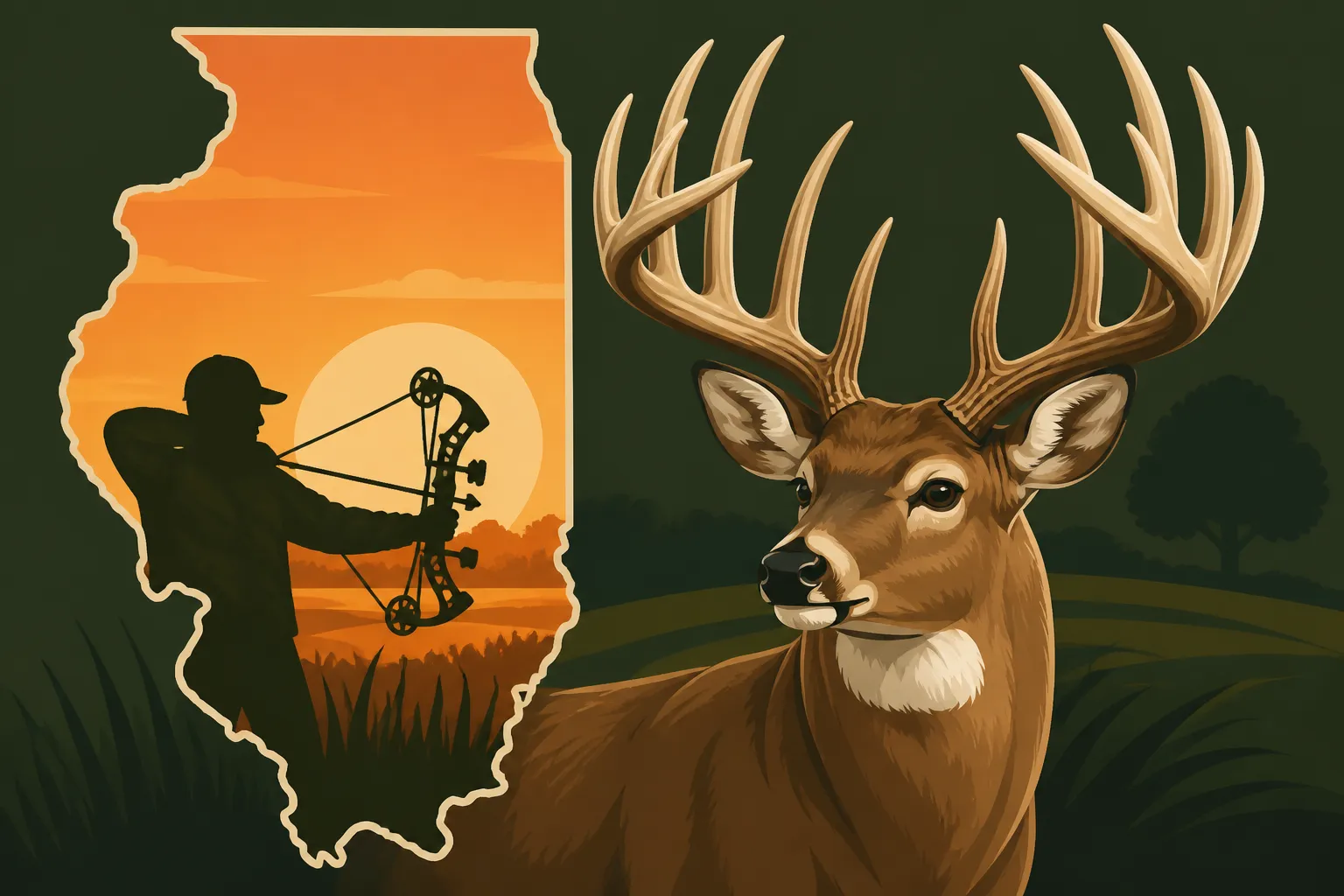
For any deer hunter in Illinois, the dream of laying hands on a truly colossal whitetail, one that makes the hallowed Boone and Crockett record books, is a powerful motivator. It’s a challenge that many pursue for a lifetime, often facing countless frustrations, near misses, and the sheer difficulty of finding such an elusive animal. This comprehensive guide will peel back the layers on what it takes for an Illinois buck to achieve B&C status, where you might find these giants, and the strategies that can bring you closer to making that lifelong dream a reality.
What Makes Illinois a Boone and Crockett State?
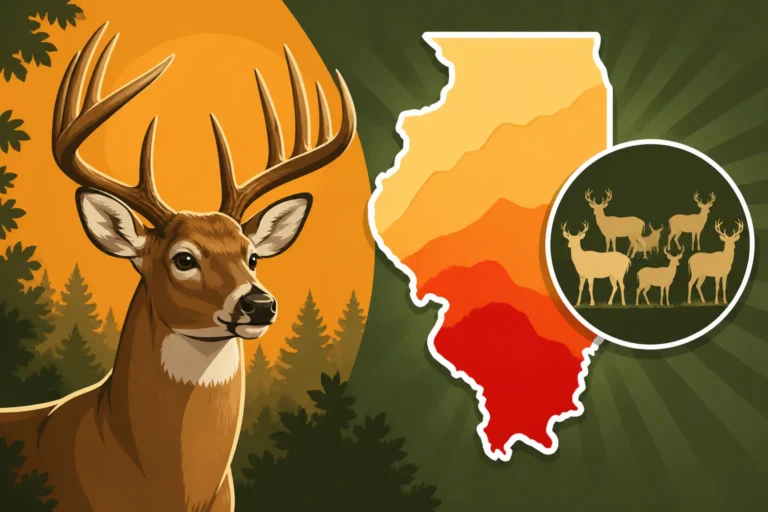
Illinois isn't just a good deer hunting state; it's consistently ranked as one of the very best in North America for producing giant whitetails. There's a reason hunters from all over the country flock here, year after year, hoping to tag the buck of a lifetime. It's not just luck; it's a perfect storm of environmental factors, genetics, and management practices that coalesce to create true titans of the timber.
The Ingredients for Giant Deer
When you talk about a deer growing Boone and Crockett caliber antlers, you're really talking about a trifecta of crucial elements: age, nutrition, and genetics. Take any one of those away, and the chances of a buck reaching that upper echelon plummet dramatically.
First, age is non-negotiable. A whitetail buck simply doesn't have the physiological capacity to grow antlers large enough for the record books until he reaches maturity, typically somewhere between 4.5 and 6.5 years old, sometimes even older. Younger bucks, even with incredible genetics and nutrition, are still investing most of their energy into body growth, not maximizing antler size. The older a buck gets, the more resources his body can allocate specifically to antler development. This is why many hunters focus intently on understanding Illinois Deer Population Estimate and the age structure within herds they hunt.
Second, nutrition is paramount. Illinois's rich agricultural landscape, particularly in the central and western parts of the state, provides an almost unparalleled buffet for whitetails. Vast fields of corn, soybeans, and alfalfa offer a high-protein, high-energy diet that fuels rapid body growth and, subsequently, impressive antler development. A buck needs a constant supply of high-quality forage throughout the year to express his full antler potential. This isn't just about what they eat during the antler-growing season; it's about sustained nutrition from the moment they're fawns all the way through their mature years.
Finally, while age and nutrition are critical, they can only do so much without the right genetic foundation. Illinois has a strong, native whitetail genetic pool that has demonstrated the capability to produce exceptionally large antlers. Over decades, natural selection and responsible management have cultivated a population where the genetic potential for impressive racks is simply higher than in many other regions. It's a combination of these three factors that truly sets Illinois apart.
Historical Significance of Illinois Bucks
Illinois has a storied history when it comes to trophy whitetails. The state regularly produces bucks that make national headlines and fill the pages of hunting magazines. This isn't a new phenomenon; Illinois has been a consistent producer for decades. Some of the most iconic, massive deer in hunting lore have come from our rich farmlands and river bottoms.
Consider the sheer number of entries into the various record books from Illinois. It speaks volumes about the consistent quality. Many hunters dream of seeing their deer officially recognized in the Illinois Deer Record Book, and the state provides ample opportunity for that. The landscape, with its mosaic of agriculture and timber, provides diverse habitat that allows bucks to thrive and often elude hunters for years, reaching those critical older age classes necessary for B&C status.
Specific regions, like the legendary west-central counties, have almost mythical status, drawing hunters from across the globe. This long-standing reputation is built on hard data and countless stories of monster bucks. It's a testament to the confluence of those key ingredients – age, nutrition, and genetics – being consistently present and abundant across large swathes of the state.
Understanding Boone and Crockett Scoring
The Boone and Crockett Club sets the standard for measuring and recording North American big game trophies. Understanding their scoring system is crucial if you aspire to enter a whitetail into their books. It's more than just tape measures; it's a precise methodology that values symmetry and mass.
The Basics of Official Measurement
The Boone and Crockett scoring system is designed to objectively quantify antler size and configuration, providing a consistent way to compare trophies. The process involves multiple measurements, including main beam length, spread, circumference at various points, and the length of each tine. These measurements are then added together to get a gross score.
What many new to the system don't realize is the distinction between "gross" and "net" scores, and the difference between "typical" and "non-typical" categories. A gross score is the sum of all positive measurements. A net score, however, deducts points for any asymmetry between corresponding measurements on opposite antlers. For example, if a G2 tine on the left antler is 10 inches and the corresponding G2 on the right is 9 inches, that 1-inch difference is deducted from the gross score for a typical entry. This emphasis on symmetry is what makes a high typical net score so challenging to achieve.
For typical entries, the ideal is perfect symmetry with clean, conventional points. Any abnormal points (those not originating from the main beam as a normal point or not following the typical growth pattern) are deducted from the gross score. For non-typical entries, the rules change. Instead of deducting abnormal points, they are added to the gross score of the typical frame. This is why non-typical racks often have much higher gross and net scores, as they reward unique and massive antler growth, even if it's asymmetrical or unusual.
Minimum Scores for the Record Books
To be considered for the Boone and Crockett record book, a whitetail buck must meet specific minimum net scores. These minimums vary depending on whether the buck is classified as typical or non-typical, and whether it's for the all-time records or the awards period.
Here's a general overview of the minimum net scores for Boone and Crockett whitetails:
| Category | Minimum Net Score (Awards) | Minimum Net Score (All-Time) |
|---|---|---|
| Typical Whitetail | 160 points | 170 points |
| Non-Typical Whitetail | 185 points | 195 points |
It's important to understand that these are net scores, meaning deductions for asymmetry have already been applied. A buck might have an impressive gross score, but if it has significant differences between its left and right antlers, or many abnormal points that push it into the non-typical category, its net typical score could drop considerably. Conversely, a buck with a clean, highly symmetrical typical frame can net very well.
Finding a Certified Measurer
Once you've harvested a buck you believe could be a record book contender, the next step is to have it officially measured. This isn't something you can just do yourself with a tape measure; it requires a certified Boone and Crockett measurer. These individuals have undergone rigorous training to ensure accuracy and adherence to the club's strict guidelines.
To find a measurer, the Boone and Crockett Club's website is the primary resource. They have a directory of official measurers, often searchable by state or region. You'll typically need to arrange an appointment, and it's courteous to call ahead. Be prepared for a detailed process that can take a significant amount of time, as every curve, tine, and circumference is meticulously recorded. The antlers must also undergo a mandatory drying period—typically 60 days—after the animal is harvested before an official measurement can be taken. This allows for any shrinkage to occur, ensuring a final, stable measurement.
Where to Find Boone and Crockett Contenders in Illinois
Illinois, as we’ve established, is a prime location for giant whitetails. But within the state, certain areas consistently produce more record-class deer than others. Knowing these hotbeds, and understanding the differences between hunting private and public land, can significantly influence your hunting strategy.
The Legendary West-Central Illinois Counties
When hunters talk about trophy whitetails in Illinois, west-central Illinois almost always comes up first. Counties like Pike, Adams, Brown, and Schuyler have become almost synonymous with giant bucks. There's a reason for this fame, and it ties directly back to those core ingredients: age, nutrition, and genetics.
These counties sit in a unique geographical sweet spot. They boast vast acreages of highly productive agricultural land—think endless corn and soybean fields—interspersed with rolling timbered hills, deep river bottomlands along the Mississippi and Illinois Rivers, and dense creek drainages. This varied topography creates an ideal habitat mix, providing both abundant food sources and secure bedding and cover that allows bucks to reach maturity. These areas have some of the highest deer densities and consistent harvest records for trophy-class animals. It’s no wonder so many hunters seek Why Pike County Produces So Many Trophy Bucks to understand the local secrets.
The strong tradition of private land management in these areas also plays a significant role. Many landowners and hunting operations actively manage their properties for quality deer, implementing practices like limited harvest of young bucks, food plots, and habitat improvements. This cumulative effort across large landscapes fosters a herd where older-age-class bucks are more common.
Under-the-Radar Hotbeds
While west-central Illinois gets most of the glory, it's not the only place to find a B&C buck. Savvy hunters know that other regions of the state also hold immense potential, often with less pressure than the highly publicized areas.
Consider counties in other parts of the state that have a similar blend of agriculture and timber, or those bordering large river systems. For example, some parts of the Rock River Valley in northern Illinois, or pockets along the Kaskaskia River in central Illinois, can produce exceptional deer. These areas might not have the sheer volume of record entries as Pike County, but they offer quality opportunities for those willing to do their homework. Often, these "under-the-radar" spots are where determined hunters, especially those using tools like GoHunt to analyze land features and deer data, can find overlooked gems.
Even southern Illinois, with its rugged Shawnee Hills terrain, produces trophy bucks. While the deer density might be lower and the body weights generally less than their northern counterparts, the ability of bucks to go unpressured in the vast timber allows them to reach older age classes. You might not find as many bucks, but the ones you do find can be absolute monsters. Understanding Southern Illinois Deer Density can help you strategize for these different hunting conditions.
Public Land vs. Private Land Potential
The debate between public and private land hunting for trophy deer is an old one, and in Illinois, both have their merits and challenges when pursuing a B&C buck.
Private Land: This is where the majority of Illinois's truly giant bucks are harvested. The ability to control hunting pressure, manage habitat, and implement strict harvest criteria gives private landowners a significant advantage. If you have access to well-managed private land, your odds of encountering an older-age-class buck dramatically increase. Many landowners allow only limited hunting, ensuring bucks have the opportunity to grow. This often comes with a cost, whether it's leasing land, joining a hunting club, or building relationships with landowners for permission. Knowing the average Illinois Hunting Lease Prices Per Acre can help set expectations.
Public Land: Don't write off public land entirely, but be realistic. While it's harder, it's certainly not impossible to harvest a B&C buck on Illinois public land. The key is often finding areas with less pressure, thicker cover, or those that are harder to access. This might mean hiking deeper into remote sections of the Shawnee National Forest or finding small, overlooked timber pockets adjacent to agricultural fields on state fish and wildlife areas. Hunters who are willing to put in the effort to scout thoroughly, using tools like GoHunt to dissect satellite imagery and topography, often find success. Patience, perseverance, and a willingness to go where others won't are crucial for public land trophy hunting. You'll want to study up on Scouting Illinois Public Land Before Season to give yourself the best chance.
Strategies for Hunting a Record-Class Buck
Chasing a Boone and Crockett whitetail isn't just about being in the right state; it's about a dedicated, intelligent approach to hunting. It demands a different mindset than simply filling a tag.
Age, Nutrition, and Habitat Focus
Your strategy for hunting a record-class buck needs to revolve around the same factors that create them: age, nutrition, and habitat. This means your pre-season scouting and in-season tactics must be laser-focused.
Prioritize Age: This means passing on younger bucks, even nice ones, in hopes that they'll mature into true giants. It requires discipline and a long-term perspective. If you hunt private land, advocating for QDM (Quality Deer Management) practices that promote age structure is beneficial. On public land, it means knowing how to identify older bucks from younger ones, even if you only get a quick glimpse. Recognizing body characteristics, not just antler size, is key.
Understand Nutrition: Scout for the best food sources, both natural and agricultural. In the early season, this might be standing soybean fields or clover plots. During the rut and late season, it could be acorns (if it was a good mast year) or unharvested corn. Deer will gravitate to the highest-quality forage available. Understanding deer movement patterns between bedding cover and these prime food sources is essential. Studying Entry Routes Through Standing Corn or Hunting a Standing Soybean Field can provide critical insights.
Identify Key Habitat: Older bucks are masters of survival. They live in areas that offer secure cover, escape routes, and minimal human disturbance. This might be a dense cedar thicket, a deep river bottom with tangled undergrowth, or a remote ridge system in big timber. Look for topographical features like saddles, funnels, and pinch points where deer movement is concentrated. Using aerial maps and topographical maps from platforms like GoHunt can help you identify these critical habitat components before you even step foot in the woods.
Patience and Persistence
Hunting a B&C buck is often a game of extreme patience and unwavering persistence. These deer didn't get old by being careless. They are incredibly wary, have learned to avoid danger, and often move during low-light conditions or unfavorable weather when other hunters are less active.
You might scout an area for weeks, or even an entire season, without seeing the specific buck you're targeting. You might sit for dozens of hours in a stand or blind without seeing a single deer, let alone a giant. This is where many hunters get discouraged and give up, which is exactly what a mature buck relies on. The successful trophy hunter understands that consistency and grit are as important as any tactic. This might mean spending more time in the woods during the cold, bitter Hunting the Late-Season December Lull or enduring inclement weather.
You also need to be patient in your shot selection. A record-class buck deserves a clean, ethical harvest. Don't rush a shot, and be prepared to let a buck walk if the shot isn't perfect. Persistence also means adjusting your tactics based on conditions, learning from every hunt, and adapting your strategy until you put all the pieces together.
Leveraging Technology and Resources
In today's hunting world, there are more tools and resources available than ever before to help you in your quest for a record buck. Don't be afraid to leverage them.
Mapping Apps: Modern mapping applications are invaluable. Tools like those integrated with GoHunt provide detailed aerial imagery, topographical maps, public/private land boundaries, and even historical satellite data. This allows you to remotely scout, identify potential bedding areas, travel corridors, and optimal stand locations without putting unnecessary pressure on the deer. You can mark waypoints, track your movements, and analyze terrain features that might concentrate deer movement, such as Hunting a Funnel Between Two Woodlots or a specific ridge line.
Trail Cameras: Strategic placement of trail cameras can provide crucial intelligence. They can help you confirm the presence of a specific buck, learn its travel patterns, and identify its preferred times of movement. This data helps you narrow down your hunting efforts to the most opportune times and locations. Make sure you understand Trail Camera Rules on Illinois Public Land if you're hunting state-managed property.
Weather Forecasting: Pay close attention to weather patterns. Cold fronts, significant barometric pressure changes, and the timing of rainfall can all influence deer movement, especially that of mature bucks. Many hunters swear by hunting just before or after a major weather event. Using detailed forecasts can help you pinpoint the best days to be in the woods.
Deer Activity Data: Many platforms, including GoHunt, offer deer activity forecasts based on scientific data, moon phase, and historical trends. While these are just predictions, they can offer another layer of insight to help you plan your hunts for when the deer are most likely to be on their feet. Combining this with your own scouting observations and local knowledge will put you in the best position. And, of course, nothing beats being out during Hunting the Rut in Early November.
Disclaimer
This article is for general informational purposes only and does not constitute professional advice. Laws, prices and regulations vary by location and change over time. Consult a qualified professional for guidance on your specific situation.