Illinois’s Recovering Bobcat Population
Illinois bobcats recovered from historical decline through conservation, habitat protection, and natural expansion across the state.
Know what you’re after.
Big game, small game, upland birds, and waterfowl — identification, behavior, rut and migration timing, and how each species moves through the season.
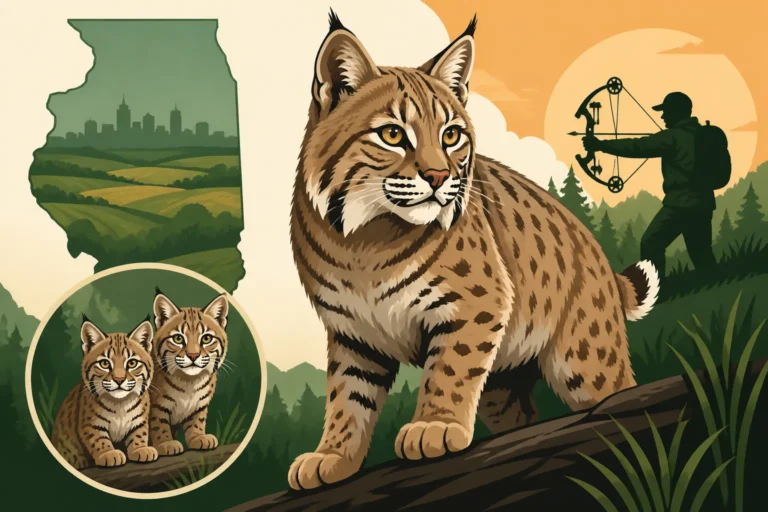
Illinois bobcats recovered from historical decline through conservation, habitat protection, and natural expansion across the state.
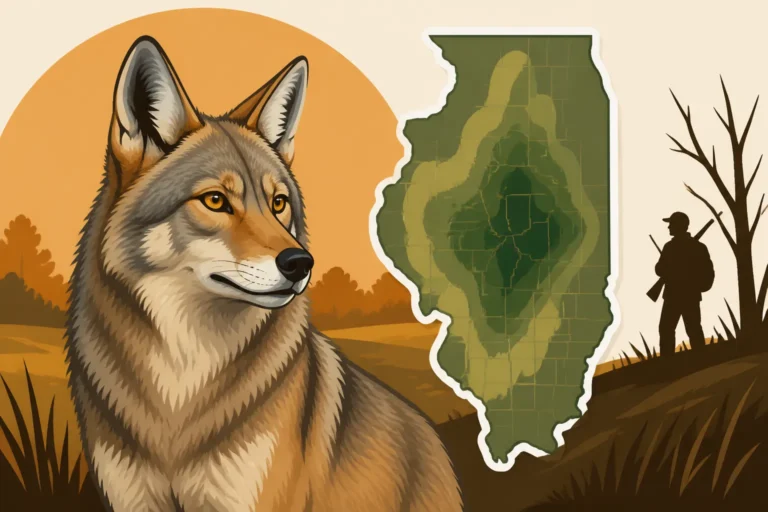
Illinois coyotes range across every county from Chicago to Southern Illinois, shaped by habitats, food, and human land use.
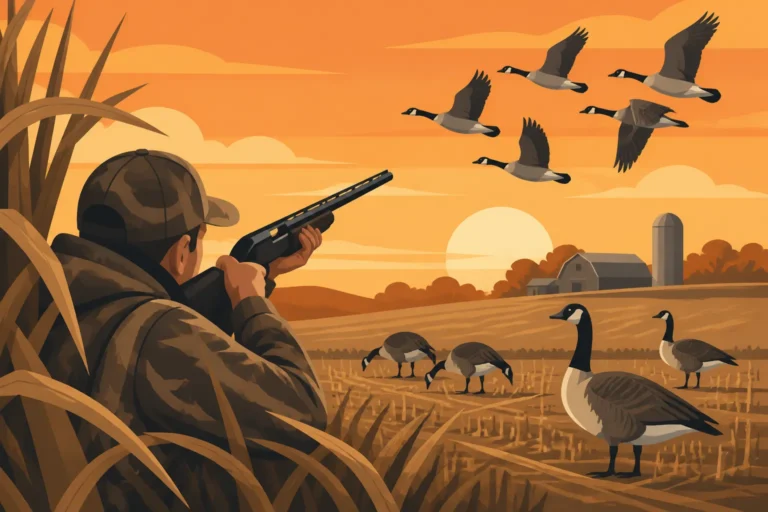
Canada geese on Illinois farmland explain waterfowl behavior, feeding patterns, and hunting strategies for agricultural fields.
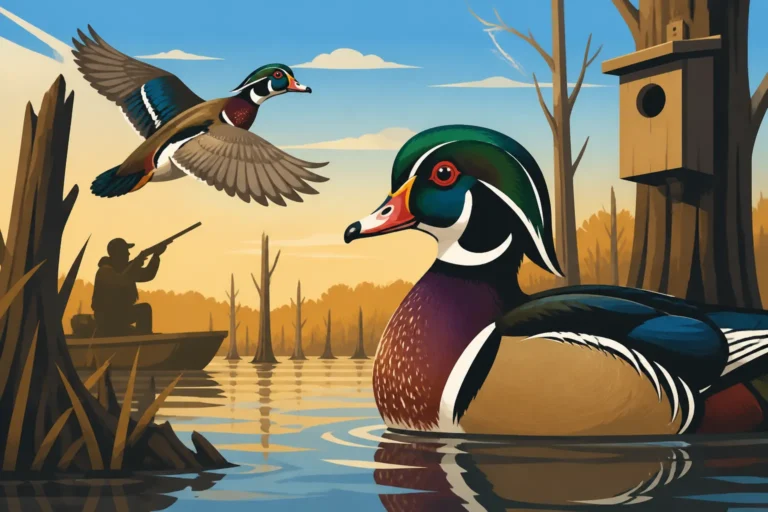
Wood duck hunting in the Illinois River bottoms requires strategies for navigating dense, flooded timber and backwater sloughs.
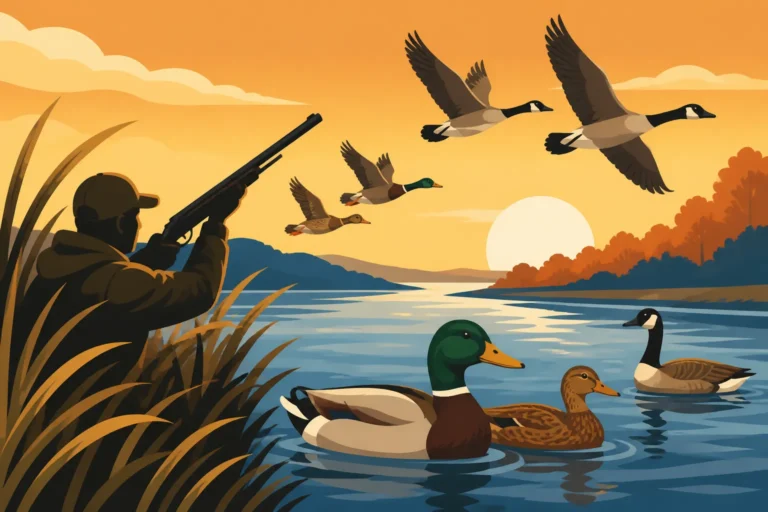
Waterfowl hunting along the Illinois River explains strategies for targeting mallards and geese despite changing water levels.
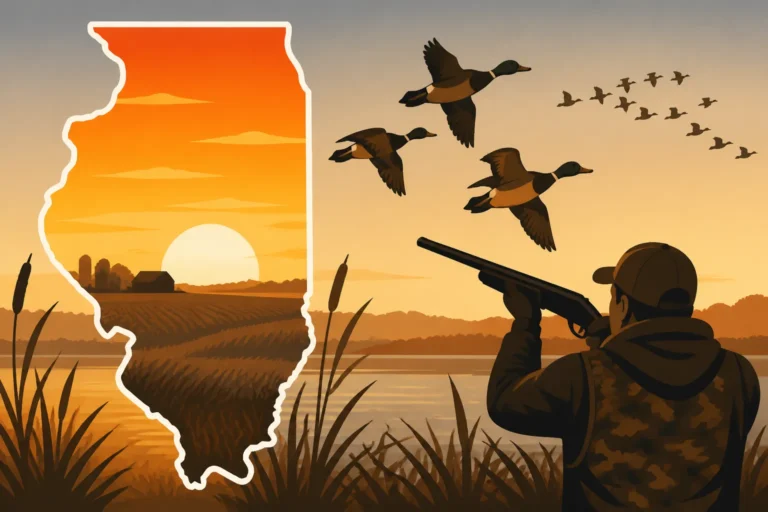
Illinois waterfowl migration timing relies on the Mississippi Flyway and river valleys holding forty percent of North America birds.
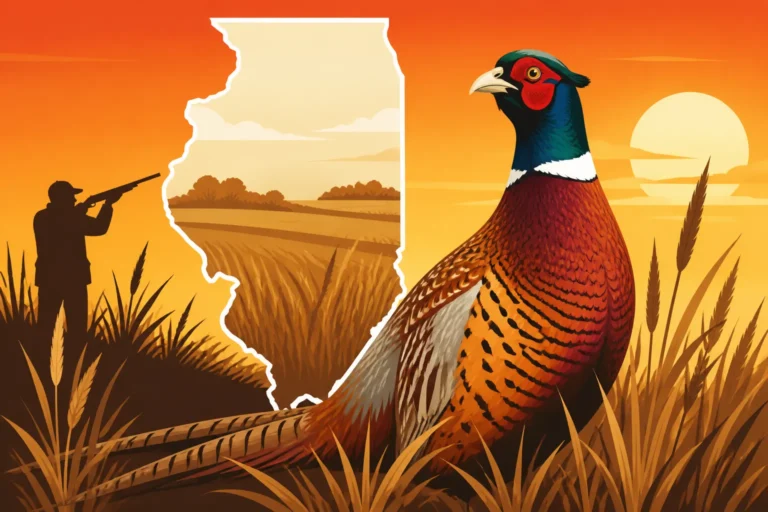
Wild pheasant populations in Illinois persist in specific regional pockets due to historical habitat changes and intensive agriculture.
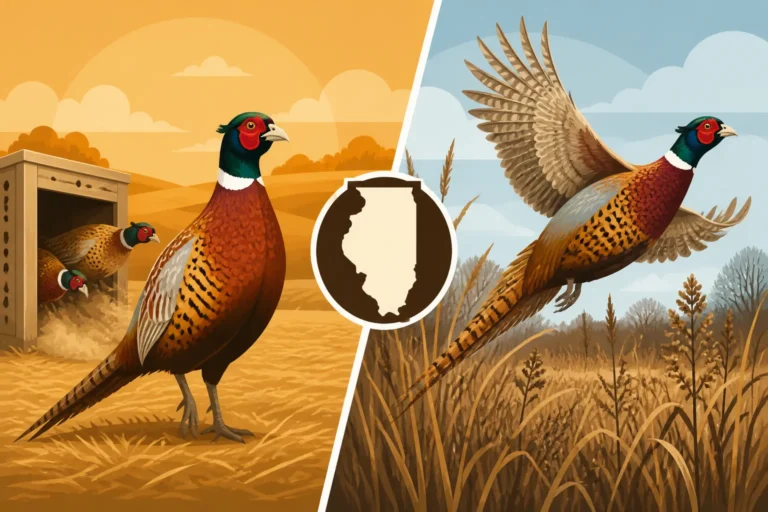
Illinois wild pheasant populations and stocked birds differ significantly, helping hunters manage expectations and focus their efforts.
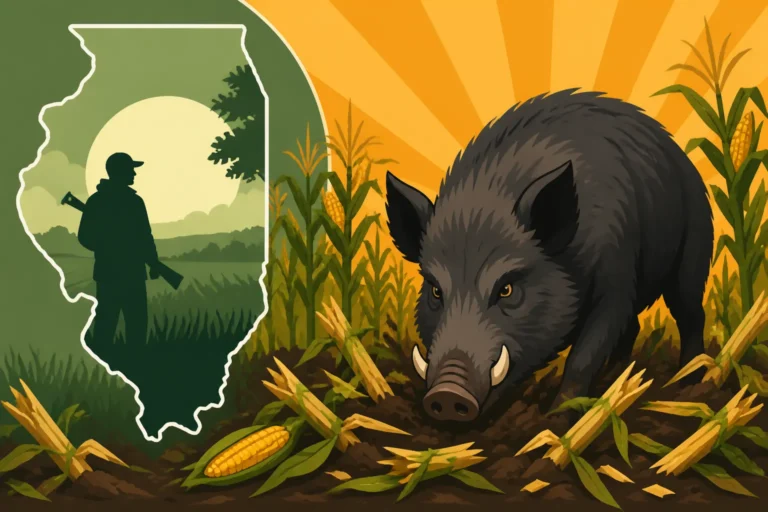
Feral hogs in Illinois cause millions in crop damage annually, threatening local agriculture and delicate natural ecosystems statewide.
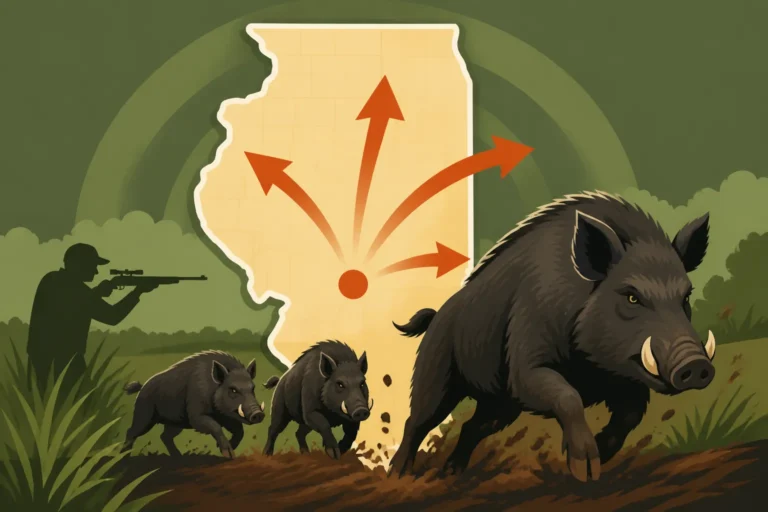
Wild hogs in Illinois spread through human introductions, illegal releases from hunting operations, and jump dispersal across private lands.