Cypress Creek National Wildlife Refuge Hunting
It can feel like navigating a maze when you're trying to hunt a federal area like a National Wildlife Refuge, especially if you're accustomed to state lands or private parcels. The rules often differ, and understanding the nuances of permits, access, and species can be a real headache. This comprehensive guide will strip away the confusion, helping you confidently plan and execute successful hunts within Illinois's beautiful Cypress Creek National Wildlife Refuge.
Understanding Cypress Creek National Wildlife Refuge for Hunters
Cypress Creek National Wildlife Refuge (NWR) is a jewel in southern Illinois, offering a unique blend of bottomland hardwoods, cypress-tupelo swamps, and managed wetlands that attract a diverse array of wildlife. For hunters, it's a special place, but it comes with its own set of rules and environmental considerations that are crucial to grasp before you even pack your gear. It’s not just another patch of woods; it’s a living, breathing ecosystem managed with a specific conservation mission, which directly impacts how and what you can hunt.
A Unique Ecosystem for Hunting
Nestled within the Cache River watershed, Cypress Creek NWR is part of an internationally recognized wetland complex. This means you're dealing with vast areas of water-dominated habitats, from sloughs and oxbows to flooded timber and seasonally wet fields. This landscape dictates the primary hunting opportunities, favoring waterfowl above all else, but also supporting healthy populations of deer and small game. The sheer diversity of habitat, from mature timber to agricultural fields and extensive wetlands, creates a dynamic environment that requires specific hunting approaches. You might be slogging through muddy bottoms one day and walking upland edges the next, so understanding the terrain and its impact on game movement is vital. Unlike some state lands that might be more uniform, Cypress Creek NWR is a mosaic, and successful hunters are those who understand how each piece of that mosaic fits together.
General Regulations and Permit System
Hunting within a National Wildlife Refuge isn't as simple as just buying your state license and going afield. Cypress Creek NWR operates under specific federal regulations, often requiring additional permits or public land specific lottery applications on top of your standard Illinois Hunting Licenses and What They Cost. It’s easy to get frustrated by the extra steps, but these systems are in place to manage pressure, ensure safety, and protect the very resources we all want to enjoy. Typically, hunters need to apply for refuge-specific permits for certain seasons, especially for popular game like deer and waterfowl. These permits are often distributed through a lottery system, meaning advance planning is absolutely essential. Always check the official refuge website for the current year's hunting brochure and regulations. Don't rely on last year's rules, because they can change, and you definitely don't want to show up only to find out you're missing a critical piece of paperwork or that the season dates you planned on have shifted. Knowing these regulations inside and out is the first step to a successful hunt, and it saves you the headache of being turned away or, worse, cited for a violation.
Key Game Species and Seasons
Cypress Creek NWR, with its unique blend of habitats, supports robust populations of several game species. While it's particularly renowned for its waterfowl hunting, deer and small game also offer excellent opportunities for those willing to learn the refuge's specific nuances. Understanding which species are present and when their seasons run is paramount to planning your trip effectively.
Waterfowl Opportunities
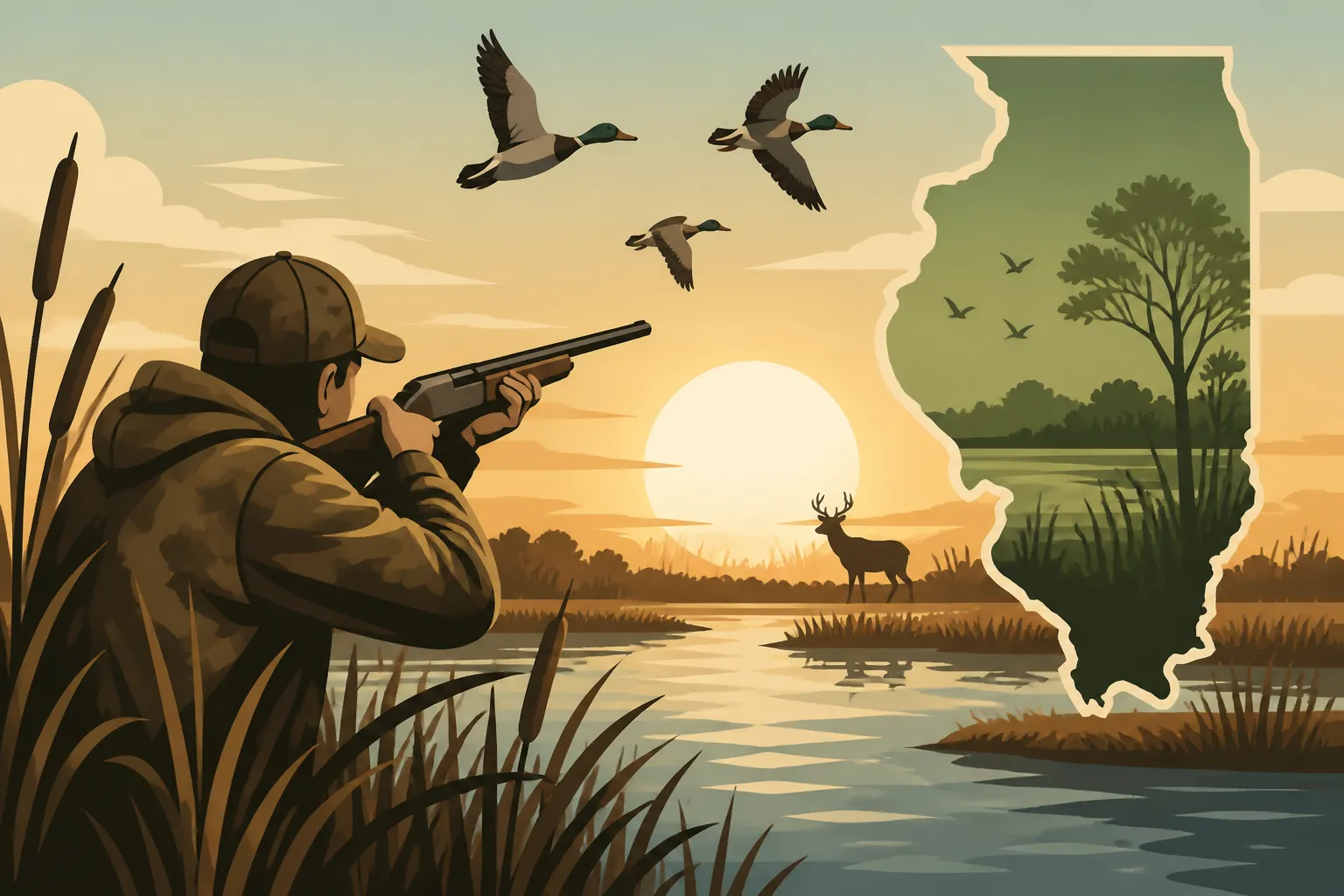
If you're a waterfowl hunter, Cypress Creek NWR should definitely be on your radar. The refuge lies squarely within the Mississippi Flyway, attracting an incredible number of migrating ducks and geese each fall and winter. The extensive wetland management, including flooded agricultural fields and controlled water levels in sloughs and impoundments, creates ideal feeding and resting areas for a myriad of species. You'll find everything from mallards, pintails, and gadwalls to wood ducks and various diving ducks. Canada geese are also common, with both resident and migrating populations utilizing the refuge. Illinois Waterfowl Zones and Seasons are strictly adhered to, and often the refuge has specific internal zones or draw hunts for pits and blinds, making it vital to check the refuge's annual hunting fact sheet. The competition can be stiff, particularly on weekends and during peak migration, so being prepared for various scenarios – from frigid morning sits to dealing with changing water levels – is part of the experience. It's truly a bucket-list destination for many duck and goose hunters in the state.
Deer Hunting in the Refuge
While waterfowl often steal the spotlight, Cypress Creek NWR also provides solid deer hunting opportunities. The mix of mature bottomland hardwoods, dense thickets, and adjacent agricultural fields creates prime habitat for whitetails. The deer here benefit from the dense cover and abundant food sources, and while the pressure can be high in some areas, there are always pockets that go overlooked. Deer hunting within the refuge typically aligns with the broader Illinois Deer Season Structure Explained, but with specific refuge-managed permits and zones. These hunts are often limited to archery, muzzleloader, or specific firearm seasons, and usually require a special draw permit from the refuge in addition to your state permits. This controlled access helps maintain a quality hunting experience and manages the deer herd effectively. Hunters often find success by focusing on transitional areas between bedding cover in the timber and feeding areas in the fields, especially during the rut when bucks are on the move. Don't underestimate the challenge of navigating the dense, often wet, timber; it can be tough slogging, but it also means the deer have plenty of places to hide.
Small Game and Upland Birds
Beyond the headline acts of deer and waterfowl, Cypress Creek NWR also provides chances for small game and, to a lesser extent, upland bird hunting. Squirrels, especially fox and gray squirrels, thrive in the expansive hardwood bottoms. These areas offer abundant mast crops like acorns and pecans, providing excellent forage. Early season squirrel hunting can be a fantastic way to introduce new hunters to the woods or simply enjoy a less pressured hunt. Rabbit hunting is also possible, particularly in brushy edge habitats, fencerows, and areas of dense young growth. Pheasants and quail are less common in a managed NWR setting like Cypress Creek compared to specific upland game areas or private farmlands, but opportunities may exist in certain habitat restoration areas or field edges. Always consult the refuge's specific small game regulations, as some areas might be closed or have different rules than statewide seasons. Focusing on areas where timber transitions to fields, or where dense cover meets more open ground, will be your best bet for these species.
Navigating the Refuge: Access and Scouting
Successfully hunting Cypress Creek NWR is as much about understanding the terrain and knowing where to go as it is about hunting skills. Federal lands can feel vast and overwhelming, but with the right tools and approach, you can effectively scout and access prime hunting locations.
Public Access Points and Zones
Cypress Creek NWR, like many federal properties, has designated public access points, parking areas, and specific hunting zones. You can't just pull over anywhere and walk in; understanding these entry points is crucial. Many access areas are well-marked, but others might require a bit more navigation. Some parts of the refuge might be designated as "walk-in only" areas, meaning vehicles are prohibited, which often correlates with less hunting pressure further in. Mapping tools are indispensable here. Tools like onX Hunt are incredibly valuable, allowing you to clearly see refuge boundaries, marked access roads, parking areas, and even different hunting zones within the refuge. This prevents accidental trespassing or hunting in a closed area, which can be an easy mistake to make on such a large property. Always double-check the refuge's specific map and hunting regulations for any seasonal closures or special access rules. Identifying boat launches for waterfowl hunting, or specific gates for walk-in deer hunting, will be key to your success and safety. Knowing your access points saves valuable hunting time that would otherwise be spent figuring out where you're allowed to be. For a broader look at available hunting lands, check out Public Hunting Land in Illinois.
Tools for Effective Scouting
Scouting is fundamental to hunting success anywhere, but especially on a large, complex area like Cypress Creek NWR. Gone are the days of just driving around and hoping for the best. Today, technology can give you a significant edge. Aerial imagery, readily available on platforms like onX Hunt or even Google Earth, allows you to identify potential bedding areas, travel corridors, water features, and feeding locations before you ever set foot on the ground. Look for pinch points, natural funnels formed by water or dense cover, and areas where different habitat types converge. Waterfowl hunters will want to identify potential roosting areas, feeding impoundments, and natural flyways. Deer hunters should be looking for timbered ridges, creek bottoms that serve as travel routes, and edges bordering agricultural fields. Combine satellite imagery with topographical maps to understand elevation changes, even subtle ones, which can influence water accumulation and animal movement. GoHunt's resources can also be beneficial for researching general land characteristics and game distribution patterns in similar Illinois habitats. Once you have a few promising spots identified on your digital map, then you can plan a physical scouting trip. Always pay attention to seasonal changes too; a dry creek bed in summer might be a bustling deer crossing in the fall, or a flooded timber block might be a duck magnet once the water comes up. Scouting Illinois Public Land Before Season is an excellent resource for more in-depth scouting tips applicable to this refuge.
Hunting Strategies for Success
Once you understand the refuge, its rules, and have a handle on scouting, it’s time to think about specific hunting strategies. Cypress Creek NWR presents unique challenges and opportunities for various species, demanding adaptable tactics from hunters.
Waterfowl Hunting Tactics
Waterfowl hunting at Cypress Creek NWR demands adaptability due to fluctuating water levels and bird movements. Many hunters will be pursuing ducks and geese from designated blinds or pits, often allocated through a daily or seasonal draw. This means you need to be proficient at setting decoys, using calls, and identifying species on the wing. For mallards and other dabblers in flooded timber or shallow impoundments, spread out your decoys to mimic a relaxed flock, leaving an open landing zone. Motion decoys, especially spinning wing models, can be very effective in attracting distant birds. Calling should be realistic and varied, adapting to the birds' responses. If you're in a field setting for geese, large spreads of full-body decoys are usually necessary, along with layout blinds for concealment. Pay close attention to the wind, as ducks and geese almost always land into it. Outside of managed sites, jump-shooting sloughs and small oxbows can be productive, though it requires more stealth and physical exertion. Illinois Waterfowl Migration Timing is crucial for planning, as bird numbers ebb and flow with weather fronts. Always scout conditions a day or two before your hunt if possible, noting where birds are actively feeding and resting. Remember, persistence pays off, especially on public ground where birds can become call-shy quickly.
Deer Hunting Approaches
Deer hunting at Cypress Creek NWR often requires a blend of patience and perseverance. With its dense cover and often wet conditions, still-hunting and stand hunting are the most common approaches. For stand hunting, identifying key travel corridors, pinch points, and food sources (like acorn flats or field edges) is vital. Because of the limited access and the nature of the terrain, deer often use creek bottoms, old logging roads, and subtle ridges as primary travel routes. Setting up a climbing stand or a lock-on well before daylight in these areas can yield results. Ground blinds can also be effective, especially if brushed in properly, offering concealment in areas with limited trees or where you need to adapt to changing wind conditions. Still-hunting, moving slowly and deliberately through the timber, pausing often to scan for movement, can also be productive, particularly during the rut or in areas with very dense cover where visibility from a stationary stand is limited. Pay attention to wind direction, as the swirling winds in river bottoms can make scent control even more challenging. Being able to read the habitat and anticipate deer movement in these complex bottomland environments is a learned skill. Hunters here might find tactics detailed in Hunting Illinois River Bottom Funnels or Hunting Central Illinois Farmland Deer to be applicable, depending on the specific zone within the refuge they are hunting.
Small Game Techniques
Hunting small game at Cypress Creek NWR is generally a more relaxed affair compared to the intensity of deer or waterfowl seasons, but it still requires thoughtful tactics. For squirrels, early morning and late afternoon hunts tend to be most productive, especially after a heavy mast crop year. Walk slowly through the hardwood timber, pausing frequently to listen for cutting sounds or the rustling of leaves. A good pair of binoculars can help spot squirrels high in the canopy before they spot you. Focusing on hickory groves or oak flats where food is abundant is a smart move. For rabbits, concentrate on thick brush piles, fencerows, and areas of dense brambles that provide escape cover. Walking these areas with a small gauge shotgun is effective, or even with a beagle if allowed and you have one. Small game hunting is an excellent way to explore the refuge, learn its nuances, and enjoy a day afield with less pressure. Always remember to check the refuge-specific regulations for small game, as certain areas or dates might have restrictions. It's also a great way to stay sharp and practice your shooting skills outside of the main big game seasons.
| Game Species | Primary Habitat | Typical Season Structure (Refuge Specific) | Common Tactics | Notes for Cypress Creek NWR |
|---|---|---|---|---|
| White-tailed Deer | Bottomland hardwoods, thickets, field edges | Archery, Muzzleloader, Limited Firearm (Draw Permits) | Stand hunting, still-hunting, ground blinds | Focus on travel corridors near water and food; heavy cover requires patience. |
| Ducks & Geese | Flooded timber, impoundments, agricultural fields | Peak migration periods (Draw Permits/Designated Zones) | Decoy spreads, calling, layout blinds, jump-shooting | High competition, consult NWR daily reports, consider boat access. |
| Squirrels | Mature hardwood timber (oaks, hickories) | Fall (often aligns with state seasons) | Still-hunting, spot & stalk | Listen for cutting, focus on mast-producing trees. |
| Rabbits | Brushy edges, fencerows, dense thickets | Fall/Winter (often aligns with state seasons) | Walking cover, dogs (check regulations) | Look for areas of new growth and thick escape cover. |
Disclaimer
This article is for general informational purposes only and does not constitute professional advice. Laws, prices and regulations vary by location and change over time. Consult a qualified professional for guidance on your specific situation.