Hunting a Muzzleloader Permit During Second Firearm
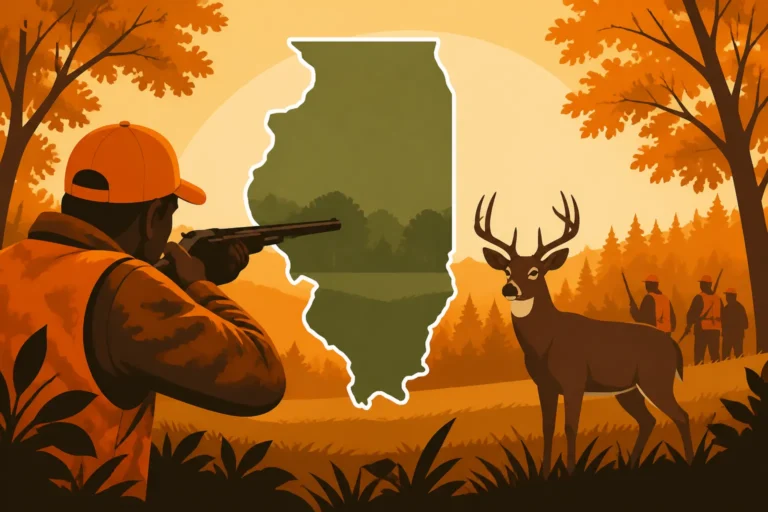
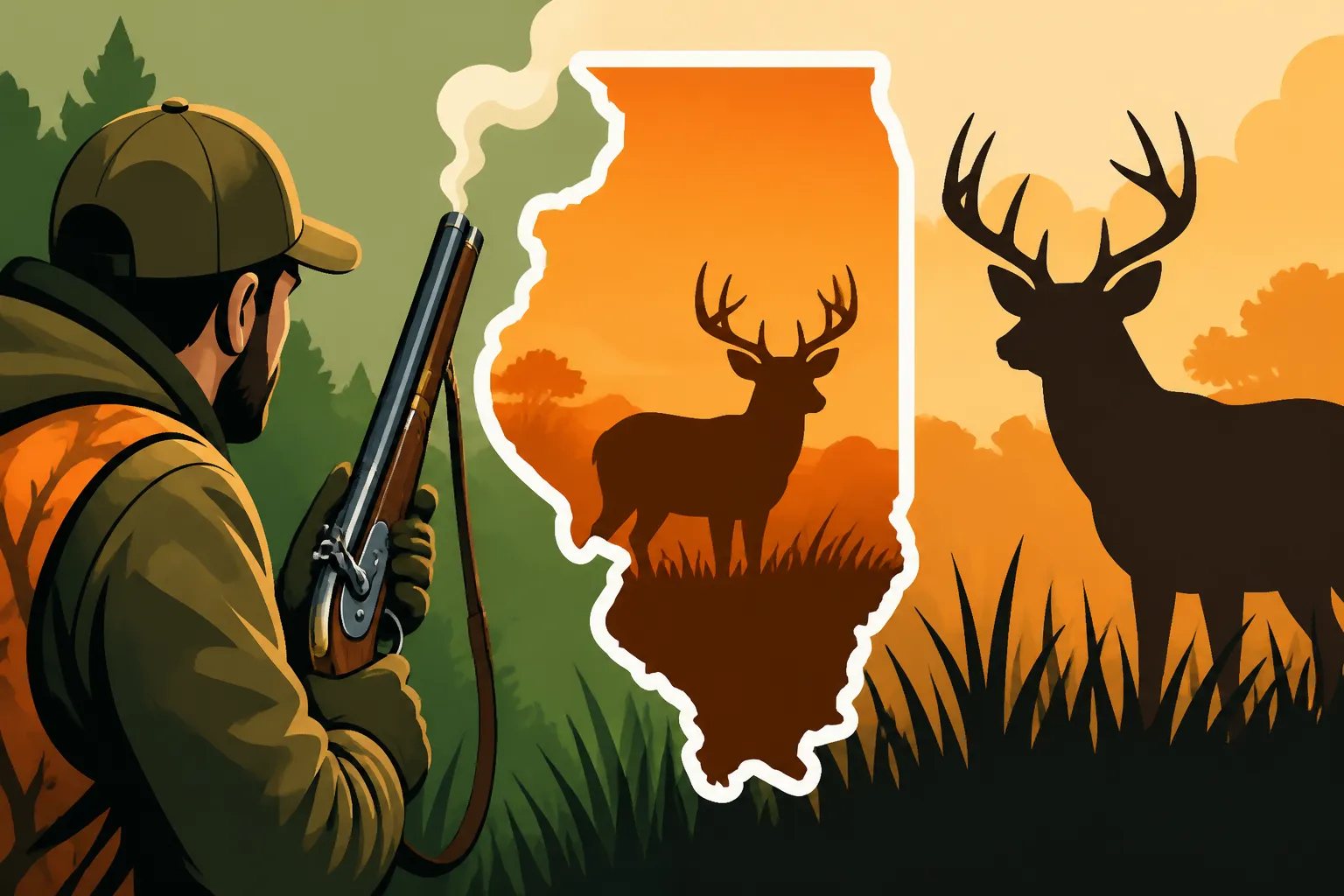
Hunting with a muzzleloader during Illinois's second firearm season can feel like a unique challenge. You've secured that special permit, but now you're facing potentially colder weather, more hunting pressure, and different strategies than the dedicated muzzleloader-only season. It's easy to get overwhelmed, wondering if your antique-style firearm can truly compete. This guide is designed to clarify the regulations, offer tactical advice, and help you maximize your chances of success when carrying your muzzleloader during the general firearm season.
Understanding the Overlap: Muzzleloader Permits and Second Firearm Season
Illinois deer hunting offers several distinct seasons, and sometimes, those seasons overlap or present unique permit options. Holding a muzzleloader permit during the general firearm season means you're operating within a specific set of rules, often different from the dedicated Muzzleloader Deer Hunting in Illinois period. It's crucial to understand these nuances to stay legal and effective.
Why Hunters Choose a Muzzleloader During Firearm Season
For many, the draw of using a muzzleloader during the broader firearm season isn't about necessity, but about passion, challenge, or extending their time in the field. Some hunters might have a dedicated muzzleloader permit because they missed out on a preferred firearm permit in the lottery, or perhaps they simply enjoy the traditional aspect of the hunt. The single-shot, slower loading, and generally shorter effective range of a muzzleloader demand a different kind of discipline. It forces you to get closer to the animal, emphasizing woodsmanship, tracking, and stealth. It's a conscious choice to embrace a more primitive hunting experience amidst the modern rifle and shotgun slug environment. It also offers another opportunity to fill a tag, especially for those who cherish every moment spent pursuing whitetails.
Key Regulations for Muzzleloader Permits
Navigating the regulations for muzzleloaders during the general firearm season can be a bit tricky, but it boils down to understanding your permit and the weapon's legalities. First and foremost, your muzzleloader permit is tied to a specific county or even a statewide option, much like other deer permits. You must adhere to the county listed on your permit.
During Illinois's Two Firearm Deer Seasons, the weapon restrictions typically allow shotguns with slugs, centerfire rifles meeting specific cartridge requirements, and muzzleloaders. For muzzleloaders, this usually means a .45 caliber or larger, shooting a single projectile. Modern inline muzzleloaders are generally permitted, offering hunters more reliability and accuracy than traditional flintlocks or cap-and-ball rifles. However, always double-check the current Illinois Department of Natural Resources (IDNR) digest for any specific changes or clarifications regarding legal weapons during Illinois Firearm Season. While your permit allows you to use a muzzleloader, you must also comply with all general firearm season rules, including blaze orange requirements and deer reporting deadlines. This means wearing at least 400 square inches of solid blaze orange on your head and outer garment while actively hunting.
Strategies for Success with a Muzzleloader
Hunting with a muzzleloader during the second firearm season—which typically falls in December—requires a refined approach. The deer have been pressured, the landscape has changed, and your chosen weapon demands precision. It's not just about pulling a trigger; it's about making that one shot count.
Scouting and Setup Considerations
Effective scouting becomes paramount when your range is limited and reloading isn't an option in the field. Before the season, or even during the first firearm season if you're not hunting it, focus your scouting efforts on identifying pinch points, dense cover, and late-season food sources. Deer in December are often focused on bedding close to available food and water, especially as colder temperatures set in. Look for standing agricultural fields like corn or soybeans, persistent green browse, or mast crops that might still be present. Tools like GoHunt can be invaluable here, allowing you to pour over aerial maps to identify secluded timber blocks adjacent to food, or dense creek bottoms that provide thermal cover.
When setting up your stand or blind, think close. With a muzzleloader, your effective range might be limited to 100-150 yards, sometimes even less depending on your comfort and accuracy. This means identifying natural funnels, narrow strips of timber between fields, or thick bedding areas where deer will pass within your comfort zone. Consider the wind direction carefully, as the single-shot nature of a muzzleloader means you won't get a second chance if a deer winds you. Concealment is key; whether it's a treestand or a ground blind, ensure you have ample cover to remain undetected until the deer is precisely where you want it. This close-quarters strategy is also excellent for Hunting the Illinois Rut in Early November, as deer movement patterns during the rut can be more predictable.
Shot Placement and Ethical Considerations
The ethical harvest of an animal is always the top priority, and with a muzzleloader, this responsibility is amplified. Your single shot means no follow-up if you rush or make a poor decision. Therefore, practicing extensively with your specific load and projectile is non-negotiable. Know your rifle's capabilities and, more importantly, your own. For most deer hunters, a broadside shot to the lung-heart area offers the largest target and the highest probability of a quick, humane kill. Avoid quartering-to or quartering-away shots unless you are absolutely confident in your ability to hit vital organs.
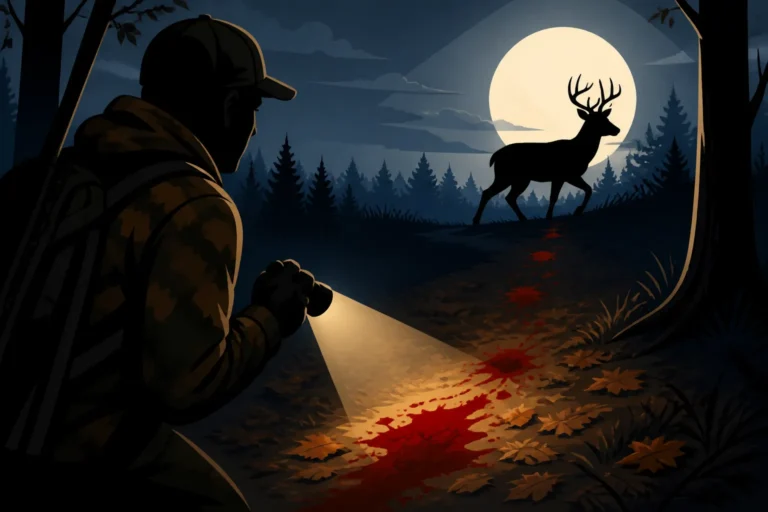
Given the potential for slower projectile speeds and larger bullet diameters, tracking can sometimes be more challenging than with modern high-velocity rifles. Be prepared to track patiently and methodically. This means waiting a sufficient amount of time after the shot—often longer than you might with a centerfire rifle—before taking up the trail. Carry a good tracking light, especially if you anticipate hunting into the evening hours. Understanding how to track a deer in fresh Illinois snow or even how to blood trail after dark in Illinois can be critical skills. This dedication to ethical shot placement and recovery ensures that you honor the animal and the hunt.
Navigating Public and Private Lands with Your Muzzleloader
Hunting during the second firearm season, regardless of your weapon, often means dealing with increased pressure. This is particularly true on public land, but even private land can see more activity. Adapting your strategies to these conditions is crucial for success.
Public Land Opportunities and Challenges
Illinois has a good amount of Public Hunting Land in Illinois, including State Fish and Wildlife Areas and portions of Shawnee National Forest Hunting. However, these areas, especially those known for good deer populations, can get crowded during general firearm seasons. When carrying your muzzleloader, the challenge is finding pockets of less-pressured deer. This often means walking further, getting deeper into timber, or targeting overlooked areas like small woodlots adjacent to suburban areas (if permitted) or swampy river bottoms that deter other hunters.
Tools like GoHunt, along with the Illinois DNR Map Tool, can help you identify remote access points, potential bedding cover, and natural barriers that might funnel deer away from heavier human traffic. Consider focusing on areas that require a bit more effort to reach, such as Hunting Illinois River Bottom Funnels that might be less accessible. Deer drives, often seen on public lands during firearm season, can also be either a challenge or an opportunity. You might encounter other hunters conducting Deer Drives With Three or Four Hunters, which can push deer your way, or simply push them out of your area. Being adaptable and knowing when to relocate is key. Your Cold-Weather Sitting Strategy in Illinois should prioritize comfort to allow you to stay on stand longer than other hunters might.
Private Land Access and Relationship Building
For many, private land offers a less pressured hunting experience. If you're hunting with a muzzleloader on private land, the foundational element is securing and maintaining good landowner relationships. This starts with clearly asking for permission, respecting their property, and perhaps even offering to help with chores or share venison. Be upfront about your intentions, your weapon choice, and your hunting style. Landowners appreciate transparency and respect.
Once you have permission, leverage the advantages of private land. You might have access to specific food plots, untouched bedding areas, or even the ability to manage pressure more effectively. For instance, if you know the landowner has a standing soybean field, this could be a prime Late-Season Food Sources for Illinois Whitetails. Your ability to scout and set up without competition is a huge advantage for muzzleloader hunting, where getting close is paramount. Always re-confirm permission for each season, and leave the property better than you found it. This helps ensure future access and builds trust, which is invaluable. For more tips, check out Getting Private Land Permission in Illinois.
Gear and Preparation for a Cold-Weather Muzzleloader Hunt
Hunting with a muzzleloader in December means facing potentially frigid Illinois weather. Proper gear and meticulous preparation are not just about comfort; they're about ensuring your firearm functions reliably and that you can stay focused on the hunt.
Essential Muzzleloader Gear
Beyond your actual muzzleloader, a few critical items are essential for a successful and safe hunt. First, invest in a quality waterproofing system for your powder and primers. Moisture is the enemy of black powder and substitutes. Carry pre-measured powder charges in sealed tubes, along with extra primers (or percussion caps) in a waterproof container. Many hunters even keep their primers in a small, easily accessible, waterproof pouch around their neck or in a chest pocket. A quick loader that holds your projectile and powder charge together can save precious seconds if you need to reload – though in reality, during a general firearm hunt, a second shot is often not feasible.
Also, bring a ramrod extension, cleaning patches, and a bore brush for a quick clean between shots, especially if you plan to shoot more than once at the range or need to clear a fouled barrel after a few days in the field. A good optics package, including binoculars and a rangefinder, is crucial. Knowing the exact distance to your target is vital for ethical shots with a muzzleloader, as trajectory can be more pronounced than with modern rifles.
| Item | Purpose | Notes |
|---|---|---|
| Muzzleloader | Primary hunting weapon | Ensure it's sighted in and clean. |
| Powder Charges | Pre-measured propellant | Keep in waterproof, sealed tubes. |
| Primers/Caps | Ignition source | Store in a waterproof container. |
| Projectiles | Bullets/Sabots | Carry extra, consider different types for conditions. |
| Ramrod Extension | Aids in reloading, especially with longer barrels | Essential for quick, firm seating. |
| Speed Loader | Holds powder/projectile for quick reload | Handy but a second shot is often unlikely in hunting. |
| Bore Cleaner/Patches | For quick in-field cleaning/maintenance | Important for maintaining accuracy. |
| Rangefinder | Accurately measures distance | Crucial for precise muzzleloader shots. |
| Binoculars | Scouting, spotting game, checking surroundings | High-quality glass is always a good investment. |
| Waterproof Pack | Protects gear from elements | Essential for powder, primers, and electronics. |
| Knife/Field Dressing Kit | For processing harvested game | Sharp and easily accessible. |
Cold Weather Hunting Apparel and Accessories
December in Illinois can be brutally cold, with temperatures often well below freezing, accompanied by biting winds. Your clothing strategy needs to be robust. Layering is key: start with a good moisture-wicking base layer, add insulating mid-layers (fleece, down, or synthetic puffies), and top it off with a waterproof and windproof outer shell. Don't forget extremities; a warm hat that covers your ears, thick insulated gloves or mittens (with fingerless options for shooting), and insulated, waterproof boots are critical. Consider hand warmers and toe warmers, which can be lifesavers during long sits.
A well-insulated seat pad or ground cushion can prevent cold from seeping into your body from the stand or ground blind. A thermos of hot coffee, tea, or soup can provide much-needed warmth and a morale boost. Staying warm isn't just about comfort; it helps you remain still and focused, preventing shivers that could throw off a critical shot. Remember, if you're uncomfortable, you're more likely to cut your hunt short. For detailed advice, consider articles like Cold-Weather Sitting Strategy in Illinois to really dial in your approach.
Disclaimer
Please note: Hunting regulations can change. Always consult the most current Illinois Department of Natural Resources (IDNR) hunting regulations guide before heading afield to ensure compliance with all laws and season dates. This article is for informational purposes only and does not supersede official regulations.