Jim Edgar Panther Creek Pheasant Hunting
Many hunters find the idea of pheasant hunting in Illinois incredibly appealing, but the reality of finding accessible, bird-rich ground can be a real head-scratcher. Private land access is often tough to secure, and wild bird populations, while present, can be scattered and require a lot of legwork. This guide is designed to cut through that frustration, offering a deeply detailed look at one of Illinois's premier public pheasant hunting opportunities: Jim Edgar Panther Creek State Fish and Wildlife Area (JEPC SFWA). We’ll cover everything from how the area is managed for pheasants to the nitty-gritty tactics that can lead to a successful day in the field, making sure you’re fully prepared for a fantastic hunt.
Understanding Jim Edgar Panther Creek State Fish and Wildlife Area (JEPC SFWA) for Pheasants
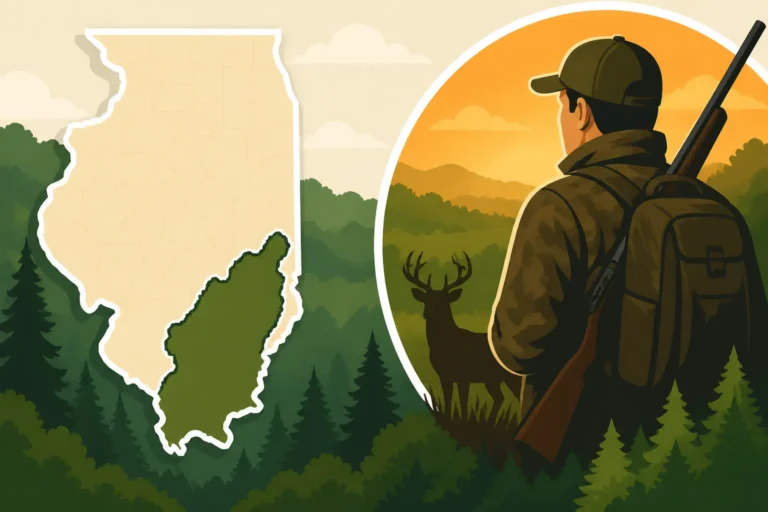
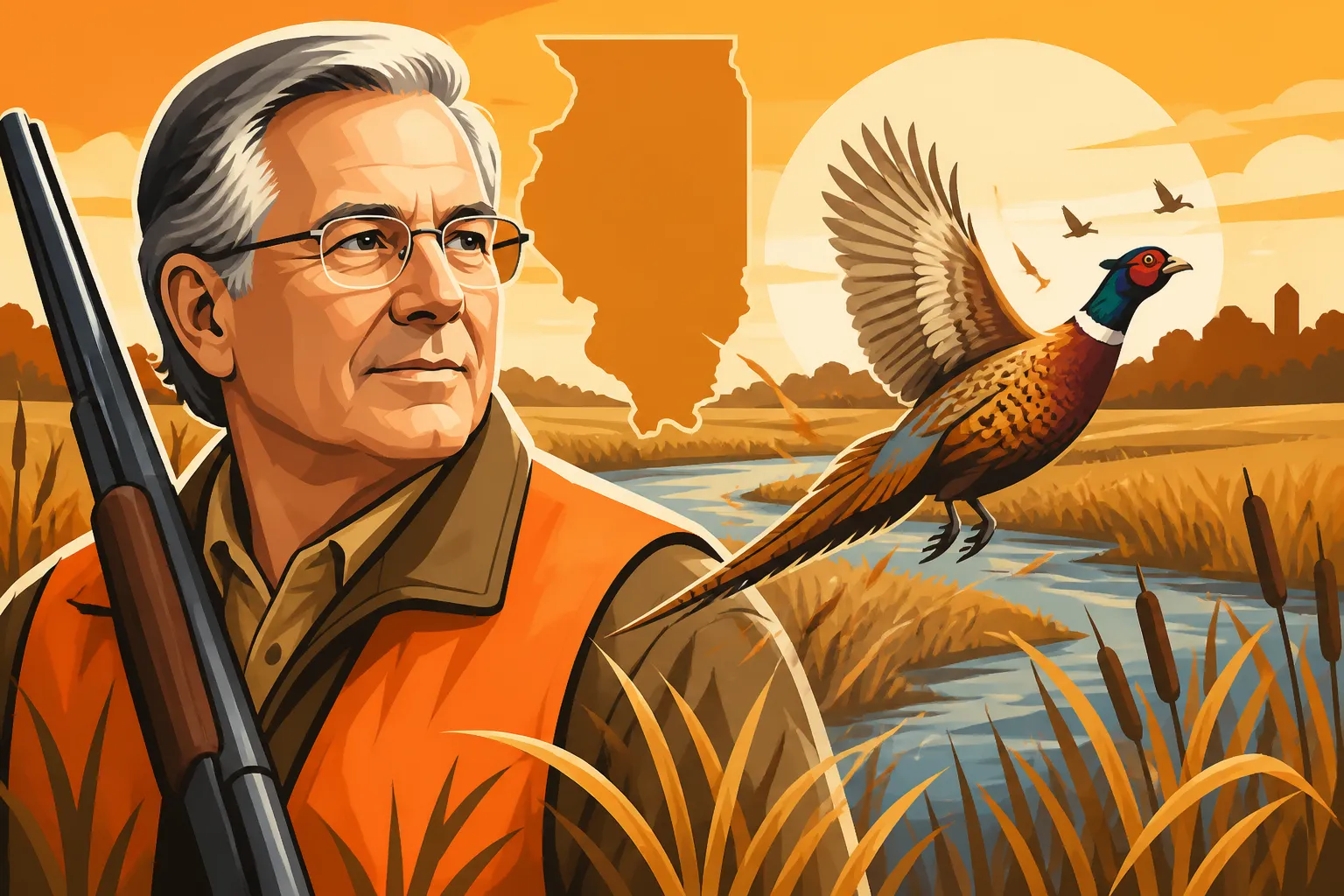
Jim Edgar Panther Creek State Fish and Wildlife Area, often simply called "Panther Creek," is a sprawling public land complex located in central Illinois. For pheasant hunters, it’s a beacon, offering a unique opportunity that blends robust habitat management with a structured hunting experience. Unlike many public lands where wild pheasants are a rare bonus, JEPC actively manages its landscape and even stocks birds to ensure a consistent opportunity for hunters.
The Landscape and Habitat
JEPC SFWA encompasses thousands of acres, a significant portion of which is specifically managed to create prime pheasant habitat. Think expansive blocks of dense, chest-high switchgrass, mixed in with native prairie grasses like big bluestem and indiangrass. These thick, warm-season grass fields provide excellent nesting cover in spring and critical thermal protection and escape cover for pheasants during the colder hunting months. You'll also find strategic food plots, often planted with sorghum, corn, or a mix of grains, offering pheasants essential foraging opportunities.
Beyond the grasslands, JEPC features brushy draws, old fencerows choked with multiflora rose and hawthorn, and timber edges that create vital transition zones. These areas are crucial because pheasants, while primarily birds of open country, will often seek refuge in thicker, brushier cover when pressured or when temperatures drop. The varied landscape means birds have everything they need to thrive (or at least survive until the hunting pressure starts), and hunters have diverse terrain to work. Understanding these habitat preferences is key to predicting where birds will be holding.
Permit System and Regulations
Hunting pheasants at Jim Edgar Panther Creek isn't a simple walk-on affair. The area operates under a controlled, managed pheasant hunting program. This means you can't just show up with your shotgun and dog; you'll need a special permit to participate. These permits are typically allocated through a lottery system, often applied for online months in advance through the Illinois Department of Natural Resources (IDNR) website. If you're fortunate enough to draw a permit, it usually specifies a particular date and hunt zone within JEPC. Don't despair if you miss the lottery, though; JEPC often has standby hunting opportunities available on a first-come, first-served basis, which can be a fantastic way to get in on the action if you're flexible and willing to arrive early.
Beyond the permit, you'll need to be acutely aware of the specific regulations for the area. Illinois Pheasant Season and Stocking provides an excellent overview of the broader season, but JEPC will have its own rules. Expect strict hunting hours, mandatory blaze orange requirements for safety (a lot of hunters in one area!), and a non-toxic shot requirement. The specific shot size and gauge might also be recommended or restricted, so always double-check the current site-specific regulations on the IDNR website before you head out. Bag limits are also strictly enforced, usually one or two roosters per hunter, depending on the day and conditions.
Why JEPC is a Popular Destination
Jim Edgar Panther Creek’s managed pheasant hunting program draws hunters from across Illinois and beyond, and for good reason. For many, it offers a consistent, quality pheasant hunting experience that's hard to replicate on general public land or even some private leases. The primary draw is the reliable bird numbers, thanks to the IDNR's stocking program. While these aren't always "wild" birds in the traditional sense, they provide ample opportunity for flushes, dog work, and shooting. This makes it an ideal spot for new hunters to gain experience, for experienced hunters to enjoy consistent action, and for dog owners to give their retrievers and pointers some much-needed field time.
The structured nature of the hunt also appeals to many. With designated hunting areas and a clear permit system, it reduces the guesswork and competition you might find on unmanaged public lands. It's a fantastic alternative to the often frustrating search for private land access in a state where Illinois Pheasant Stocking Locations and wild bird populations can be geographically specific. While it might not offer the pure wilderness feel of truly wild pheasant hunting, it delivers a high-quality, accessible, and exciting day afield.
Tactics for Hunting Pheasants at JEPC
Successfully hunting pheasants at Jim Edgar Panther Creek, even with stocked birds, still requires smart tactics and an understanding of pheasant behavior. These birds are wily, known for running rather than flying, and can hold incredibly tight in dense cover. Your approach will largely depend on whether you’re hunting with a dog or relying on your own two feet, and whether you're alone or with a group.
Working with Dogs vs. Walk-Up Hunting
There's no denying that a good bird dog is an incredible asset for pheasant hunting, and at JEPC, they truly shine. A well-trained pointing dog, like a German Shorthaired Pointer or English Setter, can methodically work through the dense cover, pinpointing exactly where a pheasant is holding. When that dog locks up on point, it builds suspense and allows hunters to get into position for a clean shot when the bird finally flushes. Retrievers, such as Labrador Retrievers or Springer Spaniels, are invaluable for busting through thick brush, flushing birds that might have been overlooked, and, crucially, finding downed birds in cover that would be almost impossible for a human to navigate. Running Pointing Dogs on Illinois Pheasants delves deeper into these specialized skills. Hunting with a dog maximizes your efficiency and greatly increases your chances of bagging birds and recovering them.
However, many hunters enjoy walk-up hunting, either solo or with a small group, and it's absolutely feasible at JEPC. The key here is to hunt slowly and methodically. Resist the urge to rush through the cover. Instead, take small, deliberate steps, pausing frequently. Pheasants often hold until you're nearly on top of them, and those pauses can make them nervous enough to flush. Walk-up hunting demands more physical effort, as you're effectively doing the work of a flushing dog yourself, pushing through thick grass and briars. Focus on zig-zagging through cover, ensuring you're covering every potential hiding spot. It can be challenging, but it's incredibly rewarding when you finally get a bird to flush within range.
Identifying Prime Pheasant Holding Cover
Knowing where pheasants prefer to hide is half the battle. At JEPC, given the mixed habitat, certain areas will almost always hold birds, especially after a little hunting pressure has moved them around. Focus your efforts on the thickest, nastiest cover you can find. This includes dense stands of switchgrass or tall prairie grasses that offer overhead concealment and tangle pheasants' legs, making it harder for them to run. Look for multiflora rose thickets, plum thickets, or other thorny brush patches – these are pheasant magnets, offering incredible protection from predators and hunters alike.
Always pay attention to transitions: where a cut cornfield meets a grass field, where a brushy draw cuts through open prairie, or where the edge of a small timber block provides a thermal break. Pheasants will often be found right on these edges, moving between feeding areas and secure cover. Creek bottoms, even if dry, are also prime spots, as they often have dense vegetation, provide a travel corridor, and offer a degree of protection from the wind. Using a mapping app like onX Hunt can be incredibly helpful here. You can identify these cover types, field edges, and creek lines before you even step foot out of the truck, helping you plan your attack and maximize your time in the most productive areas.
Driving and Blocking Strategies
For groups of two or more hunters, implementing a "drive and block" strategy can be highly effective, especially in larger blocks of continuous cover or along linear features like long grass strips or fencerows. This tactic involves having one or more hunters (the "drivers") walk through a section of cover, pushing birds towards other hunters (the "blockers") positioned at the end or along the sides of that cover block.
Safety is paramount when executing drives. Everyone involved needs to be wearing adequate Illinois Blaze Orange Requirements and communicate clearly. Before starting, everyone should know the exact plan, where the blockers will be, and the safe zones of fire. Blockers should take up positions that offer good visibility but also concealment, ensuring they can safely engage birds that flush ahead of the drivers. Drivers should move steadily, not too fast, and cover the ground thoroughly. This strategy works particularly well when pheasants are running ahead of the drivers, and are then forced to flush when they encounter the blockers. It's a classic pheasant hunting tactic that can yield great results when executed carefully and cooperatively.
Essential Gear and Preparation for a JEPC Pheasant Hunt
Heading out for a pheasant hunt at Jim Edgar Panther Creek unprepared can quickly turn a promising day into a miserable one. The terrain can be demanding, the cover thick, and the weather unpredictable. Having the right gear and knowing how to use it are crucial for both comfort and success.
Shotguns, Ammunition, and Blaze Orange
For pheasants, a 12 or 20 gauge shotgun is typically ideal. Both offer sufficient stopping power, with the 12 gauge having a slight edge in payload for longer shots. A modified or improved cylinder choke is a good all-around choice, allowing for a decent spread at typical flushing distances without blowing apart birds that get up close. As mentioned earlier, JEPC, like many public hunting areas, requires non-toxic shot for upland game. Steel shot in sizes #4, #5, or #6 is commonly used and effective for pheasants. Always verify the specific shot requirements for the current season directly with IDNR before you go.
Blaze orange isn't just a recommendation at JEPC; it's a mandatory safety requirement, and for very good reasons. With multiple hunting parties often operating in proximity, high visibility is crucial. You'll likely need a blaze orange hat and an outer garment, like a vest or jacket, that is at least 400 square inches of solid blaze orange visible from all sides. Don't skimp on this. It's about protecting yourself and others.
Clothing, Footwear, and Navigation
Pheasant hunting at JEPC means busting through some serious cover. That means briars, thorns, and tough grasses that can tear through regular pants in no time. Investing in durable, briar-proof hunting pants or chaps is a smart move. Layering your clothing is also key. Early mornings can be chilly, but once you start walking and working, you'll heat up quickly. A good base layer, a fleece mid-layer, and a quiet, water-resistant outer shell will allow you to adapt to changing temperatures and conditions.
Footwear is critical. You'll be covering miles over potentially uneven ground, so comfortable, waterproof hunting boots with good ankle support are a must. There's nothing worse than wet, blistered feet. Beyond clothing, a comfortable game vest or backpack is essential for carrying shells, water, snacks, a first-aid kit, and, hopefully, your harvested birds.
For navigation, particularly on large public areas like JEPC, a reliable GPS unit or a smartphone with a robust hunting app is indispensable. Tools like onX Hunt or GoHunt provide detailed aerial imagery, topographic maps, and, crucially, public land boundaries and even specific hunting zone boundaries if uploaded by the managing agency. This allows you to stay oriented, track your movement, mark productive spots, and ensure you remain within the permitted hunting areas. It's an invaluable tool for Scouting Illinois Public Land Before Season and during the hunt itself.
Physical Demands and Safety
Don't underestimate the physical demands of a pheasant hunt at JEPC. Pushing through dense, heavy cover for hours on end, often over uneven terrain, is a workout. Be sure you're in reasonable physical condition to enjoy the experience and hunt safely. Hydration is also important, so carry plenty of water.
Safety should always be your top priority. Beyond the blaze orange, practice strict muzzle control, always knowing where your muzzle is pointed. Be absolutely certain of your target and what lies beyond it before taking a shot, especially when hunting with partners or dogs. Communication within your hunting party is vital – let others know when you're moving, when you see a bird, or if you're stopping. Never hunt alone without telling someone your plans and expected return time. These common-sense safety practices are even more critical when hunting on popular public land.
Final Thoughts on Jim Edgar Panther Creek
Hunting pheasants at Jim Edgar Panther Creek State Fish and Wildlife Area offers a fantastic opportunity for hunters of all experience levels to enjoy a classic upland bird hunt. While it requires some planning, from securing your permit to ensuring you have the right gear, the effort is well worth it. You'll experience well-managed habitat, the thrill of flushing pheasants, and the camaraderie of a shared outdoor pursuit. Remember to always respect the regulations, practice good sportsmanship, and most importantly, enjoy your time afield in the beautiful Illinois landscape.
| Aspect | Description | Key Consideration |
|---|---|---|
| Permit System | Requires an advance permit, often through a lottery. Standby permits may be available. | Apply early for the best chance. Check IDNR website for specific application periods and standby rules. |
| Blaze Orange | Mandatory for all hunters, typically 400+ square inches visible from all sides. | Essential for safety on managed public land. Do not hunt without it. |
| Shot Requirements | Non-toxic shot is required for upland game. Common sizes: #4, #5, #6 steel. | Always confirm current site-specific regulations for shot type and size before purchasing ammo. |
| Hunting Hours | Strict daily hunting hours are enforced. | Adhere to exact opening and closing times as specified on your permit or site regulations. |
| Bag Limit | Usually one or two roosters per hunter, per day, depending on the site and permit. | Know your bag limit and cease hunting once reached. Proper tagging and reporting procedures apply. |
| Dog Hunting | Dogs are highly recommended and often necessary for finding birds in thick cover and retrieving downed game. | Ensure your dog is well-trained, under control, and has appropriate protective gear (e.g., vest) for dense cover. |
| Physical Demands | Expect strenuous walking through thick, uneven cover for extended periods. | Prioritize physical fitness, proper hydration, and comfortable, supportive footwear. |
| Navigation | GPS or hunting apps (like onX Hunt) are invaluable for identifying boundaries, cover types, and tracking your location within the large area. | Download maps for offline use, carry spare batteries or a power bank. |
Disclaimer
This article is for general informational purposes only and does not constitute professional advice. Laws, prices and regulations vary by location and change over time. Consult a qualified professional for guidance on your specific situation.