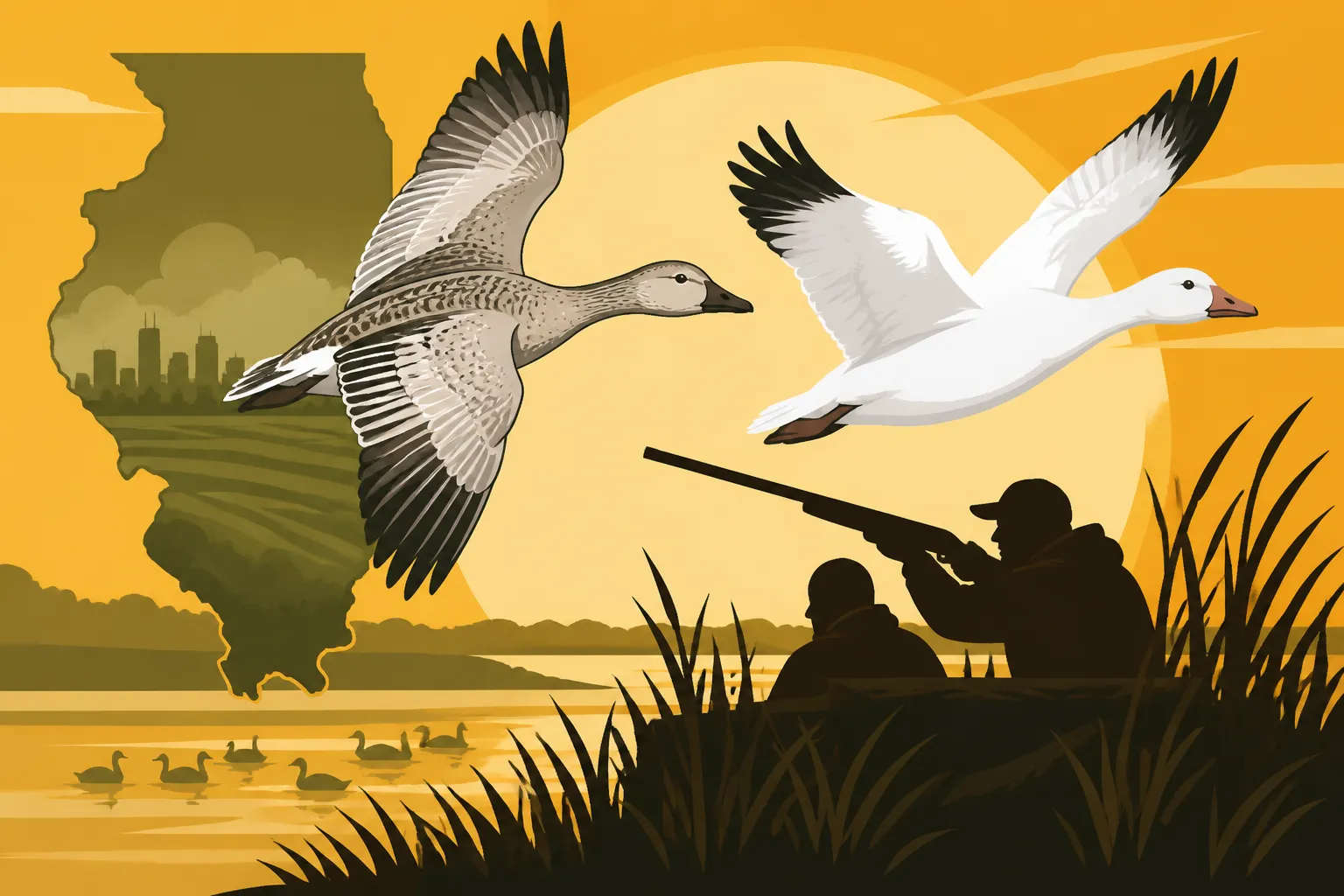
Specklebelly and Snow Goose Guide Services
Few hunts in Illinois are as challenging, yet as rewarding, as pursuing specklebelly and snow geese. These birds operate on an entirely different level than your typical mallard or Canada goose hunt, often leaving even experienced waterfowlers scratching their heads. If you've ever found yourself frustrated by a field full of geese that just wouldn't commit, or tried to set up a snow goose spread only to have them flare at 300 yards, you know the struggle is real. This guide dives deep into what makes these hunts so tough and how dedicated guide services in Illinois can turn those frustrations into unforgettable success stories.
Why Specklebellies and Snow Geese Present Unique Challenges
Hunting specklebellies (greater white-fronted geese) and snow geese (including the smaller Ross's goose) is a world apart from decoying Canada geese or even divers on the river. These birds possess an uncanny intelligence, incredible eyesight, and often travel in such massive numbers that they can be overwhelming to even the most seasoned hunters. The tactics, gear, and sheer effort required to consistently harvest them are why so many hunters eventually turn to professionals.
The Elusive Nature of Specklebellies and Their Preferred Habitats
Specklebellies, affectionately known as "specks," are often considered the connoisseur's goose. They are notoriously wary, incredibly responsive to good calling, but quick to spot anything out of place. Unlike Canada geese that might tolerate a smaller spread and less-than-perfect hide, specks demand perfection. They often fly in smaller, tighter family groups, making them even more sensitive to pressure. They favor agricultural fields, particularly cut corn and bean stubble, but they can be found loafing on large water bodies during the day.
Their flight patterns are often erratic and circuitous as they approach a spread, seemingly testing the waters from every angle. A specklebelly that's been fooled into range is a true trophy, not just for its striking plumage and delicious meat, but for the skill it takes to bring it down. When you hear that distinct, high-pitched "kla-ha" call, your heart rate inevitably jumps. Trying to mimic that perfectly while remaining motionless is an art form in itself.
The Sheer Scale and Extreme Wariness of Snow Geese
Now, if specklebellies are the wary connoisseurs, snow geese are the overwhelming, intelligent hordes. Hunting snow geese, especially during the conservation order, involves a spectacle of thousands, sometimes tens of thousands, of birds moving across the landscape. The sheer numbers alone can be intimidating, but their collective intelligence and incredible eyesight are what truly make them a formidable quarry. They've seen it all, and they learn quickly.
A typical snow goose spread can involve hundreds, or even thousands, of decoys – a mix of full-bodies, silos, and rags – designed to mimic a feeding frenzy. Without a massive, realistic spread, electronic callers blaring, and absolutely perfect concealment, snow geese will often give you a wide berth. They'll drift overhead, pick apart your spread from a safe altitude, and then continue on their way, leaving you with nothing but a crick in your neck and a sense of defeat. This is why a guide's commitment to huge spreads and specialized equipment is often the only way to consistently draw these birds into range.
Beyond a Mallard Spread: Specialized Decoys and Calling Tactics
Forget your standard half-dozen mallard decoys or even a dozen full-body Canada goose decoys. Hunting specks and snows requires specialized equipment that most individual hunters simply don't possess, or don't have the space or budget to acquire. For specklebellies, you might be using realistic full-body decoys with intricate paint schemes, along with specific motion decoys to replicate feeding and loafing birds. The calling is nuanced, often requiring multiple callers to create a convincing conversation.
For snow geese, the game changes dramatically. We're talking about massive spreads of lightweight plastic or fabric decoys, often paired with rotary machines, flyers, and kites that simulate birds landing and feeding. Layout Blind Hunting a Cut Cornfield is a common tactic, but the decoys are just one part. Electronic calls, often custom-tuned and amplified to incredible volumes, are essential to replicate the cacophony of a feeding snow goose flock. These birds are looking for a party, and you have to provide a convincing one to draw them in. The investment in this gear alone is astronomical, which is a big reason why guided hunts are such a draw for these specific species.
What a Dedicated Illinois Goose Guide Brings to Your Hunt
So, what exactly does a professional guide offer that makes these incredibly tough hunts achievable? It's far more than just showing you where to set up. A good guide service is a comprehensive operation, built on years of experience, massive equipment investments, and an intimate understanding of the birds and the land.
Unparalleled Scouting and Field Selection Expertise
This is arguably the most critical advantage a guide provides. Specklebellies and snow geese move constantly, often feeding in one field for a day or two before shifting to another. What was a hot field yesterday might be completely empty today. Guides spend countless hours, often daily, driving hundreds of miles scouting for actively feeding birds. They use binoculars, spotting scopes, and even drones to locate large concentrations of geese and identify their preferred feeding zones.
This relentless scouting means that when you show up for your hunt, you're not guessing. You're heading to a field where birds have been working recently, significantly increasing your chances of success. A guide knows how to read the birds, understand their flight paths, and predict where they'll want to be based on weather, pressure, and food sources. This insider knowledge of local patterns and current conditions is invaluable, saving you days of frustrating, fruitless searching.
The Arsenal of Gear: From Decoys to Electronic Calls
As we touched on, the gear required for effective specklebelly and snow goose hunting is immense. A reputable guide service has already made that massive investment. For snow geese, they'll have literally hundreds, if not thousands, of decoys – full bodies, shells, kites, flyers, and rotary machines – all meticulously maintained and ready to deploy. They'll have top-tier electronic calls, often with multiple speaker setups, programmed with the latest and most effective sounds to draw birds from miles away.
For specklebellies, their spread might be smaller but no less specialized, featuring ultra-realistic full-body decoys and highly tuned calls that can mimic the distinct chatter of these wary geese. Beyond decoys and calls, guides also provide comfortable, well-brushed ground blinds or Layout Blind Hunting an Illinois Farm Field setups that disappear into the field. This means you don't need to own any of this specialized, expensive equipment yourself. You just show up with your shotgun and ammunition, and the guide takes care of the rest.
Navigating Illinois Waterfowl Zones and Migration Dynamics
Illinois sits squarely in the Mississippi Flyway, a critical migration corridor for millions of waterfowl. Understanding the nuances of this flyway, including regional migration patterns, local staging areas, and how various weather fronts influence bird movement, is a guide's bread and butter. They know when the first push of specks typically arrives, when the bulk of the snow geese are likely to descend, and which regions of the state offer the best chances at different times of the season.
Furthermore, guides are well-versed in Illinois's often complex waterfowl hunting regulations, including specific zone boundaries and season dates. Illinois Waterfowl Zones and Seasons can vary significantly, and staying legal while maximizing opportunity is crucial. They know the ins and outs of public versus private land access and can navigate any specific rules that might apply to a particular hunting area, ensuring a smooth and legal hunt. For example, some areas might have specific rules about what type of shot can be used, or restrictions on hunting hours that differ slightly from general state regulations.
Understanding Different Specklebelly and Snow Goose Hunt Types
Not all guided goose hunts are created equal, and understanding the distinctions can help you choose the experience that best fits your expectations and target species. While some outfitters specialize in one or the other, many offer options for both, often depending on migration timing and client preference.
Layout Blind Hunts: Hiding in Plain Sight for Snows
The quintessential snow goose hunting experience often involves layout blinds. Imagine lying flat on your back in a low-profile blind, completely covered with crop stubble, nestled right within a massive spread of decoys. That's the layout blind hunt. These hunts typically take place in vast agricultural fields, particularly after corn or soybean harvest. The guide strategically positions hunters within the decoy spread, ensuring maximum concealment and optimal shooting lanes.
The hunt is dynamic; guides are constantly monitoring the skies, calling on electronic callers, and communicating with the hunters. When a flock commits and starts to drop its feet, the guide will often give a signal, and hunters rise up to shoot. The thrill of thousands of snow geese circling overhead, completely fooled by the massive spread and incessant calling, is an incredible rush. This setup is ideal for larger groups, as the sheer size of the spread and the number of approaching birds make for exciting, fast-paced shooting. Layout Blind Hunting an Illinois Farm Field is a common tactic.
Pit Blind and Natural Cover Hunts for Specklebellies
While snows often require the mobile flexibility of layout blinds, specklebelly hunts can sometimes utilize more traditional setups, especially if targeting smaller groups or mixed bags. Pit blinds, dug into the ground and covered, offer excellent concealment and warmth, making them suitable for longer sits. These might be found on the edge of a field or near a water source that specks frequent.
Alternatively, guides might use natural cover, such as brush lines, fencerows, or strategic patches of standing timber, to hide portable blinds. The key for specks is often patience and precise calling, as they tend to be more deliberate in their approach. Hunters might be in A-frame blinds or even simple camo netting, focusing on calling small groups in close. These hunts often have a more intimate feel, with fewer hunters and a greater emphasis on individual calling prowess from the guide.
Combining Species: The Potential for a Mixed Bag
Many Illinois waterfowl outfitters offer the potential for a mixed bag, especially if you're hunting during peak migration periods when both specklebellies and snow geese might be present. A guide might set up a large snow goose spread with a smaller, distinct pocket of specklebelly decoys on one side. This allows them to effectively target both species. If a large flock of snows appears, the focus shifts to them. If a small group of specks works its way in, the guide can switch calling tactics and attempt to bring them down.
It's important to discuss your primary target species with your guide when booking. If your dream is to harvest a beautiful specklebelly, ensure the outfitter has specific strategies and gear for them. If it's the sheer volume and excitement of snow geese, confirm their capacity for large spreads and electronic calling. Some of the most memorable hunts are those that yield both, giving you a diverse and rewarding experience.
| Feature | Specklebelly Goose Hunt | Snow Goose Hunt |
|---|---|---|
| Typical Decoy Count | 2-5 dozen (highly realistic) | Hundreds to thousands (shells, full bodies, rags, motion) |
| Primary Calling | Mouth calls, nuanced, conversational | Electronic calls (primary), mouth calls (secondary) |
| Common Blind Type | Pit blinds, A-frames, natural cover | Layout blinds, A-frames |
| Flock Size | Small family groups, up to 20-30 | Large to enormous (hundreds to thousands) |
| Waryness | Extremely wary, excellent eyesight | Extremely wary, incredible collective eyesight |
| Typical Habitat | Agricultural fields (corn, beans), loafing on water | Large agricultural fields, shallow water |
| Gear Investment | Significant (high-quality decoys) | Enormous (massive spreads, electronic calls) |
| Conservation Order | No | Yes (during specific periods) |
How to Select a Reputable Illinois Goose Guide Service
Choosing the right guide service is crucial for a successful and enjoyable hunt. With so many options out there, especially in a state renowned for its waterfowl hunting like Illinois, it's easy to get overwhelmed. Doing your homework and asking the right questions can save you a lot of headache and ensure you get the experience you're hoping for.
Researching Outfitters and Client Testimonials
Start your search by looking for outfitters with a solid reputation. Online platforms like BookYourHunt or GoHunt can be excellent starting points, often featuring reviews, photos, and detailed descriptions of services offered. Don't just read the glowing testimonials on an outfitter's own website; dig deeper. Look for independent reviews on forums, social media hunting groups, and other platforms. Pay attention to consistency in positive feedback regarding scouting, gear, guide professionalism, and overall experience.
A guide who has been operating for many years in the same region often has a deeper understanding of the local bird movements and land access. Look for guides who specialize in specklebellies and snow geese, rather than those who just dabble in it. Their dedicated focus usually translates to better equipment, more intensive scouting, and more refined tactics. Also, check to see if they are part of any professional hunting associations, which can sometimes indicate a commitment to ethical practices and industry standards.
Deciphering Guide Packages, Costs, and Inclusions
Guided hunts can vary widely in what they offer, and the cost structure can be confusing. Be sure to get a clear understanding of what's included in the package price. Does it cover just the hunt itself, or does it include meals, lodging, bird processing, or even transportation from a local airport? Some "all-inclusive" packages might offer a seamless experience from arrival to departure, while others are strictly "day rates" for the hunt itself.
Ask about the typical group size for the hunt. Are you booking a private hunt, or will you be joined by other hunters? For snow geese, larger groups are common and can be part of the fun, but for specks, a smaller, more intimate group might be preferred by some. Understand the total number of hunting days and hours per day. Some hunts are half-day, while others might run from before dawn until late morning or even into the afternoon if birds are moving well. Don't be shy about asking for a detailed breakdown of costs to avoid any surprises down the line.
Key Questions to Ask Before You Book
Before you put down a deposit, have a frank conversation with the outfitter. Here are some essential questions:
- What are your typical success rates for specklebellies/snow geese? Be realistic; hunting is never guaranteed, but an honest answer gives you an idea of their consistency.
- How many days a week do your guides scout? This is a huge indicator of their commitment to finding birds.
- What kind of gear do you use? Ask about decoy numbers, types of blinds, and electronic calling systems.
- What happens if the weather is terrible or the birds aren't flying? Understand their cancellation or rescheduling policy. Is your deposit refundable or transferable?
- What shot size and gauge do you recommend? Different birds and setups might favor specific ammunition.
- What are the average shots like? This helps you prepare and practice appropriately.
- Are there any additional costs I should anticipate? (e.g., gratuities for guides, bird processing, licenses).
- Can you provide references from past clients? A reputable guide should be happy to provide contact information for a few previous hunters.
Preparing for and Maximizing Your Guided Goose Hunting Adventure
Booking a guided hunt is a significant investment, and you want to make the most of it. Proper preparation, understanding the dynamics of a guided trip, and knowing how to handle your harvest will ensure a rewarding experience from start to finish.
Essential Gear and Personal Preparation Tips
While the guide provides the major equipment, you still have some essential items to bring:
- Shotgun: A reliable 12-gauge or 10-gauge is usually preferred, capable of handling 3-inch or 3.5-inch shells. Make sure it's clean and patterned for goose loads.
- Ammunition: Bring plenty! Goose hunting can be fast-paced, and you don't want to run out. Use high-quality, dense loads of non-toxic shot (e.g., bismuth or tungsten-based) in sizes like BB, 1, or 2 for specklebellies, and BB, BBB, or T for snow geese.
- Clothing: Dress in layers for variable Illinois weather. Good quality camouflage (typically patterns designed for agricultural fields like corn or stubble) is essential. Waterproof outer layers are a must, as conditions can change rapidly. Don't forget warm gloves, a hat, and waterproof boots.
- License and Stamps: Ensure you have all necessary Illinois Hunting Licenses and What They Cost, including your Illinois hunting license, state habitat stamp, and federal waterfowl stamp (if required for your hunt type). For migratory birds, you'll also need HIP (Harvest Information Program) certification. Illinois Migratory Bird Certification is a must.
- Other Essentials: A headlamp or flashlight for early morning setup, snacks, water, a comfortable blind bag, and eye/ear protection are critical.
Physically prepare for the hunt as well. While many hunts involve sitting, getting in and out of blinds, carrying gear, and walking across muddy fields can be strenuous. Being in decent physical shape will make the experience much more enjoyable.
Field Etiquette and Working as a Team
Remember that you are part of a team on a guided hunt. Your guide has put in immense effort, and your cooperation is vital for success.
- Listen to your guide: They are the expert. Follow their instructions on when to call, when to shoot, and how to remain concealed.
- Be on time: Punctuality is paramount. Being late can disrupt the entire day's scouting and setup.
- Stay hidden: Concealment is key for these wary birds. Remain still and quiet in your blind until the guide gives the command. Fidgeting or peeking out can flare birds.
- Call your shots: Communicate with your fellow hunters. If you shoot at a bird, call out "my bird" to avoid confusion and wasted shots.
- Be safe: Always follow strict firearm safety rules. Muzzles pointed in safe directions, safeties on until ready to shoot, and clear understanding of shooting lanes are non-negotiable.
- Help out: Offer to help with setting up or picking up decoys, especially if it's a large snow goose spread. A little extra effort goes a long way and is always appreciated by your guide.
Handling Your Harvest: From Field to Freezer
Once the shooting is done and the birds are retrieved, your guide will typically assist with collecting and counting the birds. Understand the bag limits and ensure you stay within them. Many guides will help you clean your birds or direct you to a local processor. If you're traveling a distance, consider bringing a cooler with ice to keep your birds fresh for the journey home.
If you're interested in taxidermy for a particularly beautiful specklebelly or a unique snow goose, discuss this with your guide beforehand. They can often provide advice on field dressing for taxidermy and might even have connections with local taxidermists. Ensure you follow all regulations regarding bird tagging and transportation, especially if you're crossing state lines. Shipping Game Meat Home After an Illinois Hunt might be an option with some processors or outfitters. The delicious meat of these birds is a fantastic bonus to a successful hunt, so proper care in the field ensures a great meal later on.
Disclaimer
This article is for general informational purposes only and does not constitute professional advice. Laws, prices and regulations vary by location and change over time. Consult a qualified professional for guidance on your specific situation.