What Cancellation Insurance Covers on a Hunt
You've poured your heart, soul, and hard-earned cash into planning that dream Illinois hunting trip—whether it's chasing trophy whitetails in Pike County or calling gobblers in the Shawnee Hills. The thought of all that effort, the deposits, and the excitement vanishing due to an unexpected curveball is a real gut punch. This guide dives deep into what hunt cancellation insurance actually covers, so you can protect your investment and hunt with peace of mind, knowing you're prepared for the unpredictable.
The Unpredictable Nature of Hunting Plans
Let's face it, life throws wrenches when you least expect them. You could have your Average Cost of a Guided Illinois Deer Hunt saved up, your tags in hand, and your calendar cleared, only for something completely outside your control to jeopardize everything. The sheer frustration of losing deposits and missing out on an experience you've anticipated for months, or even years, is a burden no hunter wants to bear.
Personal Emergencies and Health Setbacks
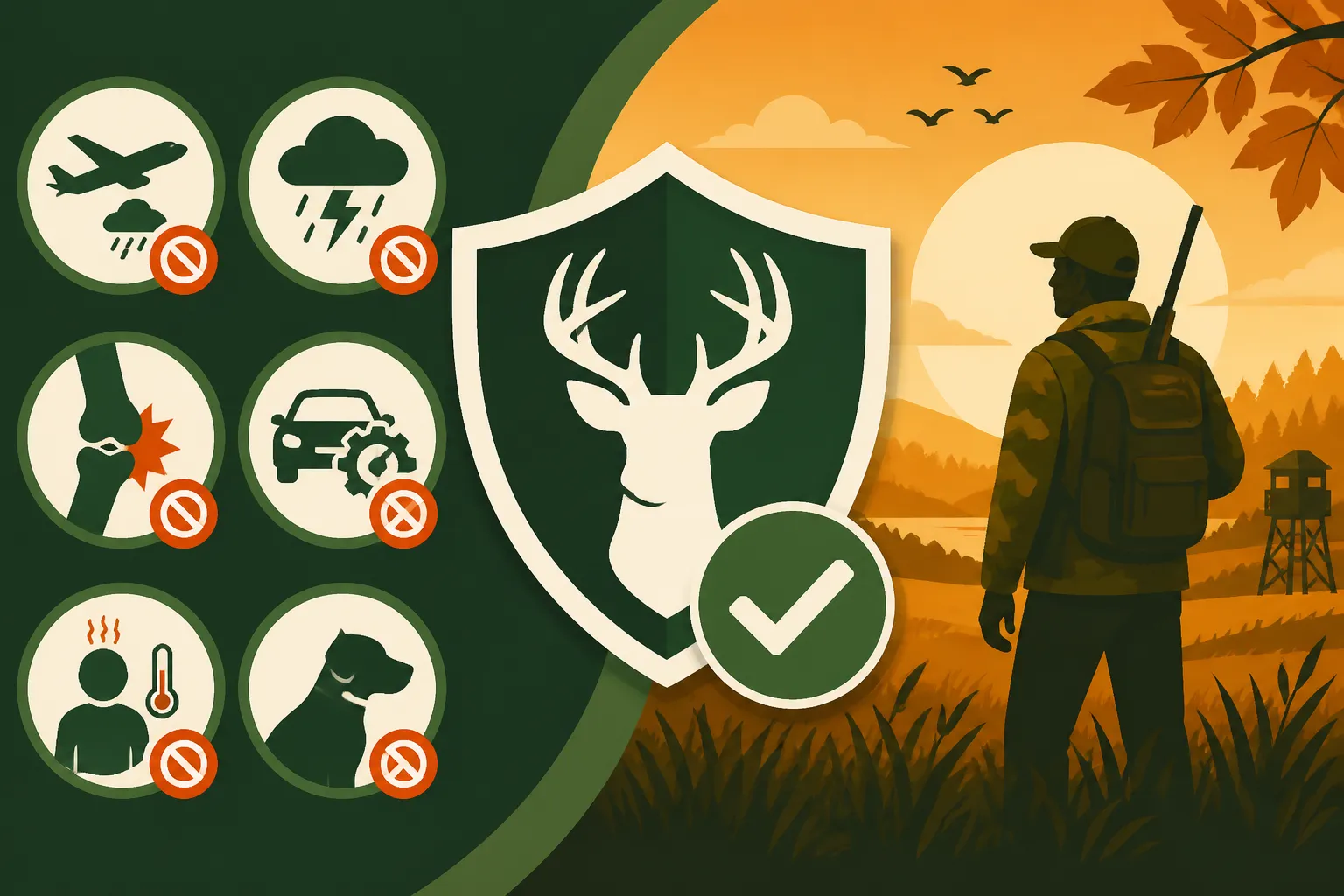
One of the most common reasons hunters have to cancel is a personal emergency. Imagine you're just weeks out from your archery hunt, and suddenly you or a close family member falls ill or has an accident. It's not just about losing the money you've put down; it's the emotional weight of missing out on a cherished tradition or a once-in-a-lifetime opportunity. A broken ankle, a sudden severe illness, or even a critical family event like a funeral can halt your plans instantly. The idea of forfeiting your entire What an Illinois Deer Hunt Package Includes due to circumstances beyond your control is truly disheartening.
It's not uncommon to hear stories of hunters who had to abandon their trips because their child unexpectedly needed surgery, or an aging parent required immediate care. These aren't just inconveniences; they're life-altering events that rightly take precedence over any hunt. Without cancellation insurance, not only do you deal with the stress of the emergency, but you also bear the full financial brunt of the trip you couldn't take.
Unforeseen Travel Complications
Getting to your hunting destination, especially if you're coming from out of state to places like Illinois, can be an adventure in itself, but sometimes not the good kind. Picture this: you've finally secured that coveted permit for Hunting the Illinois Rut in Early November, packed your gear, and arrived at the airport only to find your flight is canceled due to a massive winter storm. Or perhaps your vehicle breaks down hundreds of miles from your destination, making it impossible to reach your Booking a Pike County Whitetail Outfitter lodge on time.
These travel mishaps are more than just delays; they can completely derail a short hunting window. Lost luggage containing essential hunting gear, severe traffic accidents, or even public transportation strikes can mean the difference between making it to camp and watching your hunting days tick by from a hotel room. Travel insurance, often a component of hunt cancellation policies, specifically addresses these logistical nightmares, offering reimbursement for non-refundable expenses and even covering costs for alternative travel arrangements.
Weather and Environmental Disruptions
Weather is the ultimate wild card in hunting. While a little rain or snow is part of the experience, extreme conditions can lead to serious disruptions. Consider a severe drought that dries up water sources and scatters game, making your waterfowl hunt impossible. Or an unseasonably warm stretch in December that makes Hunting the Late-Season December Lull incredibly difficult, melting snow and keeping deer nocturnal, even if you managed to Sitting a Field Edge in Late Season.
Natural disasters like floods, wildfires, or blizzards can close entire hunting areas, making access impossible or unsafe. If your guided hunt relies on specific conditions, such as frozen marshes for duck hunting or snow cover for tracking, and those conditions don't materialize, you could be out of luck and out of pocket. Many outfitters have strict policies regarding weather, and while they might offer a rebooking, it doesn't always cover your travel expenses or the lost time.
What Cancellation Insurance Typically Covers
Understanding what your cancellation insurance actually protects you from is key. It's not just a blanket "get your money back" card, but rather a targeted shield against specific, often unavoidable, circumstances.
Trip Cancellation and Interruption
This is the core of most hunt insurance policies and often the reason hunters seek it out. Trip cancellation coverage kicks in before your trip even starts if you have to call it off for a covered reason. This means if you break your leg a week before your hunt, or a sudden, severe illness prevents you from traveling, you can be reimbursed for non-refundable deposits, outfitter fees, and even airline tickets. It's designed to protect the significant upfront investment you make in your hunt.
Trip interruption, on the other hand, comes into play after your trip has begun. Let's say you're a few days into your Illinois Muzzleloader-Only Season Dates hunt, and a family emergency requires you to return home immediately. Trip interruption coverage can reimburse you for the unused portion of your trip and cover the cost of getting back home early. It's about providing a safety net when the unexpected cuts your adventure short, ensuring that your financial loss is minimized even if your hunting experience is truncated.
Medical Emergencies During the Hunt
Hunting, especially in rugged Illinois terrain like the Shawnee National Forest, carries inherent risks. Accidents happen, whether it's a fall from a treestand while Hanging a Stand on a Southern Illinois Ridge, an unexpected allergic reaction, or a sudden medical emergency like a heart attack far from definitive care. This is where medical emergency coverage within your insurance policy becomes invaluable.
It can cover emergency medical treatment, hospital stays, and even emergency evacuation if you're in a remote area and need specialized transport. Many standard health insurance policies might have limited coverage, or even none, once you're out of network or a certain distance from home. For a nonresident hunter, especially, this can be a huge relief. Think about the peace of mind knowing that if something goes wrong physically, your medical costs won't completely devastate your finances on top of the trauma of the event.
Gear Protection and Loss
You invest a lot in your hunting gear—your rifle, bow, optics, specialized clothing, and camping equipment. The thought of losing or damaging these items, particularly during travel, is enough to make any hunter wince. Cancellation insurance often includes provisions for lost, stolen, or damaged gear.
This can cover anything from a broken scope during transit to a lost bag at the airport or even theft from a vehicle at a trailhead. While it won't replace the sentimental value of a family heirloom rifle, it can certainly help you replace the financial cost of expensive equipment. Some policies might even cover rental equipment if your gear is delayed and you need it for your hunt. When you consider the cost of a good rifle, a top-tier bow, or high-quality optics, this coverage can be a significant benefit, especially if you're traveling a long distance to hunt.
Understanding Policy Nuances and Exclusions
Just like reading the fine print on a Illinois Resident License Options or understanding zone boundaries, knowing what your hunt cancellation policy doesn't cover is just as important as knowing what it does. Don't let assumptions lead to disappointment. Red Flags When Booking in Illinois often include an outfitter not being transparent about their own cancellation policy, making insurance even more critical.
Pre-Existing Conditions and Waiting Periods
A common exclusion in many insurance policies relates to pre-existing medical conditions. If you or a family member whose health could impact your trip has a medical condition that existed before you purchased the policy, it might not be covered unless certain conditions are met, such as purchasing the policy very soon after your initial trip deposit. Always declare any such conditions when applying.
Similarly, waiting periods are standard. You can't just buy a policy the day before your trip because you suddenly feel a cold coming on. Most policies require you to purchase them a certain number of days or weeks before your departure date or within a short window after making your first trip deposit. This prevents people from buying insurance only when they foresee an immediate problem, ensuring fairness for all policyholders. Always check these crucial dates when comparing policies, as noted by resources like BookYourHunt which often guide clients on comprehensive trip planning.
"Cancel For Any Reason" (CFAR) – A Different Beast
While most standard cancellation policies only cover specific, listed reasons (illness, accident, natural disaster, etc.), "Cancel For Any Reason" (CFAR) coverage is exactly what it sounds like. This is a specialized, usually more expensive, upgrade that allows you to cancel your trip for any reason—even if you simply change your mind, decide the weather looks bad, or find a better opportunity.
However, CFAR policies typically don't reimburse 100% of your costs; often, they'll cover 50-75% of your non-refundable expenses. They also usually have stricter purchase deadlines, often requiring you to buy the policy within 10-21 days of your initial trip deposit and cover the full cost of your trip well in advance. If you're planning a truly once-in-a-lifetime hunt, or you just have a lot of variables in your life, CFAR might be worth the extra cost for the ultimate peace of mind.
Specific Hunting-Related Exclusions
It’s crucial to understand that hunt cancellation insurance generally doesn't cover things like "poor hunting conditions," "not seeing game," or "failing to harvest an animal." The insurance is designed to protect your ability to go on the hunt, not the success of the hunt itself. So, if you arrive for your Pheasant Hunting Illinois Farmland trip and the pheasant numbers are lower than expected, that's not typically a covered reason for cancellation or interruption.
Likewise, if you book a trophy deer hunt and don't see the caliber of bucks you were hoping for, or if you miss your shot, those are inherent risks of hunting and not something insurance will cover. The policy protects against the human element of unforeseen circumstances, not the unpredictability of wildlife or the vagaries of hunting itself. Always clarify these points when you're reviewing Questions to Ask Before Booking an Illinois Hunt with your outfitter and your insurance provider.
Choosing the Right Policy for Your Illinois Hunt
Selecting the correct hunt cancellation insurance policy for your Illinois adventure requires a bit of homework. It’s not a one-size-fits-all solution, and what works for a quick weekend trip might not be adequate for a week-long, high-investment guided hunt. This careful consideration ensures you get the most out of your purchase.
Comparing Providers and Coverage Levels
There are many insurance providers out there, and comparing their offerings is crucial. Some might specialize in adventure travel, which could be a good fit for hunting trips, while others offer more general trip insurance. Look beyond the basic cancellation coverage. Does it include emergency medical evacuation? What are the limits for lost gear? Are there specific provisions for hunting equipment?
Some policies might have lower premiums but higher deductibles, or vice versa. Read reviews, check ratings, and don't hesitate to call the insurance providers directly to ask specific questions about hunting trips. Sites like GoHunt, which often have sections dedicated to planning and logistics, sometimes offer insights or partnerships that can guide you to reputable providers. Understanding the nuances of each policy will help you avoid unwelcome surprises should you need to file a claim.
When to Purchase and Key Information to Provide
Timing is everything when it comes to purchasing trip insurance. As mentioned earlier, many policies, especially those covering pre-existing conditions or offering CFAR, require you to buy the insurance within a narrow window—often 10-21 days—of your initial trip deposit. Missing this window can significantly impact your coverage options. Don't wait until the last minute, or you might find yourself with limited, or no, suitable options.
When you purchase a policy, be prepared to provide detailed information about your trip, including the total cost of your hunt (deposits, outfitter fees, permits, travel, etc.), your health history, and that of any family members whose well-being might affect your ability to travel. Be honest and thorough; misrepresenting information can void your policy when you need it most. Keep all your booking confirmations, invoices, and payment records organized, as you’ll need them if you ever have to file a claim. This diligence is part of ensuring you’re fully covered for your Illinois hunting experience.
Navigating Hunt Cancellation Insurance: A Quick Reference
| Coverage Type | What It Generally Covers | Common Exclusions/Limitations |
|---|---|---|
| Trip Cancellation | Non-refundable costs if you cancel before departure due to covered reasons (e.g., severe illness, injury, natural disaster, unexpected job loss). | Pre-existing conditions (unless waiver applies), simply changing your mind, poor hunting conditions, missed flight due to personal negligence. |
| Trip Interruption | Unused portion of trip costs & additional travel expenses if you must return home during the hunt due to covered reasons. | Same as Trip Cancellation, plus voluntary departure for non-covered reasons. |
| Emergency Medical | Hospital stays, doctor visits, prescription medications for unexpected illness/injury during the hunt. | Routine check-ups, cosmetic procedures, pre-existing conditions (unless specific waiver), injuries from illegal activities. |
| Medical Evacuation | Costs for emergency transport to the nearest appropriate medical facility or back home. | Non-emergency transport, transport against medical advice, pre-existing conditions (unless specific waiver). |
| Baggage & Gear Loss | Reimbursement for lost, stolen, or damaged personal belongings, including hunting gear. | Normal wear and tear, items left unattended, losses due to airline negligence (airline's responsibility). |
| "Cancel For Any Reason" (CFAR) | Partial reimbursement (typically 50-75%) for cancellation for any reason, not just those listed in the policy. | Not 100% reimbursement, strict purchase deadlines (often within 10-21 days of initial deposit), usually higher premium. |
Planning a hunting trip to Illinois is a significant commitment of time, energy, and money. Whether you're making Deposits and Cancellation Terms in Illinois with an outfitter, applying for Booking a Nonresident Archery Permit Through a Guide, or simply organizing a DIY adventure, unforeseen circumstances can always pop up. Investing in hunt cancellation insurance is a smart way to protect that investment and ensure that, even if you can't make the trip, you're not left completely in the lurch. It provides a vital layer of security, offering peace of mind so you can focus on the anticipation of the hunt, not the anxiety of "what if."
Disclaimer
This article is for general informational purposes only and does not constitute professional advice. Laws, prices and regulations vary by location and change over time. Consult a qualified professional for guidance on your specific situation.