Mississippi River Public Hunting Access
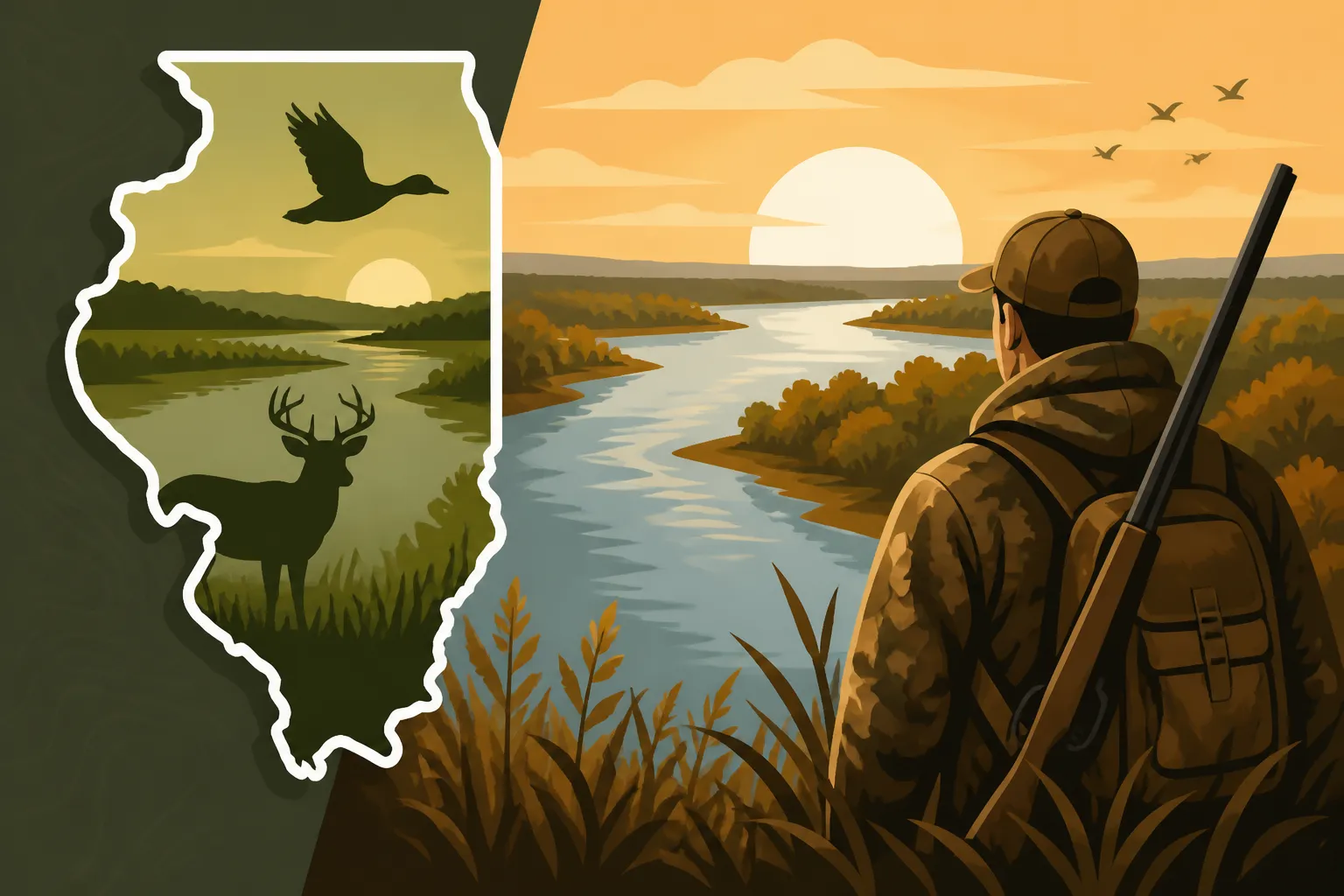
The mighty Mississippi River, a true lifeblood of our continent, carves out the western border of Illinois, offering a unique and often overlooked frontier for public land hunters. While the sheer scale and ever-changing nature of this vast waterway can feel intimidating, there are incredible opportunities for those willing to learn its rhythms. This guide will cut through the uncertainty, revealing the diverse public hunting access points and specific strategies you can employ to successfully pursue game along the legendary Mississippi.
The Allure of the Mississippi: A Hunter's Frontier
There's something truly special about hunting along the Mississippi River. It's a place where history runs deep, and the landscape is constantly shifting, shaped by the powerful currents and seasonal floods. For hunters, this means a dynamic environment teeming with wildlife, from migrating waterfowl to robust deer herds that thrive in the rich bottomlands. However, this unique environment also presents challenges, such as navigating ever-changing water levels, understanding complex land ownership, and dealing with potentially higher hunting pressure in certain areas. It's not a static woodlot; it's a living, breathing system that demands respect and careful preparation.
Understanding the River's Dynamic Ecosystem
The Mississippi River is more than just a channel of water; it's an intricate web of habitats. You'll find a mosaic of backwater sloughs, expansive floodplain forests, towering bluffs, and countless islands that appear and disappear with the water levels. This incredible biodiversity supports a wide array of game species, making it a truly remarkable place to hunt. The flow of the river itself dictates much of what you'll encounter, influencing everything from deer movement to where ducks decide to rest and feed. A successful river hunter learns to "read" the water and the land as one interconnected system.
Imagine standing on a cold, crisp November morning, watching the fog lift off a quiet backwater slough. Mallards and pintails are circling, scouting for a safe place to land. Or perhaps you're still-hunting through a mature oak bottomland in late archery season, knowing that a big river buck could be just over the next rise, drawn to the abundance of mast crops. The river’s bounty is vast, but it doesn't give up its secrets easily. Understanding these micro-environments and how they interact with the main channel is crucial for consistently finding game.
Why the Mississippi Offers Unique Hunting Opportunities
Unlike inland public lands that might be more uniform, the Mississippi River corridor provides an incredible diversity of hunting experiences. You can chase ducks and geese in flooded timber or open fields, track deer through dense river-bottom hardwoods, or pursue small game in brushy areas along the banks. The sheer linear distance of the river also means there are countless pockets of public access, often less pressured than more well-known inland sites. For the adventurous hunter, it's a chance to explore vast, wild landscapes that often feel untouched, even when they're technically public land.
The river's role as a major migratory flyway for waterfowl is unparalleled. Millions of ducks and geese utilize the Mississippi corridor each fall and spring, making it a prime destination for waterfowlers. Beyond birds, the dense cover and abundant food sources in the floodplain forests create ideal habitat for white-tailed deer, often growing to impressive sizes. Even species like squirrel and rabbit thrive in these environments. The challenge lies in pinpointing these opportunities and knowing how to access them safely and legally.
Navigating Public Access Points Along the River
Finding public hunting land along the Mississippi River isn't always as simple as pulling up a map and seeing a solid block of green. The river corridor is a patchwork of federal, state, and sometimes even county-managed properties, each with its own set of rules and access considerations. It requires a bit of homework, but the rewards are well worth the effort. Think of it as piecing together a puzzle, where each piece represents a potential hunting spot.
Federally Managed National Wildlife Refuges
Several National Wildlife Refuges (NWRs) dot the Illinois side of the Mississippi River, managed by the U.S. Fish and Wildlife Service. These refuges, such as Crab Orchard National Wildlife Refuge and Cypress Creek National Wildlife Refuge, are critical for migratory birds and often offer excellent hunting opportunities for various species. However, each refuge typically has specific hunting units, regulations, and sometimes even permit lotteries or sign-in requirements that differ from general state regulations. It's absolutely vital to check the specific refuge's website for their current hunting plan and rules before you even think about showing up.
Access to these refuges can range from well-marked parking areas to remote boat-in only sections. Some areas might have seasonal closures to protect nesting birds or provide undisturbed roosting areas. Don't assume that because it's federal land, all federal land rules apply universally. Each NWR is its own entity with detailed guidelines. I always recommend printing out a map of the specific unit you plan to hunt and marking your entry and exit points, especially if you're exploring a new area.
State Fish and Wildlife Areas (FWAs)
The Illinois Department of Natural Resources (IDNR) also manages numerous State Fish and Wildlife Areas (FWAs) along the Mississippi River. These areas are generally more aligned with standard state hunting regulations but can still have site-specific rules regarding access, weapon types, and harvest reporting. Places like Mississippi River State Fish and Wildlife Area (which isn't one continuous block, but a collection of units spanning several counties) offer diverse habitat types and game. You might find areas designated for waterfowl hunting with established blinds, or timber tracts perfect for deer.
Similar to the federal refuges, checking the IDNR's site-specific regulations for each FWA is paramount. The IDNR website often provides maps and detailed rule summaries. Some FWAs might have special lottery hunts for deer or require daily check-in/check-out procedures for all game harvested. For a comprehensive overview, I often use mapping tools like onX Hunt to layer public land boundaries with satellite imagery, helping me visualize access roads, timber blocks, and potential pinch points. This can be invaluable for Scouting Illinois Public Land Before Season.
Boat Ramps and River Access Points
For many, the true key to unlocking Mississippi River hunting lies in boat access. The river's vastness and the numerous islands, backwaters, and remote bottomlands are often inaccessible by foot or vehicle. Public boat ramps are scattered along the river, providing launch points into these prime hunting grounds. Some of these are managed by the IDNR, others by local municipalities, and some might even be unofficial but commonly used spots. Having a reliable boat, especially one capable of handling current and shallow water, significantly expands your options.
When considering boat access, always be mindful of river conditions. High water can flood roads and make navigating tricky, while low water can expose sandbars and create dangerous shallow spots. Always wear a life vest, especially during colder months, and let someone know your float plan. Remember, just because you can launch a boat doesn't mean the entire river is huntable public land. Always use your onX Hunt or GoHunt apps to verify land ownership as you navigate, ensuring you stay on public ground or have permission for any private parcels. This is especially true for the myriad of islands and sandbars; some are public, some private.
Here's a quick comparison of common public land types along the Mississippi:
| Access Type | Management Agency | Typical Regulations | Primary Advantages | Potential Challenges |
|---|---|---|---|---|
| National Wildlife Refuges | U.S. Fish & Wildlife Svc | Site-specific, often complex, special permits may apply | Critical habitat, often excellent waterfowl & deer, diverse species | Complex rules, limited access, potential lotteries |
| State Fish & Wildlife Areas | IL Dept. of Natural Res. | Site-specific, generally align with state regs | Variety of game, good infrastructure, less complex than refuges | Can be higher pressure, check-in requirements |
| Public Boat Access/Islands | Various (State, Local) | General state regs apply, verify ownership | Access to remote areas, less pressure, flexibility | Water navigation skills, verifying boundaries |
Key Game Species and Seasons on the Mississippi
The Mississippi River corridor supports a diverse range of game, making it a year-round destination for hunters. However, knowing what to pursue and when is crucial for success, as the river's dynamic nature influences game movement and availability. From the thunder of a gobbler in the spring to the whistling wings of ducks in the fall, the Mississippi offers thrilling opportunities.
Waterfowl Migration Superhighway
Without a doubt, the Mississippi River is a world-class waterfowl destination. Lying directly on the Mississippi Flyway, the river hosts millions of migrating ducks and geese each fall. Species like mallards, pintails, gadwalls, teal, and a variety of diving ducks utilize the main river, its backwaters, and adjacent agricultural fields. Canada geese are abundant, and specklebellies and snow geese can offer additional opportunities, especially in the central and southern portions of the state. Understanding Illinois Waterfowl Zones and Seasons is paramount, as the river often straddles or is near different zone boundaries, and season dates can vary.
Hunting ducks and geese on the Mississippi often involves boats, decoys, and blinds. Whether you're hunting a flooded timber hole, setting up on a sandbar in the main channel, or layout blind hunting a cut cornfield that ducks are hitting, the logistical challenges are unique. Early season can be great for wood ducks and teal in the flooded timber, while colder weather brings in the big pushes of mallards and divers. Learning to call and set up decoys effectively in these diverse environments is a lifelong endeavor, but the rewards of a successful river hunt are immense. Hunting the Mississippi River Backwaters is a popular tactic for many waterfowlers seeking calmer waters away from the main current.
Deer in the River Bottoms and Bluffs
The expansive bottomland forests and steep bluffs along the Mississippi River provide incredible habitat for white-tailed deer. These areas offer dense cover, abundant food sources like acorns and browse, and relative sanctuary from human disturbance, especially in remote public sections. River bucks often grow large, with plenty of age to them, due to the excellent nutrition and cover. Archery hunting during the rut can be particularly productive, as bucks are on the move searching for does. Hunting the Rut in Early November is a prime time to be in a treestand overlooking a timbered funnel or a well-used trail in these river environments.
During firearm seasons, these river bottom areas can also be excellent, though pressure can be higher. Deer will often use the thick cover of river islands or dense tangles along the banks as escape routes. Knowing how to Reading Aerial Photos for Southern Illinois Deer can help you pinpoint bedding areas, travel corridors, and potential stand sites, even in seemingly vast and featureless bottomlands. The key to success is often getting away from easy access points and being willing to navigate the challenging terrain, including crossing sloughs or pushing through thick river cane.
Small Game and Other Opportunities
Beyond deer and waterfowl, the Mississippi River corridor offers surprisingly good small game hunting. Squirrels, particularly fox and gray squirrels, thrive in the mature hardwood forests, especially in areas with abundant oak and hickory. Rabbit populations can be strong in brushy fencerows, thickets, and overgrown clearings along the riverbanks. These opportunities often provide a great way to introduce new hunters to the field or simply enjoy a less intense day of hunting during the quieter periods of the season.
Coyotes are also prevalent along the river, drawn by the abundant prey species. Predator hunting can be a year-round pursuit, and the diverse terrain—from open fields to dense timber—offers varied calling setups. While less common, feral hogs have also been sighted in some extreme southern Illinois counties adjacent to the Mississippi, though their presence is usually sporadic. Always be aware of local regulations for all species, as special permits or restrictions might apply to particular public sites.
Essential Gear and Tactics for River Hunting
Hunting the Mississippi River is a different beast than hunting a typical inland woodlot or farm field. The environment demands specific gear, a good understanding of river dynamics, and a flexible approach. Being prepared for anything is the unofficial motto of a successful river hunter.
Decoy Spreads and Blind Setups for Waterfowl
When it comes to waterfowl, your setup can make or break your hunt. On the Mississippi, this often means adapting to varying water levels and current. For backwater sloughs or flooded timber, natural blinds woven into the vegetation or portable panel blinds can be highly effective. In more open water or on sandbars, layout blinds or even simple camo netting draped over driftwood can work, provided your boat is well-hidden. Your decoy spread needs to be realistic and responsive to the conditions. Large spreads tend to draw attention, but sometimes a small, realistic spread of half a dozen decoys in a quiet eddy is all it takes.
Understanding the wind and sun is critical for decoy placement. Ducks and geese typically land into the wind, so position your blinds downwind of your decoys. Also, be mindful of the sun's glare, ensuring it's not directly in your eyes when birds are working. For hunting Illinois River Valley Diving Ducks, you'll often see hunters using diver rigs set in deeper water, while mallards in the backwaters might respond better to a puddle duck spread with motion decoys. Don't be afraid to experiment; what worked yesterday might not work today due to changing conditions.
Navigating by Boat and Understanding Water Levels
A reliable boat is almost non-negotiable for serious Mississippi River hunting. Flat-bottom jon boats, often outfitted with mud motors, are popular for their ability to navigate shallow backwaters and stump fields. Larger V-hull boats might be necessary for crossing the main channel safely in rougher conditions. Regardless of your vessel, ensure it's properly equipped with safety gear, including enough life vests for everyone, navigation lights, a bilge pump, and a fully charged battery. A shallow-water anchor system can be a lifesaver for holding position in current or while setting decoys.
Constantly monitor river levels and forecasts. The Mississippi can rise or fall several feet in a matter of days, completely changing access points, flooding new areas, or stranding boats on drying mudflats. The Army Corps of Engineers websites often provide real-time river stage data, which can be invaluable for planning. Always keep an eye on floating debris in the main channel, especially after heavy rains upstream, as it can pose a significant hazard to boats.
Scouting River Features and Deer Sign
Scouting is paramount for deer hunting along the Mississippi. Even though the landscape is dynamic, deer still follow predictable patterns related to cover, food, and security. Look for high ground that remains dry during minor floods, as these "islands" become natural staging and bedding areas. Funnels created by sloughs, timber edges, or subtle elevation changes are classic stand locations. Fresh rubs and scrapes, especially along old logging roads or trails, are clear indicators of buck activity.
Pre-season scouting involves a lot of walking, looking for trails, mast crops, and bedding areas. Post-season is also a great time to find Where Shawnee National Forest Bucks Bed (a similar topography to some river bluffs), as you can observe deer sign without fear of disturbing game. Utilize mapping apps like onX Hunt to drop pins on promising spots, identify property lines, and plan silent entry and exit routes. Pay close attention to wind direction, as the river valley can create unique thermal drafts, especially in the mornings and evenings.
Permits, Regulations, and Safety Considerations
Hunting the Mississippi River, with its complex land ownership and dynamic environment, requires a thorough understanding of permits, regulations, and safety protocols. Ignoring these can not only ruin your hunt but also put you in legal jeopardy or, more importantly, put your life at risk.
Understanding River Zone Considerations
Illinois is divided into various hunting zones for different species, particularly waterfowl. For deer, the state typically operates on a county-by-county permit system. The Mississippi River, being a border, means you need to be acutely aware of which specific zone or county you are in and ensure your permits and season dates align. For instance, Illinois Waterfowl Zones and Seasons delineate specific opening and closing dates and bag limits that can vary by region. If you're near a zone boundary, double-check to avoid any accidental violations.
It's not uncommon for hunters to accidentally cross into different jurisdictions, or even into Iowa or Missouri waters, without realizing it. Always have a reliable GPS or mapping app like GoHunt that clearly shows state lines and zone boundaries. Ignorance of the law is never an excuse, and river patrol officers are well-versed in enforcing these distinctions. Getting caught with the wrong stamp or hunting in a closed season can lead to significant fines and loss of hunting privileges.
Site-Specific Rules and Permit Requirements
As mentioned earlier, federal refuges and state FWAs along the Mississippi almost always have site-specific regulations that supersede general statewide rules. These might include:
- Mandatory check-in/check-out: Some sites require hunters to register their presence and report their harvest.
- Limited weapon types: Certain areas might restrict legal firearms or archery equipment.
- Permit lotteries: Popular sites often allocate hunting opportunities through a drawing.
- Specific hunting hours: Hours might differ from statewide regulations.
- Non-toxic shot requirements: Many waterfowl areas and some upland sites mandate non-toxic shot.
- Restrictions on stands or blinds: Permanent blinds might be prohibited, or temporary blinds might need to be removed daily.
Always consult the individual site's regulations before heading out. A quick call to the site office or checking the IDNR website for that specific FWA can save you a lot of grief. For example, Illinois Site Permit Application Process is something you might need to navigate for certain popular public lands. Don't assume anything; confirm everything.
River Safety: A Top Priority
Hunting on or near the Mississippi River introduces a unique set of safety concerns beyond typical land hunting. The sheer power of the current, unpredictable water levels, hidden debris, and extreme weather can turn a pleasant outing into a dangerous situation quickly.
- Boating Safety: Always wear a life vest, especially in cold weather. Never overload your boat. Be aware of commercial barge traffic and give them a wide berth; they cannot stop or turn quickly. Have emergency supplies, including a first-aid kit, flashlight, extra fuel, and communication device.
- Wading/Crossing: Never wade into unknown depths or currents. Bottoms can be soft and treacherous.
- Weather: River weather can change rapidly. Fog can roll in thick and fast, reducing visibility to zero. Storms can bring high winds and dangerous waves. Check the forecast before you leave and be prepared to cut your hunt short if conditions deteriorate.
- Cold Water: Falling into cold river water can lead to hypothermia rapidly. Dress in layers, including waterproof outer layers, and consider a "survival suit" or float coat in very cold conditions.
- Communication: Cell service can be spotty in remote river bottoms. Carry a satellite messenger or two-way radio if venturing far from civilization, and always let someone know your hunting plan, including your expected return time and exact location.
Maximizing Your Success on Mississippi River Public Lands
Hunting the Mississippi River isn't just about showing up; it's about preparation, adaptability, and understanding the nuances of this incredible waterway. To truly unlock its potential, you need to employ smart strategies that go beyond basic hunting tactics.
Reading River Flow and Water Levels
The Mississippi is a river of constant change, and mastering how to read its flow and water levels is perhaps the most critical skill for consistent success. A rising river might flood new food sources, drawing deer and ducks into previously inaccessible areas. A falling river can expose mudflats, creating new feeding grounds for waterfowl, or cut off access to backwater sloughs, concentrating game. Understanding these dynamics allows you to predict game movement and adjust your plans accordingly.
Paying attention to historical water level data can also be insightful. Many river gauges provide data going back years, showing seasonal trends. This can help you anticipate how the river typically behaves during specific hunting seasons. If you know that a certain slough only becomes huntable when the river is between X and Y feet, you can time your visits perfectly. This intimate knowledge of the river's pulse is what separates average river hunters from truly successful ones.
Utilizing Mapping Technology Effectively
In an environment as vast and complex as the Mississippi River, modern mapping technology is your best friend. Apps like onX Hunt and GoHunt aren't just for showing property lines; they are powerful scouting and navigation tools. Use them to:
- Identify Public vs. Private: This is paramount. The patchwork of ownership along the river can be confusing, and these apps clearly delineate boundaries.
- Mark Boat Ramps and Access Points: Drop pins for every potential launch site and know which ones are suitable for your vessel.
- Scout from Afar: Use satellite imagery to identify backwater sloughs, flooded timber, sandbars, and potential deer trails or bedding areas that might not be visible from the ground. Look for subtle elevation changes that could provide high ground for deer or advantageous blind locations.
- Track Your Movement: Record your tracks to avoid getting lost in dense river bottoms or maze-like backwaters, especially in low light or fog.
- Pin Game Sign: Mark locations of rubs, scrapes, tracks, or active feeding areas to develop a pattern.
Having these maps downloaded for offline use is crucial, as cell service can be unreliable in remote river sections. Using the Illinois DNR App Without Cell Service is a similar strategy you should adopt for any mapping tool when venturing into the wild.
Avoiding Pressure Points and Finding Seclusion
Just like any popular public hunting ground, the easily accessible areas along the Mississippi can experience significant hunting pressure, especially during opening weekends or peak migration. To maximize your chances, you need to be willing to put in the extra effort to find seclusion. This often means:
- Walking Further: Hike beyond the first bend or two from popular parking areas or boat ramps. Many hunters won't venture far from their vehicles.
- Boating Deeper: Use your boat to reach islands, backwater sloughs, or remote timber blocks that are too far or too difficult for others to reach on foot.
- Hunting Mid-Week: If your schedule allows, hunting on weekdays often means significantly less pressure than weekends.
- Targeting "In-Between" Areas: Look for smaller parcels of public land nestled between larger blocks, or areas that require navigating tricky terrain (like dense briar thickets or swampy ground) that deter casual hunters.
Remember, deer and waterfowl are intelligent creatures. They will quickly learn to avoid areas with high human activity. The hunter who finds the quiet pockets, the forgotten corners, and the places others deem too difficult will often be rewarded with better success. It's about being smarter, not necessarily faster or stronger.
Disclaimer
This article is for general informational purposes only and does not constitute professional advice. Laws, prices and regulations vary by location and change over time. Consult a qualified professional for guidance on your specific situation.