Lodge Accommodation and Meals
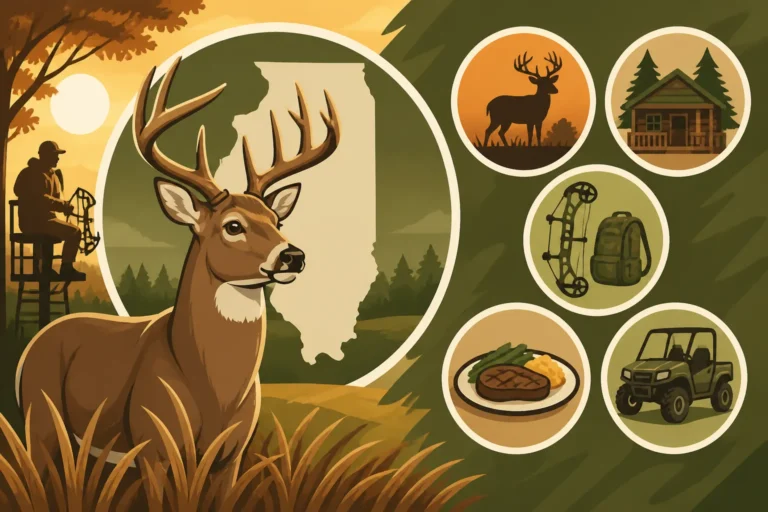
Planning a hunting trip to Illinois often brings to mind images of sprawling farmlands, dense river bottoms, and mature timber. But once you've decided where you're going to hunt, a significant, sometimes overlooked, part of the puzzle is figuring out where you'll lay your head at night and what you'll be eating. It's a logistical challenge that can really impact your overall experience, turning what should be a relaxing time into a source of stress if not handled properly. This comprehensive guide will walk you through everything you need to know about lodge accommodation and meal options when planning your next Illinois hunting adventure, ensuring your off-the-field experience is as satisfying as your time in the woods or fields.
Understanding Different Lodge Accommodation Types
When you start looking into hunting trips, especially guided experiences, you'll quickly realize that "lodge" isn't a one-size-fits-all term. The type of accommodation can range wildly, impacting not just your comfort level but also the overall atmosphere of your hunt. It's important to understand these distinctions so you can match the lodging to your expectations and budget, ensuring no surprises when you arrive after a long day of chasing game.
Basic Bunkhouse Versus Full-Service Lodge
Let's be real, some hunters just want a clean bed, a hot shower, and a roof over their heads. If that's you, a basic bunkhouse might be perfectly adequate. These are often simpler setups, sometimes a large shared room with multiple beds, or perhaps a few smaller rooms sharing communal bathrooms. The focus here is generally on functionality and affordability, with less emphasis on creature comforts or luxury. You might find a common area with a TV, maybe a small kitchen, and often plenty of space to hang your gear. It's a practical choice for those who spend every daylight hour afield and only need a place to crash and recharge. The camaraderie in a bunkhouse can be a huge part of the experience, fostering easy friendships and endless storytelling with other hunters from different walks of life. It’s definitely a more rustic and authentic hunting camp feel.
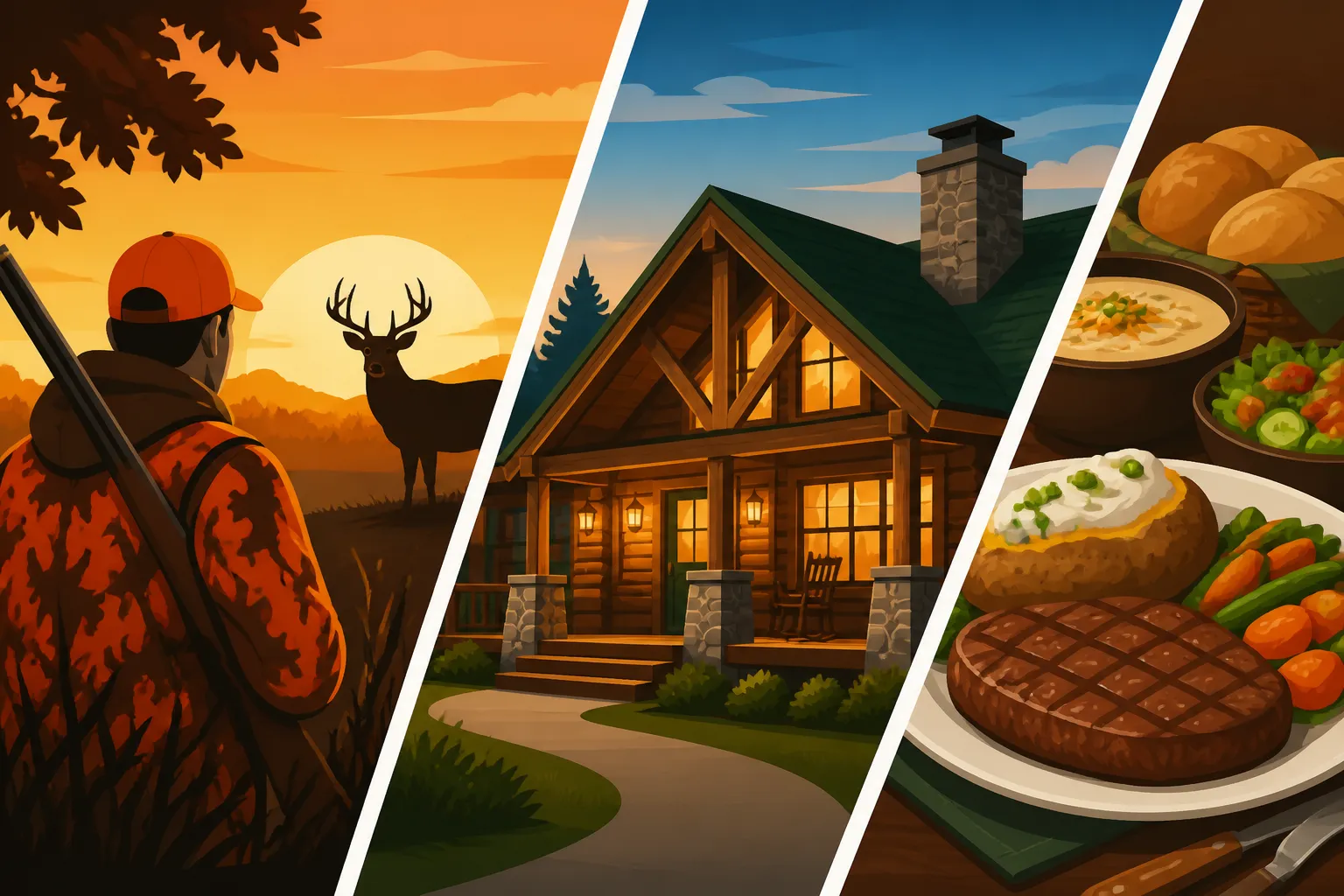
On the flip side, a full-service lodge offers a significantly elevated experience. Think comfortable private rooms, often with their own bathrooms, and tastefully decorated common areas that feel more like a cozy home than a utilitarian camp. These lodges often come with amenities like a dedicated chef, a well-stocked bar, comfortable lounges, and sometimes even hot tubs or game rooms. The expectation here is a higher level of service and comfort, providing a luxurious retreat after a strenuous day. You might find a professional cleaning staff, laundry services, and a host who ensures every need is met. This option appeals to hunters who appreciate a bit of pampering and want a seamless, hassle-free experience where everything is taken care of from start to finish. It’s also often chosen by those bringing family members or non-hunting guests who might prefer a more upscale environment.
Private Cabin Rentals
Beyond the traditional bunkhouse or full-service lodge, many outfitters, or even independent landowners, offer private cabin rentals. These can be a fantastic middle ground or even a top-tier option depending on the specific cabin. A private cabin typically gives you more space, privacy, and often, more control over your environment. You might have a full kitchen, living area, and multiple bedrooms, making it ideal for groups of friends or families who want to hunt together but also desire their own space to relax. This type of accommodation allows for a greater degree of independence; perhaps you prefer to cook your own meals, or you just want a quiet evening away from the main camp's hustle and bustle.
The experience in a private cabin can range from a rustic, off-grid feel to a modern, fully-equipped vacation home. Some cabins might be right on the hunting property, allowing you to walk out your door and be in prime territory, while others might be a short drive away in a nearby town. When considering a private cabin, it's crucial to clarify what utilities and amenities are included, such as Wi-Fi, heating/cooling, and cooking supplies. These details can significantly influence your packing list and overall comfort. For example, some cabins might include daily cleaning services, while others might expect you to maintain the space yourself. The beauty of a private cabin is its flexibility, allowing you to tailor the non-hunting aspects of your trip more precisely to your group's preferences.
What's Typically Included in Lodge Packages
When you're looking at hunting packages, especially those offered by Illinois outfitters, it's easy to get excited about the hunting itself and overlook the fine print on what's included in the lodge stay. However, understanding these inclusions is key to managing your expectations and avoiding unexpected costs or disappointments. A "package" can mean different things to different providers, so a deep dive into the details is always warranted.
Meal Plans: From Field Lunches to Gourmet Dinners
One of the biggest variables in any hunting lodge package is the meal plan. Most guided hunts will include some form of food, but the quality, quantity, and style of meals can vary dramatically. At the simpler end, you might receive hearty, home-cooked, family-style meals. This usually means breakfast before the hunt, a packed lunch to take afield, and a solid dinner after you return. These meals are often designed to be filling and fuel you for long days in the woods, featuring comfort foods like casseroles, stews, and plenty of meat and potatoes. They are often served communally, adding to the camp atmosphere. You can often learn a lot about Illinois Deer Camp Traditions around a shared dinner table.
Higher-end lodges, especially those catering to a more luxurious experience, might offer gourmet dining with a dedicated chef. Imagine multi-course meals, finer cuts of meat, fresh vegetables, and even dessert. These lodges often aim to create a culinary experience that matches the quality of the hunt. Field lunches might also be more substantial or customized to your preferences, rather than a generic sandwich. It’s important to ask specific questions about the meal schedule, what kinds of food are typically served, and if snacks and beverages (non-alcoholic) are included throughout the day. Some outfits might only provide dinner, expecting you to handle breakfast and lunch yourself, while others offer a full spread from dawn till dusk. Don't be shy about asking for sample menus or descriptions of previous meals, as the food can truly make or break your trip, especially after a long, cold day in the stand.
Amenities Beyond the Bed
Beyond just a place to sleep and eat, many hunting lodges offer a range of amenities designed to enhance your stay and make your time off the hunt just as enjoyable. These can include anything from practical necessities to luxurious extras. Common amenities often include communal living areas with comfortable seating, a television (sometimes satellite or cable), and Wi-Fi, which can be invaluable for checking the weather or keeping in touch with home. Some lodges might have dedicated game rooms with pool tables, card tables, or dart boards for evening entertainment.
More specialized amenities might cater directly to hunters. For instance, many lodges provide secure, heated spaces for drying wet gear, which is a blessing after a rainy or snowy day afield. You might also find facilities for processing game, or at least a clean area for initial field dressing. Some operations may even have a walk-in cooler to properly hang harvested animals. Others might offer dog kennels for those bringing their own hunting dogs, or a pro shop where you can purchase forgotten essentials or lodge merchandise. It’s worth checking if laundry facilities are available, especially for longer hunts, as being able to wash clothes can significantly lighten your packing load. When you’re vetting an outfitter, platforms like BookYourHunt often detail these amenities right in the listing, making comparisons much easier. Thinking about What's Included in an All-Inclusive Deer Package will give you a good idea of what to expect in terms of amenities.
Evaluating Meal Quality and Options
Food isn't just fuel; it's a significant part of the overall experience, especially when you're spending long, physically demanding days hunting. When you're considering an Illinois hunting lodge, the meal plan should be given just as much thought as the hunting opportunities themselves. A good meal can boost morale, provide comfort, and give you the energy you need, while poor or inadequate food can frankly make the trip feel miserable.
Dietary Restrictions and Hunter Preferences
One of the biggest concerns for many hunters is whether the lodge can accommodate specific dietary needs or preferences. In today's world, it's not uncommon for individuals to have allergies (gluten, nuts, dairy), follow specific diets (vegetarian, keto, low-carb), or simply have strong preferences (dislikes of certain foods). The last thing you want is to arrive at camp only to find you can't eat half the meals, leaving you hungry or reliant on emergency snacks you brought. It's absolutely critical to communicate any dietary restrictions or strong preferences well in advance of your arrival. A reputable outfitter or lodge manager will want to know this information so they can plan accordingly.
Some lodges have chefs who are adept at modifying meals or preparing alternative dishes, while others might operate with a more rigid menu. Don't assume anything; always ask. You might find that some places can easily adapt, while others might require you to bring some of your own supplemental items. For example, if you're gluten-free, they might be able to offer a gluten-free bread option, or perhaps provide naturally gluten-free dishes. A good outfitter understands that a well-fed hunter is a happy and more effective hunter, and they will usually go out of their way to make sure everyone is taken care of within reason. However, if your needs are highly specialized, be prepared for an honest conversation about what is truly feasible.
Self-Catering Versus Provided Meals
The choice between a self-catering setup and a fully provided meal plan is a fundamental one that impacts both your budget and your overall hunting experience. Many private cabin rentals or leases often come with kitchens, giving you the option to bring and prepare all your own food. This approach can be a significant cost-saver, as the price of groceries is generally less than the markup for prepared meals. It also allows you complete control over your diet, which is a huge plus if you have specific preferences or restrictions. You can cook exactly what you like, when you like it, and ensure freshness and quality. This is particularly appealing for groups who enjoy cooking together as part of their camp experience.
However, self-catering also comes with its own set of demands. After a long day of hunting, often in cold or challenging conditions, the last thing some people want to do is come back to camp and cook a full meal, then clean up afterward. It adds a chore to what should be a relaxing time. In contrast, provided meals, especially those in a full-service lodge, offer immense convenience. You simply show up at the dining table, enjoy a hot meal, and often, someone else handles the dishes. This frees up your evening to relax, process game, prepare for the next day's hunt, or simply socialize with fellow hunters. The trade-off is often a higher upfront cost for the package. When considering different outfitters, platforms like GoHunt can sometimes specify if a lodge offers self-catering options versus full meal plans, helping you narrow down your search based on this preference.
| Meal Option Type | Pros | Cons | Ideal For |
|---|---|---|---|
| Basic Provided Meals | Convenient, affordable within a package, communal atmosphere, no cooking/cleanup hassle | Limited menu, might not suit all dietary needs, quality can vary | Hunters on a budget, seeking camaraderie, valuing convenience over gourmet |
| Gourmet Provided Meals | High quality, diverse menu, luxury experience, maximum convenience, professional chef | Higher cost, less flexibility for individual preferences | Hunters seeking a premium experience, bringing non-hunting guests, valuing fine dining |
| Self-Catering | Cost-effective, full control over menu/diet, privacy, custom meal times | Requires effort (cooking, cleanup, grocery shopping), takes time away from relaxing | Groups, those with strict dietary needs, budget-conscious hunters, valuing independence |
The Social Aspect of Lodge Stays
Hunting is often seen as a solitary pursuit, and for many, it certainly can be. But for those who choose a lodge setting, especially one with communal dining and living areas, the social aspect becomes an undeniable and often cherished part of the experience. It transforms the trip from a simple hunt into a broader adventure of shared experiences and camaraderie.
Connecting with Fellow Hunters
There's something truly special about sharing a meal or an evening around a fireplace with a group of like-minded individuals who all share a passion for hunting. Lodge stays provide a unique opportunity to connect with fellow hunters from various backgrounds, states, and even countries. Imagine sitting down to dinner after a cold, blustery day in an Illinois cornfield, sharing stories of missed shots, close encounters, and the day's observations. These conversations are often rich with insights, tips, and sometimes, good-natured ribbing. You might learn about new hunting techniques, discover different gear, or simply hear fantastic stories that make your own hunting tales feel a little less unique.
These connections often extend beyond the immediate trip. Many hunters form lasting friendships at lodges, leading to future shared hunts, ongoing advice, and a network of hunting buddies. It's a chance to step outside your usual hunting circle and gain new perspectives. Whether you're a seasoned veteran or a newer hunter, the knowledge exchange can be incredibly valuable. It’s a chance to compare notes on everything from Scouting Illinois Public Land Before Season to the best way to cook venison. This shared experience often creates a bond that lasts long after the final sunrise of the hunt.
Outfitter Interaction and Campfire Stories
The outfitter and their guides are not just there to put you on game; they're also integral to the social fabric of the lodge. Many outfitters and guides genuinely enjoy the interactions with their clients, sharing their vast knowledge of the local landscape, the animals, and hunting strategies. In the evenings, after the day's hunt is done, this is often when the true "campfire stories" (even if they're told around an indoor fireplace) come to life. Guides might recount tales of legendary bucks, tricky turkeys, or memorable hunts from years past. They can offer invaluable insights into why certain tactics work in specific areas, or how the weather might influence tomorrow's hunt.
This direct interaction is a fantastic opportunity for hunters to learn more about the area, the habits of the game, and the outfitter's philosophy. It allows you to ask questions in a relaxed setting, getting personalized advice that you might not get otherwise. For instance, you could discuss specific details like Rattling Volume in Thick Cover or Hunting a Funnel Between Two Woodlots that directly apply to your hunt. A good outfitter becomes part of your hunting family for the duration of your stay, making you feel welcome and part of the team. This relationship building is often a core reason hunters return to the same outfitter year after year, valuing not just the hunting success, but the overall experience and the friendships forged around the lodge.
Factors Influencing Lodge and Meal Costs
It's no secret that hunting trips can be a significant investment, and the costs associated with lodge accommodation and meals are often a substantial part of that overall expense. Understanding what drives these costs can help you make more informed decisions and find a package that aligns with your budget and expectations.
Seasonality and Demand
Just like any travel industry, hunting lodge prices are heavily influenced by seasonality and demand. Certain periods are simply more desirable for hunting, and outfitters capitalize on this. For instance, deer hunting during the peak of the rut in Illinois, typically in early to mid-November, is almost always the most expensive time to book. Everyone wants to hunt when the big bucks are most active, leading to higher demand for guides, lodging, and prime hunting ground. Similarly, the opening weeks of waterfowl or turkey season can see elevated prices. Booking during these "prime time" windows often means paying a premium. This is why Booking an Illinois Opening Weekend can often cost more than a mid-week hunt later in the season.
Conversely, hunting during the shoulder seasons or less popular periods can often yield savings. For example, Hunting the Late-Season December Lull for deer might offer a slightly lower price point for lodging and guiding services, as demand naturally tapers off. While the hunting might be tougher, the potential for a more budget-friendly trip is there. Weekday bookings are also generally less expensive than weekend hunts, as outfitters aim to fill their lodges throughout the week. If you have flexibility in your schedule, targeting these off-peak times can be a smart strategy to reduce costs without necessarily sacrificing the quality of the hunt itself.
Level of Luxury and Service
The most obvious factor influencing cost is the level of luxury and service offered by the lodge. It stands to reason that a basic bunkhouse with shared amenities and simple, hearty meals will be less expensive than a five-star lodge offering private suites, gourmet dining, and a host of additional services. These elevated experiences come with higher operating costs for the outfitter – from employing professional chefs and cleaning staff to maintaining more upscale facilities. Think about the difference between a motel and a luxury resort; the same principle applies to hunting lodges.
Beyond the physical accommodations, the level of personalized service also plays a role. An outfitter who provides dedicated one-on-one guiding, retrieves your harvested animal, handles initial processing, and then serves it up for dinner will naturally charge more than an operation that simply provides access to land and a place to sleep. Other services like laundry, daily room cleaning, airport transfers, or even assistance with taxidermy and meat processing arrangements all add to the value and, consequently, the price. When you see a higher price tag for an Illinois hunting package, it's often a reflection of these "white glove" services that aim to make your trip as effortless and comfortable as possible. This is why comparing What a Guided Illinois Trophy Deer Hunt Costs can vary so widely. When you're comparing quotes, remember to look beyond the number and see exactly what each offers.
Making the Right Choice for Your Illinois Hunt
Deciding on the right lodge accommodation and meal plan for your Illinois hunting trip isn't just about finding availability; it's about matching the experience to your personal preferences, budget, and overall hunting goals. It’s about creating a holistic experience that you’ll remember fondly for years to come.
Budget Versus Experience Desires
This is the eternal balancing act when planning any significant trip, and hunting is no exception. On one hand, you have your budget – a hard limit on what you're willing or able to spend. On the other, you have your desires for the trip: Do you envision a rustic, authentic camp experience with simple meals and maximum time afield? Or are you looking for a more comfortable, perhaps even luxurious, retreat where you can unwind in style after the hunt, with gourmet food and ample amenities? It's crucial to be honest with yourself and your hunting partners about where your priorities lie.
If your budget is tight, focusing on a more modest lodge or a self-catering private cabin might be the way to go. You can still have a fantastic hunting experience without breaking the bank. Perhaps you save money on lodging and put more towards a better guide or a longer hunting period. If your budget allows for it, and you value comfort and convenience highly, then investing in a full-service lodge with comprehensive meal plans might be worth every penny. For many, a hunting trip is a rare escape, and they want every aspect of it to be enjoyable. Understanding the different facets of cost, as seen in topics like Average Cost of a Guided Illinois Deer Hunt or even Illinois Nonresident Deer Permit Cost, helps inform this decision.
Reading Reviews and Asking Key Questions
Once you've narrowed down your options based on budget and desired experience, the next critical step is thorough research. Don't rely solely on an outfitter's website or their sales pitch. Look for independent reviews on platforms like BookYourHunt or GoHunt, as well as hunting forums and social media groups. Pay close attention to what past clients say about the accommodations, the food, and the general atmosphere of the lodge. Are there consistent complaints about cleanliness, cold rooms, or disappointing meals? Or are people raving about the chef's cooking and the cozy common areas? This is also a good time to check Red Flags When Booking in Illinois to ensure you're avoiding potential issues.
Beyond online reviews, always pick up the phone and ask the outfitter or lodge manager direct questions. Be specific about your expectations regarding meals and lodging. For example:
- "What are the typical breakfast, lunch, and dinner times?"
- "Can you provide a sample menu for the week?"
- "What are the sleeping arrangements? Is it private rooms or shared bunkhouses?"
- "Are there private bathrooms, or are they communal?"
- "What amenities are available in the rooms and common areas (e.g., Wi-Fi, TV, laundry)?"
- "How do you handle dietary restrictions, and what alternatives are available?"
- "Is there a common area for relaxing and socializing after the hunt?"
- "What's the process for getting Lodge Meals Typically Include or special requests if any?"
Asking these detailed questions upfront can prevent misunderstandings and ensure that the reality of your stay aligns with your expectations, making for a much smoother and more enjoyable Illinois hunting trip. Also, don't forget to inquire about Tipping Guides and Dog Handlers as part of your overall budget planning.
Disclaimer
This article is for general informational purposes only and does not constitute professional advice. Laws, prices and regulations vary by location and change over time. Consult a qualified professional for guidance on your specific situation.