Group Size on a Guided Illinois Hunt
One of the most common anxieties when planning a guided hunting trip in Illinois, especially for folks who are used to hunting solo or with a small, familiar crew, is wondering about the group dynamic. You might be picturing a massive party of strangers trampling through the woods or feeling like just another number in a sea of hunters. This guide is here to unravel the complexities of group sizes on guided Illinois hunts, helping you understand what to expect, what questions to ask, and ultimately how to pick the experience that best suits your personal hunting style and goals.
Understanding Group Dynamics in Guided Hunting
When you're shelling out your hard-earned money for a guided hunt, you're not just paying for access to land or a chance at a trophy animal. You're investing in an experience, and a huge part of that experience is shaped by the people you're sharing it with – or not sharing it with. Group size isn't just a number; it dictates the pace, the camaraderie, the level of individual attention you receive, and even the hunting pressure on the property.
The Impact of Hunter Numbers on the Experience
Imagine for a moment: you've dreamt of hunting a prime Illinois whitetail property for years. You envision quiet mornings in a stand, listening to the woods wake up, maybe a brief, hushed conversation with your guide about strategy. Now, contrast that with a scenario where you arrive to find eight other hunters, all eager and perhaps a bit loud, shuffling into the lodge, sharing stories, and vying for the guide's attention. The atmosphere shifts dramatically.
Smaller groups often mean a more intimate experience. You get more one-on-one time with your guide, allowing for deeper discussions about deer movement, specific stand placements, and post-shot tracking strategies. There’s a greater sense of focus on each individual hunter's needs and preferences. On the flip side, larger groups can sometimes feel more like a commercial operation. While efficient, the personal touch might be diluted. Guides might be spread thin, and your opportunity for in-depth consultation could be limited. It’s not necessarily a bad thing, but it’s a different vibe entirely. The sheer number of boots on the ground can also inadvertently increase perceived hunting pressure, even on large tracts of private land. Deer are smart, and constant human scent and movement, even if spread out, can alter their patterns.
Different Hunt Styles and Their Ideal Group Sizes
The "ideal" group size isn't universal; it truly depends on the kind of hunting you want to do and what species you're pursuing. For instance, a classic whitetail deer hunt, especially if you're targeting mature bucks, often benefits from smaller groups. Quiet approaches, strategic stand placement, and minimizing disturbance are paramount. A solo hunter or a pair of hunters working with a dedicated guide can be incredibly effective, allowing for precision and minimal impact on the deer herd. The goal here is stealth and patience, which larger groups inherently make more challenging.
Turkey hunting, particularly spring gobbler hunts, also lends itself well to smaller groups. Imagine trying to run-and-gun with half a dozen people, attempting to sneak within range of a wary tom. It's tough. Often, a single hunter, or maybe two, paired with a skilled caller/guide, offers the best chance of success. Waterfowl hunting, however, is a different beast entirely. Duck and goose hunts in Illinois often involve layout blinds in vast fields or large permanent blinds along rivers like the Illinois River. These setups are designed to accommodate multiple hunters. The social aspect of a group hunt, with friends and family sharing a blind, calling, and retrieving, is a huge part of the appeal for many waterfowlers. So, while a deer hunter might cringe at a group of eight, a duck hunter might consider it a perfect day. Hog hunting, too, particularly night hunts with thermal imaging, can be efficiently done with a small team, but dog-drive hog hunts might involve a larger party for effective pushing and posting.
Common Group Sizes Offered by Illinois Outfitters
Outfitters in Illinois cater to a broad spectrum of hunters, and that includes offering various group sizes to match different preferences and budgets. You'll find everything from highly personalized solo experiences to larger, more communal hunt packages. Understanding these common offerings can help you narrow down your choices when researching.
Solo Hunter Experiences and Their Appeal
For many dedicated hunters, the ultimate dream is a truly solo experience, or at least one where they are the sole client interacting with the guide. This doesn't necessarily mean you're the only hunter on the entire property, but rather that your hunt is tailored specifically to you. This level of personalized attention is incredibly appealing, particularly for first-timers, those seeking a specific trophy, or hunters who simply value solitude and a deep connection with nature.
On a solo hunt, you often get the prime stand locations, adjusted to your specific needs and hunting style. You can discuss strategy at length with your guide, who will be focused entirely on your success and comfort. There's no compromise on preferred hunting hours, no sharing stories loudly at dawn, and no competing for the guide's ear. This can be especially valuable when pursuing an elusive whitetail buck in a target-rich environment like Pike County or Adams County. The cost for a truly solo experience is typically higher, reflecting the dedicated resources, but for some, the value in the personalized attention and potentially higher success odds is well worth the investment. For non-residents, understanding Booking a Nonresident Archery Permit Through a Guide can be part of this tailored experience.
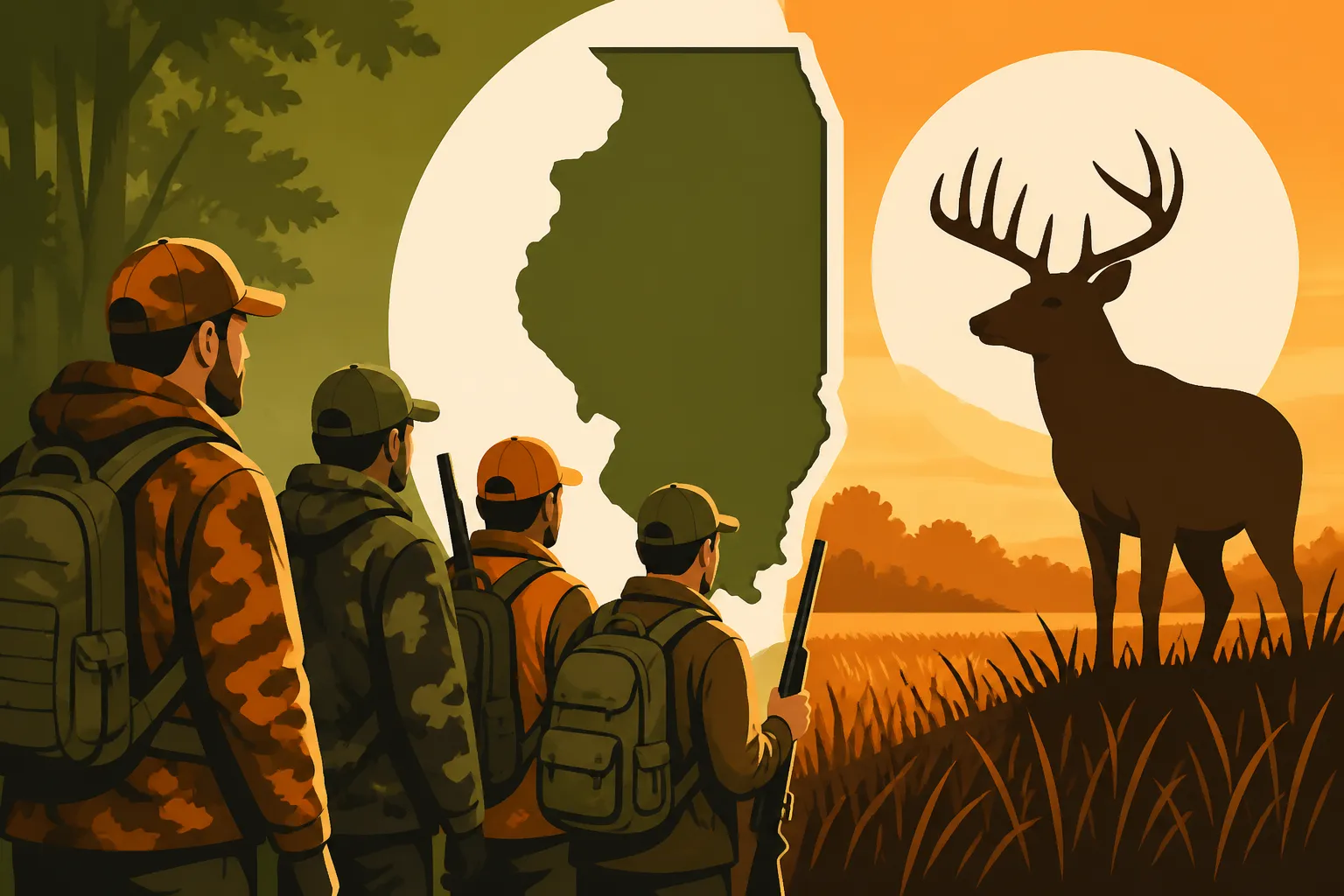
Small Group Hunts (2-4 Hunters)
The sweet spot for many Illinois outfitters and hunters alike is the small group hunt, typically involving two to four hunters. This size strikes an excellent balance between personal attention and the camaraderie of hunting with a few friends or family members. It’s also often a more economical option than a completely solo package, as the costs of the guide and lodge are spread across a few individuals.
In a group of two to four, you and your hunting partners can often share a guide, or at least coordinate closely. You might be placed in separate stands but within reasonable communication distance, or in adjacent areas that allow for minimal disturbance. This size allows for good conversation and shared experiences at the lodge, without feeling overcrowded or chaotic. If you're planning a trip with a spouse, a child, or a couple of close buddies, this is usually the most popular and practical option. It’s also conducive to many deer drive scenarios on private land if the outfitter uses that tactic, allowing for careful planning and execution without a massive crowd. This kind of arrangement often falls under Illinois Lodge and Package Hunts, offering a cohesive experience.
Larger Group Expeditions (5+ Hunters)
While less common for trophy deer hunting outside of specific drive situations, larger group expeditions for five or more hunters are definitely available, especially for certain species or types of hunts. As mentioned, waterfowl hunting is a prime example where larger groups are not just tolerated but often preferred. Imagine a big spread of decoys on the Mississippi River backwaters or a massive field setup for geese; having multiple hunters to call, shoot, and retrieve can enhance the experience.
For deer, large groups might be associated with corporate retreats or hunting clubs where a significant amount of private land is leased, and the focus might be more on participation and shared experience rather than individual trophy pursuit. Some outfitters managing thousands of acres might stagger hunters across vast properties, ensuring each small subset of the larger group still has a quality experience. However, it's crucial to clarify how such hunts are managed. Will you have a dedicated guide for your smaller contingent within the larger group, or will guides be overseeing multiple clients? What are the logistics for transportation to and from stands? Larger groups tend to have more standardized schedules and less flexibility, so if you thrive on spontaneity or specific requests, this might not be the best fit. Always ask detailed Questions to Ask Before Booking an Illinois Hunt to understand the outfitter's approach to group management.
Advantages and Disadvantages of Various Group Sizes
Choosing the right group size for your guided hunt is a critical decision that can significantly impact your overall experience. It's not just about cost; it's about the kind of atmosphere you prefer, the level of attention you expect, and how you want to interact with both your fellow hunters and the natural environment.
Benefits of Smaller, More Intimate Hunts
There’s something truly special about a small-group or solo guided hunt. The most obvious benefit is the highly personalized attention you receive from your guide. They can focus on your specific goals, your comfort, and your learning curve. If you're a newer hunter, this can be invaluable for skill development and confidence building. Your guide can provide real-time coaching, explain game movements, and help you refine your techniques. For experienced hunters, it allows for nuanced discussions about strategy, specific stand choices, and understanding the intricate details of the property.
Increased flexibility is another huge plus. Weather changes, unexpected deer movement, or even just a desire to try a different approach can be accommodated much more easily with fewer people involved. You might decide to stay out longer, move locations, or try still-hunting a ridge, all without impacting a larger group's schedule. This flexibility can directly translate to higher quality hunting opportunities. Guides can put you in prime, less pressured spots that might be too sensitive for a larger group. Moreover, the reduced hunting pressure on the local deer herd is a major benefit. Fewer hunters mean less human scent, less noise, and less overall disturbance, which can make wary bucks more comfortable moving during daylight hours. Finally, the peace and quiet that many hunters crave is more achievable. It's about being immersed in nature, and smaller groups tend to foster that connection without constant chatter or movement.
Trade-offs of Larger Group Hunts
While larger group hunts, especially for species like waterfowl, have their distinct appeal, there are definitely trade-offs to consider. One of the primary downsides is the diluted individual attention. Your guide might be managing several hunters, meaning less one-on-one time for detailed discussions or immediate problem-solving. You might feel like you're part of a broader operation rather than the focus. This can be frustrating if you're looking for an in-depth, personalized learning experience.
Less flexibility in scheduling and tactics is another common issue. With more people to coordinate, schedules tend to be more rigid. Stand assignments might be predetermined, and impromptu changes might be difficult to facilitate. This means you might not always be able to hunt your preferred method or in your ideal location if it doesn't align with the group's overall plan. There's also the potential for increased hunting pressure on the property. Even with skilled guides spreading out hunters, more human presence can push game deeper into cover or alter their movement patterns. This is especially true on smaller properties, where deer are more sensitive to intrusion. Finally, the potential for personality clashes or simply differing expectations among a larger group of strangers can impact the social dynamic. While many hunters are respectful, an overly boisterous or inconsiderate individual can detract from the experience for others. Communication about What an Illinois Deer Hunt Package Includes should clarify how these larger groups are structured.
When to Choose Each Option
So, when does each group size make the most sense for you?
Choose a Solo or Small Group Hunt if:
- You prioritize personalized attention and one-on-one time with your guide.
- You are a beginner looking for intensive coaching and guidance.
- You value solitude, peace, and quiet in the woods.
- You are targeting a specific trophy animal and want maximum flexibility and minimal disturbance.
- You are hunting with a spouse, child, or a couple of very close, like-minded friends.
- The species you're pursuing (like whitetail deer or spring turkeys) benefits from stealth and minimal pressure.
Choose a Larger Group Hunt if:
- You are primarily interested in a social, communal hunting experience.
- You are hunting with a large group of friends, family, or a corporate outing.
- The species you're pursuing (like waterfowl in permanent blinds or large field setups) lends itself to group participation.
- Budget is a significant concern, as larger group hunts can sometimes offer a lower per-person cost.
- You are comfortable with less individual attention and more standardized hunt plans.
- You enjoy the shared stories and camaraderie of a bustling camp.
Ultimately, it comes down to what you want to get out of your hunt. Be honest with yourself about your preferences and communicate them clearly with any outfitter you consider.
Factors Influencing Outfitter Group Size Policies
Outfitters don't just pull numbers out of a hat when it comes to how many hunters they'll take at one time. Their decisions are rooted in a complex interplay of logistical, ethical, and practical considerations. Understanding these factors can give you a better appreciation for why certain operations run the way they do and help you gauge if their approach aligns with your expectations.
Land Access and Habitat Capacity
The amount of land an outfitter has access to and the quality of that habitat are perhaps the most significant factors determining their group size capacity. An outfitter with thousands of acres of contiguous, high-quality timber and agricultural ground in prime deer country like West-Central Illinois can sustainably host more hunters than one with a few hundred scattered acres. The goal for any reputable outfitter is to provide a quality hunting experience without burning out their property or significantly impacting the game population.
If an outfitter over-schedules hunters, especially for whitetail deer, they risk increasing hunting pressure to a point where deer go nocturnal, leave the property, or simply become incredibly difficult to hunt. This harms not only the current season's hunters but also future seasons. Ethical outfitters carefully calculate how many hunters their acreage can support per week or per season, taking into account factors like habitat diversity, natural food sources, bedding areas, and historical deer movement patterns. They want to ensure each hunter has a genuine opportunity for success without feeling like they're elbowing others for space. This is a far cry from the Hunting Pressure on Illinois Public Land that hunters often encounter, where self-regulation is the only rule.
Guide-to-Hunter Ratios and Safety
The ratio of guides to hunters is another critical component in determining group size. A high guide-to-hunter ratio (e.g., 1:1 or 1:2) ensures more personalized attention, better safety oversight, and more efficient game retrieval. If an outfitter has a limited number of experienced guides, they simply cannot take on a massive group of clients without diluting the quality of service.
Safety is paramount in any hunting operation. Guides are responsible for ensuring hunters understand stand safety, navigate unfamiliar terrain, and follow all local regulations. With larger groups, managing these safety aspects becomes more complex. Imagine trying to coordinate a tracking effort for a wounded animal with one guide spread across six hunters, all potentially in different areas. It's a logistical nightmare. A good outfitter will always prioritize a manageable guide-to-hunter ratio to maintain safety standards and provide effective assistance, whether it's setting up a treestand safely or ensuring a clean shot opportunity. This is a stark contrast to a completely Self-Guided Versus Outfitted Illinois Hunts, where safety is entirely on the individual.
Logistics and Accommodation Considerations
Beyond the hunting grounds themselves, the practical logistics of running a guided operation heavily influence group size. This includes the size and capacity of the lodge or accommodations, dining facilities, vehicle availability for transport to and from hunting areas, and even the number of available treestands or ground blinds. An outfitter can only host as many people as their infrastructure can comfortably support.
Imagine an outfitter with a cozy lodge that comfortably sleeps six. They're not likely to book a group of twelve, as it would lead to overcrowding, discomfort, and a diminished overall experience. Similarly, if they only have three trucks capable of navigating the property's terrain, transporting a dozen hunters to various stands at dawn becomes a significant challenge. Meal preparation, showering facilities, and common areas for relaxing all factor into the equation. A well-run operation aims for efficiency and comfort, ensuring that even off the hunt, clients feel well-cared for. This might also tie into what Illinois Lodge and Package Hunts typically offer, ranging from rustic cabins to full-service lodges.
How to Find the Right Group Size for Your Hunt
Finding an Illinois outfitter that matches your preferred group size isn't about luck; it's about preparation, asking the right questions, and being clear about your expectations. Don't be shy about digging into the details before you commit.
Self-Assessment: Your Hunting Style and Goals
Before you even start looking at outfitters, take a moment to honestly assess your own hunting style and what you hope to achieve. Are you a social butterfly who loves sharing stories and laughter with a crowd, even if it means less individual attention on the hunt itself? Or are you an introverted hunter who craves solitude, quiet reflection, and a deep connection with the wild?
Consider your experience level: a novice hunter might benefit immensely from a 1:1 guide ratio in a smaller group, allowing for extensive coaching and support. An experienced hunter might be comfortable in a larger group as long as they have their own designated area and flexibility. What's your primary goal for the trip? Is it a specific trophy? A fun bonding experience with friends? A chance to learn new tactics? Your answers to these questions will be your compass in navigating the myriad options out there. If you're pondering whether to tackle the Illinois Deer Season Structure Explained on your own or with help, your self-assessment is key.
Asking the Right Questions to Outfitters
Once you have a clear idea of your preferences, it's time to put outfitters to the test. Don't just ask, "What's your group size?" Dig deeper. Here's a table of crucial questions to ask:
| Question Category | Specific Questions to Ask | Why It Matters |
|---|---|---|
| Hunt Structure | What is your typical hunter-to-guide ratio during the hunt? | Direct impact on personalized attention and assistance. |
| How many hunters do you have on the property at one time in a given week? | Determines overall hunting pressure and sense of solitude. | |
| Are hunters typically grouped, or is it more of a "one-on-one" feel? | Clarifies the social dynamic and level of individual focus. | |
| Logistics | How many hunters stay at the lodge/camp simultaneously? | Impacts comfort, shared facilities, and overall camp atmosphere. |
| How are hunters transported to and from their stands/hunting areas? | Explains potential for delays or waiting if vehicles are limited for a large group. | |
| Stand Management | How many stands/blinds are available per hunter? Are they moved regularly? | Ensures fresh spots and minimizes over-pressuring specific areas. |
| What is the typical distance between hunting locations for different clients? | Indicates how spread out hunters are and the potential for interference. | |
| Flexibility | How flexible are you if a hunter wants to try a different tactic or area? | Determines if your individual preferences can be accommodated. |
| References | Can you provide references from clients who hunted in a similar group size? | Allows you to hear firsthand experiences from others. |
These questions will help you get a much clearer picture of what to expect. Don't hesitate to press for specifics. A good outfitter will be transparent and happy to answer all your queries. This ties directly into Vetting an Illinois Outfitter Before You Book.
Leveraging Platforms to Compare Options
In today's digital age, you have powerful tools at your fingertips to research and compare outfitters based on various criteria, including group size. Websites like BookYourHunt and GoHunt serve as excellent resources, often providing detailed profiles of outfitters, including information on their typical group sizes, lodge capacities, and hunt styles.
These platforms often feature client reviews, which can be incredibly insightful. Past clients frequently comment on the atmosphere of the camp, the level of attention from guides, and whether they felt crowded or had plenty of space. You can often filter searches by species, location, and even types of hunts, allowing you to quickly narrow down options that cater to your preferred group dynamic. Don't just look at the overall rating; read through the actual comments to get a feel for the specific experiences others had. It's like a community bulletin board where hunters share their honest opinions, helping you make a more informed decision about your next Illinois Deer Camp Traditions experience.
Conclusion
Choosing the right group size for your guided Illinois hunt is far more than a minor detail; it’s a foundational element that shapes your entire experience. Whether you crave the quiet intensity of a solo pursuit with a dedicated guide, the camaraderie of a small group of trusted friends, or the lively atmosphere of a larger waterfowl expedition, there’s an option out there for you. By taking the time for self-assessment, asking direct and insightful questions to potential outfitters, and leveraging online platforms to do your research, you can ensure your next hunting adventure in the Land of Lincoln is everything you've dreamed of.
Disclaimer
This article is for general informational purposes only and does not constitute professional advice. Laws, prices and regulations vary by location and change over time. Consult a qualified professional for guidance on your specific situation.