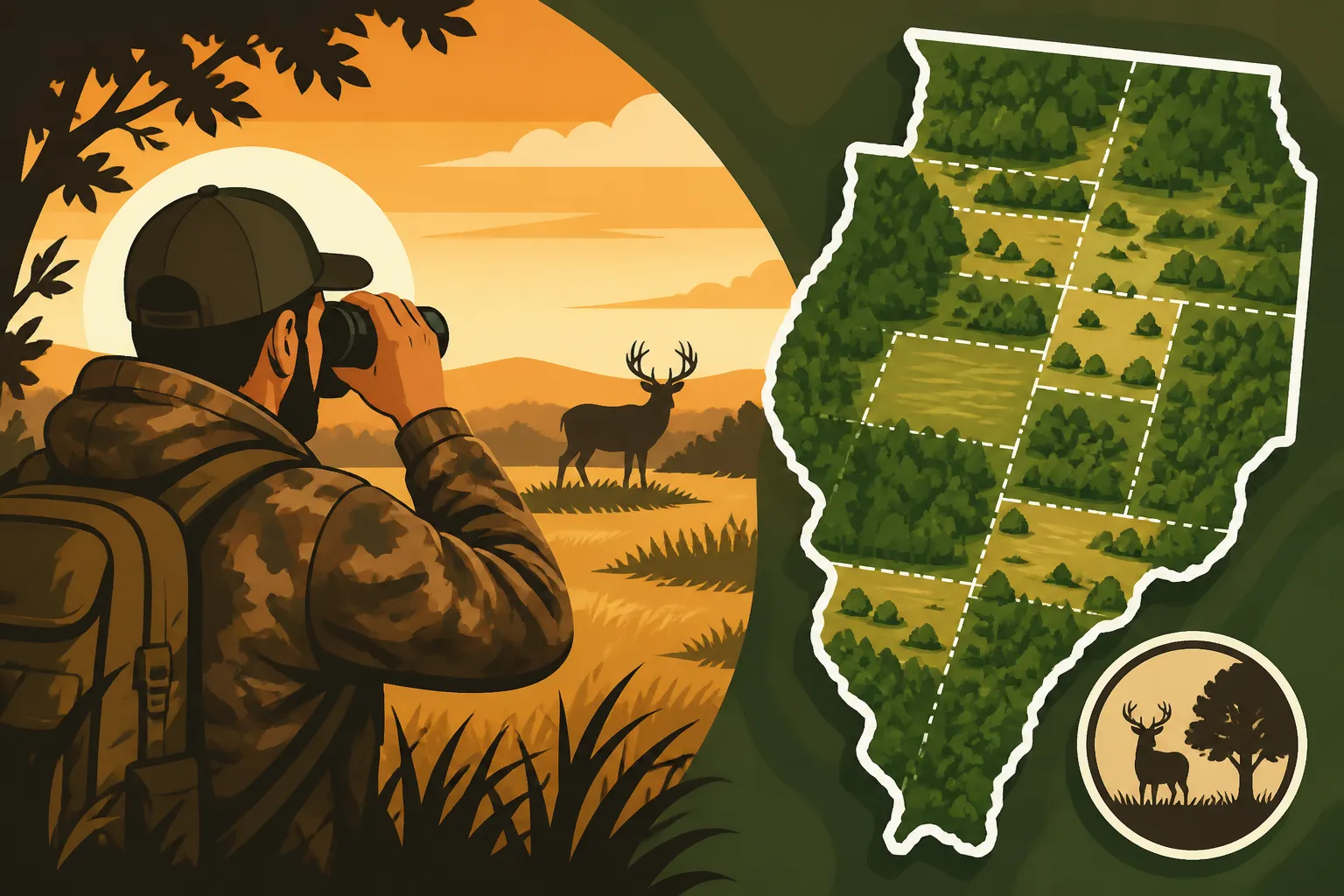
Why Some Illinois Outfitters Lease Thousands of Acres
It’s no secret that Illinois is a deer hunting powerhouse, drawing hunters from all over the country. If you've ever browsed for a guided hunt here, you've probably noticed that many reputable outfitters boast about leasing thousands, sometimes tens of thousands, of acres. This can feel a bit baffling, or even a little daunting, if you're used to hunting smaller, more fragmented properties. It leaves many wondering why outfitters go to such great lengths and expense to acquire such massive chunks of land. This guide will peel back the curtain and explain the strategic, economic, and practical reasons behind this common practice, offering a clearer picture of what drives these large-scale operations.
The Economics of Scale and Hunter Pressure
Running a successful outfitting business, especially for deer, is a significant undertaking. The initial investment in land leases, equipment, staff, and marketing is substantial, and a core component of making that investment pay off is ensuring a consistent, high-quality hunting experience for clients. This is where the sheer volume of leased acreage becomes a critical factor, creating an economy of scale that's difficult to achieve on smaller properties.
Spreading Out the Investment and Risk
Imagine investing in top-notch hunting blinds, food plot equipment, and professional guides for a property that's only a few hundred acres. If that small piece of land experiences a sudden change in deer movement due to neighboring pressure, an EHD outbreak, or an unexpected timber cut, your entire season could be jeopardized. Outfitters minimize this risk by spreading their operations across vast areas. A large land base means they aren't putting all their eggs in one basket. If one 500-acre section isn't producing well this year, they have dozens of other sections to rotate hunters through. This geographical diversity protects their reputation and investment. It also allows them to maintain a consistent success rate, which is paramount when clients are paying for a premium experience. This strategy helps mitigate the inherent unpredictability of wild game hunting and ensures they can deliver on the promise of a quality hunt, year after year.
Managing Hunter Impact and Quality
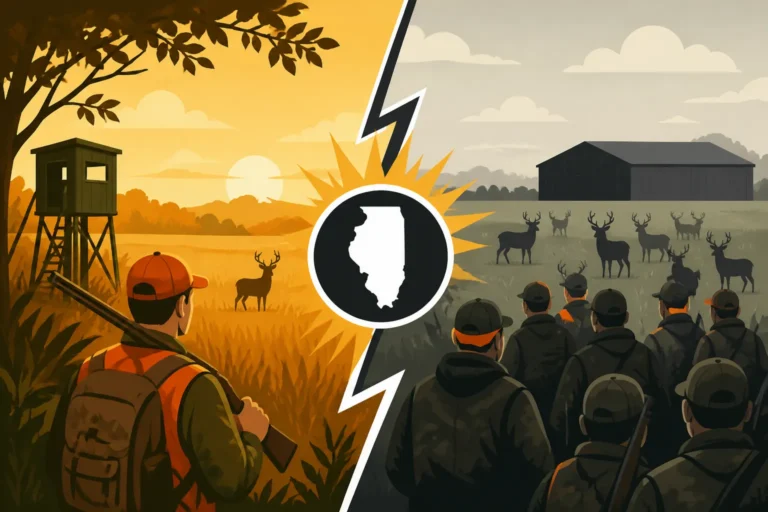
One of the biggest challenges for any hunting property, public or private, is hunter pressure. Too many boots on the ground, and deer behavior changes dramatically. They become nocturnal, move to sanctuary areas, or simply leave the property. For an outfitter, managing hunter pressure is critical to success. By leasing thousands of acres, they can vastly reduce the effective pressure per hunter. Instead of having five hunters on 500 acres, they can have five hunters on 5,000 acres, ensuring each client has a vast, undisturbed area to themselves. This space allows deer to follow natural patterns, use daylight hours, and feel secure, which dramatically increases a hunter's chances of success, especially for mature animals. Furthermore, large tracts enable outfitters to create and enforce strict hunting rotations, resting certain parcels for weeks at a time, ensuring that the hunting remains fresh and the deer remain unpressured throughout the season. This careful management is key to maintaining a healthy deer population and offering a superior hunting experience.
Managing Whitetail Herds and Habitat
Beyond the economics, massive land leases are absolutely essential for effective long-term deer and habitat management. This is particularly true for outfitters who focus on trophy whitetails, where consistency and quality are paramount. You can't just grow big bucks overnight; it takes years of careful planning and execution.
Implementing Quality Deer Management QDM
True Quality Deer Management (QDM) isn't just about passing up young bucks; it's a comprehensive approach to managing the entire deer herd, habitat, and hunter expectations. This is nearly impossible to implement effectively on small, fragmented parcels. When an outfitter controls thousands of acres, they gain the ability to:
- Create Sanctuaries: Designating large, undisturbed areas where deer can retreat and feel safe from hunting pressure is a cornerstone of QDM. These sanctuaries allow bucks to mature, does to fawn successfully, and the entire herd to maintain natural movement patterns. Without sufficient acreage, these sanctuaries would be easily penetrated by hunters or subject to pressure from adjacent properties.
- Control Harvest: Outfitters can implement strict antler restrictions and doe harvest guidelines across their entire leased territory, rather than just a small segment. This allows them to manage the age structure and sex ratio of the herd over a large, contiguous area, leading to more mature bucks and a healthier overall population. This is a primary driver behind Why Pike County Produces So Many Trophy Bucks, as many of these counties have large, well-managed private parcels.
- Habitat Improvement: They can implement large-scale habitat projects, such as diverse food plots, timber stand improvements, hinge cutting, and water sources, knowing that these investments will benefit the deer on their property. On smaller parcels, the benefits of habitat work might simply walk across the fence to a neighbor's land. With thousands of acres, they can strategically place these improvements to draw and hold deer, creating a truly self-contained ecosystem. This means they can manage everything from late-season food sources for Illinois whitetails to crucial bedding areas.
Mitigating External Factors
One of the most frustrating aspects of hunting smaller private or public lands is the influence of external factors. A neighboring farmer could suddenly harvest corn in late season, changing deer patterns entirely. A new hunting club next door might employ aggressive deer drives, pushing deer off your property. While you can't completely eliminate these external pressures, leasing vast acreages significantly buffers an outfitter's operation from them. A deer pushed off one section by a neighbor is likely to simply move to another section of the outfitter's leased ground, rather than disappearing entirely. This level of control provides a much more stable environment for both deer and hunters. Outfitters often scout extensively, even using tools like Reading Aerial Photos for Southern Illinois Deer to understand surrounding properties and how they might influence deer movement on their leased grounds.
Diverse Offerings and Client Experience
For an outfitter, the goal isn't just to provide a place to hunt, but to deliver a memorable, high-quality experience that brings clients back year after year. Large land leases are instrumental in allowing them to offer a wide array of options and cater to diverse client needs.
Customizing the Hunt
Every hunter is different, with varying preferences, physical capabilities, and hunting styles. Some prefer sitting in a heated box blind, while others want to climb into a mobile treestand. Some are archery enthusiasts, others prefer the rifle. With thousands of acres at their disposal, outfitters can provide truly customized hunts:
- Variety of Stands and Setups: They can maintain hundreds of different stand locations – ladder stands, hang-ons, ground blinds, elevated box blinds – on diverse terrain, from river bottoms to ridge tops. This means they can match a stand to the wind, the time of year, and the specific client's mobility or preference. Want to hunt a field edge over a standing soybean field? They’ve got it. Prefer a deep timber setup in a funnel between two woodlots? No problem.
- Multiple Hunting Methods: While Bowhunting Illinois's Long Archery Season might be one popular offering, large leases allow for dedicated areas for different legal methods during Illinois's Two Firearm Deer Seasons or the Muzzleloader Deer Hunting in Illinois season. This avoids conflicts and ensures that each hunting method is conducted in an optimal environment without interfering with others.
- Adapting to Conditions: Weather in Illinois can be unpredictable. A sudden cold front or heavy rain might make one area unproductive or inaccessible. With extensive acreage, outfitters can quickly pivot and move hunters to different locations that might be more productive or comfortable given the conditions, maximizing the chances of success. They understand the importance of adapting to Hunting Deer After a Cold Front or Working a Creek Bottom for Late-Season Deer.
Enhancing the Overall Experience
The client experience extends far beyond just the act of hunting. It's about the atmosphere, the comfort, and the peace of mind.
| Feature | Small, Fragmented Lease (Outfitter) | Large, Thousand-Acre Lease (Outfitter) |
|---|---|---|
| Hunter Pressure | High, easily impacted by neighbors | Low, hunters spread out, areas rested |
| QDM Effectiveness | Limited, hard to control herd movement | High, sanctuaries & harvest control over entire herd |
| Habitat Management | Fragmented benefits, deer may leave | Comprehensive, self-contained benefits for resident deer |
| Hunt Diversity | Limited stand options, less adaptable to conditions | Wide variety of stands, habitats, and adaptive options |
| Client Satisfaction | Risk of inconsistency due to external factors | Consistent quality, tailored experiences, higher success |
| Trophy Potential | Highly reliant on luck from migrating deer | Managed for consistent production of mature bucks |
Outfitters with large land bases can offer a truly "all-inclusive" experience, as described in What an Illinois Deer Hunt Package Includes. This can include comfortable lodges, hearty meals, and dedicated guides. The vastness of their leases means clients aren't bumping into other hunters constantly, leading to a more secluded and wilder feel to the hunt. This privacy and feeling of being in expansive wilderness, even if it's leased farmland, adds immense value to the hunt. Furthermore, the ability to consistently produce quality animals on a large scale becomes a powerful marketing tool, as many hunters are looking for Best Illinois Counties for Big Bucks. This also applies to Finding a Turkey Guide in Illinois or Waterfowl Guide Services on the Illinois River, where land access is key to consistent success.
The Practicalities of Large-Scale Operations
While leasing thousands of acres sounds impressive and offers many benefits, it also comes with its own set of immense practical challenges. Outfitters who successfully manage such operations are, in essence, running complex logistical businesses.
Infrastructure and Logistics
Managing thousands of acres means a significant investment in infrastructure that goes beyond just hunting blinds. It includes:
- Road Networks: Maintaining miles of access roads, especially in diverse terrain like the Shawnee Hills region, is crucial for getting hunters and equipment to remote stands. These roads need regular grading, culvert maintenance, and brush clearing.
- Equipment and Maintenance: Operating large tractors, planters, sprayers, and other heavy equipment for food plot cultivation, trail maintenance, and land clearing requires a dedicated maintenance schedule and substantial capital. A single breakdown can impact multiple hunts.
- Staffing: A large outfitter operation needs a team: guides, cooks, lodge staff, land managers, and mechanics. Each plays a vital role in ensuring the hunt runs smoothly. They need to understand things like Wind and Thermals on a Southern Illinois Ridge or Entry Routes Through Standing Corn to guide clients effectively.
- Security and Property Lines: With so much land, monitoring for trespassing and poaching becomes a major undertaking. Maintaining clear property lines and signage, and fostering relationships with neighboring landowners, is crucial. This is particularly relevant when dealing with Illinois Trespass and Permission Law.
Long-Term Planning and Relationships
Leasing thousands of acres is not a short-term endeavor. It requires long-term planning, consistent investment, and strong relationships. Outfitters often have multi-year leases with landowners, providing stability for both parties. This commitment allows them to invest in habitat improvements that might take years to show full results, such as planting mast trees or establishing native grasses. Building these relationships with local farmers and landowners is as critical as managing the deer herd itself. They become integral partners in the outfitter's success, understanding the value of a well-managed lease. Hunters looking for similar opportunities on a smaller scale might find valuable information in Finding an Illinois Hunting Lease, but the scale and complexity differ greatly for an outfitter.
It's also worth noting how hunters find these large-scale operations. Many platforms exist to connect hunters with outfitters. If you're looking for an expansive hunting experience, sites like BookYourHunt often feature outfitters who manage significant acreage. Similarly, for advanced scouting and understanding land features that make these large leases so valuable, tools provided by GoHunt can give insight into the types of terrain and habitat outfitters are leveraging across their vast properties. These resources help both outfitters market their extensive offerings and hunters find the right experience.
Disclaimer
This article is for general informational purposes only and does not constitute professional advice. Laws, prices and regulations vary by location and change over time. Consult a qualified professional for guidance on your specific situation.