Thermal Hog Hunt Package Costs
The thrill of chasing feral hogs under the cloak of darkness, seeing their heat signatures glow against the cool Illinois night, is an experience unlike any other. However, for many hunters, the big question mark hanging over this unique adventure is often about cost: what exactly does a thermal hog hunt package in Illinois entail financially? This guide aims to pull back the curtain on the various elements that make up these specialized hunts, helping you understand the investment involved so you can plan your ultimate nocturnal pursuit.
What Goes Into a Thermal Hog Hunt Package Cost
When you're looking at thermal hog hunt packages in Illinois, it's easy to focus solely on the final price tag. But really, that number represents a whole suite of services, equipment, and expertise that makes these hunts possible and, frankly, highly effective. It’s not just about pulling a trigger; it’s about a meticulously planned operation.
Specialized Equipment and Technology
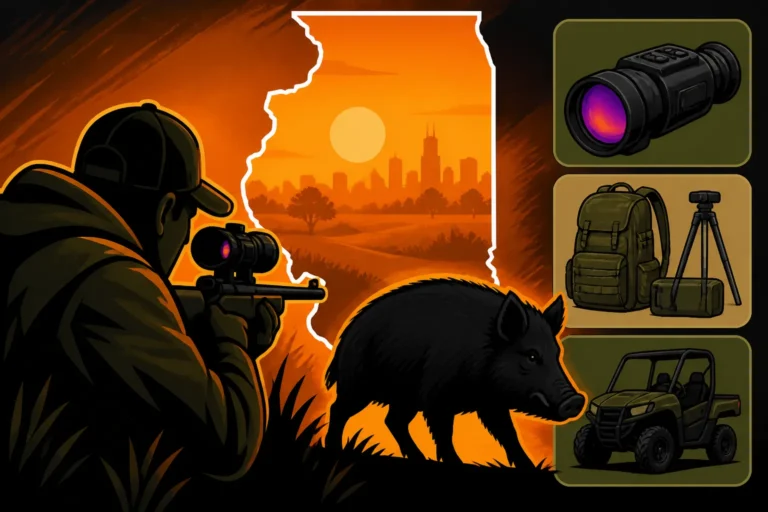
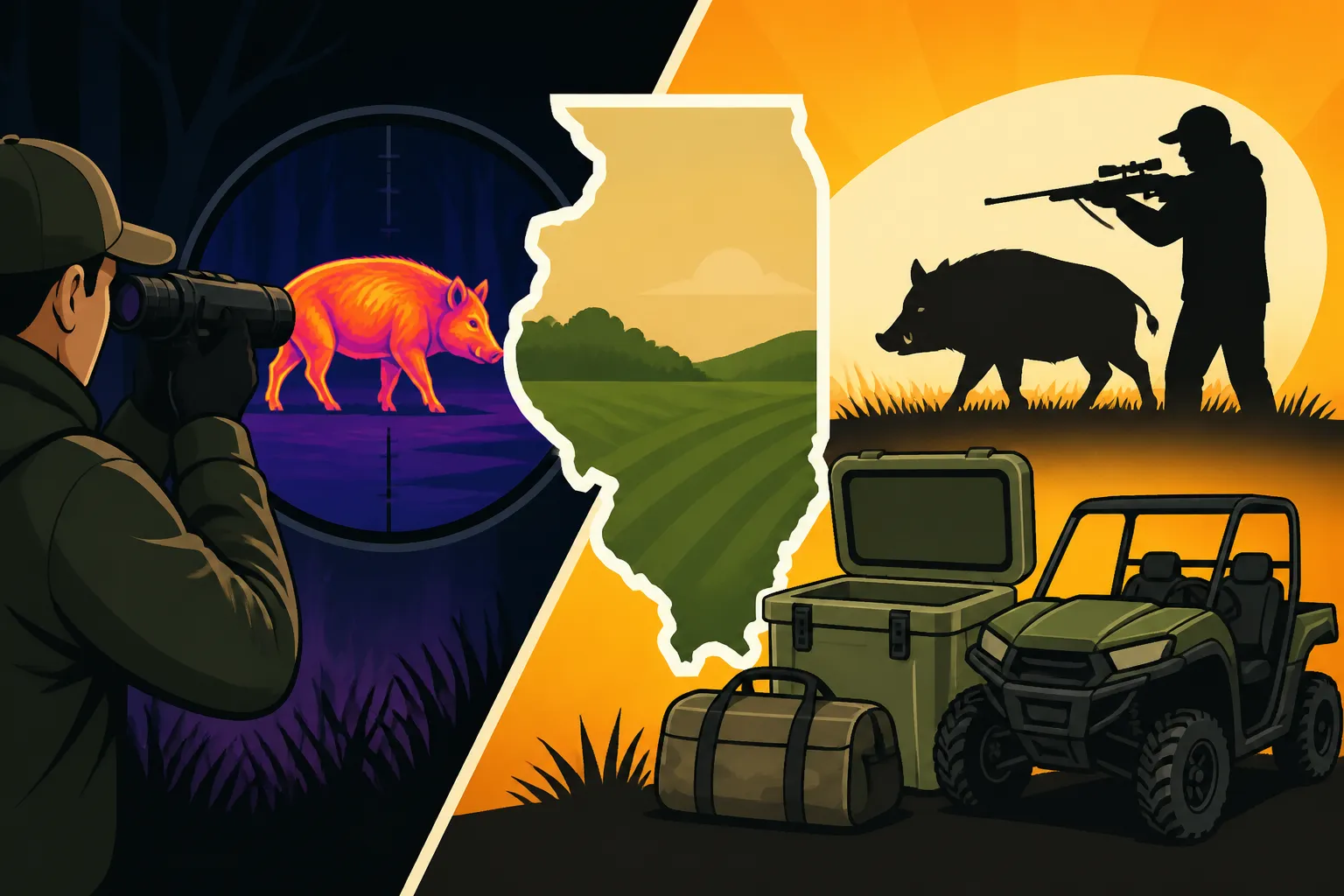
The most obvious factor driving the cost of a thermal hog hunt package is the equipment itself. Thermal optics are incredibly advanced pieces of technology, far more complex and expensive than your standard daytime riflescope or binoculars. Guides and outfitters who offer these hunts have made substantial investments in high-quality thermal scanners, rifle scopes, and often night vision devices. These aren't just gadgets; they are mission-critical tools that allow you to locate and identify hogs in complete darkness, giving you a distinct advantage.
Imagine trying to spot a black hog in a field of shadows without thermal – it’s nearly impossible. With the right thermal gear, however, those hogs light up like beacons, turning an impossible task into a viable hunting opportunity. When you book a package, you're essentially getting access to this cutting-edge gear without having to shell out thousands of your own dollars for it. This includes not just the optics, but also the weapon systems they're mounted on, which are often purpose-built or adapted for night hunting with suppressors or specialized lighting.
Guide Expertise and Land Access
Another significant component of the package cost is the invaluable expertise of your guide and their access to prime hunting land. Feral hogs aren't native to Illinois, but they've established pockets in certain areas, and finding them consistently requires intimate knowledge of their habits and movements. A good guide doesn't just show up; they've spent countless hours scouting, deploying trail cameras, and understanding the specific properties they hunt. They know the bedding areas, the travel corridors, and the feeding patterns of the hogs in their territory.
Furthermore, most thermal hog hunting, especially with advanced equipment, takes place on private land in Illinois, where outfitters have secured exclusive hunting rights. This means they've either purchased the land, entered into lease agreements with landowners, or developed long-standing relationships that grant them access. This access is crucial because it ensures a controlled environment, often with higher hog populations and less pressure, increasing your chances of success. That "private land premium" is factored into the package, saving you the immense time and effort of trying to gain permission yourself.
Included Amenities and Services
Beyond the hunt itself, many thermal hog hunt packages come with a range of amenities and services designed to make your trip as comfortable and hassle-free as possible. This can vary widely between outfitters but often includes things like lodging, meals, and transportation around the hunting property. After a long night of hunting, a warm bed and a hot meal are incredibly welcome. Some packages might even include initial processing of your harvested hogs, like field dressing and quartering, which is a massive convenience, especially if you're traveling a distance.
When comparing packages, always scrutinize what's truly included. Does it cover ammunition? What about skinning and butchering services beyond field dressing? Is there a cap on the number of hogs you can harvest? These details can significantly impact the overall value proposition. You might find a "cheaper" package that ends up costing more once you factor in all the extras you'll need to pay for out of pocket. Thinking about the logistics, a package that includes comfortable accommodations and meals lets you focus entirely on the hunt rather than worrying about where you’ll sleep or eat.
Factors Influencing Thermal Hog Hunt Pricing in Illinois
The price of a thermal hog hunt package in Illinois isn't a one-size-fits-all number. Several variables play a significant role in how outfitters structure their offerings and, consequently, what you can expect to pay. Understanding these factors will help you make a more informed decision and find a hunt that aligns with your budget and expectations.
Duration and Number of Hunters
One of the biggest drivers of cost is the length of the hunt. A single-night hunt will naturally be less expensive than a multi-day package that might include two or three nights of hunting, plus additional days for travel and lodging. Longer hunts typically offer more opportunities, increasing your chances of success and allowing for a more relaxed pace. For example, a three-day, two-night package gives you multiple chances to encounter hogs, especially if weather or hog movement is unpredictable on any given night.
The number of hunters in your group also impacts the per-person cost. Many outfitters offer discounts or special rates for groups. If you're planning a trip with a few hunting buddies, you might find that booking together can lead to significant savings compared to going solo. Group hunts can also be a lot of fun, sharing the excitement of the chase with friends. Always ask about group rates when you're inquiring about packages. Consider whether you prefer a truly private, one-on-one guide experience or if you're comfortable sharing the adventure with a small group of fellow hunters.
Inclusions and Exclusions in the Package
As mentioned earlier, the specific inclusions and exclusions are crucial. A basic thermal hog hunt might only cover the guide service, access to the land, and the use of the thermal equipment and firearm for the duration of the hunt. More comprehensive, all-inclusive packages could add lodging, meals, beverages, transportation from a local airport, and even basic meat processing. The more services an outfitter wraps into the package, the higher the upfront cost will be, but it might save you money and headaches in the long run.
Be mindful of what's not included. Things like hunting licenses, ammunition beyond a certain amount, gratuities for your guide, taxidermy services, and advanced meat processing (like sausage making or vacuum sealing) are almost always additional costs. It’s always best practice to ask for a detailed breakdown of what’s covered and what isn’t. This transparency helps you avoid any surprises and budget accordingly. Sometimes, a seemingly higher-priced package is actually a better value because it covers all the incidentals that would otherwise add up. Many hunters find that the convenience of an all-inclusive package, even if it has a higher initial price, is well worth it.
Outfitter Reputation and Location
The outfitter's reputation and the specific location of their hunting grounds in Illinois can also influence pricing. Outfitters with a long track record of successful hunts, excellent reviews, and prime access to areas with high hog concentrations often command higher prices. You're paying for their proven ability to put you on hogs and provide a quality experience. These are the guides who have built their businesses on consistently delivering results, and that trust is reflected in their pricing structure.
Similarly, properties located in regions known for abundant feral hog activity might also lead to slightly higher costs due to demand and the inherent value of the hunting resource. Southern Illinois, for example, might have different pricing structures compared to other areas where hogs are less prevalent. When you're searching for guides, consider using platforms like BookYourHunt or GoHunt, which can give you a sense of available outfitters and their typical offerings, though you'll still need to contact them directly for current pricing. Always look into the outfitter's background, read reviews, and ask for references. A reputable guide who is licensed and insured offers peace of mind.
| Package Type | Typical Inclusions | Common Exclusions | Key Benefits |
|---|---|---|---|
| Basic Night Hunt | Guide service, thermal gear, firearm use, land access | Lodging, meals, license, ammo, processing, tips | Lower entry cost, flexible lodging |
| Weekend Getaway | All basic inclusions, 1-2 nights lodging, some meals | License, ammo, tips, extensive processing | More hunt time, convenient stay |
| All-Inclusive Experience | All basic & getaway inclusions, all meals, full processing, airport transport | License, tips, specific personal gear | Maximum convenience, minimal planning |
Getting the Most Value from an Illinois Thermal Hog Hunt
Investing in a thermal hog hunt package is a significant decision, and you want to ensure you're getting the best possible value for your money. It's not just about finding the cheapest option, but rather securing a high-quality, memorable experience that meets your expectations.
Researching Outfitters and Packages
The first step to maximizing value is thorough research. Don't jump on the first package you see. Take your time to explore different outfitters operating in Illinois that offer thermal hog hunts. Look at their websites, social media, and read reviews from past clients. A good outfitter will be transparent about their operations, success rates (while understanding that hunting is never a guarantee), and what their packages include. Pay attention to how they communicate; professionalism and responsiveness are good indicators of a well-run operation.
Utilize online hunting forums and communities to gather firsthand accounts. Sometimes, other hunters can share valuable insights about specific guides or regions. While some services like BookYourHunt or GoHunt might list outfitters, always follow up with direct communication to discuss current offerings and pricing. Don't be shy about asking questions about their experience, the areas they hunt, and what a typical hunt day (or night) looks like. A reputable outfitter will be happy to answer all your queries. You want to make sure their hunting philosophy aligns with yours, whether you prefer a more active spot-and-stalk or a stand-hunting approach.
Asking Detailed Questions Before Booking
Once you've narrowed down your choices, prepare a list of detailed questions to ask each outfitter. This is where you can truly dig into the specifics and compare offerings apples-to-apples. Beyond what's included and excluded, ask about:
- Group size: Will you be hunting alone with a guide, or as part of a larger group?
- Harvest limits: Is there a limit on the number of hogs you can shoot? Some offer unlimited hogs, others have a cap.
- Weapon options: Do they provide multiple firearm choices, or are you limited to one type? Can you bring your own?
- Meat handling: What happens to the meat after the hunt? Are there options for donating it if you don't want it all? What are the specifics of their processing service?
- Contingency plans: What happens if there's severe weather, or if you don't see any hogs on your designated hunt? Are there any rebooking options or guarantees (rare in hunting, but worth asking)?
- Deposit and cancellation policy: Understand their terms upfront, especially if unforeseen circumstances might arise.
Knowing these details helps you understand the true value of the package and prevents any misunderstandings down the road. For example, if you're particularly interested in Night Hunting Hogs With Lights on Private Land, ask how their thermal hunt might incorporate or differ from that experience, as some outfitters might use lights in conjunction with thermal. Also, clarify any rules specific to Illinois Feral Hog Regulations to ensure you're always hunting legally and ethically.
Understanding Additional Costs and Logistics
Even with an all-inclusive package, there are almost always some additional costs you'll need to account for. Licenses and permits are a prime example; always clarify which Illinois licenses you'll need and their cost. Travel to and from the hunting location, whether by car or air, is another major consideration. If you're flying, factor in baggage fees for your gear or meat coolers.
Beyond the essentials, don't forget about gratuities for your guide. Tipping is customary in the outdoor industry, and a well-deserved tip acknowledges the hard work and dedication of your guide. Budget for personal hunting gear you might need, like appropriate clothing for nighttime temperatures, insect repellent, or any personal snacks and drinks not provided. Lastly, if you plan to get a trophy mounted, research taxidermy costs and logistics for getting your trophy home, especially if you're traveling a long distance. Considering all these aspects will give you a holistic view of the total investment and help ensure a smooth, enjoyable, and value-packed thermal hog hunting experience in Illinois. If you're traveling from out of state, understanding Illinois Nonresident License Options and Illinois nonresident deer permit options could be a good primer, even for hog hunting, as some regulations might overlap or provide context for general licensing.
Disclaimer
This article is for general informational purposes only and does not constitute professional advice. Laws, prices and regulations vary by location and change over time. Consult a qualified professional for guidance on your specific situation.