Red Flags in an Illinois Outfitter’s Pitch
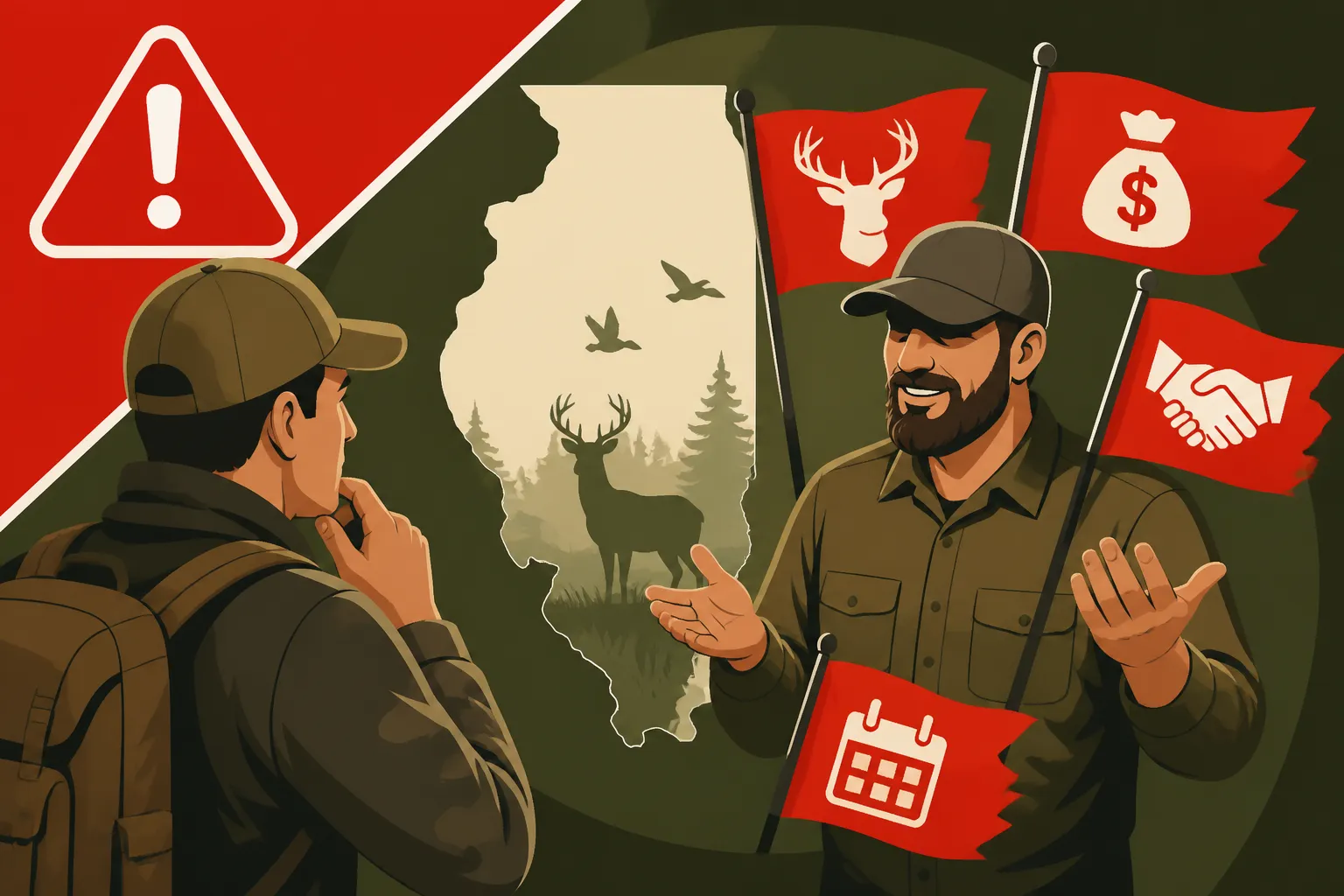
Planning an Illinois hunting trip, especially if you're traveling from out of state or looking for that dream trophy, often leads folks to consider an outfitter. The promise of prime ground, experienced guides, and perhaps even a cozy lodge sounds fantastic. But the reality is, not all outfitters are created equal, and discerning the legitimate, ethical operations from the less-than-stellar ones can feel like navigating a minefield. This guide will walk you through the tell-tale red flags in an Illinois outfitter's pitch, helping you protect your hard-earned money and ensure your hunt is memorable for all the right reasons.
Unrealistic Promises and Exaggerated Claims
We all want to believe in a perfect hunt, but seasoned hunters know that wildlife is wild, and guarantees are few and far between. When an outfitter's pitch starts sounding too good to be true, it's often because it is.
Inflated Success Rates and Guaranteed Trophy Claims
This is one of the biggest red flags you'll encounter. An outfitter who boasts a "100% success rate" or "guaranteed P&Y buck" should immediately raise your suspicion. Hunting is, by its very nature, unpredictable. Weather, deer movement, hunting pressure, and hunter skill all play huge roles in success, and none of these can be fully guaranteed. Any outfitter claiming absolute certainty about harvesting an animal, let alone a trophy, is either exaggerating wildly or engaging in unethical practices (like high-fence operations without full disclosure, which isn't generally how free-range Illinois hunting works).
Think about it: have you ever had a 100% success rate on any of your self-guided hunts? Probably not, and you're good at what you do! So why would a guide be immune to the whims of nature? They aren't. While a good outfitter will put you in the best possible position for success, they can't make an animal step out. A more honest and trustworthy outfitter will discuss opportunity rates and harvest rates, often breaking them down by weapon type or season. They might say, "Our hunters typically have 80% shot opportunities on mature bucks during the rut," which is a far cry from a "guaranteed kill." You can learn a lot about what goes into a successful hunt by understanding Illinois Deer Harvest Records.
Ridiculously Low or Hidden Costs
A deal sounds great, right? But sometimes, a price that seems significantly lower than comparable operations can be a huge warning sign. Quality hunting experiences—prime land access, experienced guides, comfortable lodging, and good food—come at a cost. If an outfitter is charging significantly less than the market average for an equivalent hunt, you need to dig deeper. Are they cutting corners on guide quality, food, lodging, or even the quality of the hunting ground itself?
Beyond a low sticker price, watch out for hidden fees that suddenly appear. This might include extra charges for field dressing, caping, game retrieval, or even something as basic as transportation to and from the hunting area. A reputable outfitter will provide a clear, all-inclusive price or a detailed breakdown of what is and isn't covered. Make sure you get a written quote that covers all potential costs before you commit. Remember, an upfront, honest discussion about What a Guided Illinois Trophy Deer Hunt Costs will always save you headaches down the line.
Lack of Transparency and Vague Documentation
Trust is built on clarity and openness. If an outfitter seems hesitant to provide clear answers or avoids putting things in writing, it's a major cause for concern.
Vague Contract Terms and Payment Structures
Before you send any money, you absolutely need a clear, detailed contract that outlines everything from the dates of your hunt to the services included, payment schedule, cancellation policy, and what happens in the event of unforeseen circumstances (like severe weather that impacts your hunt). If an outfitter offers only a handshake agreement or a bare-bones contract with vague language, run, don't walk. What happens if you need to cancel? What if the hunt doesn't deliver on its promises? Without clear terms, you have little recourse.
A solid contract should specify things like the type of game you're hunting, the number of hunting days, whether meals and lodging are included, guide-to-hunter ratios, and the specific property or area you'll be hunting. It should also clearly state the total price, what deposit is required, when the balance is due, and what forms of payment are accepted. Don't be shy about asking questions and requesting clarification on any ambiguous clauses. You should also understand Deposits and Cancellation Terms in Illinois before you sign anything.
No Proof of Insurance or Licensing
This is critical for your safety and peace of mind. A legitimate outfitter should carry liability insurance to protect both you and themselves in case of an accident. They should also be properly licensed to operate in Illinois. If an outfitter hesitates or refuses to provide proof of current insurance coverage and any required state or local licenses, that's a huge red flag. Without these, you could be left in a very precarious position should something go wrong.
Don't just take their word for it. Ask for copies of their insurance certificate and license numbers. You can often verify licenses through the Illinois Department of Natural Resources (IDNR) or relevant state agencies. A truly professional operation will be proud to show you they are fully compliant and prioritize the safety of their clients. Understanding Illinois Outfitter Insurance and Licensing is essential due diligence.
Evasive About Specific Land Access and Locations
A reputable outfitter will be transparent about where you'll be hunting. They should be able to tell you, at least generally, what kind of ground they hunt (e.g., river bottom, agricultural fields, timbered ridges in Southern Illinois), whether it's private or public, and potentially even specific hunt areas if they manage multiple properties. If an outfitter is overly secretive about their hunting grounds, it's a sign they might not have the access they claim or are trying to hide something.
They should be able to explain their Land Management Services Beyond the Hunt and how they maintain quality habitat. While they might not reveal exact stand locations or every secret honey hole, they should be able to articulate their strategy and demonstrate legitimate access to quality habitat. Ask about the size of their hunting properties, how many hunters they take on a given week, and how they manage hunting pressure. A vague answer like, "We hunt thousands of acres of prime ground," without further detail, is not good enough.
Pressure Tactics and Poor Communication
How an outfitter communicates with you before you even book can be a strong indicator of how they'll operate during your actual hunt. Watch out for high-pressure sales and unresponsive behavior.
High-Pressure Booking and Limited-Time Offers
Are you feeling rushed to book "right now" because it's the "last spot" or a "once-in-a-lifetime deal" that expires tomorrow? High-pressure sales tactics are a common red flag in many industries, and hunting outfitters are no exception. While popular dates do book up quickly, especially for prime spots like Booking a Pike County Whitetail Outfitter, legitimate outfitters want you to be confident in your decision. They won't pressure you into making a hasty commitment.
Take your time, do your research, and compare options. If an outfitter is pushing you to book without giving you ample time to consider, check references, or read the contract thoroughly, it's a sign they might be more interested in your money than in providing a quality experience. A good outfitter understands that booking a guided hunt is a significant investment and decision.
Poor or Slow Communication
Communication is key, especially when planning something as involved as a hunting trip. If an outfitter takes days or weeks to respond to emails, doesn't return phone calls, or gives incomplete answers to your questions, imagine how frustrating that will be when you're on the ground. This kind of unresponsiveness before you even book is a strong indicator of potential disorganization and a lack of professionalism once your hunt begins.
A professional outfitter will be prompt and thorough in their communications. They'll answer your questions clearly and concisely. If you're consistently chasing them for information, consider it a warning. Remember, you're entrusting them with a significant amount of money and your valuable hunting time. Clear communication ensures everyone is on the same page regarding What to Pack for a Guided Illinois Hunt and every other detail of your trip.
Reluctance to Provide References
Any reputable outfitter should be able to provide you with a list of recent clients you can contact for references. If they hesitate, offer excuses, or flat-out refuse, that's a huge red flag. Talking to past clients is one of the best ways to get an honest, unbiased perspective on what to expect.
When you do get references, actually call them! Ask specific questions:
- Did the outfitter deliver on their promises?
- Was the hunting ground as described?
- How were the guides?
- Were the accommodations and meals satisfactory?
- What was the overall experience like?
- Would they hunt with this outfitter again?
Websites like GoHunt and BookYourHunt also host reviews and ratings, which can be a good starting point, but always try to get direct references as well. If an outfitter isn't listed or reviewed on major platforms like BookYourHunt, that's something to investigate further. It's crucial to Getting References From Past Illinois Clients to ensure a positive experience.
Reputation and Operational Warning Signs
Sometimes the red flags aren't in what's said, but in what's not said, or what you uncover through your own research.
Negative Online Reviews and Poor Reputation
In today's digital age, it's easier than ever to research businesses online. Take the time to scour social media, hunting forums, and outfitter review sites. While a single negative review shouldn't necessarily deter you (some people are just impossible to please), a pattern of complaints about specific issues (e.g., overcrowded hunts, poor guide service, misleading advertising, unsportsmanlike conduct) is a serious warning sign.
Look for consistency in reviews. Are people complaining about the same thing over and over? Pay attention to how the outfitter responds to negative feedback, if at all. A professional outfitter might address concerns respectfully and offer solutions, but a defensive or aggressive response can reveal a lot about their character. Don't be afraid to read between the lines when Reading Illinois Outfitter Reviews Critically.
Disorganized Operations and Unprofessional Demeanor
During your initial interactions, pay attention to the outfitter's overall professionalism. Do they seem disorganized? Are their communications riddled with errors? Do they contradict themselves? While hunting is often a rugged pursuit, the business of guiding should still be professional. This means punctuality, clear communication, and a general sense of being well-run.
An outfitter who seems scattered, forgets details, or has a generally unprofessional demeanor during your conversations might run their actual hunting operation in the same way. This can translate to missed opportunities, poor stand setups, or a general lack of enjoyment during your hunt. Conversely, a smooth, efficient booking process often reflects a well-organized hunt. This is particularly important for ensuring safe and ethical practices, such as adherence to Illinois Firearms Discharge Setback Rules and other critical regulations.
Lack of Specialization or Over-Promising Multiple Species
Be cautious of an outfitter who claims to be an expert in everything. While some operations might genuinely offer excellent multi-species hunts, it's often a red flag when they claim to be the best for deer, turkey, waterfowl, and even small game across vast, disparate regions of Illinois. Specialization often breeds expertise. An outfitter who focuses primarily on White-Tailed Deer Across Illinois or Waterfowl Hunting the Illinois River Valley is more likely to have in-depth knowledge, established properties, and experienced guides for that specific pursuit.
If an outfitter offers too many species or operates across too many different geographical regions, ask how they manage to maintain quality in all areas. Do they have different dedicated guides and properties for each? Or are they spread too thin, leading to a mediocre experience across the board? It's better to pick an outfitter known for excellence in the species you're truly targeting, rather than someone who's a jack-of-all-trades and master of none.
Here's a quick checklist to help you identify potential red flags:
| Red Flag Category | Specific Warning Signs | Why It Matters |
|---|---|---|
| Promises | 100% success rate, "guaranteed trophy" | Hunting is unpredictable; honest outfitters offer opportunity, not certainty. |
| Significantly lower prices than competitors | Quality comes at a cost; could mean cut corners or hidden fees. | |
| Transparency | Vague contracts, no written agreements | Leaves you vulnerable to misunderstandings and no legal recourse. |
| Refusal to show proof of insurance/licensing | Indicates lack of legitimate operation and leaves you unprotected in accidents. | |
| Secretive about hunting land/locations | Might not have access they claim or could be hiding poor conditions. | |
| Communication | High-pressure sales, "book now or lose out" tactics | Puts your interests second to their immediate booking needs. |
| Slow, infrequent, or incomplete responses to questions | Points to disorganization, disrespect, or poor service during the hunt. | |
| Refusal to provide client references | Hiding past dissatisfaction or lack of experience. | |
| Reputation/Ops | Consistent negative online reviews | Indicates a pattern of issues that likely won't improve for your hunt. |
| Disorganized, unprofessional demeanor | Reflects how the entire operation might be run, leading to a frustrating hunt. | |
| Claims expertise in too many species/regions | Could indicate a lack of specialization and mediocre results across the board. |
Ultimately, your best defense against a bad outfitter experience is thorough research, asking pointed questions, and trusting your gut. A good outfitter will be patient, transparent, and happy to address all your concerns. They want you to have a great hunt and become a repeat client or a positive reference. By knowing these red flags, you'll be much better equipped to find the right partner for your Illinois hunting adventure.
Disclaimer
This article is for general informational purposes only and does not constitute professional advice. Laws, prices and regulations vary by location and change over time. Consult a qualified professional for guidance on your specific situation.