Comparing Two Illinois Outfitter Quotes
So, you've decided to invest in an Illinois guided hunt, maybe for that once-in-a-lifetime whitetail or a classic Illinois River Valley duck experience. That's fantastic! But then the quotes start rolling in, and suddenly, you're looking at two or three different proposals that, on the surface, seem to offer similar experiences but have wildly different price tags or vague inclusions. It’s enough to make your head spin, trying to figure out if you’re comparing apples to apples, or if one is actually offering you a bruised apple while the other has a perfect, shiny, expensive Granny Smith. This guide is all about helping you dissect those outfitter quotes, understand what truly matters, and make an informed decision that gets you the hunt you've dreamed of without any nasty surprises.
What to Look For in an Illinois Outfitter Quote
When you first get a quote from an Illinois outfitter, it's easy to jump straight to the bottom line – the total cost. But that number, while important, rarely tells the whole story. A cheaper quote isn't always a better deal if it means you're sacrificing critical elements or will be nickel-and-dimed once you arrive. Conversely, a higher quote might include services you don't necessarily need or value. Your first step should be to look beyond that final figure and understand the foundational elements of what each outfitter is actually proposing.
Package Inclusions: What's Actually Covered?
This is where the rubber meets the road. What precisely is included in that advertised price? Some outfitters offer "all-inclusive" packages, which often cover lodging, meals, guiding services, and sometimes even initial processing. Others might quote you a "day rate" that literally just covers the guide's time, leaving you to fend for yourself on food and accommodation. It's crucial to get a clear, itemized list of what’s part of the package. Does it include transportation once you're on site, or are you expected to drive your own vehicle to different hunting spots? Are hunting blinds or stands provided, or do you need to bring your own portable setup?
For example, a quote for a Guided Illinois Trophy Deer Hunt Costs might simply state "5-day guided hunt," but you need to know if that means 5 days of actual hunting, or if travel days are included in that count. Ask specifically about meals – are they home-cooked, or are you expected to grab fast food in town? Are non-alcoholic beverages provided, or do you need to bring your own? If you're a coffee fiend, you'll want to know if that's brewed at camp or if you're hitting the local gas station every morning. Understanding these details can drastically change the perceived value of one quote over another, even if the base price is similar.
Permit and License Assistance
Navigating Illinois's hunting license and permit system can be a bit of a labyrinth, especially for non-residents. Some reputable outfitters offer assistance with this process, which can be a huge value-add. They might guide you through the online application for specific permits, clarify deadlines, or even have a system to help secure landowner tags in certain situations. It’s important to clarify if the cost of licenses and permits themselves is included in the quote – generally, it's not, but a clear statement prevents misunderstandings.
While an outfitter can't magically get you a permit if the lottery is competitive or dates are missed, their expertise can prevent common pitfalls. Ask if they provide a clear checklist of what you'll need to purchase and by when. For instance, Booking an Illinois Hunt as a Nonresident often involves specific application periods and a separate purchase for a base hunting license and habitat stamp. A good outfitter will make sure you're aware of all these requirements well in advance, rather than leaving you scrambling days before your trip. This level of support might not have a direct monetary value in the quote, but it certainly saves headaches and reduces the risk of arriving unprepared.
Guide-to-Hunter Ratios
This factor directly impacts the quality of your experience. A 1:1 guide-to-hunter ratio means you'll have a dedicated guide focusing solely on you, your needs, and your hunt strategy. This is often the most expensive option but provides the most personalized experience. A 1:2 ratio means two hunters share one guide, which can still be very effective, especially for experienced hunters or specific types of hunts like turkey or waterfowl. Ratios of 1:3 or higher, while potentially more budget-friendly, can dilute the guide's attention and may mean less one-on-one instruction or scouting.
Consider the type of hunt. For a challenging Still-Hunting Southern Illinois Ridges deer hunt, a 1:1 or 1:2 ratio is often preferred to maximize stealth and responsiveness. For a waterfowl hunt in layout blinds, a 1:3 or 1:4 ratio might be perfectly acceptable as the guide's role shifts more to decoy setup and calling. Don't be shy about asking an outfitter about their typical guide-to-hunter ratio and how they manage group dynamics. Sometimes, even with a higher ratio, if the group is experienced and self-sufficient, it can work out. But if you're a novice or prefer dedicated attention, a lower ratio is paramount.
Breaking Down the Costs: Beyond the Sticker Price
The base price in an outfitter quote is just the beginning of your financial commitment. To truly compare two Illinois outfitter quotes, you need to dig deeper into potential additional expenses, payment structures, and what happens if your plans change. Ignoring these aspects can lead to significant unexpected costs that turn a seemingly good deal into a budget-buster.
Hidden Fees and Extra Charges
This is arguably the most common source of frustration for hunters. What isn't included in the package price that you'll still be expected to pay for? Common extras can include field dressing, caping services for taxidermy, transportation to/from the nearest airport, alcohol, or even specific hunting gear rentals. Some outfitters charge extra for things like ATV usage if you require assistance retrieving game. It’s vital to ask for a comprehensive list of all potential additional costs.
Think about processing: is there a charge for initial field dressing? Will they haul your deer to a local processor, and is that processing fee included, or on you? What about freezer space for your meat until you depart? Even seemingly small things like Wi-Fi access at the lodge can sometimes carry an extra charge. Don't assume anything. Get it in writing or at least a clear email. A transparent outfitter will be happy to provide this information upfront, leaving no room for surprises. Websites like BookYourHunt or GoHunt often encourage outfitters to list all inclusions and exclusions clearly, but always confirm directly with the outfitter.
Gratuities and Tipping Expectations
Tipping your guide is standard practice in the hunting industry, and it's a significant expense that is almost never included in the base quote. However, the expected percentage or amount can vary. Some outfitters will explicitly state their recommended gratuity range (e.g., 10-20% of the hunt cost), while others might be more subtle. It's an awkward conversation to have, but a necessary one to budget properly. Tipping Guides and Dog Handlers can add hundreds, sometimes thousands, of dollars to your overall hunt cost.
Beyond your primary guide, consider if there are other staff members you're expected to tip, such as lodge cooks, cleaning staff, or bird handlers on a waterfowl hunt. Ask the outfitter directly about their tipping policy and what is customary for their operation. This ensures you're prepared and can properly show your appreciation for a job well done. It also helps you accurately compare the total cost of two different quotes, as a cheaper base rate with a high expected tip might end up costing more than a slightly higher base rate with a lower or no tipping expectation for certain services.
Cancellation Policies and Deposit Structures
Life happens, and sometimes even the best-laid plans go awry. Understanding an outfitter's cancellation policy and deposit structure before you book is critical. Most outfitters require a non-refundable deposit to secure your dates, often 25-50% of the total hunt cost. What are the terms for the remaining balance? Is it due 30, 60, or 90 days out? What happens if they have to cancel due to unforeseen circumstances (e.g., natural disaster, guide illness)?
Compare these terms carefully between quotes. Some might offer a credit for a future hunt, while others might simply keep your deposit. Are there options for transferring your hunt to another hunter if you can't make it? Deposits and Cancellation Terms in Illinois can vary widely, so don't assume. Some outfitters are more flexible than others, especially with sufficient notice. If you're concerned about potential cancellations, look into third-party trip insurance that specifically covers hunting trips, as this can often recoup your investment if you're forced to cancel for a covered reason.
Evaluating the Hunt Experience and Logistics
Beyond the price, the actual experience on the ground is what you're paying for. A quote might look good on paper, but if the hunt style doesn't match your expectations, or the logistics are a nightmare, you won't be satisfied. This section helps you dive into the qualitative aspects that differentiate one outfitter from another.
Hunt Style and Success Rates
Every outfitter has a particular hunt style, and it's important that it aligns with your preferences. Are they primarily stand hunters, spending long hours in tree stands or ground blinds? Or do they favor more active tactics like still-hunting, calling, or even deer drives (if permitted for the season, like during Deer Drives on Illinois Public Land)? For waterfowl, is it layout blinds in fields, or river blinds on the Illinois River? Ask specific questions about their approach for the species you're targeting.
Success rates are another critical point. Be wary of outfitters who promise "100% success" or "guaranteed kills." Wildlife is wild, and no ethical outfitter can truly guarantee an animal will be harvested. Instead, look for outfitters who provide realistic "opportunity rates" (percentage of hunters who had a shot opportunity) or "harvest rates" (percentage of hunters who harvested an animal). Ask for their success rates from previous seasons, and question how they define "success." Is it just seeing a legal animal, or actually getting a shot at a quality one? You can gain further insights into how these claims are measured by reviewing a guide on Reading Outfitter Success Claims.
Accommodations and Meal Quality
The quality of your stay can significantly impact your overall hunt enjoyment. Some Illinois outfitters offer rustic cabin lodging, others provide comfortable modern lodges with all the amenities, and some might put you up in a local motel. Neither is inherently better, but your preference matters. If you're looking for a luxurious "glamping" experience, a bare-bones bunkhouse might be a deal-breaker. Ask for photos of the accommodations, both inside and out. Do they have private bathrooms, or is it communal? Is there a common area for relaxation after the hunt?
Meal quality is also subjective but important. Some outfits pride themselves on delicious, hearty, home-cooked meals, while others might offer basic fare or expect you to eat out. Ask about typical breakfast, lunch, and dinner menus. If you have dietary restrictions or preferences, can they be accommodated? For example, if you're on a multi-day waterfowl hunt, knowing if hot lunches are brought to the blind or if you're packing a cold sandwich can make a big difference. Don't forget to ask about evening activities or amenities like fire pits, game rooms, or satellite TV, especially if you're with a group.
Travel and Logistics Support
How easy is it to get to the hunting area? Will the outfitter pick you up from the nearest major airport, or are you responsible for your own transportation to the lodge? What about local transportation once you're there – will they drive you to and from hunting spots, or do you need your own vehicle? These logistical details, while seemingly minor, can add stress and expense if not clarified upfront.
For many hunters traveling from out of state, seamless travel logistics are a huge plus. If you're flying in, ask which airports they recommend and if shuttle services are included. If you're driving, ask about parking availability and any specific directions. Also, inquire about game handling after the harvest. Will they assist with quartering, cooling, and preparing your game for transport home? This is particularly relevant if you're looking for Trophy Buck Guides in Pike and Adams Counties and plan to have taxidermy work done or ship meat. Clarity on these points can save you time, money, and hassle on both ends of your trip.
Red Flags and Key Questions to Ask
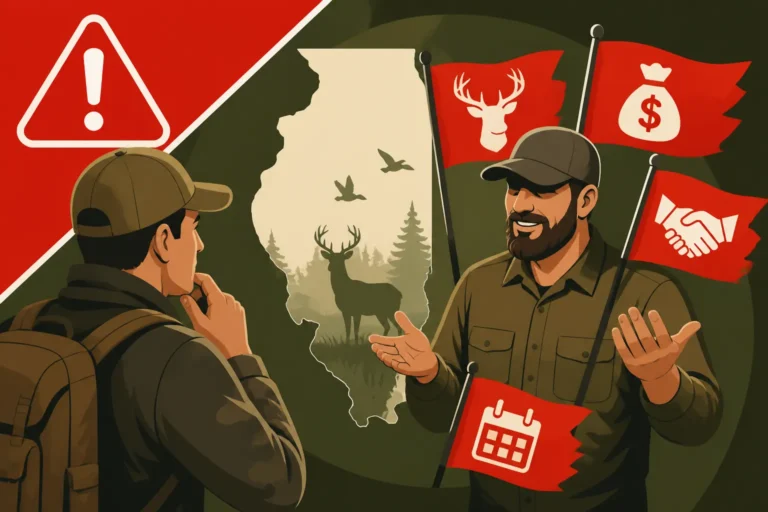
Unfortunately, not all outfitters are created equal, and some operate with less transparency or integrity than others. Being aware of potential red flags and knowing what critical questions to ask can protect your investment and ensure you have a positive hunting experience in Illinois.
Unrealistic Guarantees and Vague Language
Be highly skeptical of any outfitter who offers "guaranteed kills" or uses overly vague language about their services. As mentioned before, ethical hunting involves wild animals, and guarantees are simply not possible. An outfitter who makes such claims might be prioritizing bookings over realistic expectations or even engaging in questionable practices. Likewise, watch out for language that is intentionally ambiguous about what's included or excluded. Terms like "some meals provided" or "transportation available" leave too much open to interpretation.
When a quote lacks specificity, that's your cue to dig deeper. If they're hesitant to provide clear, written answers to your detailed questions, that's a significant red flag. A reputable outfitter will be proud of their operation and eager to share all the details, including photos, testimonials, and clear explanations of their services. If you feel like you're pulling teeth to get basic information, it might be time to look elsewhere. Checking reviews on platforms like BookYourHunt or GoHunt can often reveal if other hunters have experienced similar issues with vague promises.
Lack of References or Transparency
A professional outfitter should be able to provide you with a list of recent client references. Don't just ask for them – call them. Speak to previous hunters about their experiences: was the hunt as advertised? Were the accommodations satisfactory? Was the guide knowledgeable and professional? Did they encounter any hidden fees? Their candid feedback is invaluable in Vetting an Illinois Outfitter Before You Book. If an outfitter refuses to provide references, or only offers a few suspiciously glowing, anonymous testimonials, that's a major warning sign.
Transparency also extends to their licensing and land access. Does the outfitter possess all necessary state and local licenses to operate? Are they forthcoming about the properties they hunt? Do they hunt private land, public land, or a mix of both? If hunting private land, do they have written leases or permission agreements? These details, while perhaps not explicitly in the quote, speak volumes about the professionalism and legitimacy of the operation. This type of due diligence is crucial, especially for booking a significant trip like Hunting Central Illinois Farmland Deer.
Pressure Tactics and Limited Availability
Beware of sales tactics that try to pressure you into booking immediately with claims of "last-minute deals" or "only one spot left!" While legitimate last-minute openings can occur, a constant sense of urgency designed to prevent you from doing your research is a red flag. A truly desirable hunt will often have limited availability, but a reputable outfitter will respect your need to make an informed decision, even if it means losing your potential business.
Before you commit, compile a list of Questions to Ask Before Booking an Illinois Hunt. This could include specifics about equipment (e.g., if they provide specific calls or decoys for Waterfowl Hunting the Illinois River Valley), weapon restrictions, game care, and emergency protocols. If an outfitter tries to rush you or dismiss your concerns, it's a strong indicator that they may not be the right fit. Take your time, compare your quotes thoroughly, and trust your gut feeling. Your hunting adventure should start with excitement, not sales pressure.
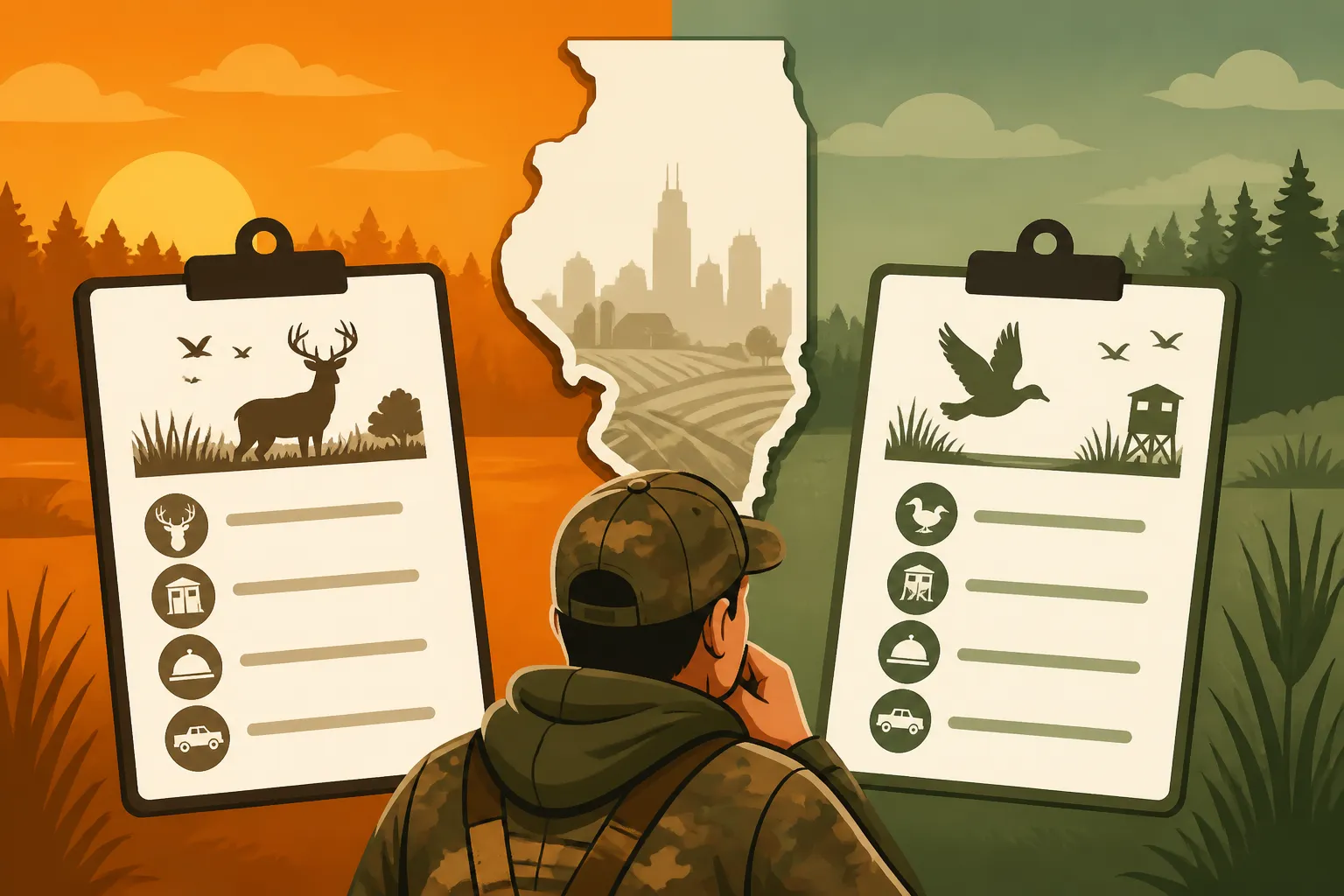
Here's a quick comparison checklist to help you organize your thoughts:
| Feature / Category | Quote 1 Details | Quote 2 Details | Notes / My Preference |
|---|---|---|---|
| Base Price | $X,XXX (5-day hunt) | $Y,YYY (4-day hunt + 1 travel day) | Quote 1 looks cheaper, but Quote 2 is shorter, need to factor in per-day cost. |
| Lodging Included? | Yes, shared bunkhouse | Yes, private rooms with amenities | Preference for private room in Quote 2, but at what cost? |
| Meals Included? | Breakfast & Dinner, packed lunch | All 3 meals, home-cooked | Home-cooked is a plus for Quote 2. Ask about meal flexibility. |
| Guide-to-Hunter Ratio | 1:2 (2 guides for 4 hunters) | 1:1 (dedicated guide per hunter) | 1:1 is ideal for my experience level, but higher cost. |
| Permits & Licenses | Hunter responsible, checklist provided | Hunter responsible, online application assistance | Assistance for Quote 2 is a nice bonus. |
| Field Dressing/Caping | Included for deer | Included, but caping is extra ($) | Quote 1 covers more here. |
| Transportation (on-site) | Yes, to all hunting spots | Yes, but limited range, own vehicle recommended | Quote 1 seems more comprehensive for local transport. |
| Tipping Guidelines | 10-15% recommended for guide | 15-20% for guide, separate for cook | Quote 2 has more staff to tip. Factor into total budget. |
| Deposit Required | 50% non-refundable | 30% non-refundable, balance 60 days out | Quote 2's lower deposit is appealing. |
| Cancellation Policy | No refund, future credit possible (case-by-case) | Credit for future hunt or transfer to another hunter | Quote 2 offers more flexibility for unforeseen circumstances. |
| Outfitter References | Provided upon request | Provided on website, 3 recent contacts offered | Quote 2 seems more transparent upfront. |
| Hunt Style | Primarily stand hunting, early morning & late evening | Mix of stand hunting & still-hunting/rattling | Quote 2's varied approach sounds more engaging. |
| Success/Opportunity Rates | 80% opportunity, 60% harvest (last year) | 75% opportunity, 55% harvest (last year) | Rates are similar; ask about definition and how they track. |
This article is for general informational purposes only and does not constitute professional advice. Laws, prices and regulations vary by location and change over time. Consult a qualified professional for guidance on your specific situation.