Illinois Outfitters Along the Mississippi River
Hunting along the mighty Mississippi River in Illinois is a dream for many, but the reality of actually finding consistent success in those vast, often-flooded bottomlands can be incredibly daunting. Between navigating intricate public land parcels, deciphering changing water levels, and understanding the highly migratory nature of much of the game, it's easy to feel overwhelmed. This guide will help you understand what Illinois outfitters operating along the Mississippi can offer, how they provide access to prime hunting opportunities, and what to consider when booking a guided trip to this unique and challenging landscape.
The Allure and Challenge of Mississippi River Hunting
There's something truly special about hunting the Mississippi River corridor in Illinois. It's a place where massive timber blocks meet expansive farm fields, where backwater sloughs hold secrets, and where the pulse of migration beats strong. But this same allure often comes with a significant learning curve, especially if you're not from the immediate area.
A Rich Tapestry of Wildlife Along the River
The Mississippi River acts as a superhighway for wildlife, supporting an incredible diversity of game species that draw hunters from all over. It’s a dynamic ecosystem, constantly shaped by the river's flow and seasonal changes.
Deer thrive in the river bottoms, benefiting from abundant food sources like acorns, browse, and agricultural crops that often line the river corridor. These areas provide dense cover, especially in the larger timber blocks and brushy edges, which allows deer to grow to impressive sizes and helps them evade hunting pressure. A Mississippi River bottom buck can be a truly impressive animal, often elusive and heavily nocturnal, making a successful hunt all the more rewarding. Turkey also call these riverine habitats home, particularly the mature timber that offers ideal roosting sites and abundant insects and mast crops for foraging. The spring woods along the Mississippi can echo with gobblers, offering a thrilling experience for those who pursue them.
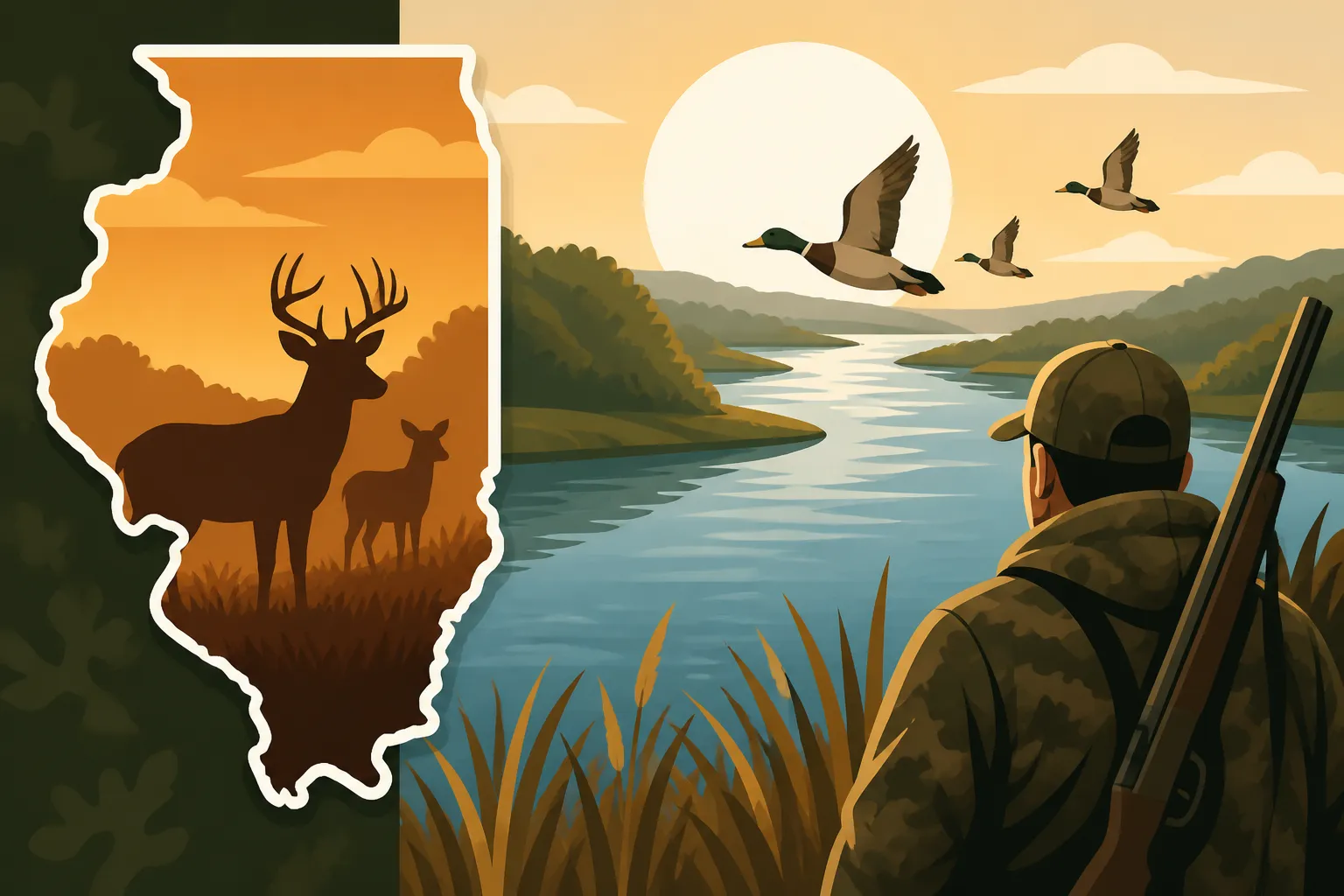
But perhaps what the Illinois side of the Mississippi River is most famous for among hunters is its incredible waterfowl hunting. Positioned squarely in the Illinois Waterfowl on the Mississippi Flyway, the river and its adjacent backwaters, sloughs, and flooded fields are critical staging and feeding areas for millions of ducks and geese moving south each fall. From mallards and pintails to Canada geese and specklebellies, the variety can be astounding. The sheer volume of birds in certain years is something you have to see to believe, turning quiet mornings into cacophonies of wings and calls.
Navigating the Maze: Access and Logistics
Hunting the Mississippi River isn't like hunting a neat, square woodlot. It's often a complex mosaic of private agricultural fields, state and federal wildlife areas, and ever-changing river levels that can dramatically alter access and prime hunting spots year to year, or even week to week. For many, especially those who don't live within a short drive, simply finding reliable access to quality ground can be the biggest hurdle.
Public access exists, of course, but it often comes with heavy pressure and requires extensive scouting to find those hidden gems. You're dealing with vast stretches of timber, often interspersed with sloughs and oxbows, and the river itself can rise and fall significantly, sometimes even flooding access roads or prime hunting areas. This unpredictability means that what might have been a hot spot one week could be underwater or completely dry the next. Land ownership along the river can also be incredibly fragmented, with small private parcels tucked between larger public tracts, making it difficult to understand where you can and cannot hunt without precise maps and local knowledge. This is where outfitters truly shine, as they often have secured leases on prime ground, allowing hunters to bypass the frustrating and time-consuming process of acquiring permissions or navigating crowded public areas. Mississippi River Public Hunting Access is a great resource, but still requires significant legwork.
What Mississippi River Outfitters Bring to Your Hunt
Outfitters operating along the Mississippi River offer a crucial advantage: established access to prime hunting locations and an intimate understanding of this unique environment. They spend countless hours scouting, preparing, and managing properties to provide the best possible experience, taking much of the guesswork and legwork out of your trip.
Specialized Deer and Turkey Hunts
For deer and turkey, Mississippi River outfitters typically focus on private land leases where they can manage habitat and hunting pressure effectively. This usually means access to properties with established food plots, strategic stand placements (often a mix of ladder stands, hang-ons, and ground blinds), and a deep understanding of local deer and turkey movements.
They know the pinch points where deer cross between bedding and feeding areas, the secluded ridges where gobblers like to strut, and the specific acorn flats that are producing in a given year. If you're looking for a trophy whitetail, many outfitters specialize in mature buck hunting, implementing strict harvest criteria to ensure quality animals. They'll guide you to areas known for producing bigger deer and can offer insights into Hunting the Rut in Early November or Hunting the Late-Season December Lull, depending on when you book. For turkey hunters, guides will often scout roost trees, listen for morning gobblers, and set up calling sequences designed to bring birds in close, minimizing the chance of busting a flock before you even get a shot.
World-Class Waterfowl Experiences
When it comes to waterfowl, Mississippi River outfitters are often second to none. They understand that success here hinges on constant adaptability to bird movements, weather patterns, and fluctuating water levels. They invest heavily in equipment, from custom-built blinds and massive decoy spreads to dog handling services and comfortable lodges.
You might find yourself in a heated pit blind overlooking a flooded cornfield, hidden in a layout blind tucked into stubble, or hunting from a boat blind strategically placed in a backwater slough. The guide's knowledge of Duck Migration Timing Through Illinois and local flight patterns is invaluable. They'll know which fields the geese are hitting, which sloughs are holding mallards, and how to set up a spread that looks natural and inviting to wary birds. Many offer specialized hunts for various species, whether you're targeting puddle ducks, diver ducks, or specific goose species like specklebellies. The goal is to put you under the X, and their ability to move and adapt to changing conditions is key. Diver Hunting on the Illinois River can be a particularly exciting experience with a knowledgeable guide.
The Invaluable Resource of Local Expertise
The true value of a Mississippi River outfitter isn't just access to land, it's the expertise they bring. These guides live and breathe the river, watching its rhythms year-round. They monitor Illinois Deer Herd Size trends, track migration patterns, and understand the subtle nuances that dictate success.
They know where the deer bed when the river rises, where the best mast crops are dropping, and which fields the ducks are feeding in after a cold front. This local knowledge is something that takes years, if not decades, to acquire. They can adapt quickly to changing conditions, moving hunts to different locations based on recent scouting reports, wind directions, or new bird movements. This level of insight significantly increases your odds of success and transforms a potentially frustrating trip into a memorable and productive hunt.
Vetting and Booking Your Mississippi River Outfitter
Choosing the right outfitter is crucial for a successful and enjoyable hunting trip along the Mississippi River. Not all services are created equal, and doing your homework upfront can save you a lot of grief (and money) down the line.
Researching Reputable Services
Start by looking for outfitters with a proven track record specifically for Mississippi River hunts. Many general Illinois outfitters exist, but those specializing in the river have a distinct advantage. Platforms like BookYourHunt or GoHunt can be good starting points to browse options, read reviews, and get a general sense of what's available. However, don't stop there.
Once you have a few names, dive deeper. Look for independent reviews, talk to past clients (a reputable outfitter should be happy to provide references), and check their social media for recent hunting photos and reports. A critical step is understanding Vetting an Illinois Outfitter Before You Book. Ask pointed questions about their specific hunting locations along the river, how much land they have access to, and how they manage pressure. You want to ensure they aren't just running hunters through the same small plot day after day.
Understanding Packages and Pricing
Outfitters offer a wide range of packages, and pricing varies significantly based on the species, duration of the hunt, and inclusions. A multi-day guided deer hunt will have a different cost structure than a single-day waterfowl outing. Generally, packages can include:
- Guided Hunting: The core service, with guides leading the hunt.
- Lodging: Often includes accommodations at a lodge or local cabin.
- Meals: Some all-inclusive packages provide meals.
- Decoys & Blinds: Standard for waterfowl hunts, often provided for deer/turkey too.
- Dog Handlers: Crucial for waterfowl recovery.
- Game Retrieval/Care: Assistance with tracking, field dressing, and initial processing.
What's typically not included are your hunting licenses, tags, personal gear, ammunition, gratuities for guides, or taxidermy/meat processing beyond initial field care. It's important to get a clear, itemized quote to avoid surprises. Average Cost of a Guided Illinois Deer Hunt and Illinois River Duck Guide Day Rates can give you a ballpark idea, but always contact the specific outfitter for their current figures. Be wary of any outfitter who isn't transparent about what's included and what's extra.
Key Questions to Ask Before Committing
Before you put down a deposit, have a detailed conversation with the outfitter. Here's a table of essential questions:
| Category | Key Questions to Ask |
|---|---|
| Land Access | How many acres do you hunt along the Mississippi River? Is it private or public land? Do you have exclusive access? How far are hunting areas from the lodge? |
| Success Rates | What are your typical success rates for my desired species? What factors influence success? (e.g., weather, migration). Be realistic, not just numbers. |
| Guiding Style | What is the guide-to-hunter ratio? Will I have a dedicated guide? What's the typical hunting day like? |
| Logistics | What are the lodging and meal arrangements? What gear should I bring? What are the transportation arrangements to/from hunting areas? |
| Preparation | How much scouting do you do before a hunt? What kind of stand setups do you use? Are food plots maintained? |
| Post-Harvest | What assistance is provided for game retrieval, field dressing, and transport? Can you recommend local processors or taxidermists? |
| Financials | What is the total cost, including all fees? What's the deposit and payment schedule? What is your cancellation/refund policy? |
| References | Can you provide references from past clients who hunted for my desired species? |
By asking these questions, you'll gain a much clearer picture of what to expect and ensure the outfitter's services align with your hunting goals.
Maximizing Your Guided Mississippi River Hunt
Once you've booked your trip, the next step is to ensure you're as prepared as possible to make the most of your investment. A guided hunt is a partnership; the outfitter provides the access and expertise, and you bring your skills, gear, and a good attitude.
Preparing for Your Trip
Physical preparation is often overlooked, but it's vital, especially for river bottom hunts. Navigating muddy terrain, carrying gear, and dragging game can be physically demanding. Make sure you're in reasonable shape.
Gear is equally important. Ensure your weapon is sighted in and you're proficient with it. For waterfowl, make sure your shotgun is clean and you have plenty of shells in the correct shot size. Layered clothing is essential, as temperatures can fluctuate wildly, especially during the fall and winter months. Rain gear is a must, and waterproof boots are non-negotiable for river bottom conditions. Always review Illinois Hunting Licenses and What They Cost and regulations well in advance. If you're deer hunting during firearm season, understand Illinois Blaze Orange Requirements. Don't assume your guide will have spare items for you. Pack smart, pack light, and pack for comfort and safety.
Open Communication with Your Guide
The best guided hunts are built on clear communication. Be honest with your guide about your experience level, physical limitations, and what you hope to achieve. If you have a specific goal – say, you're hoping for a mature 8-point deer, or you want to focus on green-winged teal – communicate that. Your guide will do their best to accommodate, but realistic expectations are key.
Listen carefully to their instructions, as they are based on their extensive local knowledge and safety protocols. Don't be afraid to ask questions if you don't understand something. The more open and honest you are, the better your guide can tailor the experience to you and maximize your chances of success. They want you to have a great hunt just as much as you do.
Ethical Considerations and Local Impact
Remember that you are a guest on these lands, whether private or public. Always follow ethical hunting practices, adhere strictly to all game laws, and respect the wildlife. The Mississippi River environment is a precious resource, and responsible hunting helps ensure its health for future generations.
Furthermore, recognize the economic impact your trip has on local communities. From small-town diners to gas stations and tackle shops, your presence supports local businesses. A respectful and appreciative attitude towards your guide and the local community goes a long way. After all, building positive relationships can open doors for future hunting opportunities or simply make your experience more enjoyable.
Disclaimer
This article is for general informational purposes only and does not constitute professional advice. Laws, prices and regulations vary by location and change over time. Consult a qualified professional for guidance on your specific situation.