Mandatory Testing Inside an Illinois CWD County
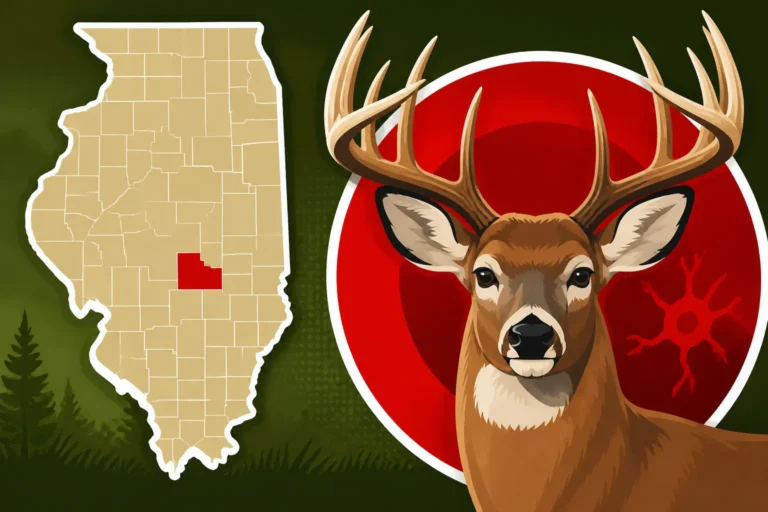
Navigating the ever-changing landscape of deer hunting regulations can feel like a maze, especially when it comes to something as serious and complicated as Chronic Wasting Disease (CWD). For hunters in Illinois's CWD-affected counties, the rules around mandatory testing can be a source of real stress and confusion. This guide is here to cut through that complexity, offering a clear, empathetic breakdown of what mandatory CWD testing entails, why it's crucial, and how you can seamlessly comply when you harvest a deer in one of these designated zones.
Understanding Illinois's CWD Challenge and Mandatory Testing
Chronic Wasting Disease is a nasty neurological disease that affects deer, elk, and moose. It's always fatal, and unfortunately, there's no cure or vaccine. When CWD shows up in an area, it changes everything for hunters and wildlife managers. Illinois has been grappling with CWD for over two decades, and understanding its impact is the first step to understanding why mandatory testing is so important.
The Spread of CWD in Illinois
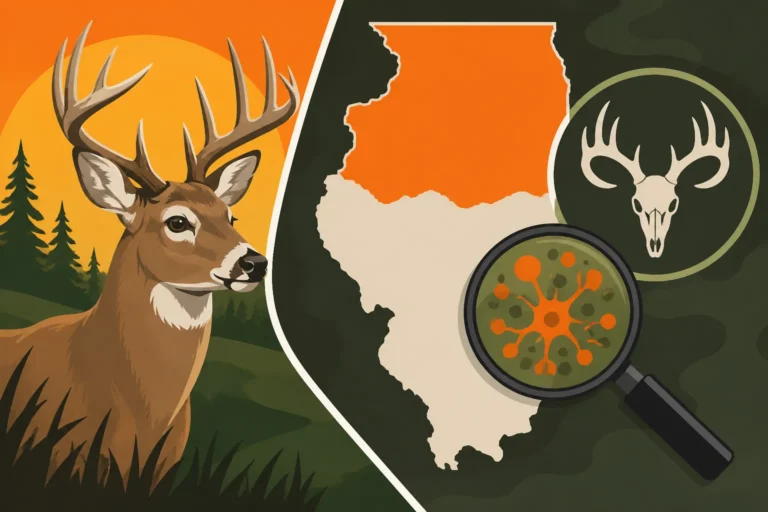
CWD first reared its head in Illinois back in 2002, detected in a white-tailed deer harvested in Boone County, which instantly became ground zero for the state's fight against the disease. From there, it slowly but surely began to spread, primarily moving southward and eastward, affecting more and more counties across northern and central Illinois. The Illinois Department of Natural Resources (IDNR) has been on the front lines, implementing various strategies, from targeted culling (which has seen some changes over the years) to rigorous surveillance and testing, all in an effort to monitor and, ideally, curb its expansion. The goal is not just to track the disease but to understand its prevalence and slow its rate of spread, preserving the health of our deer herd for generations to come. For a deeper dive into its origins, check out how the disease started spreading from Why Boone County Became Ground Zero for CWD.
The disease itself is caused by abnormal proteins called prions, which accumulate in the brain and nervous system, leading to emaciation, abnormal behavior, and eventually death. It can spread through direct contact between deer, or indirectly through contaminated environments like soil and vegetation. Because it can linger in the environment for years, containing CWD is a monumental task, and every hunter plays a vital role in that effort.
What "Mandatory Testing" Actually Means for Hunters
Okay, let's get down to brass tacks. "Mandatory testing" isn't just a suggestion; it's a requirement for hunters who harvest deer within specific CWD-affected counties during certain periods, particularly during the firearm seasons. This isn't about shaming anyone; it's about getting the data the IDNR needs to understand the disease's presence and impact.
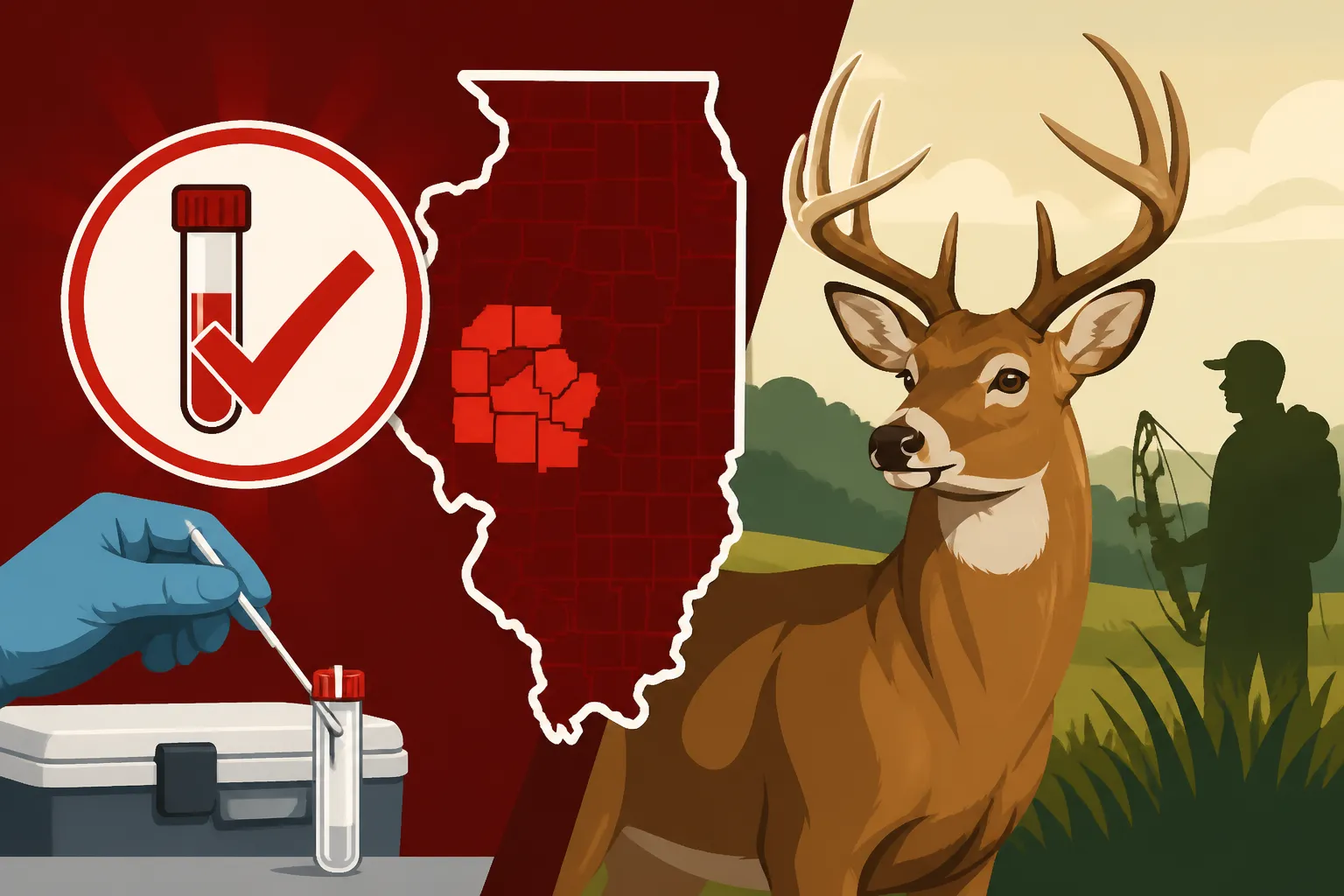
Essentially, if you're hunting in a county designated as a mandatory CWD sampling county (these are usually the core CWD zone counties), and you harvest a deer during the open firearm deer season (often the first and second firearm seasons), you are required by law to submit specific samples from your deer for CWD testing. This isn't about every deer taken during archery, though voluntary samples are always appreciated. It's focused on getting a statistically significant sample size from specific areas and seasons where deer movement and hunter density are high. This ensures the IDNR gets the most accurate picture of the disease's prevalence in critical areas. You might find information on these requirements through apps like GoHunt, which often integrates state regulations. This testing is a critical component of Illinois's overall CWD management strategy, helping track the disease and informing future decisions.
Why Mandatory Testing is So Important
You might wonder, "Why my deer? And why is it mandatory?" The answer lies in the sheer scale of the CWD problem and the need for reliable data. Think of mandatory testing as vital scientific surveillance. Without a consistent, broad sample of deer from affected areas, wildlife biologists would be flying blind. This data allows them to:
- Monitor Disease Prevalence: Track how widespread CWD is in specific counties and within the deer population. Are infection rates going up or down? Are new areas becoming infected?
- Identify Hotspots: Pinpoint areas where the disease is more concentrated, allowing for more targeted management efforts.
- Evaluate Management Strategies: Determine if current management practices are working or if adjustments need to be made. For instance, understanding Illinois CWD Prevalence in the Northern Zone is critical for regional management.
- Protect Herd Health: Ultimately, the goal is to maintain a healthy and viable deer population for future hunting opportunities and ecosystem balance. A CWD-ridden herd isn't just a hunting problem; it's an ecological one.
Each sample submitted contributes a piece to a much larger puzzle, providing the IDNR with the scientific evidence needed to make informed decisions for the long-term health of Illinois's deer herd. Your participation, though it might feel like an extra step, is a direct contribution to conservation.
Navigating the Mandatory CWD Testing Process
Once you've harvested a deer in a mandatory testing county, the clock starts ticking to get your sample submitted. Don't worry, it's not as complicated as it might sound, especially once you know the steps.
Identifying CWD-Affected Counties and Hunt Zones
The first and most important step is knowing if you're even in a mandatory testing zone. The IDNR maintains an updated list of counties designated as part of the Illinois's Chronic Wasting Disease Zone. These counties are often clustered in Northern and some Central Illinois regions, where CWD has been consistently detected. It's crucial to consult the most current IDNR regulations each year, as counties can be added or removed based on surveillance data. A quick check of the IDNR website or even using a mapping tool like GoHunt can clearly show county boundaries and current CWD status. These resources are invaluable for any hunter, providing real-time information that can prevent misunderstandings. Staying informed about the specific Illinois CWD Testing for Hunters requirements for your hunting area is non-negotiable.
Remember, even outside the mandatory testing zones, voluntary testing is always an option and strongly encouraged. It helps the IDNR get an even broader picture of the disease's distribution.
Step-by-Step Guide to Submitting a Sample
So, you've dropped a deer in a mandatory CWD county during firearm season. Now what? Here's the practical rundown:
- Tag Your Deer: As always, immediately tag your deer with your valid permit. This is standard procedure for any harvested deer.
- Report Your Harvest: Report your harvest via phone, online, or through the Illinois DNR Direct app. This step is also mandatory for all deer harvests in Illinois.
- Locate a CWD Sampling Station: The IDNR sets up CWD sampling stations within affected counties, especially during the firearm deer seasons. These might be staffed check stations, self-serve drop-off barrels, or even participating meat processors. The best way to find one is through the IDNR's website, which provides a list and map, or by utilizing mapping applications like GoHunt, which often highlight these locations. Knowing where these are before you hunt is a smart move. You can also look up Finding an Illinois CWD Sampling Location for more specifics.
- Transport Your Deer (or Head): You'll need to transport your deer (or at least its head, with several inches of neck attached) to a sampling station. The IDNR typically prefers the entire head to collect lymph node samples. Some stations might allow you to bring just the head after you've processed the rest of the deer, but check the specific station's guidelines.
- Submit Your Sample:
- Staffed Stations: At a staffed station, wildlife technicians will collect the necessary samples (usually lymph nodes from the neck/head area). They'll ask for your harvest information, permit number, and contact details. This usually takes just a few minutes.
- Self-Serve Stations (Drop-off Barrels): For unstaffed drop-off barrels, you'll typically be required to place the deer's head into a provided bag, fill out a detailed tag with your harvest information (permit number, date, county, hunter name, phone, email), and securely attach it to the head before placing it in the barrel. Make sure all information is clear and legible.
- Follow Instructions: Always follow the specific instructions posted at the sampling station or provided by staff. They are there to ensure accurate data collection.
This process is straightforward, but preparation is key. Knowing where you'll go ahead of time, especially after a successful hunt, will save you a lot of headache and ensure you meet the requirements.
What Happens After You Submit Your Sample
Once you've submitted your sample, the waiting game begins. The IDNR will send the collected samples to a diagnostic lab for testing.
- Results Timeline: It typically takes several weeks to a few months to receive test results, especially during peak hunting seasons when labs are processing a high volume of samples. The IDNR aims to get results back to hunters as efficiently as possible.
- Interim Handling of Venison: While you await the results, it is strongly recommended that you do not consume or distribute the meat from the harvested deer. Store it appropriately (e.g., frozen) until you receive a "not detected" result. This is a critical safety precaution.
- Notification of Results: If your deer tests "not detected" for CWD, you usually won't receive a direct notification unless you've requested it or if there's an online portal you can check. However, if your deer tests "detected" (positive) for CWD, the IDNR will contact you directly to inform you of the results and provide guidance on what to do with the carcass. In such cases, the recommendation is to dispose of the meat as municipal solid waste, meaning it should go to a landfill. It's tough news, but it's part of managing the disease.
Your cooperation in holding the meat until results are in is paramount for public health and disease management.
Carcass Movement Restrictions and Other CWD Rules
Beyond mandatory testing, there are other crucial rules designed to prevent CWD from spreading to new areas. These mainly revolve around how you transport and dispose of deer carcasses.
Preventing the Spread: Carcass Movement Limitations
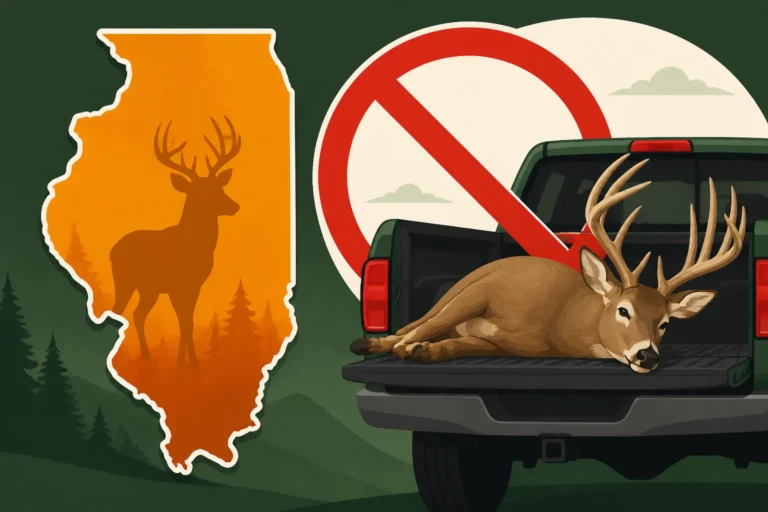
One of the most effective ways to slow the spread of CWD is by preventing infected carcasses or parts from moving into CWD-free zones. This is why Illinois, like many other states, has strict carcass movement restrictions, especially for deer harvested in CWD-positive counties. The general rule is this: you cannot transport certain high-risk parts of a deer out of a CWD-affected county unless they've been prepared in a specific way. For detailed regulations, it's worth reviewing Illinois Carcass Movement Restrictions directly.
Here's what you can typically move out of a CWD-affected county:
- Boned-out meat: This is the safest way to transport venison. All meat is removed from the bone.
- Quarters or other large pieces of meat with no part of the spinal column or head attached.
- Skinned hides with no head attached.
- Clean skull plates (antlers attached) where all brain matter and tissue have been removed.
- Cleaned teeth.
- Finished taxidermy products.
What you cannot move (or move only under strict conditions) out of a CWD county:
- Whole or partial carcasses: This includes the head and spinal column, where CWD prions are most concentrated.
- Brain, spinal cord, eyes, spleen, and lymph nodes.
The idea is to remove all nervous system tissue before transporting the animal across county lines, minimizing the risk of inadvertently spreading infected prions to new areas through discarded carcass parts. Always debone your deer in the field or within the CWD-affected county if you plan to transport it home to a non-CWD county.
The Role of Voluntary Testing and Hunter Cooperation
While mandatory testing targets specific counties and seasons, voluntary testing and overall hunter cooperation are critical components of a comprehensive CWD management strategy. Even if you're hunting in a county where testing isn't mandatory, submitting a sample from your harvested deer is a huge help to the IDNR. It allows them to collect data from a wider geographical area and detect the disease earlier if it has silently spread.
Many meat processors in non-mandatory CWD counties participate in voluntary sampling programs. They can collect the necessary lymph node samples for you, often for a small fee or even free if they are part of an IDNR program. Apps like GoHunt might even highlight these participating processors. By engaging in voluntary testing, you're not just helping the state; you're also getting peace of mind about the venison you plan to feed your family. Every hunter has a stake in the health of our deer, and this kind of collective effort strengthens our conservation outcomes.
Staying Informed About Evolving Regulations
CWD is a dynamic issue, and regulations can change as the IDNR gathers more data and adapts its management strategies. What's true this season might be slightly different next season. Therefore, staying informed is not just good practice; it's essential for responsible hunting.
Here are the best ways to keep up-to-date:
- IDNR Website: The official Illinois Department of Natural Resources website is your primary source for the most current regulations, CWD zone maps, sampling station locations, and news updates. Always check this before heading out for the season.
- Hunting Digests and Brochures: Pick up the latest Illinois hunting digest wherever licenses are sold. These booklets contain all the current rules and a section specifically dedicated to CWD.
- Local IDNR Offices: Don't hesitate to call or visit your local IDNR office. Wildlife biologists and staff are a wealth of knowledge and can answer specific questions about your hunting area.
- Hunter Education Courses: These courses often include updated information on CWD and other wildlife health issues.
- Hunting Forums and Communities: While not official sources, many online hunting communities and apps like GoHunt can provide quick updates and discussions, but always cross-reference with official IDNR sources.
By proactively seeking out information, you ensure that you're always hunting legally and contributing positively to Illinois's ongoing efforts to manage CWD and protect our cherished deer herd.
Here's a quick reference table for CWD Carcass Movement:
| Carcass Part | Allowed Movement Out of CWD County | Notes |
|---|---|---|
| Boned-out Meat | Yes | Must be completely removed from the bone. |
| Quarters (without spinal column/head) | Yes | All spinal and head material removed. |
| Hide (skinned) | Yes | No head attached. |
| Clean Skull Plate (antlers attached) | Yes | All brain matter and tissue must be removed. |
| Teeth (cleaned) | Yes | |
| Finished Taxidermy Products | Yes | |
| Whole Carcass (including head/spine) | No | Only allowed within the CWD-affected county or if taken to an approved CWD processing facility. |
| Brain, Spinal Cord, Eyes, Spleen, Lymph Nodes | No | These are high-risk parts and should be disposed of in the CWD-affected county or at a landfill. |
Disclaimer
The information provided in this guide is for general informational purposes only and does not constitute legal advice. Hunting regulations, including those related to Chronic Wasting Disease, are subject to change. Always consult the official Illinois Department of Natural Resources (IDNR) website and current hunting digests for the most accurate and up-to-date regulations before engaging in any hunting activities. Compliance with all applicable laws is the hunter's sole responsibility.