Feral Hogs Across Illinois
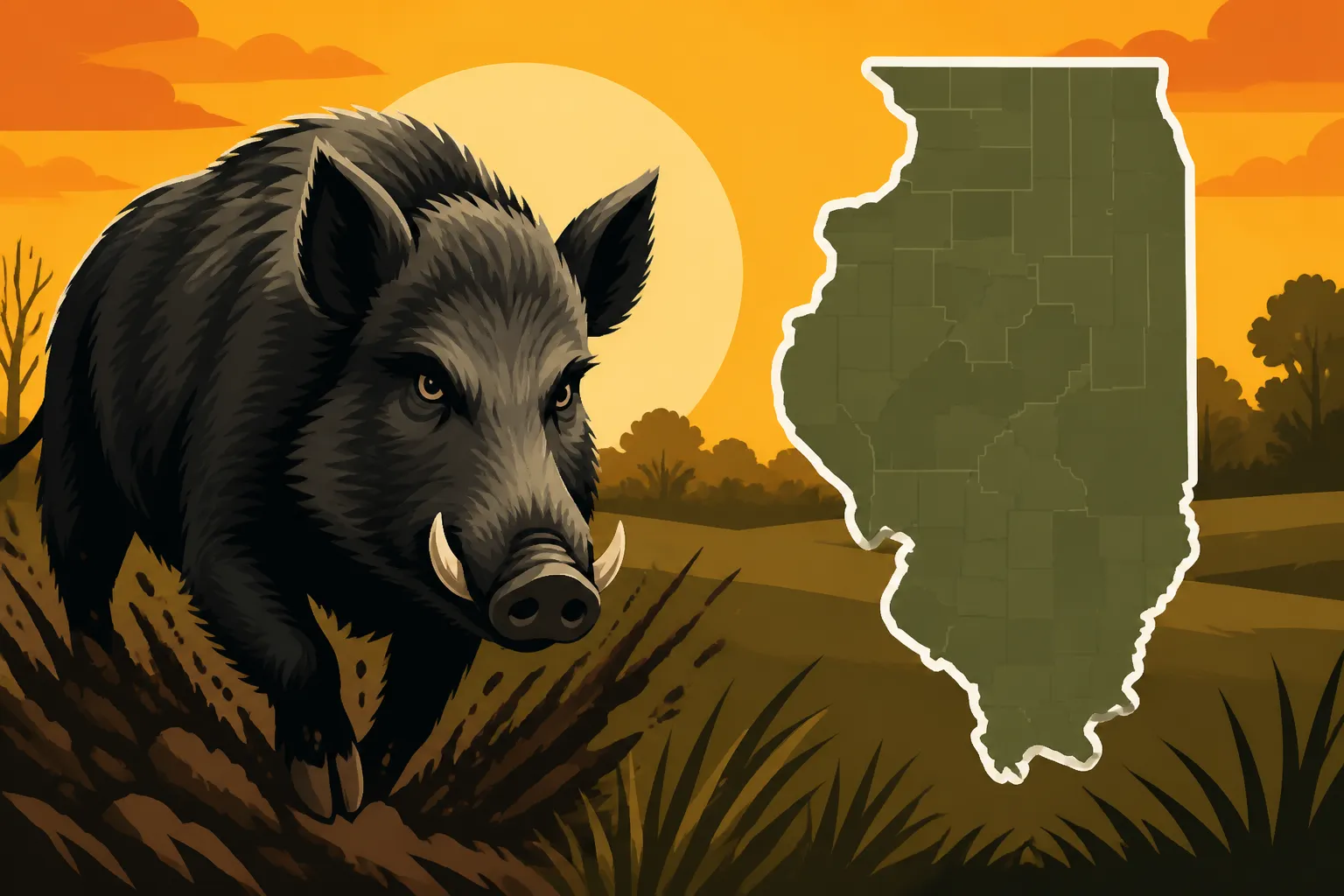
It's a frustrating reality for many outdoors enthusiasts and landowners in Illinois: the relentless spread and destructive nature of feral hogs. These aren't your typical farm animals; they're an invasive, ecologically damaging force that can devastate agricultural crops, degrade natural habitats, and even carry diseases. If you've encountered their tell-tale rooting or heard tales of their elusive nature, you know the challenge is real. This guide is dedicated to equipping you with a comprehensive understanding of feral hogs in our state, from their biology and spread to the most effective hunting and management strategies available.
Understanding the Feral Hog Threat in Illinois
Feral hogs, often interchangeably called wild hogs, wild pigs, or razorbacks, are a serious and growing problem across the United States, and Illinois is no exception. These animals are not native to North America and were initially introduced centuries ago as a food source by European settlers. Over time, escaped domestic pigs, often mixed with wild boars, have established truly wild populations that are remarkably adept at survival and reproduction.
What Exactly Are Feral Hogs?
A feral hog is essentially any hog that is living in a wild state, free from human control. In Illinois, these are typically descendants of domestic pigs that have escaped captivity, or they might be hybrid offspring of domestic pigs and wild Eurasian boars. They vary widely in appearance, with coats ranging from black, brown, red, to spotted or striped. What unites them is their incredible adaptability and intelligence, which allows them to thrive in diverse environments, from dense forests to open farmland. Their physical characteristics often include coarse hair, long snouts, tusks (canine teeth that grow continuously), and a lean, muscular build, all signs of their reversion to a wild state. They are formidable creatures, capable of weighing over 200 pounds, with some boars pushing towards 400 pounds in ideal conditions.
These animals are incredibly prolific breeders. Sows can reach sexual maturity as early as six months of age and can have two litters a year, each averaging 4 to 12 piglets. This rapid reproductive rate means that even aggressive management efforts often struggle to keep pace with population growth. Their intelligence allows them to quickly learn to avoid traps and hunters, making them a challenging quarry. Unlike deer or turkeys, which have specific breeding seasons, feral hogs breed year-round, ensuring a constant influx of new animals into the population.
Why Are They a Problem in Illinois?
The problems caused by feral hogs are multifaceted, impacting agriculture, natural ecosystems, and even human health. Their destructive behavior, primarily their incessant rooting, can turn a lush field or forest floor into a torn-up wasteland overnight. They use their strong snouts to dig for roots, tubers, and insects, a process that severely damages crops like corn, soybeans, and wheat. This rooting also disrupts native plant communities, exposing soil to erosion and creating opportunities for invasive plant species to take hold. Farmers in southern Illinois, in particular, have experienced significant financial losses due to crop destruction.
Beyond agricultural damage, feral hogs pose a severe threat to Illinois's delicate ecosystems. They compete directly with native wildlife, like white-tailed deer and wild turkeys, for food sources such as acorns, a crucial mast crop. They also prey on ground-nesting birds, their eggs, and fawns, impacting the reproductive success of many native species. The spread of diseases is another major concern. Feral hogs can carry and transmit at least 30 diseases and 37 parasites to livestock, pets, wildlife, and even humans. Diseases like pseudorabies, brucellosis, leptospirosis, and E. coli are all potential threats, creating a significant public health and economic risk. The Illinois Department of Natural Resources (IDNR) monitors these threats closely, as an outbreak could devastate both domestic livestock operations and local wildlife populations.
Where Feral Hogs Are Found in Illinois
While not as widespread as in some southern states, feral hogs have established footholds in Illinois, primarily concentrated in the southern regions. Their presence is a direct result of introductions and escapes, and their ability to quickly adapt has allowed them to persist and expand in certain areas.
Historical and Current Distribution
Historically, reports of wild hogs in Illinois were rare. However, over the last few decades, populations began appearing, often traced back to animals escaping high-fenced hunting preserves or being illegally released. Initially, sightings were sporadic, but sustained populations soon established themselves, particularly in areas offering dense cover and ample food. Currently, the primary stronghold for feral hogs in Illinois is the extreme southern portion of the state, especially within and around the Shawnee National Forest and the surrounding river bottomlands. This area provides the perfect storm of conditions: vast forested tracts for cover, numerous water sources, and adjacent agricultural fields for food.
While southern Illinois sees the most consistent activity, isolated populations and transient individuals have been reported in other parts of the state. It's crucial for hunters across Illinois to be aware, as a small group can quickly become a problem given their reproductive capabilities. The IDNR tracks sightings and harvests closely, using this data to identify core problem areas and new invasion fronts. Landowners are often the first to report activity, highlighting the importance of public vigilance in managing this invasive species.
Preferred Habitats and Hotspots
Feral hogs are incredibly versatile, but they do have preferred habitats that offer them the best chance for survival and reproduction. In Illinois, you'll most often find them in areas that provide a trifecta of dense cover, water, and food. This makes river bottoms, swampy areas, and heavily wooded tracts particularly attractive. Think of places like the Cache River basin or the floodplains along the Ohio and Mississippi Rivers in southern Illinois. These areas provide thick cane breaks, tangled briar patches, and dense timber that offer excellent concealment from both predators and hunters.
Adjacent to these dense cover areas, agricultural fields become prime feeding grounds. Hogs will often bed down in thick timber during the day and venture out into corn, soybean, or wheat fields at night to feed. They're particularly fond of standing cornfields, which offer both food and additional cover. Creek and river drainages act as natural travel corridors, providing easy access between bedding and feeding areas, and are excellent places to intercept hogs. When scouting for these elusive animals, focusing on these types of areas—where dense cover meets readily available food and water—will significantly increase your chances of finding hog sign. When you're using a mapping tool like GoHunt, look for those transitions between deep woods, swamps, and agricultural fields.
Illinois's Approach to Feral Hog Management
Managing feral hogs in Illinois is a complex, ongoing battle. The state views these animals as an invasive species with no positive ecological role. As such, the approach is focused on eradication rather than management, with strategies that allow hunters to play a significant role.
Legal Status and Hunting Regulations
One of the most important aspects for any hunter to understand is the legal status of feral hogs in Illinois. Unlike native game species that have specific seasons, bag limits, and permit requirements, feral hogs are classified as an unprotected, non-game animal. This means there are virtually no restrictions on hunting them. You can hunt feral hogs year-round, 24 hours a day, seven days a week. There are no bag limits, and you don't need a specific permit to pursue them, beyond a valid Illinois hunting license and a Habitat Stamp, which are standard for all hunters. This makes hunting them one of the most accessible forms of hunting in the state.
However, it's critical to remember that while the state encourages their removal, regular hunting laws still apply. For instance, if you're hunting on private land, you absolutely must have permission from the landowner. Public land rules, such as those regarding firearm types, hunting hours, and specific site regulations, still need to be followed. For example, some public lands may have restrictions on night hunting or the use of certain weapon types. It's always best practice to check with the specific site superintendent or the IDNR regulations for the area you intend to hunt. This "no holds barred" approach to hunting reflects the severity of the threat feral hogs pose to Illinois's environment and economy. Hunters are seen as a vital component in the state's efforts to control and eradicate these destructive animals. If you're looking for more details on this, you might find information on Illinois's Year-Round Hog Rule on Private Land helpful.
IDNR Strategies and Partnerships
The Illinois Department of Natural Resources (IDNR), in partnership with the U.S. Department of Agriculture (USDA) Wildlife Services, leads the charge in feral hog eradication efforts. Their primary strategy is not to manage the population, but to eliminate it entirely from the state. This is a crucial distinction, as managing a species implies maintaining a population at sustainable levels, while eradication aims for total removal. The IDNR's approach focuses on a multi-pronged strategy that includes trapping, aerial gunning (in very specific, controlled circumstances, often from helicopters), and coordinating with landowners and hunters.
Trapping is often considered the most effective method for removing large numbers of hogs, especially sounders (family groups). Large corral traps, often equipped with remote-controlled gates and cameras, are strategically placed in areas of high hog activity. Once a sounder enters the trap, the gate can be closed, allowing for the removal of multiple animals at once. The IDNR and USDA Wildlife Services work directly with landowners who report hog problems, often deploying these specialized traps on private property. They also emphasize public education, encouraging hunters and landowners to report sightings and damages to help track and target these elusive animals. This collaborative effort between state agencies, federal partners, and the hunting community is essential in the ongoing fight against feral hogs. The goal is to prevent them from becoming a permanently established, widespread species across the entire state, like they have in some neighboring states.
Effective Strategies for Hunting Feral Hogs in Illinois
Hunting feral hogs can be an incredibly rewarding experience, not just for the challenge, but also for contributing to a vital conservation effort. However, these animals are smart and elusive, requiring thoughtful strategies to be successful.
Scouting and Sign Identification
Before you ever set foot in the field with your weapon, effective scouting is paramount for hog hunting in Illinois. Feral hogs are creatures of habit, often moving between bedding areas, water sources, and food plots along predictable routes. Your initial efforts should focus on identifying fresh hog sign, which can tell you a lot about their presence, numbers, and movement patterns. Look for extensive rooting, which are areas where the ground has been torn up by their snouts as they search for food. This can range from small patches to entire fields that look like they've been plowed. Fresh rooting is key – if the disturbed soil is wet or has recent tracks, hogs are likely still in the area.
Another clear indicator is wallows. Hogs love to roll in mud, especially during warmer months, to cool down and shed parasites. Look for muddy depressions near water sources, often with rub marks on nearby trees or posts where they've scratched off dried mud. Tracks are also crucial; hog tracks are typically rounded, with two prominent dew claws visible behind the main hooves, especially in soft ground. Droppings can also be found, though they vary widely depending on their diet. Furthermore, look for distinct trails in thick cover. Hogs create well-used paths, often through otherwise impenetrable vegetation, which they use consistently. These trails will be muddy in spots and often have "hog hair" rubbed off on low branches or thorny bushes. Using mapping tools like GoHunt can help you identify these types of areas—dense cover, creek bottoms, and crop edges—before you even hit the ground. Learning to interpret these signs will guide you directly to where the hogs are active.
Hunting Methods
Once you've located active hog sign, it's time to choose your hunting method. Given their intelligence and nocturnal tendencies, a variety of approaches can be effective.
Spot and Stalk: This method involves actively moving through the habitat, using stealth to locate and approach hogs. It's particularly effective in early morning or late evening when hogs are more likely to be out feeding, or on cooler days. Success hinges on quiet movement, using the wind to your advantage, and carefully glassing ahead to spot hogs before they spot you. This method demands patience and keen observational skills. In the vastness of the Shawnee National Forest, for example, a slow, methodical stalk along creek bottoms or ridgelines can be highly effective.
Stand Hunting: Similar to deer hunting, stand hunting involves waiting in an elevated position (treestand) or a ground blind near a known travel corridor, feeding area, or water source. This is a great option if you've identified a consistent pattern of hog movement. Placing a stand overlooking a crop field edge, a well-used trail, or a wallow can be very productive. The key is setting up downwind and getting into your stand well before hogs are expected to move. This method works well for both daylight and night hunting scenarios, especially when combined with baiting (where legal).
Night Hunting: Feral hogs are largely nocturnal, especially in areas with hunting pressure. Night hunting can be incredibly effective, though it often requires specialized equipment. In Illinois, night hunting is legal on private land with landowner permission, and often requires artificial lights. Thermal imaging scopes or night vision devices are game-changers for identifying hogs in the dark. Many hunters combine night hunting with baiting, placing corn or other attractants in a specific spot and then setting up a stand or ground blind with a clear view for when hogs come in. For those interested in this specialized technique, consider exploring more about Night Hunting Hogs With Lights on Private Land. Remember to always confirm local regulations regarding lights and equipment on specific public or private lands.
Trapping: While not strictly "hunting" in the traditional sense, trapping is arguably the most effective and efficient method for removing large numbers of feral hogs, particularly entire sounders. As mentioned, the IDNR and USDA Wildlife Services often employ large corral traps. However, individual hunters and landowners can also set smaller live traps. The key to successful trapping is pre-baiting an area to habituate hogs to feeding at a specific location, then deploying the trap. Once hogs are consistently feeding inside the trap, the gate can be set. This method requires a significant investment of time and resources but can yield substantial results in population reduction. You can learn more about this by checking out information on Trapping Illinois Feral Hogs.
Equipment and Gear for Illinois Hog Hunters
Hunting feral hogs often means adapting your gear to the unique challenges these animals present. They're tough, elusive, and often encountered in dense cover, so having the right equipment is crucial for both success and safety.
Firearms and Ammunition
When it comes to firearms, versatility and stopping power are key. Feral hogs are incredibly tough animals, and a well-placed shot with adequate caliber is essential for a clean, ethical harvest. Many hunters prefer centerfire rifles for hog hunting. Popular calibers include .223/5.56 (with appropriate hunting bullets, not FMJ), 6.5 Grendel, 300 Blackout, .30-30, .308 Winchester, and .270 Winchester. The .308 and .270 offer excellent range and energy, while the .223 and 300 Blackout are popular choices for AR-platform rifles, which allow for quick follow-up shots in situations where multiple hogs might be present. When selecting ammunition, opt for quality expanding bullets, such as soft points or ballistic tips, designed for deer or medium game. Avoid varmint-specific rounds, which may not penetrate adequately through a hog's thick hide and gristle plate.
Shotguns are also an effective option, especially in dense brush where shots are likely to be close-range. A 12-gauge or 20-gauge shotgun loaded with slugs is more than capable of taking down a hog. Rifled slugs offer better accuracy at slightly longer ranges if your shotgun has a rifled barrel. Illinois also allows for straight-wall cartridge rifles for deer hunting, and these can be excellent choices for hogs too, offering rifle performance in areas where only shotgun/muzzleloader might typically be used. Examples include the .350 Legend, .450 Bushmaster, and .45-70 Government. The .45-70, in particular, delivers a tremendous amount of knockdown power at close to moderate ranges. Whatever firearm you choose, practice is essential to ensure you can place your shot accurately under pressure.
Optics and Thermal Imaging
Given that feral hogs are often most active during low-light conditions or at night, your choice of optics can significantly impact your success. For daylight hunting, a good quality rifle scope with sufficient light-gathering capabilities (e.g., a 3-9x40mm or 4-12x40mm) will serve you well. Binoculars are also indispensable for scouting and spotting hogs from a distance, allowing you to identify targets before making your move. When scanning brushy areas or field edges, a quality pair of 10×42 binoculars can pick up subtle movements that might otherwise go unnoticed.
However, the real game-changer for night hunting is thermal imaging or night vision technology. While expensive, these devices offer an incredible advantage, allowing hunters to detect the heat signatures of hogs even in complete darkness or dense cover. Thermal scopes mounted on your rifle can turn nocturnal hunting into a highly effective strategy, especially when combined with baiting. Handheld thermal monoculars or binoculars are also excellent for scanning areas, locating hogs, and then guiding your approach. Some hunters use red or green hunting lights in conjunction with traditional optics or night vision, as these colors are less disruptive to animal behavior. Using a tool like GoHunt's mapping features can help you identify open field edges or clearings where such optics would be most effective for long-range scanning. Always remember to check Illinois regulations on the use of artificial lights or electronic devices for hunting before heading out, especially on public land.
Processing and Handling Feral Hog Meat
Successfully hunting a feral hog is only half the battle; properly processing and handling the meat is just as critical. Given that hogs can carry diseases, it's important to take extra precautions.
Field Dressing and Butchering Considerations
Once a hog is down, the clock starts ticking, especially in warmer weather. Field dressing immediately is crucial to cool the carcass and prevent bacterial growth. Make a swift, clean cut from the sternum to the pelvis, carefully avoiding the intestines. Remove all internal organs, including the heart, lungs, liver, and digestive tract. For Illinois hunters, especially those in the southern counties, it's wise to carry rubber gloves and hand sanitizer for this process, as hogs can carry various pathogens. Pay particular attention to lymph nodes, which can show signs of disease.
When butchering, remember that feral hogs are lean and muscular, especially compared to domestic pigs. The meat is generally darker and has a more gamey flavor. Many hunters choose to process their own hogs, focusing on choice cuts like backstraps, tenderloins, hams, and shoulders. The shoulders and hams are excellent for slow cooking, smoking, or grinding into sausage. Be prepared for thick hide and tough sinew. Proper cooling of the carcass is paramount; if it's warm outside, getting the hog on ice or into a cooler as quickly as possible will significantly improve meat quality. If you're planning a trip to a local butcher, ensure they are experienced with wild game. For more detailed advice, the article on Butchering a Deer at Camp offers valuable insights that can often be applied to hogs as well.
Cooking and Consumption Safety
Cooking feral hog meat requires a bit more care than domestic pork, primarily due to the potential presence of parasites, most notably Trichinella spiralis, which causes trichinosis. While relatively rare, it's a serious illness, so always cook feral hog meat thoroughly. The internal temperature of all cuts should reach at least 160°F (71°C) to ensure any parasites are killed. A meat thermometer is your best friend here. Avoid consuming undercooked or rare feral hog meat.
Beyond trichinosis, other bacterial concerns like E. coli or Salmonella, which can be present in any meat, are mitigated by proper cooking and hygiene during processing. Marinating tougher cuts, or slow-cooking methods like braising, smoking, or stewing, can significantly improve the tenderness and flavor of feral hog meat. Many hunters find the lean, rich flavor excellent for sausage, chili, or pulled pork. Ground hog meat is incredibly versatile. If you're ever in doubt about the health of a hog or the safety of the meat, it's always best to err on the side of caution. Remember, you're not just enjoying a meal, you're also protecting yourself and your family.
The Future of Feral Hogs in Illinois
The ongoing battle against feral hogs in Illinois is a testament to their resilience as an invasive species. While significant progress has been made in some areas, the challenges of complete eradication are substantial.
Challenges in Eradication
Eradicating feral hogs in Illinois faces several formidable challenges. First and foremost is their incredible reproductive rate. A single sow can produce multiple litters per year, with large numbers of piglets in each. This means that even if a significant percentage of the population is removed, the remaining animals can quickly repopulate the area, often within months. It's like trying to empty a bathtub with the faucet running at full blast. Another significant hurdle is their intelligence and adaptability. Hogs quickly learn to avoid traps and hunters once pressure is applied, becoming increasingly nocturnal and moving into even denser, more inaccessible cover. This "trap shyness" and "hunter avoidance" makes consistent removal incredibly difficult.
The vast and diverse landscape of Illinois also plays a role. From the dense bottomlands and rugged hills of the Shawnee National Forest to the sprawling agricultural fields and timber patches, hogs have ample places to hide and thrive. Locating every last hog in these varied environments is a monumental task. Furthermore, the occasional illegal release of domestic pigs or animals from high-fenced operations can reintroduce populations, undermining years of eradication efforts. The contiguous nature of their range in southern Illinois, bordering states like Kentucky and Missouri where populations are more established, also means that migration across state lines can continually replenish numbers.
Ongoing Efforts and Hunter's Role
Despite the challenges, Illinois is committed to the goal of feral hog eradication. The IDNR and USDA Wildlife Services continue to employ their integrated approach, focusing on landowner partnerships, advanced trapping techniques, and public education. Surveillance and rapid response to new sightings are critical components of preventing further spread. Hunters play an incredibly vital role in this effort. By legally and ethically hunting feral hogs year-round, hunters contribute directly to population reduction. Every hog removed is one less animal destroying habitat, spreading disease, and reproducing.
Beyond direct removal, hunters can help by immediately reporting any feral hog sightings or signs of activity to the IDNR. This information helps wildlife biologists track populations, identify new problem areas, and deploy specialized trapping efforts. Hunters are often the "eyes and ears" on the ground in remote areas, and their observations are invaluable. It's also important for hunters to understand and respect the regulations, particularly regarding private land access, and to educate others about the negative impacts of feral hogs. This collective effort, from state agencies to individual hunters and landowners, is the only way Illinois can hope to contain and eventually eliminate this destructive invasive species.
Understanding Feral Hog Behavior for Hunting Success
To effectively hunt feral hogs, it's critical to delve deeper into their behavior patterns. These animals aren't just destructive; they're incredibly adept at survival, learning quickly from pressure. Understanding their daily routines, social structures, and sensory strengths can give you a significant advantage in the field.
Daily and Seasonal Movements
Feral hogs are primarily crepuscular, meaning they are most active during dawn and dusk. However, in areas with significant hunting pressure, they quickly become nocturnal, moving almost exclusively under the cover of darkness. During the day, especially in warmer months, they will seek out dense cover, often in thickets, swamps, or deep timber, to bed down and escape the heat. They also use wallows not just for cooling but also for protection against insects and parasites. As temperatures drop in fall and winter, their daylight activity might increase slightly, particularly on overcast days or when new food sources, like fresh acorn drops, become available.
Seasonal movements are often dictated by food availability. In early fall, they will be heavily concentrated in areas with hard mast, particularly oak forests where acorns are abundant. As these resources dwindle, they shift their focus to agricultural fields, feeding on waste grain or rooting up planted crops. River bottoms and creek drainages serve as crucial travel corridors between these food sources and their bedding cover. A hunter using a mapping application like GoHunt can pinpoint these transitions—where a dense timber block meets a cut cornfield, or where a winding creek runs through a hardwood forest—and focus scouting efforts there. Understanding these shifts is key to anticipating where hogs will be at different times of the year and even at different times of the day.
Social Structure and Sensory Strengths
Feral hogs live in social groups called "sounders," which typically consist of several adult sows and their offspring, with multiple generations sometimes present. Mature boars are often solitary, only joining sounders during the breeding season. This social structure has implications for hunting; if you encounter a sounder, you often have the opportunity to take multiple animals, though they will quickly scatter once the alarm is raised. Lone boars can be more challenging to find but might be less wary.
Their sensory strengths are formidable. Feral hogs have an exceptional sense of smell, far superior to that of a white-tailed deer. They use their sensitive snouts to locate food underground and to detect predators from a significant distance. This makes hunting with the wind in your favor absolutely non-negotiable. If a hog smells you, your hunt is likely over before it begins. Their hearing is also very good, allowing them to pick up subtle sounds in the woods. While their eyesight is considered relatively poor compared to other game animals, they are highly sensitive to movement. They're built for detecting threats through smell and sound first, then visually confirming. Hunters need to move slowly, quietly, and constantly monitor wind direction. A slight shift in wind can betray your presence instantly, especially in areas where hogs have experienced hunting pressure.
Public and Private Land Hunting for Feral Hogs in Illinois
Knowing where you can legally pursue feral hogs is just as important as knowing how to hunt them. Illinois offers opportunities on both public and private lands, each with its own set of considerations.
Public Land Opportunities and Restrictions
Illinois has a limited amount of public hunting land compared to some other states, but what exists can certainly hold feral hogs, especially in the southern region. The most significant public land opportunity for hog hunting is within the Shawnee National Forest. This vast tract of federal land covers approximately 280,000 acres across the southernmost part of Illinois, offering extensive wilderness areas, dense timber, and remote creek bottoms where hogs can thrive undetected. Other state-managed lands, such as Fish and Wildlife Areas or State Parks that allow hunting, might also have smaller, localized hog populations. When planning to hunt public land, you'll want to investigate specific site regulations. While general state rules for hogs are liberal (year-round, no limit), individual public land sites may have specific rules regarding access, hunting hours, or weapon types. For example, some may prohibit night hunting, or restrict vehicle access to certain roads.
Before heading out to public land, always check the Illinois Department of Natural Resources (IDNR) website or contact the site superintendent for the specific property you plan to hunt. Maps provided by the IDNR or third-party apps like GoHunt are invaluable for identifying boundaries, access points, and potential hog habitat on public grounds. Be prepared for potentially higher hunting pressure on public land, which means hogs there might be even warier and more nocturnal. Often, the key to success on public land is to go deeper, further away from easy access points, where other hunters might not venture. You might also want to look into topics like Illinois Public Land Hunting Hours to ensure you're in compliance.
Securing Private Land Access
For many hunters, especially those targeting hogs in areas outside of the concentrated southern public lands, private land access is often the most productive avenue. Feral hogs can cause significant damage to crops and property, making landowners often eager to have hunters help remove them. However, gaining access to private land requires respect, good communication, and adherence to specific rules. The first step is to simply ask for permission. Knock on doors, introduce yourself, and politely explain your interest in hunting hogs to help mitigate their damage. Be prepared to offer to share meat or help with other tasks around the farm.
When securing private land permission, always get explicit consent for where and when you can hunt, and what methods you intend to use. Some landowners might be wary of night hunting or certain firearm types. Clarify property boundaries, discuss potential access points, and confirm where you can park. Building a good relationship with a landowner is key to long-term access. Remember that under Illinois law, you absolutely must have permission to hunt on private land. This is a critical legal requirement and good ethical practice. For more comprehensive guidance, review information on Illinois Trespass and Permission Law and Do You Need Written Permission in Illinois? It's always best to have written permission, especially if you're going to be hunting at night or over extended periods. This protects both you and the landowner.
Reporting Feral Hog Sightings and Management Efforts
Hunter participation in reporting sightings is a cornerstone of Illinois's feral hog eradication strategy. It's not just about removing animals; it's also about collecting vital data to track their spread and focus management efforts effectively.
Why Reporting is Crucial
Every sighting of a feral hog, whether it's a direct encounter, fresh rooting, or tracks, provides valuable intelligence to the Illinois Department of Natural Resources (IDNR) and USDA Wildlife Services. These reports allow biologists to map the current distribution of hogs, identify new areas of concern, and monitor the effectiveness of eradication efforts. Without this information from the public, state agencies would be operating largely in the dark, making it far more difficult to deploy traps or target specific populations. Imagine trying to fight an invisible enemy; reporting makes them visible.
Reporting isn't just for hunters; landowners, farmers, and even casual hikers can contribute. If you see signs of hogs, even if you don't hunt them, your report can trigger a response from wildlife professionals who can deploy specialized traps or conduct surveys. This proactive approach is essential in preventing small, localized populations from exploding and spreading throughout the state. It helps the state confirm Feral Swine Sightings in Southern Illinois and elsewhere, allowing for a timely and targeted response before the problem escalates.
How to Report and What to Include
Reporting a feral hog sighting in Illinois is straightforward. You can contact the IDNR directly, or more commonly, you can reach out to the USDA Wildlife Services Illinois office. They have dedicated staff focused on feral hog eradication. When you make a report, try to include as much detail as possible.
Key information to provide:
- Date and Time of Sighting: Helps narrow down activity patterns.
- Specific Location: GPS coordinates are ideal, but a detailed description (e.g., "south side of the Smith farm, near the creek crossing") is very helpful. Using a mapping app like GoHunt to pinpoint the exact spot is highly recommended.
- Number of Hogs: Estimate if possible (e.g., "sounder of 8-10, including piglets," or "single boar").
- Type of Sign: Was it a visual sighting, rooting damage, tracks, wallows, or droppings?
- Direction of Travel: If you saw them moving, which direction were they heading?
- Your Contact Information: So agencies can follow up for more details if needed.
The USDA Wildlife Services often prefers initial contact via phone or email, and they can guide you through their specific reporting protocol. Your contribution to this data collection is invaluable in the fight against feral hogs and protecting Illinois's natural resources and agricultural economy.
| Method | Pros | Cons | Best Use Cases |
|---|---|---|---|
| Spot & Stalk | Active, rewarding, no special gear. | Demands stealth, good wind, can spook animals. | Scouting, open timber, early/late light, cooler temps. |
| Stand Hunting | Patient, covers specific areas, can bait. | Stationary, hogs can pattern and avoid. | Known travel corridors, food plots, water sources. |
| Night Hunting | Capitalizes on nocturnal habits. | Requires specialized (expensive) optics, limited areas. | Heavily pressured hogs, over bait, private land. |
| Trapping | Highly effective for large numbers. | Time-consuming, requires equipment, expertise. | Eradication of entire sounders, consistent problem areas. |
Disclaimer
Please note: This article is intended for informational purposes only and does not constitute legal advice. Hunting regulations, seasons, and licensing requirements can change. Always consult the official Illinois Department of Natural Resources (IDNR) publications and website, or contact their offices directly, before engaging in any hunting activities. It is your responsibility to know and follow all applicable laws and regulations.