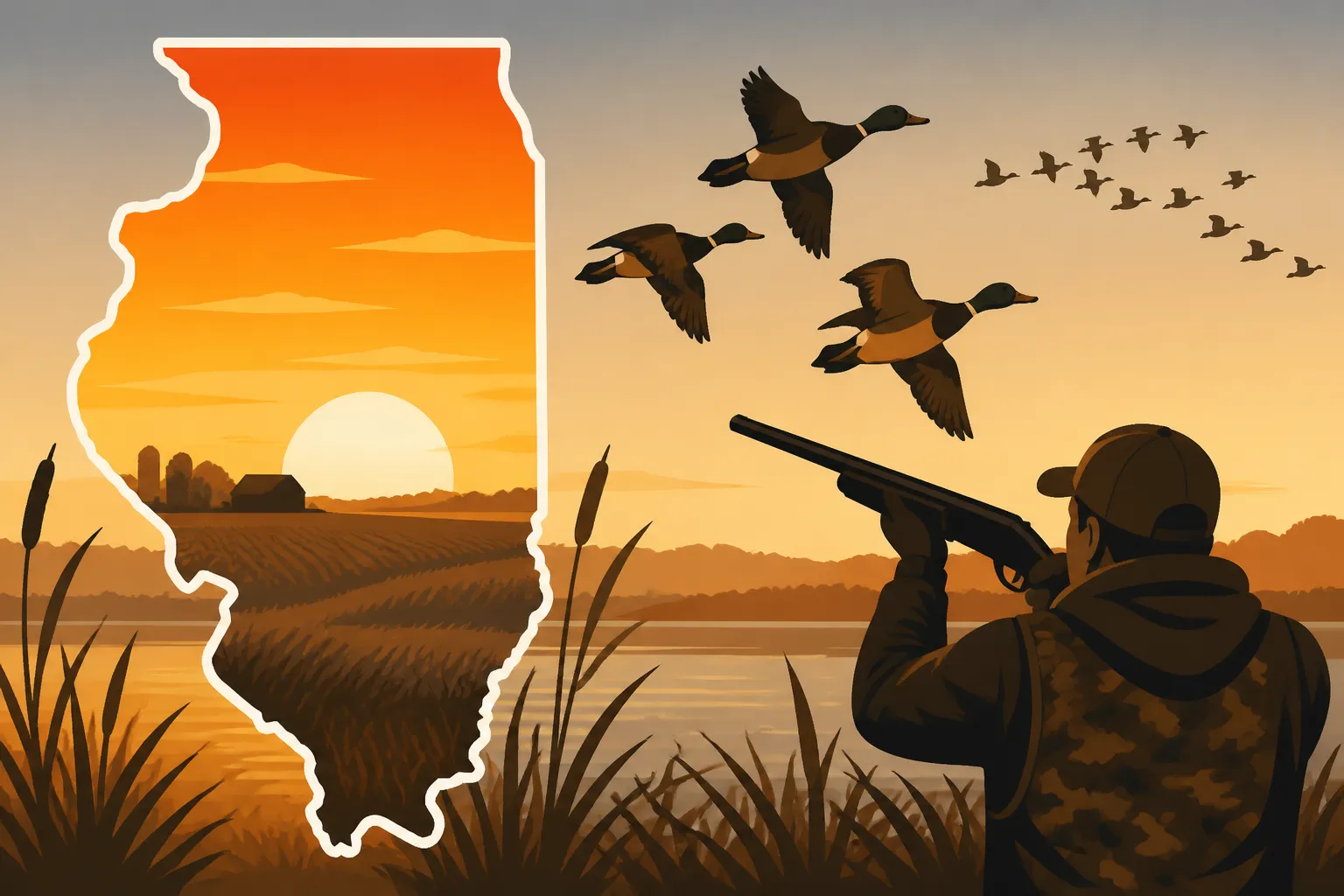
Illinois Waterfowl Migration Timing
Trying to predict exactly when the ducks and geese will show up in Illinois can feel like a guessing game, and it's a frustration every waterfowler here knows all too well. One week the skies are empty, the next they're full, and then suddenly, they're empty again. This guide is all about peeling back the layers of waterfowl migration in Illinois, helping you understand the complex factors that influence when birds arrive, and how you can use that knowledge to put more birds in your spread.
Understanding Illinois's Position on the Mississippi Flyway
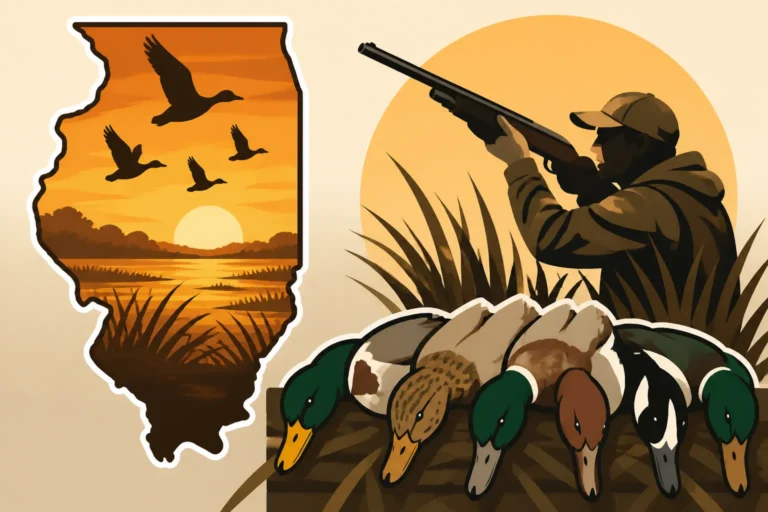
Illinois holds a truly pivotal spot for waterfowl on their annual journey, and it's something that makes hunting here both incredibly rewarding and, at times, incredibly unpredictable. Our state is smack dab in the middle of the Mississippi Flyway, a superhighway in the sky for millions of ducks and geese heading south from their breeding grounds in Canada and the northern U.S.
The Mississippi Flyway's Crucial Role
Imagine a massive aerial pathway stretching from the Arctic tundra all the way down to the Gulf of Mexico – that's the Mississippi Flyway. Illinois is a critical refueling and resting stop on this journey. Birds that breed in the prairies of Saskatchewan, Manitoba, and even further north, all filter down through this narrow corridor. Our vast network of rivers, lakes, and agricultural fields provides exactly what they need: food, water, and sanctuary. Without Illinois's rich resources, the success of this entire migratory system would be severely impacted. It's why waterfowl populations are so closely monitored here, and why understanding this flyway is step one to understanding our local migration.
Think about the sheer number of birds that pass through. We're talking about almost 40% of North America's total waterfowl population utilizing this flyway. This includes the vast majority of mallards, pintails, canvasbacks, and an incredible number of Canada geese. Each species has its own subtle timing, but they all generally adhere to the broad strokes of the Mississippi Flyway's traffic patterns. It's a natural phenomenon that draws hunters from all over, hoping to intercept these transient travelers as they navigate their long journey.
Geographic Funnels and Staging Areas
Illinois isn't just a general stopping point; it has specific geographic features that act like natural funnels, concentrating birds into predictable areas. The most famous of these are the Illinois and Mississippi River valleys. These massive river systems provide miles upon miles of backwaters, sloughs, and shallow water habitat. As birds fly south, these rivers serve as unmistakable landmarks, drawing them in like magnets. Once they hit these river systems, they tend to follow them, hopping from one wetland complex to another.
Beyond the rivers, our state's rich agricultural landscape plays an equally vital role. Large tracts of corn and soybean fields, especially those near water, become critical staging areas where ducks and geese can feed heavily, building up fat reserves for the next leg of their journey. Places like the Horseshoe Lake Fish and Wildlife Area in southern Illinois, or the various complexes along the Illinois River, become massive rest stops. Birds will hold in these spots for days, even weeks, if conditions are right, creating incredible hunting opportunities. For more on specific hotspots, you might check out our guide on Hunting the Illinois River Valley.
Major Waterfowl Destinations in Illinois
While ducks and geese can be found almost anywhere there's suitable water and food in Illinois during migration, certain areas are legendary for their consistent waterfowl activity. The central and lower Illinois River Valley, from Peoria south to the confluence with the Mississippi, is arguably the most famous. This area, often referred to as the "Duck Factory," sees incredible numbers of dabbling ducks, particularly mallards. The combination of flooded timber, vast marsh complexes, and nearby agricultural fields creates a perfect storm for waterfowl.
Further west, the Mississippi River backwaters, especially areas like the Two Rivers region where the Illinois and Mississippi meet, also draw immense numbers. This includes significant populations of diver ducks like canvasbacks and scaup, which prefer the larger, deeper water bodies. In the south, places such as Crab Orchard National Wildlife Refuge and the Cache River Wetlands are crucial wintering grounds, particularly for geese and mallards that push furthest south. Understanding these key areas, and how birds utilize them, is paramount to predicting local migration patterns. If you're looking for more detailed information on specific locations, our article on Hunting the Mississippi River Backwaters offers valuable insights.
Early Season Migration: Teal and Wood Ducks
As summer reluctantly fades into early fall, the first whispers of migration begin to stir. For Illinois waterfowlers, this typically means one thing: teal. These small, fast-flying ducks are often the first to arrive, signaling the start of a new season. But they're not alone; our resident wood ducks also provide some fantastic early opportunities.
September Teal Season Dynamics
The September teal season is a highly anticipated, albeit short, window for many Illinois hunters. Blue-winged teal are notorious early migrants, often pushing through before colder weather truly sets in up north. You'll start seeing them arriving in late August, and their numbers peak through September. These birds are often less wary than later-season ducks, responding well to decoys and calling, especially in smaller, shallow water habitats like flooded sheet water, ephemeral ponds, and the edges of larger marshes.
The key to early season teal is active scouting. These birds are constantly moving, following temporary water sources created by summer rains. What might be a teal hotspot one week could be dry the next. So, don't rely on last year's honey hole without checking it out first. Many hunters prefer to jump-shoot these birds or set up simple spreads in very shallow water, focusing on quick, concealed setups. The season is short, typically only about nine days, so capitalizing on those optimal weather windows – often after a mild cold front – is essential. Remember to be mindful of Illinois Duck and Goose Bag Limits for teal during this special season.
Wood Duck Habits and Local Populations
While teal are transient visitors, wood ducks are often year-round residents or very early migrants that linger. Illinois has a healthy breeding population of wood ducks, and they absolutely love our timbered sloughs, beaver ponds, and wooded creek bottoms. Unlike open-water ducks, woodies prefer the dense cover of flooded trees, often flying through tight corridors at incredible speeds. Their unique squealing call is a familiar sound in the pre-dawn hours of early season.
Hunting wood ducks is a different game than open-water mallards. You'll want to focus on small, secluded pockets of water with plenty of timber, ideally near their roosting areas. They'll often feed on acorns and other mast crops found in these wooded wetlands. A couple of wood duck decoys and some subtle calling can be very effective. Later in the season, as northern wood ducks begin to push through, their numbers can swell, offering another wave of opportunity before they continue their journey south. Understanding their preferred habitats, as detailed in Wood Ducks in Illinois River Bottoms, is key to finding success.
Early Season Weather Patterns
Early season migration, particularly for teal and the first waves of wood ducks, is heavily influenced by subtle shifts in weather, rather than extreme cold. A mild cold front that drops temperatures by even 10-15 degrees Fahrenheit in the northern states can trigger a push of these early migrants. Light northerly winds often accompany these fronts, giving the birds a tailwind.
However, sustained warm weather can keep birds further north, delaying their arrival in large numbers. The presence of abundant food and open water in their breeding grounds means they have little incentive to move until conditions begin to deteriorate. Therefore, closely watching the long-range forecast for areas like Minnesota, Wisconsin, and the Dakotas is crucial. Any significant drop in temperature there, especially coupled with cloudy skies and a north wind, is a good indicator that a new flight of birds might be headed our way.
Mid-Season Migration: Mallards and Diver Ducks
As October deepens into November, the heart of the Illinois waterfowl season truly kicks into gear. This is when the big numbers of mallards typically arrive, along with various species of diver ducks. This period is often considered prime time for many hunters, offering some of the most consistent action of the year.
Mallard Arrivals and Peak Activity
Mallards, the quintessential duck of many waterfowlers' dreams, usually start arriving in significant numbers in Illinois around late October, with their peak migration often occurring throughout November. This timing is heavily dependent on the weather further north. Persistent freezing temperatures that lock up northern waters and cover up food sources are what truly push mallards south into Illinois. They'll stage on larger bodies of water like the Illinois River, feeding heavily in surrounding agricultural fields.
During this mid-season peak, mallards can be incredibly receptive to calling and large decoy spreads. Hunters often focus on flooded cornfields, harvested soybean fields, or timbered areas adjacent to larger rivers. When the major flights hit, the sound of thousands of mallards cupped over a spread is an experience unlike any other. However, as the season progresses, these birds become increasingly wary due to hunting pressure, making realistic spreads and effective concealment more critical. Our article on Mallards and Geese on the Illinois River delves deeper into their habits in these crucial areas.
Diver Duck Hotspots and Movements
While dabbling ducks like mallards prefer shallow water and field feeding, diver ducks – such as canvasbacks, scaup, redheads, and ring-necked ducks – have a different set of preferences. They are drawn to the deeper, more open waters of large rivers and lakes, where they can dive for submerged vegetation and mollusks. The Mississippi River and the deeper sections of the Illinois River are prime diver habitat.
Their migration timing often mirrors the mallards, with significant numbers arriving in November. Canvasbacks, in particular, are highly sought after and can offer incredible sport on the larger waters. Hunting divers typically involves larger spreads of decoys set in open water, often with specialized boat blinds or layout blinds. Watching a flock of canvasbacks bomb into a rig on a windy day is a thrilling experience. Knowing the specific deep-water areas and feeding flats that divers prefer is key to consistent success. For specialized tactics, check out Diver Hunting on the Illinois River.
The Impact of Cold Fronts
Mid-season migration is almost entirely dictated by the arrival of strong, sustained cold fronts. These aren't just minor temperature dips; we're talking about fronts that bring widespread freezing temperatures, strong northerly winds, and sometimes even snow to the northern states. Each successive cold front acts like a wave, pushing more and more birds south.
A really strong cold front can bring thousands, even tens of thousands, of new ducks and geese into Illinois overnight. The day or two after a major front often presents some of the best hunting opportunities, as newly arrived birds are less familiar with local pressure and more actively seeking food and rest. However, constant cold fronts can also push birds completely through Illinois and further south if our water bodies start to freeze up too quickly. It's a delicate balance, and hunters constantly monitor weather patterns both north of us and directly overhead.
Late Season Migration: Geese and Hard-Weather Push
As November gives way to December and January, the character of the Illinois waterfowl season changes dramatically. The focus often shifts more heavily to geese, and the elements become a much more significant factor. This is when truly dedicated waterfowlers earn their stripes, braving bitter cold for the chance at a late-season trophy.
Canada Goose Influx and Wintering Grounds
While some Canada geese are residents or early migrants, the really large flocks of "dark geese" that spend the winter in Illinois usually arrive in full force during late November and December. These are often giant Canada geese from northern breeding grounds, and they are incredibly hardy birds, capable of withstanding significant cold as long as they have access to open water and food. Southern Illinois, with its numerous refuges and vast agricultural lands, becomes a major wintering destination for these birds.
Hunting late-season geese often means setting up in harvested corn or soybean fields, utilizing large spreads of full-body decoys and heavy-duty layout blinds. These birds are extremely intelligent and wary, having seen every trick in the book on their journey south. Success often hinges on meticulous scouting, perfect concealment, and precise calling. When the big flocks commit and lock their wings over your spread, it's a sight to behold.
Hard Freeze-Ups and Their Effect
The true wild card of late-season hunting is the hard freeze-up. When temperatures consistently drop below freezing for several days, shallow water bodies, marshes, and even parts of major rivers can completely freeze over. This drastically alters waterfowl movement. Ducks, especially dabblers, will be forced to concentrate on the few remaining areas of open water, such as aerated ponds, river main channels, or areas with thermal discharge. Geese, being larger and hardier, can often break ice or find fields with residual grain, but even they will move if all open water disappears.
A total freeze-up can push all but the most determined birds further south, signaling the end of the season for many. However, a partial freeze, where only some water is locked up, can concentrate birds into smaller, huntable areas, creating incredible hunting opportunities if you can find those open pockets. This makes diligent scouting even more critical, often requiring driving around to spot remaining open water or feeding concentrations.
Patience for Late-Season Opportunities
Late-season hunting is not for the faint of heart. The weather can be brutal, the birds are often incredibly wise, and opportunities can be few and far between. However, for those willing to endure the cold and put in the effort, the rewards can be immense. The birds you encounter are often larger, fully plumed, and represent the toughest of their species. It requires immense patience, the ability to sit still for long periods in freezing temperatures, and the readiness to seize the moment when a flock finally decides to commit.
Sometimes, the best late-season hunting comes after a prolonged cold snap breaks, or when a light snow cover makes ducks more visible against the white backdrop as they seek food. Being prepared for these short windows of opportunity, having your gear in top shape, and possessing the mental fortitude to stick it out are what define a successful late-season waterfowler. This is also a time when focusing on good cover and realistic setups, like those discussed in Layout Blind Hunting Illinois Farm Fields, can really pay off.
Factors Influencing Migration Timing
Waterfowl migration isn't a fixed schedule; it's a dynamic response to a complex interplay of environmental factors. Understanding these variables is key to predicting movements and planning your hunts effectively. It's never as simple as "the first week of November," because nature always has a curveball ready.
Weather Systems and Cold Fronts
We've touched on this already, but it bears repeating: weather is the single biggest driver of waterfowl migration. It's not just the temperature in Illinois, but the conditions hundreds of miles to our north that truly matter. A significant drop in temperature in Canada and the northern U.S. that leads to frozen ponds and diminishing food sources acts as the primary trigger for birds to move south. Strong north winds accompanying these cold fronts provide a literal tailwind, making the journey easier and faster.
Conversely, a prolonged warm spell (an "Indian Summer") in the northern states can delay migration significantly. If birds have abundant food and open water, they'll often linger, sometimes well into late fall. This can lead to a "late flight" scenario, where massive numbers of birds arrive all at once when a major system finally pushes through. Monitoring national weather patterns using tools like those found on GoHunt's weather section, rather than just local forecasts, will give you a much clearer picture of what's coming our way.
Food Availability and Agricultural Cycles
Ducks and geese need to fuel their long migrations, and Illinois's agricultural heartland provides a critical buffet. The availability of food, particularly waste grain in harvested corn and soybean fields, significantly influences where birds will stop and how long they'll stay. If fields are harvested early and good waste grain is available, birds might stage for longer periods. However, a late harvest, or heavy rains that spoil waste grain, can push them through quicker.
The timing of crops, from planting to harvest, directly impacts waterfowl. Ducks and geese learn these patterns. For instance, a standing cornfield provides not just food but also vital cover from predators and wind, and it can hold birds for an extended period. Knowing which fields are cut and which still stand, and how much rain has fallen to make grain accessible, is paramount for success. Our article on Canada Geese on Illinois Farmland provides further context on how these birds utilize agricultural resources.
Water Levels and Habitat Conditions
Water is life for waterfowl, and its availability and depth heavily influence where birds will congregate. High water levels, perhaps from consistent fall rains, can flood timber and expand marshy areas, creating new feeding and resting opportunities that didn't exist in drier years. These flooded areas can draw birds away from traditional spots. Conversely, low water levels can concentrate birds into fewer, smaller pools, making them easier to pattern but also more susceptible to pressure.
The health of aquatic vegetation also plays a role, especially for dabbling ducks and divers. Good growth of smartweed, millet, or other submerged aquatic plants provides crucial natural food sources that can hold birds. Monitoring water levels in major rivers like the Illinois and Mississippi, as well as the conditions of local lakes and ponds, is a continuous scouting effort. Apps like GoHunt can sometimes provide historical water level data or aerial imagery that can reveal patterns and current conditions, helping you identify potential hotspots or areas to avoid.
Tools and Strategies for Tracking Migration
In today's connected world, relying solely on guesswork or vague reports is a thing of the past. Modern hunters have access to a wealth of information and tools to help them track waterfowl migration and make more informed decisions.
Using Migration Forecasts and Reports
Many state wildlife agencies, including the Illinois Department of Natural Resources (IDNR), and private organizations publish weekly waterfowl migration reports during the season. These reports often provide estimates of bird numbers in various zones, highlight recent movements, and discuss current habitat conditions. While they are broad overviews, they can give you a general sense of where birds are in their migration journey through the state.
Beyond formal reports, online forums and social media groups dedicated to Illinois waterfowl hunting can be invaluable. Fellow hunters often share real-time observations, though it's always good to take these with a grain of salt and verify information. Platforms like GoHunt also aggregate data and sometimes offer predictive models based on weather patterns, giving you a leading edge in understanding potential bird movements before they even arrive. Staying on top of these various reports helps you piece together the larger migration puzzle.
Scouting and Local Observations
No amount of online data can replace good old-fashioned boots-on-the-ground scouting. Local observations are king when it comes to patterning waterfowl. Ducks and geese are creatures of habit once they settle into an area. They will typically fly the same routes to and from feeding and resting areas, often at predictable times of day. Watching these flight patterns at dawn and dusk can reveal exactly where birds are feeding and where they are roosting.
Driving country roads, observing active fields, and noting which water bodies have birds on them are all crucial scouting tactics. Pay attention to how many birds are present, what species they are, and how they are behaving. Are they feeding aggressively? Are they just resting? These observations, combined with weather forecasts, will give you the most accurate picture of local opportunities. For more on effective scouting, take a look at our guide on Scouting Illinois Public Land Before Season.
Leveraging Technology for Better Insights
In the digital age, technology has become an indispensable tool for waterfowl hunters. GPS mapping apps, like onX Hunt or even GoHunt's integrated mapping features, allow you to identify public vs. private land, mark potential hunting spots, track water depth changes, and even analyze historical satellite imagery for changes in habitat. These apps are crucial for understanding property lines, especially when hunting on mixed public and private land.
Weather apps with hyper-local radar and wind forecasts are also essential. Knowing precisely when a front is moving in, the wind direction, and expected precipitation can be the difference between a bust and a banner day. Additionally, trail cameras, though less common for waterfowl than deer, can sometimes capture images of geese feeding in fields, providing valuable insight into their feeding preferences and timings without disturbing them. Using these tools effectively can significantly enhance your ability to predict and capitalize on the dynamic world of waterfowl migration.
Illinois Waterfowl Season Overview Table
To help you keep track of the general timing for different waterfowl species in Illinois, here's a handy overview. Remember, these are general guidelines, and actual peak migration times can vary year to year based on weather.
| Species | Early Season (Approx.) | Mid-Season (Approx.) | Late Season (Approx.) | Key Factors for Arrival | Primary Habitat |
|---|---|---|---|---|---|
| Blue-winged Teal | September | Early Oct (stragglers) | N/A | First mild cold fronts in northern states, shorter days | Shallow water, sheet water, small ponds |
| Wood Duck | Sept – Early Oct | Late Oct – Nov | Dec (resident push) | Local populations, mild cold fronts, acorn drop | Flooded timber, wooded creeks, beaver ponds |
| Mallard | Late Oct | Nov – Early Dec | Mid-Dec – Jan | Sustained cold/freezing in northern states, strong fronts | Flooded fields, marshes, river backwaters |
| Pintail | Late Oct – Nov | Early Dec | N/A | Similar to Mallards, but often earlier push | Open shallow water, mud flats, harvested fields |
| Gadwall | Oct – Early Nov | Mid-Nov | Early Dec | Similar to Mallards, but often earlier | Marshes, open water, sloughs, flooded fields |
| Wigeon | Oct – Nov | Early Dec | N/A | Similar to Dabblers | Marshes, flooded fields |
| Green-winged Teal | Oct – Nov | Early Dec | N/A | Similar to Blue-winged, but later, colder pushes | Shallow water, smaller ponds, marshes |
| Canvasback | Late Oct | Nov – Early Dec | Mid-Dec | Freezing water north, strong cold fronts | Large open water, deep rivers, big lakes |
| Scaup (Bluebill) | Late Oct – Nov | Mid-Nov – Early Dec | Mid-Dec | Similar to Canvasback | Large open water, deep rivers, big lakes |
| Canada Goose | Early Oct (residents) | Nov – Early Dec | Mid-Dec – Jan (main push) | Hard freezes north, snow cover | Agricultural fields, large lakes, river channels |
| Snow/Specklebelly Goose | Nov (sparse) | Late Nov – Dec | Jan – Feb | Intense cold/snow in central flyway, major fronts | Open agricultural fields, major refuges |
Disclaimer
Hunting is an inherently dangerous activity. Always prioritize safety, understand and follow all Illinois Department of Natural Resources (IDNR) regulations, and respect private property. This guide is for informational purposes only and does not supersede official hunting laws or safety guidelines. Always check current regulations before heading afield, as rules and seasons can change.