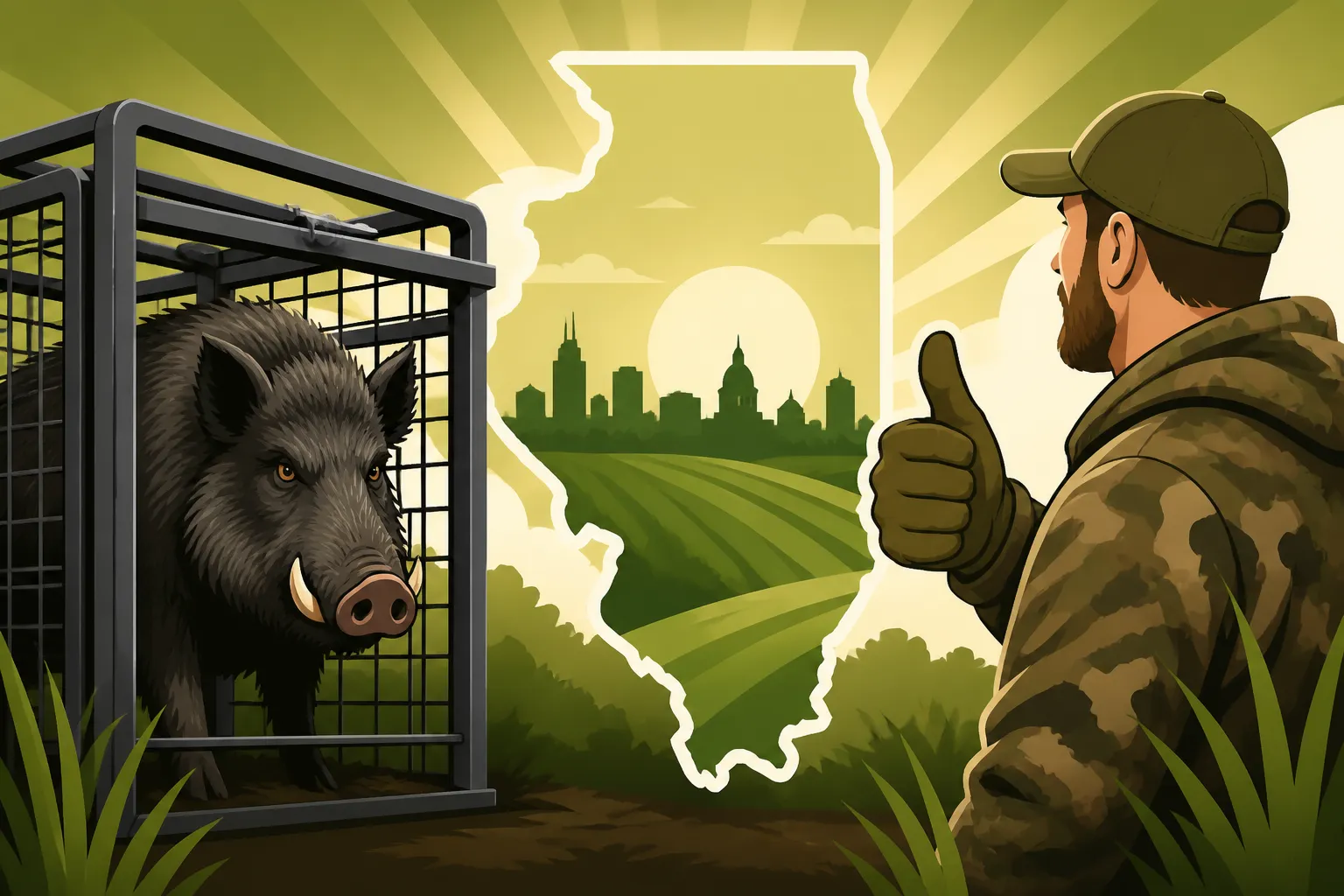
Illinois Hog Trapping Success Rates
Feral hogs are a genuine plague across certain parts of Illinois, causing an astonishing amount of destruction to agricultural lands, natural habitats, and even carrying diseases that can impact livestock and wildlife. For many landowners and frustrated hunters, the sheer tenacity and reproductive rate of these animals make them feel like an insurmountable problem. This guide will cut through the noise to discuss the real Illinois hog trapping success rates, delve into what actually makes a trapping effort effective, and offer actionable advice to help you gain an edge against these intelligent invaders.
The Urgent Need for Feral Hog Control in Illinois
Illinois, with its rich agricultural landscape and diverse ecosystems, is unfortunately an attractive home for feral hogs. These invasive animals pose a significant threat, and understanding the scope of their impact is the first step toward appreciating why effective control, like trapping, is so critical.
The Destructive Impact of Feral Hogs
If you've ever had a sounder of feral hogs move through your property, you know the devastation firsthand. Their rooting behavior, which involves tearing up soil with their powerful snouts to find food, can transform a pristine field or forest floor into a moonscape overnight. They decimate crops like corn and soybeans, destroy native plant communities, and create vast stretches of erosion. This isn't just an aesthetic problem; it's an economic hit for farmers and an ecological disaster for sensitive habitats. We're talking about direct damage to livelihoods and the destruction of vital food sources and cover for native species.
Beyond the visible damage, feral hogs are vectors for numerous diseases that can affect both domestic livestock and native wildlife. They can carry pseudorabies, brucellosis, leptospirosis, and even E. coli, posing serious health risks. Their presence can contaminate water sources and spread pathogens that local animals, like deer and turkeys, have no natural immunity against. It’s a silent, unseen threat that complicates the already difficult task of managing wildlife populations and protecting agricultural interests. Understanding the full scope of their destruction highlights why aggressive and sustained control efforts, like strategic trapping, are absolutely essential to mitigate their impact on Illinois. You can learn more about their impact in Illinois Feral Hog Diet and Rooting Damage.
Why Traditional Hunting Falls Short
Many hunters, myself included, enjoy the challenge of pursuing feral hogs. They're smart, wily, and can provide a thrilling chase. However, traditional spot-and-stalk or stand hunting, while fun, is rarely an effective population control method. Hogs are incredibly intelligent and learn quickly; if you pressure a sounder through hunting, they often become nocturnal, scatter, and move to new areas, making them even harder to locate. You might pick off a few individuals, but you rarely remove the entire sounder, which is the key to actual population reduction.
The core problem is their reproductive rate. A sow can become sexually mature as early as six months old and can have two litters a year, each averaging four to six piglets. If you only remove one or two hogs from a group, the remaining individuals can quickly repopulate and even increase their numbers. It’s like trying to empty a bathtub with a teaspoon while the faucet is wide open. For any real progress, you need a method that can remove a significant number of animals, ideally an entire sounder, in one fell swoop. That’s where well-executed trapping strategies become indispensable, often yielding far greater success in mitigating the overall population compared to individual hunting efforts.
Understanding Illinois Hog Trapping Success Rates
When we talk about "success rates" in hog trapping, it's not always as simple as catching a pig. The true measure of success in Illinois, where these animals are considered a nuisance and are unprotected, is often tied to removing entire sounders and making a noticeable impact on the local population.
Defining "Success" in Hog Trapping
For many, success might initially mean catching any feral hog. And while that's certainly a step in the right direction, particularly for a first-timer, true long-term success in Illinois hog control is measured by the removal of an entire sounder. A sounder is a family group, usually consisting of a mature sow and her offspring, sometimes with a few younger boars or other sows. These groups can range from a handful of animals to dozens. Removing one or two hogs from a sounder might offer temporary relief, but if the breeding females remain, the problem will quickly return.
Therefore, a "successful" trapping operation focuses on luring and capturing as many hogs from a specific sounder as possible in a single trapping event. This requires patience, strategic pre-baiting, and the right equipment. Anything less often just disperses the sounder, making them wary and harder to catch in the future, effectively reducing your overall success in sustained population management. It's about thinking beyond the individual hog and focusing on the group dynamics to make a lasting difference.
Key Factors Influencing Your Odds
Your likelihood of success in hog trapping in Illinois isn't just a matter of luck; it's heavily influenced by several critical factors. Understanding and controlling these variables can dramatically improve your trapping success rates.
Firstly, location is paramount. Hogs are creatures of habit, often frequenting specific travel corridors, bedding areas, and feeding grounds. Identifying these hotspots through scouting, trail cameras, and sign analysis (tracks, rubs, rooting) is vital. Areas in southern Illinois, for instance, often see higher concentrations of feral swine, making consistent trapping efforts in those regions potentially more fruitful. Resources like Which Illinois Counties Have the Most Hogs can help pinpoint areas with higher activity. Using mapping tools, like those offered by GoHunt, can be incredibly helpful here. You can mark areas of recent hog activity, note potential trap sites, and track bait consumption over time, giving you a comprehensive overview of their movement patterns.
Secondly, timing and environmental conditions play a huge role. Hogs are most vulnerable when natural food sources are scarce. During dry periods or in the colder months when acorns and other mast crops are gone, they are more likely to seek out readily available bait. Conversely, during periods of abundant natural food, your bait might not be as enticing. Understanding local weather patterns and mast crop cycles can help you time your trapping efforts for maximum impact.
Finally, persistence and consistency cannot be overstated. Hogs are intelligent and become trap-shy if they have negative experiences. It takes dedication to keep a trap active, refresh bait, and adjust your strategy based on what you observe. Success isn't often achieved in a single afternoon; it's the result of diligent, sustained effort over days or even weeks. By carefully considering these factors, you stack the odds in your favor for higher trapping success rates in Illinois.
Common Trapping Methods and Their Efficacy
When it comes to effectively controlling feral hog populations in Illinois, not all trapping methods are created equal. Different traps offer varying levels of success depending on your goals, the specific situation, and the size of the sounders you're dealing with.
The Power of Corral Traps
Corral traps, also known as large panel traps or sometimes referred to as "continuous catch" traps, are widely considered the most effective method for removing entire sounders of feral hogs. These setups involve multiple large panels, usually made of heavy-duty hog wire or cattle panels, formed into a circular or square enclosure, typically 10 to 30 feet in diameter. The key feature is a specialized gate—often a rooter gate, a guillotine gate, or a remotely triggered drop gate—that allows hogs to enter but prevents them from leaving once tripped.
The strategy with corral traps hinges on extensive pre-baiting. You start by placing bait, usually fermented corn, around the trap site before setting up the panels, allowing hogs to get comfortable feeding in the area. Once they're consistently hitting the bait, you introduce the trap panels, leaving the gate open or even propped open so they can come and go freely, getting accustomed to the structure. Only once they are regularly entering the trap to feed, and you've identified the entire sounder on trail cameras, do you set the gate to trip. The efficacy comes from its ability to hold an entire sounder at once, which is crucial for making a real dent in the population. Using mapping tools from GoHunt, you can strategically pinpoint bait sites and then transition to trap placement, ensuring you're utilizing the prime areas hogs frequent.
Box Traps and Their Limitations
Box traps are smaller, typically single-catch traps made of heavy-gauge wire or wood, designed to capture one or sometimes two smaller hogs at a time. They usually feature a trip plate or a rooter door that closes once the animal enters. While they are more portable and easier to set up than large corral traps, their success rate for population control is significantly lower.
The primary limitation of box traps is their capacity. If you're dealing with a sounder of ten or more hogs, catching one or two at a time will only educate the others, making them wary of similar structures. The remaining hogs will often become trap-shy and move to adjacent properties, spreading the problem rather than solving it. Box traps can be effective in specific scenarios, such as targeting a known solitary boar, a smaller pig causing localized damage, or in areas where a large corral trap isn't feasible due to space constraints or visibility. However, for a comprehensive, long-term management strategy against a breeding population, box traps simply cannot compete with the efficiency and success rates of larger corral systems.
Snares and Other Less Recommended Methods
While snares are legal for certain furbearers in Illinois, their use for feral hog control is highly discouraged and often illegal without specific permits or in certain situations, especially on public lands where they pose a significant risk to non-target wildlife. Snares are designed to capture an animal by the neck or leg, and they require meticulous placement and constant monitoring to be effective and humane.
The issues with snares are numerous. Firstly, they are not species-specific, meaning deer, coyotes, domestic animals, or even rare native species can easily be caught. This leads to accidental captures, injuries, and often death for non-target animals, which is both unethical and illegal. Secondly, snares are typically single-catch devices, much like small box traps, and therefore do not contribute significantly to sounder removal. Lastly, the humane dispatch of a hog caught in a snare can be challenging and dangerous. For these reasons, and to ensure compliance with Illinois Feral Hog Regulations, snares and similar indiscriminate methods are generally not recommended for feral hog control in Illinois. Focusing on proven, selective, and high-capacity methods like corral trapping will yield far better and more responsible results. You can check Illinois Trapping License Requirements for general trapping information, but always verify hog-specific rules.
| Trapping Method | Advantages | Disadvantages | Ideal Use Case | Success Rate (for sounder removal) |
|---|---|---|---|---|
| Corral Trap | Catches entire sounders; highly effective with pre-baiting; remote trigger options | High initial cost; labor-intensive setup; less portable; requires patience | Eradicating entire sounders from specific locations | Very High |
| Box Trap | Portable; lower cost; easier to set up for individuals | Single-catch or small capacity; educates sounders; less effective for population control | Targeting solitary hogs or small, isolated individuals | Low to Moderate |
| Snare Trap | Low cost; lightweight | High risk to non-target animals; less humane; legal restrictions; single-catch | Generally not recommended for feral hogs due to ethical and legal issues | Very Low |
Maximizing Your Illinois Hog Trapping Efforts
Achieving high success rates in Illinois hog trapping goes beyond simply setting a trap. It involves strategic planning, advanced techniques, and a keen understanding of hog behavior. By implementing these practices, you can significantly improve your chances of effective eradication.
Strategic Baiting and Pre-Baiting Techniques
Baiting is the cornerstone of successful hog trapping, and pre-baiting is the secret sauce. You can't just throw out some bait and expect immediate results; you need to condition the hogs to trust the location and the food source. Start by placing liberal amounts of bait, typically fermented whole kernel corn, in the area you intend to trap, but without any trap present. Hogs love fermented corn because of its strong smell and easily digestible carbohydrates. Commercial attractants can also boost effectiveness, but corn is usually king.
Once the hogs are consistently hitting the bait piles, usually indicated by tracks, rooting, and empty spots on your trail cameras, you can begin to introduce components of your trap. First, place bait around the trap panels, still with the gate open or disabled. Let them walk through, get comfortable, and feed inside the un-set trap for several days, or even a week or two. The goal is to make the trap part of their routine feeding behavior. Only when you're sure the entire sounder is regularly entering the trap to feed, based on your GoHunt mapping and trail camera intel, should you set the gate to trip. This patient, methodical approach is far more successful than rushing the process, as it minimizes the chance of educating hogs and creating trap-shy individuals.
Remote Monitoring and Triggering Systems
In the world of modern hog trapping, remote monitoring and triggering systems have become absolute game-changers, dramatically increasing success rates and reducing wasted effort. These systems typically involve cellular trail cameras placed strategically around and inside your trap. These cameras send real-time photos or videos to your phone, allowing you to monitor bait consumption and, most importantly, confirm when an entire sounder is inside the trap.
The real power comes when these cameras are paired with a remote gate release system. Instead of having to be physically present at the trap to trip the gate (which risks spooking the sounder), you can observe the hogs from afar. When you see that the whole sounder, including all the breeding sows, has entered the trap, you can then trigger the gate remotely with a text message or a phone app. This ensures you catch as many hogs as possible in one go, maximizing the efficiency of your efforts and preventing the escape of any individuals who might become trap-shy. It's a safer, more efficient way to trap, especially for larger operations targeting multiple sounders, and allows for precise timing that a human presence simply can't match.
Persistence and Adaptation
Feral hogs are incredibly adaptable and intelligent animals, which means your trapping strategy needs to be just as flexible. If your initial trapping efforts aren't yielding the desired results, don't get discouraged – get persistent and adapt. Hogs will quickly learn to avoid areas where they've had a negative experience, leading to "trap-shy" individuals that can be incredibly challenging to catch.
This might mean changing your bait type, even if fermented corn was working before. Sometimes a different scent or texture, like a commercial hog attractant or even a rotten fruit mix, can entice wary hogs. It also means changing the location of your trap. If a sounder has become accustomed to a specific area but is avoiding your trap, moving it to a new, less pressured feeding or travel corridor can reset their caution. Hunting a Funnel Between Two Woodlots or Reading a Ridge for Shawnee Forest Deer can give you ideas on how to identify strategic movement corridors where hogs might feel safer approaching a trap. Continuously scouting with trail cameras and analyzing their movement patterns will inform these adjustments. The most successful trappers are those who treat it like a chess match, constantly anticipating the hogs' next move and modifying their tactics accordingly.
Regulations and Responsible Trapping in Illinois
While feral hogs are considered an invasive nuisance in Illinois, their control is still subject to certain regulations and ethical considerations. Understanding these rules ensures your trapping efforts are legal, responsible, and effective.
Legalities of Feral Hog Trapping
In Illinois, feral hogs are classified as an unprotected species, meaning there is no closed season or bag limit. This allows for year-round control efforts, including trapping. However, this freedom comes with important stipulations. On private land, landowners generally have the right to remove feral hogs from their property at any time. This includes trapping, shooting, and other control methods. The key here is always to have a clear understanding of your property boundaries and ensure you are not encroaching on neighboring lands without permission. Illinois's Year-Round Hog Rule on Private Land explicitly lays out these provisions for landowners.
For public lands, the rules are often much stricter and vary greatly by site. Most public lands, such as Illinois State Fish and Wildlife Areas or National Forests, have specific regulations regarding trapping, including permit requirements, trap types, and seasons. You cannot simply set a hog trap on public land without first consulting the managing agency (e.g., Illinois Department of Natural Resources or the U.S. Forest Service) for that specific area. Fines and legal consequences can be severe for unauthorized trapping. It's always best practice to check with the local site superintendent or the IDNR website for detailed rules for any public land you intend to hunt or trap.
Ethical Considerations and Non-Target Catches
Responsible trapping goes hand-in-hand with effective control. One of the most significant ethical considerations is the potential for non-target catches. Even with the best pre-baiting and remote monitoring, other wildlife, such as deer, raccoons, or even domestic animals, can sometimes enter a trap. Regularly checking your traps (daily, if possible) is crucial to minimize stress and injury to any animals caught. If you do catch a non-target animal, you must release it safely and unharmed. This often means carefully opening the gate and allowing the animal to exit peacefully.
Another critical ethical aspect is the humane dispatch of captured hogs. Once a sounder is trapped, they must be dispatched quickly and humanely. This typically involves a well-placed shot to the head from a firearm. It's essential to be proficient with your chosen firearm and to have a clear plan for dispatch before you ever set a trap. Leaving animals to suffer or attempting to transport live feral hogs can be illegal and is certainly unethical. By adhering to these ethical guidelines, you not only ensure responsible wildlife management but also maintain a positive image for hunting and trapping within the community.
Disclaimer
This article is for general informational purposes only and does not constitute professional advice. Laws, prices and regulations vary by location and change over time. Consult a qualified professional for guidance on your specific situation.