Booking a Multi-Species Illinois Hunt Week
Many hunters dream of a comprehensive week in the field, not just chasing one species, but experiencing the full breadth of Illinois's hunting opportunities. However, the reality of juggling different seasons, diverse regulations, and finding the right support for a truly multi-species adventure can feel overwhelming. This guide aims to demystify the process of booking or planning a multi-species hunt week in Illinois, providing practical insights and helping you turn that dream into a successful reality.
The Allure and Realities of Multi-Species Hunting in Illinois
There’s something truly special about spending a full week immersed in the outdoors, adapting your tactics from one day to the next to pursue different game. Illinois, with its rich tapestry of habitats and varied wildlife, offers incredible potential for hunters looking to maximize their time afield.
Why Chase More Than One Species?
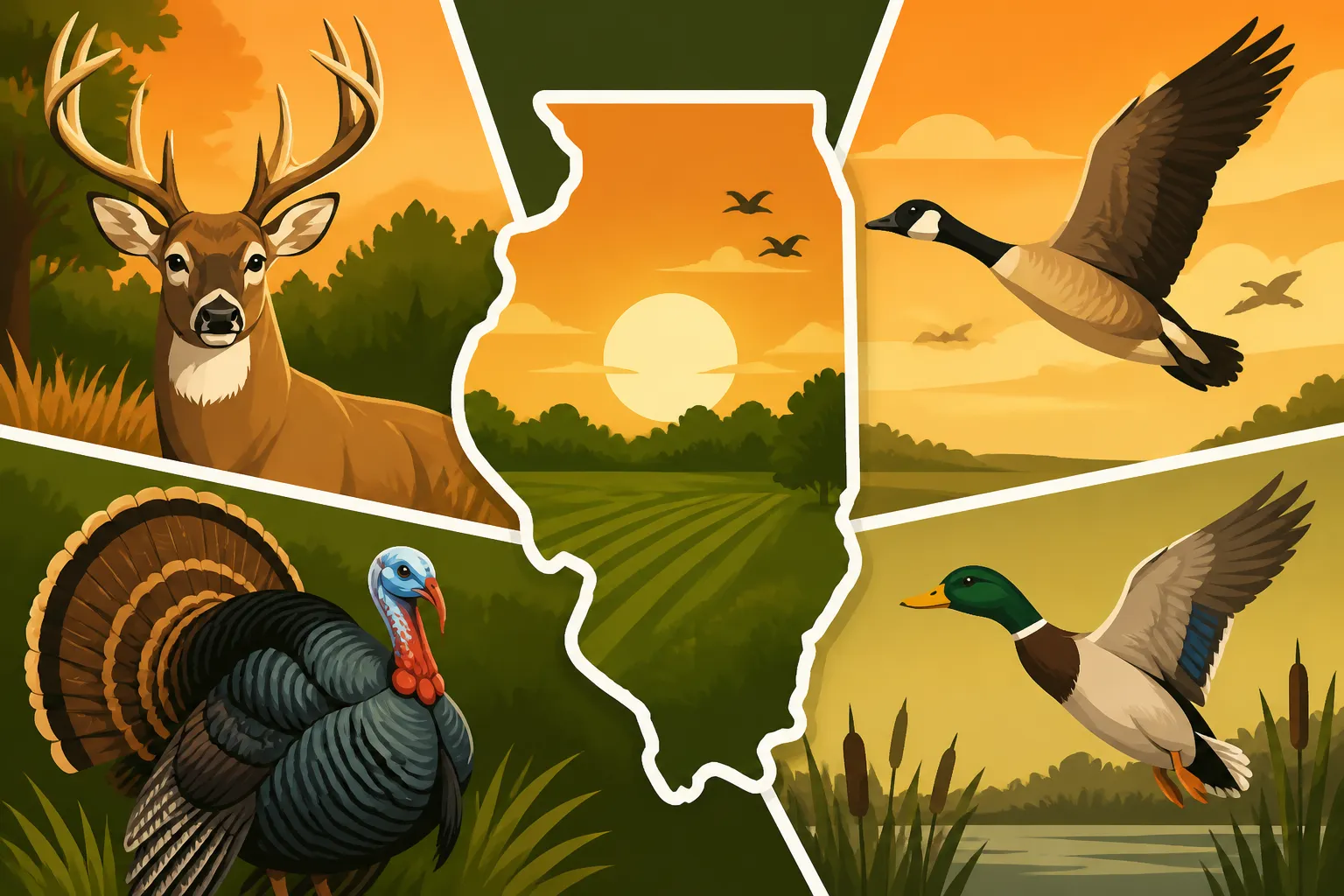
For many, the appeal of a multi-species hunt boils down to maximizing the experience and the investment. You've already committed time, travel, and resources to be in Illinois; why not expand your horizons? Imagine starting your morning tracking a whitetail buck through a frosty timber, then switching gears in the afternoon to call a wild turkey, or perhaps ending the day setting up for ducks on a river backwater. This variety keeps things exciting, challenges your diverse skill sets, and significantly increases your chances of punching multiple tags.
Beyond the sheer thrill, a multi-species hunt also offers a deeper connection to the landscape. By observing different animals in their respective habitats, you gain a more holistic understanding of the ecosystem. It's a chance to fully immerse yourself in the hunting culture and natural beauty that Illinois offers. For non-resident hunters, who often face higher permit costs and travel expenses, a multi-species trip can feel like a more complete and rewarding use of their valuable hunting vacation. It's about getting the most out of every moment you have in the field.
The Hurdles of Combining Species
While the idea of a multi-species hunt is incredibly enticing, it's important to be realistic about the challenges. Illinois, like any state, has specific regulations that govern season dates, legal weapons, and bag limits for each species. Overlapping seasons, especially for popular game like deer and turkey, can be narrow windows, making careful planning paramount. You might find that while archery deer season is open, firearm turkey season might be closed, or vice versa, depending on the specific zone and period.
Then there's the gear. A serious whitetail hunter's arsenal often differs significantly from a waterfowl hunter's spread of decoys, specialized shotguns, and waders. Carrying gear for multiple species can quickly become a logistical nightmare, both for packing and for daily transitions in the field. Furthermore, finding an outfitter who genuinely specializes in multiple species and can deliver quality hunts across the board is often the biggest hurdle. Many guides excel at one or two types of hunting, but very few are experts in deer, turkey, and waterfowl simultaneously across different terrain. This can lead to compromises in the quality of one hunt over another if not thoroughly vetted.
Navigating Seasons, Permits, and Zones
The key to a successful multi-species hunt in Illinois lies in a deep understanding of the state's hunting calendar and regulatory framework. Without this knowledge, you might find yourself with permits for species whose seasons don't align, or trying to hunt in zones where your desired game isn't available.
Understanding Illinois's Complex Season Structure
Illinois boasts a diverse array of hunting opportunities, but its seasons are not a free-for-all. Deer season, for instance, spans a long archery season, two distinct firearm seasons, and a muzzleloader-only season. Illinois Deer Season Structure Explained is a great resource for getting a handle on the specifics. Turkey season is split into multiple spring periods across North and South Zones, and there's also a fall season. Illinois Spring Turkey Zones and Periods will help you see those critical dates. Waterfowl hunting is broken into multiple zones (North, Central, South), each with different opening and closing dates and species-specific regulations for ducks and geese. Illinois Waterfowl Zones and Seasons lays out these intricacies.
Small game, like squirrels and rabbits, often have longer, more flexible seasons that can overlap nicely with deer or turkey. Understanding these overlaps, and critically, what weapon types are legal during each season in each specific county, is non-negotiable. For example, during a firearm deer season, the use of certain firearms for other species might be restricted, or specific blaze orange requirements may apply, even if you are pursuing small game. It's a puzzle, and putting the pieces together correctly is the first step.
License and Permit Acquisition Strategies
Acquiring the necessary licenses and permits for multiple species in Illinois requires foresight and planning, especially for non-residents. All hunters need a valid Illinois hunting license and a State Habitat Stamp. Beyond that, each species often requires specific permits. For deer, non-residents typically apply through a lottery system, and success is not guaranteed, particularly for coveted archery or firearm tags in prime counties. Illinois Hunting Licenses and What They Cost details the various options and costs.
Spring turkey permits are often over-the-counter in some zones/periods after initial lottery drawings, making them easier to acquire for a multi-species trip. Fall turkey is usually over-the-counter as well, without a lottery. Waterfowl hunting requires federal and state duck stamps, plus a Harvest Information Program (HIP) registration. Small game licenses are generally straightforward. The trick is to identify your target species, understand their permit availability and application deadlines well in advance, and then align your hunt dates with the open seasons for all the species you wish to pursue. This often means planning your trip many months, or even a year, ahead.
Choosing Your Multi-Species Hunt Focus
Illinois offers several natural groupings of game that lend themselves well to multi-species hunts, often dictated by geography and habitat types. Identifying your primary interests will help you narrow down regions and potential outfitters.
Classic Combinations: Deer, Turkey, and Small Game
If your heart is set on big game, combining deer and turkey is a perennial favorite, especially in the timbered regions of Southern Illinois. This area, particularly within or adjacent to Shawnee National Forest Hunting, offers prime habitat for both whitetails and wild turkeys. White-Tailed Deer Across Illinois thrive in the rolling hills and hardwood forests, and Wild Turkeys in Illinois have made a remarkable comeback, with strong populations throughout. Archery deer season often overlaps with fall turkey season, and sometimes even the late youth or muzzleloader deer season can coincide with periods where small game like squirrels are active. Squirrel and Small Game Hunting in Illinois can add a fun, low-pressure element to a big game trip.
A typical week might involve spending early mornings in a deer stand or ground blind, then transitioning to turkey calling or still-hunting through the timber in the late morning and afternoon. Or, after filling a deer tag, you could focus entirely on filling your turkey tags. This combination makes sense because the habitats are often similar, and the gear, while distinct, isn't as radically different as, say, deer hunting and duck hunting. Many outfitters in the southern and west-central parts of the state might offer deer and turkey packages, sometimes even including small game.
Waterfowl and Upland Blends
For those drawn to the wetlands and expansive agricultural fields, a waterfowl and upland bird combination presents another exciting multi-species opportunity. The Illinois River Valley is world-renowned for its waterfowl hunting, sitting squarely on the Mississippi Flyway. Illinois Waterfowl on the Mississippi Flyway details the incredible diversity of ducks and geese that pass through. Combining a few days of duck or goose hunting with an upland bird hunt for pheasants or quail can make for a truly memorable week. Pheasant Hunting Illinois Farmland offers insights into pursuing these vibrant birds, often on managed properties or state-stocked areas.
Imagine waking up early to hunt a flooded timber hole or a river blind for ducks, then in the afternoon, swapping your waders for upland boots and working a field edge with a pointing dog for pheasants. This combination is less common with a single outfitter unless they specialize in both or have access to diverse properties. However, it's very feasible to book a few days with a waterfowl guide and then transition to a pheasant preserve or a different guide service for an upland experience. The key here is coordinating travel between different areas that offer these distinct hunting experiences.
| Combination Focus | Ideal Timing | Primary Challenges | Typical Habitat |
|---|---|---|---|
| Deer & Turkey | Early Nov (Rut/Fall Turkey) | Overlapping weapon rules; outfitter specialization | Hardwood timber, rolling hills, agricultural edges |
| Deer & Small Game | Early Archery, Late Season | Minimal; gear compatibility; permit acquisition | Timber, brushy fencerows, open woods |
| Waterfowl & Upland Birds | Late Oct – Early Dec | Geographic separation; specialized gear | Wetlands, agricultural fields, dense cover |
| Waterfowl & Predators | Late Season (Winter) | Unique skill sets; permit timing | River bottoms, open fields |
Finding Outfitters and Planning Logistics
Once you've decided on your multi-species focus and understood the regulatory landscape, the next step is to figure out how you'll execute the hunt. This involves deciding whether to go guided, semi-guided, or entirely DIY, and then finding the resources to support that choice.
Outfitter Specialization vs. Generalists
The vast majority of Illinois outfitters specialize in one or two primary species. You'll find many excellent deer outfitters, a good number of turkey guides, and world-class waterfowl operations. Finding one outfitter who truly excels at all three, or even a broad mix, is challenging. A "generalist" outfitter might offer multiple species, but you need to rigorously vet their success rates and expertise in each discipline. Don't be afraid to ask for references for specific types of hunts.
A more common and often more successful approach for a multi-species week is to combine services. This might mean booking a 3-day deer hunt with one reputable outfitter in, say, Pike County, then traveling to a different region or booking with another specialist for 2-3 days of turkey or waterfowl. This requires more coordination on your part, but it allows you to hunt with experts in each field. Look for outfitters that are honest about their strengths and perhaps even recommend other trusted guides for species they don't specialize in. Many hunters find platforms like BookYourHunt invaluable for comparing different outfitters that might offer combination packages or allow you to piece together different bookings.
DIY Multi-Species on Public Land
For the adventurous and self-reliant hunter, a DIY multi-species hunt on Illinois public land is absolutely possible, though it demands meticulous planning and scouting. Illinois offers a significant amount of public hunting land, from Shawnee National Forest Hunting in the south to various State Fish and Wildlife Areas across the state. Public Hunting Land in Illinois can be a great starting point for identifying potential areas.
The biggest advantage here is flexibility and cost savings on guide fees. The biggest challenges are self-reliance for all logistics (scouting, gear transport, game recovery, navigation) and navigating hunting pressure. You’ll need to research which public land sites allow hunting for your target species, understand specific site regulations (like sign-in requirements or special permits), and then put in the footwork to find game. This often means extensive digital scouting with mapping tools, followed by boots-on-the-ground recon before the season, if possible. Resources like GoHunt can provide useful insights into harvest statistics and public land opportunities, helping you gauge the realistic success rates for various species in specific areas.
Leveraging Hunt Booking Platforms
In today's digital age, online platforms have become incredibly helpful resources for planning any hunting trip, and multi-species hunts are no exception. Websites like BookYourHunt aggregate listings from various outfitters, allowing you to filter by species, location, and even types of packages. You can often see reviews, available dates, and what's included in a package, making it easier to compare options and identify guides who might offer multi-species trips. This saves a tremendous amount of time compared to cold-calling individual outfitters.
For the DIY hunter looking to combine species, resources like GoHunt’s mapping and data tools can be essential for identifying promising public land areas that hold multiple game types. These tools often allow you to overlay property boundaries, habitat features, and even historical harvest data, helping you pinpoint areas that might offer deer, turkey, and small game all within a reasonable proximity. When you’re ready to dive into actual bookings, dedicated hunting reservation sites like BookYourHunt often feature outfitters that specifically cater to multi-species requests, streamlining the process significantly. Always remember to communicate clearly with any potential outfitter about your multi-species aspirations to ensure they can truly accommodate your vision for the week.
Making the Most of Your Illinois Multi-Species Week
Once your plans are in motion, there are a few more things you can do to ensure your multi-species hunt week in Illinois is as successful and enjoyable as possible. It's about preparedness, flexibility, and a healthy dose of realistic expectations.
Essential Gear for Diverse Hunts
Trying to pack for multiple species can quickly overwhelm your vehicle or luggage. The trick is to identify multi-use items and be smart about what you truly need versus what’s a luxury. For clothing, a good layering system is paramount, as it can adapt from a chilly morning deer hunt to a milder afternoon turkey stalk. Waterproof outerwear is essential for almost any Illinois hunt, given the unpredictable weather.
When it comes to specialized gear:
- Deer: Bow or firearm appropriate for Illinois's Legal Firearms for Deer Hunting, scent control, binoculars, rangefinder, treestand or ground blind if DIY.
- Turkey: Shotgun (with appropriate choke and shells), calls (box, slate, diaphragm), decoy(s).
- Waterfowl: Waders, specialized shotgun and shells, calls, concealment.
- Small Game: Smaller gauge shotgun or .22 rifle, brush pants.
Consider how you'll transition gear. Will you leave a treestand set up and just pack a turkey vest for a morning hunt, or do you need to move a ground blind? For guided hunts, clarify what gear the outfitter provides (e.g., ground blinds for deer, decoys for ducks). If you're driving, a separate secure storage container for different gear sets can keep things organized.
Adapting to Conditions and Remaining Flexible
Illinois weather can be notoriously unpredictable, especially during overlapping seasons. A warm spell can shut down deer movement, heavy rains can flood duck holes, and strong winds can make turkey gobblers silent. Being able to adapt on the fly is crucial. Have a Plan B, or even a Plan C. If the deer aren't moving, maybe a small game hunt is a better option for the afternoon. If the ducks aren't flying, perhaps try some Coyote Calling in Illinois Farm Country if regulations allow.
This flexibility also extends to your expectations. While the dream is to tag out on every species, the reality of multi-species hunting means you might only be successful on one or two. Embrace the journey, the challenge, and the time spent in nature. Don't let the pursuit of a specific tag overshadow the experience of hunting in Illinois's diverse landscapes. Sometimes, the most memorable moments are not about the harvest, but about the unique wildlife encounters and the beautiful sunrises from a blind or stand.
Respecting Regulations and Ethical Hunting
When pursuing multiple species, it's easy to get caught up in the excitement and inadvertently overlook a specific regulation. Always double-check the rules for each species, each season, and each specific hunting area. Be mindful of weapon restrictions, shooting hours, bag limits, and blaze orange requirements. The Illinois Department of Natural Resources (IDNR) website is your best friend for up-to-date information.
Ethical hunting practices are paramount. This includes proper game identification, humane shots, and thorough game recovery. If you're hunting with a guide, follow their instructions implicitly. If you're on public land, be respectful of other hunters and non-hunters. A multi-species hunt is a privilege, and upholding the highest standards of sportsmanship ensures these opportunities continue for future generations.
Disclaimer
This article is for general informational purposes only and does not constitute professional advice. Laws, prices and regulations vary by location and change over time. Consult a qualified professional for guidance on your specific situation.