What a Trophy Pike County Buck Hunt Costs
The dream of chasing a giant whitetail buck in Pike County, Illinois, is one many hunters carry, often fueled by tales of immense antlers and incredible genetics. But let's be realistic: turning that dream into a reality, especially for a "trophy" class animal, often comes with a significant financial commitment. This guide isn't here to scare you off, but to pull back the curtain on what you can genuinely expect a guided trophy buck hunt in legendary Pike County to cost, breaking down all the components so you can budget wisely and pursue your dream with open eyes.
Deconstructing the "Trophy Hunt" Premium in Pike County
When hunters talk about "trophy bucks," especially in a place like Pike County, they're not just talking about any deer. They're envisioning a mature animal, a buck that has survived multiple seasons, grown an impressive rack, and represents the pinnacle of whitetail hunting success. This aspiration, combined with the county's reputation, is what drives the premium pricing you'll encounter.
Why Pike County Holds Such a Reputation
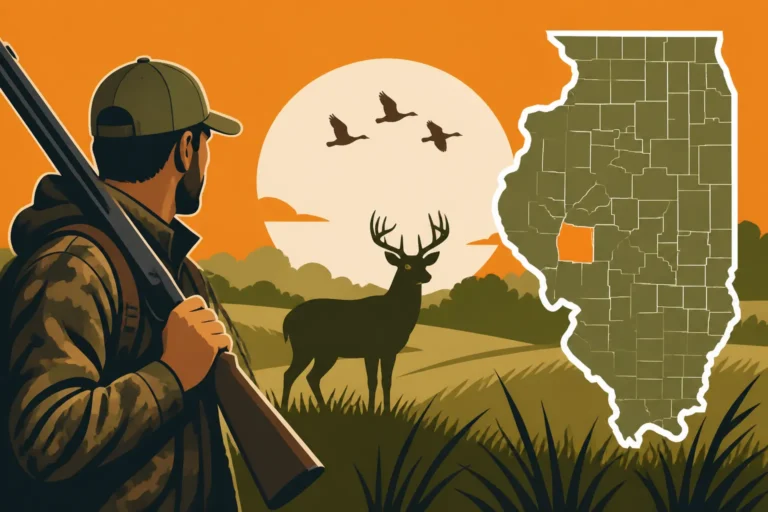
Pike County isn't famous for big bucks by accident. It’s a perfect storm of habitat, genetics, and management practices that have culminated in its legendary status. Imagine rolling agricultural fields of corn and soybeans providing a consistent, high-protein diet, interspersed with vast timbered river bottoms and oak ridges that offer incredible cover and bedding areas. This diverse landscape allows bucks to reach their full genetic potential, often growing larger body sizes and more impressive antlers than in less fertile regions.
Outfitters in Pike County often manage large tracts of land, sometimes thousands of acres, specifically for quality deer. This means controlled hunting pressure, strategic food plots, and a focus on letting younger bucks walk to mature. The combination of nutrient-rich forage, excellent cover, and disciplined herd management creates an environment where trophy-class animals thrive. If you've ever wondered Why Pike County Produces So Many Trophy Bucks, it's this unique blend of nature and nurture. When hunters discuss the Best Illinois Counties for Big Bucks, Pike County is almost always at the top of that list, and for good reason. This reputation is a core component of the "trophy hunt" allure and, consequently, its cost.
What Elevates a Hunt to "Trophy" Status and Cost
A "trophy hunt" in Pike County is fundamentally different from a general deer hunt you might undertake on public land or a smaller private parcel. The distinction often lies in the level of service, the quality of the hunting ground, and the outfitter's singular focus on providing an opportunity at a truly mature animal.
Outfitters who specialize in trophy hunts dedicate immense resources to scouting, habitat improvement, and stand placement. They've often spent months, if not years, analyzing trail camera data, monitoring deer movement patterns, and planting specific food plots to attract and hold mature bucks. When you arrive, the groundwork has been meticulously laid. You're not just renting a stand; you're buying into a system designed to put you in front of the kind of buck you've been dreaming of. This could involve multiple pre-set, well-maintained stands (ladder stands, hang-ons, enclosed blinds) strategically located based on wind, access, and recent deer activity. The promise is not just a deer, but a legitimate shot at a specific caliber of deer, which naturally commands a higher price tag.
Components of a Guided Pike County Hunt Package
Understanding what's typically included (and what's not) in a guided Pike County trophy buck hunt is crucial for setting your budget and expectations. These hunts are often all-inclusive packages, but the definition of "all-inclusive" can vary.
Base Package Costs and Inclusions
The initial cost of a Pike County trophy buck hunt typically covers several core elements, forming the foundation of your hunting experience. The duration of these hunts can vary, with most lasting anywhere from three to five full days of hunting.
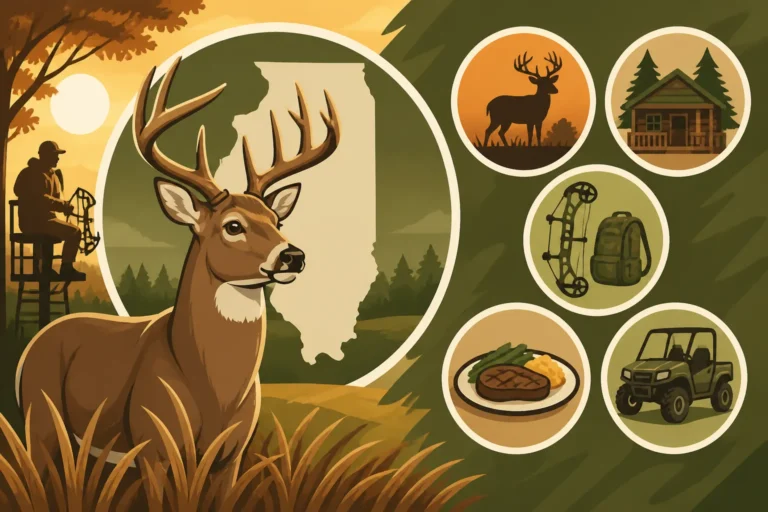
- Lodging: This is almost always included. Expect comfortable, clean accommodations, ranging from rustic-yet-cozy bunkhouses to more modern lodges with private rooms. Many of these lodges offer a true "deer camp" atmosphere, which for many hunters, is part of the experience.
- Meals: Most reputable outfitters provide home-cooked meals, often family-style, covering breakfast, lunch (sometimes packed for the stand), and dinner. This is a huge convenience, saving you time and effort that can be focused on hunting.
- Guide Service: While it's called a "guided" hunt, for whitetails, this often means your guide provides transportation to and from your stand, gives you an in-depth briefing on expected deer movement, wind conditions, and strategies for your specific stand, and assists with tracking and field dressing once a deer is harvested. The guide might not be sitting with you in the stand every minute, but their expertise and support are invaluable.
- Pre-Scouted Areas & Stands: You're hunting on land that has been extensively scouted, often with trail cameras, and equipped with quality stands placed in prime locations. This eliminates countless hours of your own scouting time, putting you in high-percentage areas from day one.
- Basic Field Dressing & Recovery: Once a buck is down, your guide will assist with tracking, recovery, and basic field dressing to get the animal out of the woods and back to the lodge.
When looking at the numbers, the Average Cost of a Guided Illinois Deer Hunt can serve as a baseline, but know that Pike County trophy hunts will generally sit at the higher end of that spectrum, given the specific target animal and location premium. Be sure to clarify What's Included in an All-Inclusive Deer Package when speaking with specific outfitters.
The Permitting and Licensing Landscape
Before you can even step foot in the woods, you'll need the proper permits and licenses, and for non-residents, this can be a hurdle, both logistically and financially. Illinois manages its deer permits through a lottery system for certain seasons, and non-resident permits are often limited and highly sought after.
- Illinois State Hunting License: Every hunter needs a base hunting license.
- Habitat Stamp: A state habitat stamp is also required for most hunting activities.
- Non-Resident Deer Permit: This is usually the most challenging and costly component. Non-resident permits are typically allocated via a lottery system, meaning you need to apply well in advance and aren't guaranteed a tag. Some outfitters may assist with this process or hold a limited number of "landowner" tags, but these too come with a premium. It’s crucial to understand the Illinois Nonresident Deer Permit Cost and the application deadlines.
- Archery vs. Firearm: The type of permit (archery or firearm) will depend on your preferred hunting method and the season dates. Make sure your outfitter aligns with your permit type.
It's vital to research Illinois Hunting Licenses and What They Cost comprehensively before booking, as these fees are almost never included in the outfitter's base package price and are an additional, significant expense.
Hidden Costs and Common Extras
The sticker price for a guided hunt is rarely the final price. There are several additional costs that hunters often overlook, but which can add hundreds, if not thousands, of dollars to the overall expense.
- Processing Fees: While your guide will field dress your deer, the actual processing (skinning, butchering, packaging) is typically an extra charge. Many outfitters have arrangements with local processors, and the cost will depend on the size of the deer and your specific requests (e.g., steaks, roasts, ground meat, jerky).
- Taxidermy: If you harvest that trophy buck you've been dreaming of, you'll want it mounted. Taxidermy costs are substantial and vary widely based on the artist, the type of mount (shoulder, pedestal, European skull mount), and turnaround time. Many outfitters can recommend local taxidermists.
- Tips for Guides and Staff: Tipping is customary and expected in the hunting industry, especially for quality service. Your guide, the lodge cook, and other staff work hard to ensure your experience is top-notch. Budgeting 10-20% of the hunt cost for tips is a good starting point.
- Travel Expenses: Don't forget the cost of getting to Pike County! This includes fuel, flights, rental cars, and any overnight stays on the road.
- Gear Upgrades/Replacements: Did your rain gear finally give out? Do you need new broadheads or scent control products? Factor in any last-minute gear purchases.
- CWD Testing: Depending on current regulations and the specific county, you may encounter mandatory or recommended CWD (Chronic Wasting Disease) testing fees.
- Souvenirs/Miscellaneous: You might want to buy a t-shirt, some local honey, or enjoy a drink at the nearest small-town bar. These small expenses add up.
Being prepared for these additional expenses will prevent any unpleasant surprises and ensure you can fully enjoy your hard-earned hunt.
Understanding Price Tiers and Outfitter Models
Just like any other service, not all guided hunts are created equal, and prices reflect that diversity. Understanding the different tiers and outfitter models can help you find a hunt that aligns with both your expectations and your budget.
Comparing Different Outfitter Tiers
The cost of your Pike County trophy hunt will largely depend on the level of luxury, personalized service, and land access an outfitter provides.
- Value-Oriented Outfitters: These operations focus on providing a solid hunting opportunity at a more accessible price point. Lodging might be simpler (e.g., a renovated farmhouse with shared bedrooms), meals hearty but basic, and guide services efficient. They'll still have quality land, but perhaps not the sheer acreage or amenities of higher-tier operations. The guide-to-hunter ratio might be higher, meaning one guide assists more hunters.
- Mid-Range Outfitters: This is where many popular Pike County outfitters fall. They offer comfortable lodges, excellent food, and a good guide-to-hunter ratio (often 1:2 or 1:3). They typically lease extensive, well-managed properties with a proven track record of producing quality bucks. You'll likely see a strong focus on client satisfaction and a professional operation. This is often the sweet spot for many hunters seeking a true "trophy" experience without the ultimate luxury price tag.
- Luxury & Boutique Outfitters: At the top end, these operations offer premium experiences. Think private rooms with en-suite bathrooms, gourmet meals, and often a 1:1 guide-to-hunter ratio. They may offer additional amenities like full-service game processing on-site, spas, or other recreational activities for non-hunting companions. Their land access might be exclusive, and the focus is on a highly personalized, high-success-rate experience, almost guaranteeing opportunities at truly giant deer. This is where you might find bespoke packages as described in Illinois Lodge and Package Hunts.
Here's a simplified comparison:
| Feature | Value-Oriented Outfitter | Mid-Range Outfitter | Luxury/Boutique Outfitter |
|---|---|---|---|
| Lodging | Shared, functional | Comfortable, private/semi-private | Private, high-end amenities |
| Meals | Hearty, home-style | Excellent, varied menu | Gourmet, custom options |
| Guide Ratio | 1:3 – 1:4 | 1:2 – 1:3 | 1:1 – 1:2 |
| Land Access | Quality, managed acreage | Extensive, proven trophy land | Exclusive, meticulously managed |
| Amenities | Basic camp facilities | Good common areas, some extras | Full-service, upscale extras |
| Price | $$$ | $$$$ | $$$$$ |
Booking Strategies and Value Considerations
When you're ready to book, a few strategies can help you secure the best hunt for your money and ensure a smooth experience.
- Book Early: For popular Pike County outfitters, especially during peak rut dates (often in early November, which you can read more about in Hunting the Rut in Early November), spots can fill up a year or more in advance. Booking early not only guarantees your spot but can sometimes lock in current pricing.
- Off-Peak Discounts: While rare for prime Pike County trophy hunts, some outfitters might offer slight discounts for early or late season dates (e.g., late October or late December). These periods can still offer excellent hunting, albeit with different challenges.
- Group Rates: If you're planning a trip with friends or family, inquire about potential group discounts.
- Reputation and Reviews: Don't just go by the pictures on a website. Read reviews on independent forums and social media, and ask the outfitter for references from past clients. A good outfitter will be happy to provide them. This is where platforms like BookYourHunt or GoHunt can be invaluable resources for seeing reviews and comparing different operations side-by-side. Make sure you know Vetting an Illinois Outfitter Before You Book and understand Questions to Ask Before Booking an Illinois Hunt.
- Contract Details: Always get a written contract that clearly outlines what's included, payment schedules, cancellation policies, and any guarantees (or lack thereof) regarding harvest success. Understand the deposit requirements and cancellation terms upfront.
Maximizing Your Investment and Realistic Expectations
A Pike County trophy buck hunt is a significant investment. To make the most of it, both financially and experientially, preparation and a realistic mindset are key.
Preparing for a Successful (and Costly) Hunt
You've put in the money, now put in the work. Proper preparation can significantly enhance your chances of success and ensure you get the most out of your investment.
- Physical Fitness: Illinois deer hunting, especially in the timbered areas, can be physically demanding. Be prepared for walking, climbing into stands, and potentially dragging a large buck. A little preseason conditioning goes a long way.
- Shooting Practice: Practice, practice, practice! Know your weapon inside and out. Practice shooting from various positions (sitting, standing, kneeling) at different ranges, mirroring potential hunting scenarios. Ethical shot placement is paramount, and a missed opportunity on a trophy buck is far more disappointing when you've invested so much.
- Know the Rules: Familiarize yourself with Illinois's hunting regulations, especially those related to deer. While your guide will inform you, knowing them yourself is always a good idea.
- Pack Smart: Illinois weather can be unpredictable. Be ready for anything from warm, sunny days to cold, rainy, or even snowy conditions. Layering is crucial. A detailed packing list, like the one suggested in What to Pack for a Guided Illinois Hunt, can ensure you have everything you need.
- Communicate with Your Outfitter: Don't be afraid to ask questions before you arrive. Share your goals, your experience level, and any physical limitations you might have. This allows the outfitter to tailor the experience as much as possible.
The Value Beyond the Tagged Animal
While the ultimate goal of a trophy hunt is, of course, a trophy buck, it's important to recognize that the experience itself holds immense value, regardless of whether you punch your tag.
- The Experience: Hunting in Pike County, Illinois, is an immersion in whitetail country. The sounds, the sights, the crisp autumn air, the anticipation – these are all parts of the experience that money can't truly quantify. Many hunters cherish the camaraderie around the lodge fire, sharing stories, and bonding with fellow hunters and guides. It's a true Illinois Deer Camp Traditions experience.
- Learning from Experts: Your guides are seasoned professionals with deep knowledge of local deer behavior, patterns, and habitat. Even if you don't shoot a buck, you'll likely come away with invaluable insights and lessons that will make you a better hunter in the future.
- Camaraderie: The shared pursuit, the early mornings, the quiet waits in the stand, and the evening meals with other passionate hunters create bonds and memories that last a lifetime.
- Respecting the Wild: A trophy hunt reinforces the respect we have for wild animals and their environment. It's about the pursuit, the challenge, and the connection to nature.
While the cost of a trophy Pike County buck hunt is significant, with careful planning and realistic expectations, it can be an incredibly rewarding investment in an unforgettable hunting adventure. Whether you return with a wall-hanger or just incredible stories, the experience of chasing big whitetails in Illinois's famed Pike County will be a memory you'll cherish for years to come. For non-residents especially, understanding the full scope of costs and challenges, including the intricacies of Booking an Illinois Hunt as a Nonresident, is essential for a successful trip.
Disclaimer
This article is for general informational purposes only and does not constitute professional advice. Laws, prices and regulations vary by location and change over time. Consult a qualified professional for guidance on your specific situation.