When a Guided Hunt Is Worth the Extra Cost
It’s a question every passionate hunter in Illinois, especially those dreaming of a trophy whitetail or a limit of migrating ducks, eventually grapples with: "Is a guided hunt really worth the extra money?" The sticker shock can be real, and it’s easy to feel like you could just save that cash and put in the work yourself. But sometimes, that higher price tag isn't just about convenience; it's about unlocking opportunities, experiences, and a level of success that would be incredibly difficult, if not impossible, to achieve on your own. This guide will help you unpack the true value proposition of a guided hunt, so you can decide when that "extra cost" makes perfect sense for your next Illinois adventure.
Deconstructing the "Extra Cost": What You're Truly Paying For
When you look at the price tag for a guided hunt, whether it's for deer in Pike County or ducks on the Illinois River, it's easy to just see a big number. But that number isn't just for someone to point you to a tree stand or a duck blind. It encompasses a multitude of factors that are often overlooked, representing a significant investment of time, knowledge, and resources on the outfitter's part.
Expertise and Local Knowledge
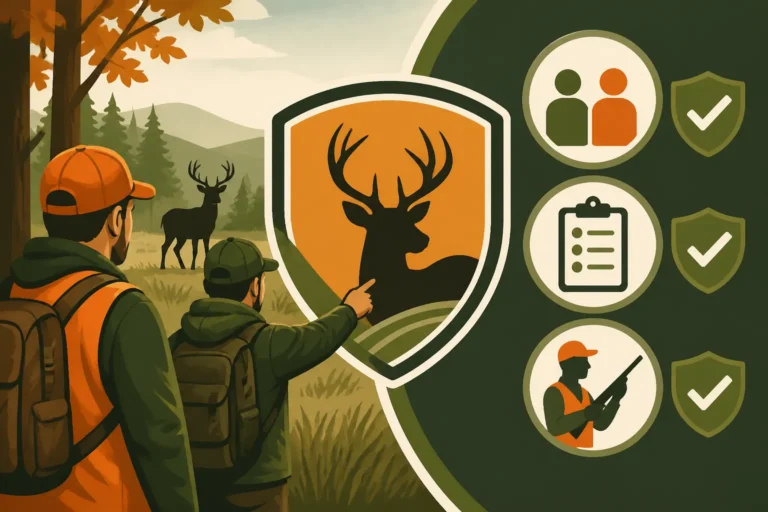
Let's be honest, hunting isn't just about showing up in the woods. It's about knowing which woods, which tree, and when to be there. This is where a guide’s expertise truly shines.
Imagine trying to navigate the sprawling, often challenging terrain of the Shawnee National Forest for the first time, hoping to intercept a mature buck. You might spend days just trying to understand the topography, locate bedding areas, or identify subtle funnels. A local guide, however, has likely spent decades in those woods. They know the creek crossings that bucks favor when pressured, the ridge systems that hold the most acorns after a hard frost, and how the deer shift their patterns with different winds and temperatures. They've logged countless hours Scouting Illinois Public Land Before Season and observing animal behavior. This isn't just theoretical knowledge; it's boots-on-the-ground, learned-the-hard-way wisdom. They understand the nuances of the local herd, the pressure points, and the often-unpredictable nature of game movement. This intimate understanding dramatically increases your chances of encountering game in prime locations at optimal times, a stark contrast to the trial-and-error approach many self-guided hunters must endure.
Equipment, Logistics, and Labor
Another substantial, often unseen, component of the guided hunt cost is the sheer amount of equipment, logistical planning, and physical labor involved.
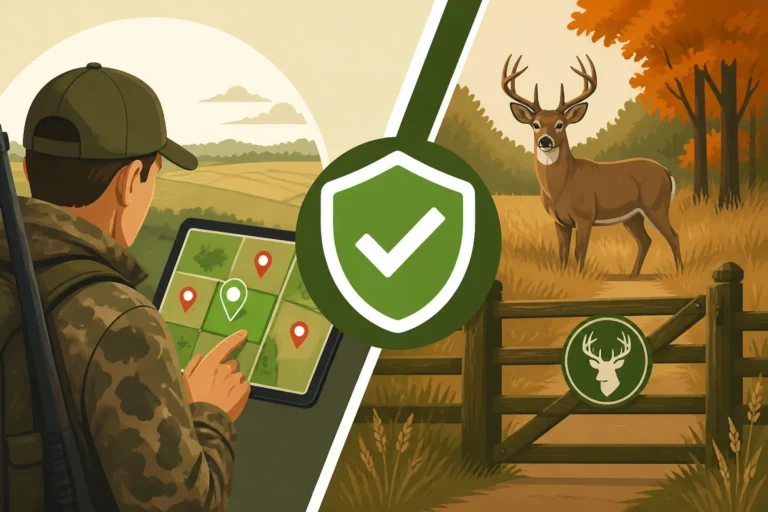
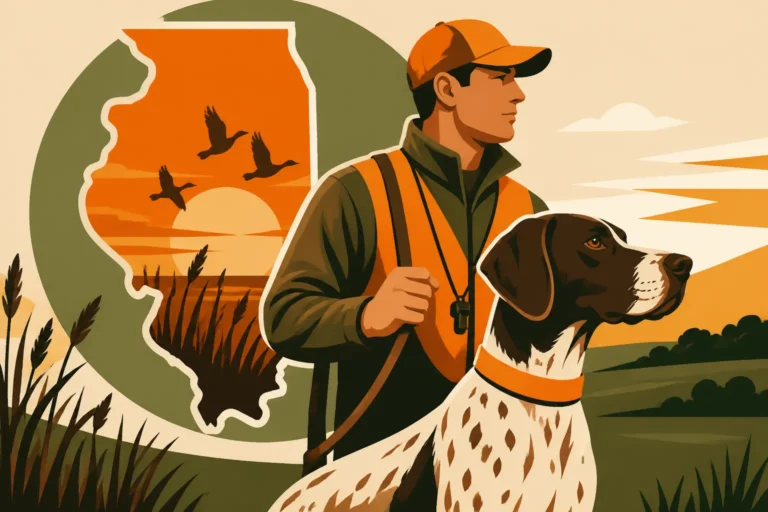
Think about a serious waterfowl hunt. We're talking hundreds of decoys, specialized boats, trained retriever dogs, layout blinds, and the knowledge of where to set up for optimal flight paths. Imagine attempting a layout blind hunt in a cut cornfield without an intimate understanding of the birds' preferred feeding areas or the proper setup to fool them. A guide handles all of this. They scout fields, permission landowners, haul and deploy heavy spreads of decoys, set up blinds that melt into the landscape, and manage dogs. This isn't just a matter of convenience; it's often a necessity for success, especially when targeting wary birds. For deer hunters, guides provide well-maintained, pre-set stands or ground blinds in proven locations, often on exclusive private land that you would never otherwise access. They handle everything from checking wind directions for optimal stand placement to Brushing In a Blind on a Field Edge to ensure maximum concealment. Then, there's the post-shot labor: tracking, field dressing, and often helping with the heavy haul out, saving your back and ensuring your game is handled properly. This comprehensive service allows you to focus purely on the hunt, rather than worrying about the myriad logistical challenges.
Scenarios Where a Guided Hunt Shines Brightest
While there's immense satisfaction in a DIY hunt, certain situations truly highlight the value of investing in a guided experience. These are the moments when the "extra cost" shifts from a luxury to a strategic advantage.
Targeting Specific Trophy Animals or Rare Experiences
Let's face it, many hunters dream of a true trophy. For a giant whitetail buck, Illinois is a legendary state, particularly counties like Pike. While big deer exist on public land, consistently finding and patterning a Boone and Crockett caliber animal often requires access to privately managed ground with specific genetics, age structures, and carefully controlled pressure.
Outfitters who specialize in trophy whitetails often lease thousands of acres of prime habitat, managing their herds for quality over quantity. They have trail cameras running year-round, extensive food plots, and a deep understanding of individual buck movements. If your goal is to have a legitimate opportunity at a specific class of animal, an outfitter significantly increases your odds. It's not a guarantee, but it’s a calculated investment in a higher probability. Similarly, if you're looking for a specific, challenging experience, like a true Illinois River Valley Diving Ducks hunt, a guide has the specialized equipment (like large spreads of diver decoys and boats for open water) and the intimate knowledge of the river's constantly changing currents and feeding grounds that would be impossible for an outsider to replicate. Platforms like BookYourHunt are excellent resources for finding reputable outfitters who specialize in these kinds of high-end, target-specific hunts, allowing you to filter by species, location, and even trophy potential.
Time Constraints and Maximizing Efficiency
For many hunters, time is the ultimate luxury. With busy work schedules, family commitments, and limited vacation days, spending a week just scouting or learning an area isn't always feasible. This is where a guided hunt pays dividends in efficiency.
When you book with an outfitter, the vast majority of the groundwork is already done. The stands are hung, the blinds are set, the scouting reports are fresh, and the guide has a solid game plan based on current conditions and game movement. You arrive, get briefed, and can often be in a stand or blind within hours of reaching camp. This immediate readiness means you're maximizing every precious moment of your trip. Instead of spending your valuable hunt days trying to locate deer sign, decipher public land maps, or figure out entry and exit routes, you're actively hunting in proven areas. For non-residents making a significant journey to hunt Illinois, this efficiency is especially crucial. The "extra cost" becomes an investment in ensuring that every day of your limited hunting vacation is spent productively, rather than in reconnaissance. Many hunters use resources like GoHunt to research outfitters and plan their limited time effectively, reading reviews and understanding what each outfitter provides. Knowing that your Illinois Deer Camp Traditions include ready-to-hunt setups rather than endless scouting can make all the difference.
The Value Beyond the Kill: Learning and Enjoyment
Beyond the tangible benefits of increased success rates and logistical support, a guided hunt offers a wealth of intangible value that often makes the "extra cost" truly worthwhile.
Mentorship and Skill Development
A good guide isn't just there to put you on game; they're often incredible teachers and mentors, especially for hunters new to a specific species, weapon, or terrain.
Imagine you're keen to learn how to effectively use Rattling and Grunting in Illinois calls during the rut, but you've never quite mastered the timing or volume. A guide, sitting right beside you, can offer real-time instruction, explain subtle nuances, and demonstrate techniques that would take years to perfect on your own. They can teach you how to properly interpret deer sign, identify bedding areas, or even refine your shot placement. For newer hunters, or those stepping outside their comfort zone (say, transitioning from shotgun to muzzleloader for a special season), a guide provides invaluable hands-on instruction and builds confidence. This accelerated learning curve not only makes the current hunt more successful but also equips you with skills that will benefit all your future hunting endeavors. It's an investment in your long-term hunting education, a crash course in localized strategies that extends far beyond the duration of your trip.
Reduced Stress and Enhanced Experience
Let's be honest, hunting can be stressful. There's the pressure to find game, the worry about public land crowds, the anxiety of tracking a wounded animal, and all the logistical headaches that come with planning a trip. A guided hunt significantly reduces these stressors, allowing you to truly immerse yourself in the experience.
When a guide handles scouting, stand placement, tracking, Blood Trailing After Dark in Illinois, and even field dressing, your mental load is drastically lightened. You're free to focus on the beauty of the Illinois landscape, the thrill of the chase, and the camaraderie of the hunting camp. The "extra cost" essentially buys you peace of mind and the opportunity for a genuinely relaxing and enjoyable trip. Instead of waking up wondering "where should I go today?", you wake up knowing exactly where you're headed and that every detail has been thoughtfully considered. This shift allows you to appreciate the hunt for what it truly is: an escape, a challenge, and a communion with nature, rather than a self-imposed logistical puzzle.
Making the Decision: When Self-Guided Public Land Makes More Sense
While guided hunts offer undeniable advantages, they aren't the right fit for every hunter or every situation. Understanding when to opt for a self-guided adventure is just as crucial as knowing when to book with a pro.
Budget-Conscious Hunting and the Spirit of Adventure
The most apparent reason to choose a self-guided hunt is financial. Guided hunts represent a significant monetary investment, and for many hunters, that cost is simply prohibitive, or they prefer to allocate those funds elsewhere.
If your budget is tight, or if you simply prefer the challenge and immense satisfaction of earning a harvest entirely on your own terms, then Public Hunting Land in Illinois is your arena. There's a unique pride in researching an area, scouting it yourself, enduring the elements, and finally tagging an animal through sheer grit and self-reliance. If you have the time to dedicate to extensive pre-season scouting, are willing to put in the legwork, and relish the puzzle of figuring out game on unfamiliar ground, a self-guided hunt offers an unparalleled sense of accomplishment. The "extra cost" of a guide might prevent you from hunting at all, or it might detract from the raw, unadulterated adventure that you truly seek. Illinois offers a surprising amount of public access, and with careful planning, it’s entirely possible to have a successful and memorable DIY hunt.
Familiarity with the Area and Species
If you're a seasoned Illinois hunter with years of experience in a particular region, or if you regularly hunt a species that you deeply understand, a guide might be redundant.
For hunters who have spent years navigating the timber of Southern Illinois, understanding the deer movements along the Kaskaskia River, or intimately knowing the turkey roosts in their local woodlots, their own knowledge might be as good as, or even superior to, a generalist guide. If you've invested your own time in learning specific public land tracts, have a network of private land access, or can confidently read the landscape and game sign in your chosen area, then the "extra cost" for a guide simply won't bring enough added value to justify it. The decision hinges on whether a guide can offer something truly new – access to land you couldn't otherwise reach, specialized equipment you don't possess, or a level of expertise that truly surpasses your own hard-won understanding of your hunting grounds, perhaps during Hunting the Illinois Rut in Early November when patterns change rapidly.
Here’s a quick overview to help you weigh the options:
| Factor | Guided Hunt | Self-Guided Hunt |
|---|---|---|
| Initial Cost | Higher; covers guide fees, lodging, services | Lower; primarily licenses, tags, personal gear, fuel |
| Local Knowledge | Provided by expert guide; current scouting | Acquired through personal research, scouting, experience |
| Success Potential | Generally higher for target species/trophies | Varies greatly by skill, time, location; can be high |
| Equipment & Logistics | Often provided (blinds, decoys, boats, dogs) | Hunter is responsible for all gear, transport, setup |
| Time Investment | Minimal pre-hunt planning; maximized hunt time | Significant pre-hunt scouting & logistical planning |
| Learning Opportunity | Direct mentorship, accelerated skill acquisition | Self-taught, trial-and-error learning, personal growth |
| Stress & Effort | Lower; guide handles many burdens and tasks | Higher; hunter responsible for all aspects |
| Land Access | Often prime private land or well-managed public | Limited to public land or secured private permission |
| "Earned It" Feeling | Focused on the hunt itself, less on logistics | Immense satisfaction from doing it all yourself |
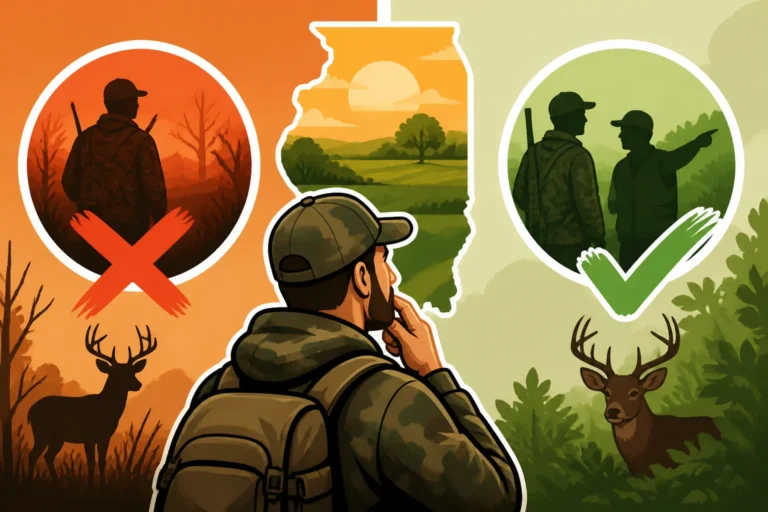
Ultimately, deciding whether a guided hunt is worth the extra cost is a deeply personal choice that hinges on your goals, your budget, and your definition of a successful and enjoyable hunting experience. Sometimes, it’s about securing that once-in-a-lifetime trophy. Other times, it's about maximizing limited vacation days or learning new skills from an experienced pro. And sometimes, the raw, unadulterated adventure of a self-guided trip, where you earned every step and every sighting, is precisely what makes hunting so fulfilling. Hopefully, this breakdown helps you weigh the true value proposition and make the best decision for your next Illinois hunting adventure, whether you're exploring How Many Acres of Public Land Illinois Has on your own or booking a five-star lodge experience.
Disclaimer
This article is for general informational purposes only and does not constitute professional advice. Laws, prices and regulations vary by location and change over time. Consult a qualified professional for guidance on your specific situation.