How Many Acres Horseshoe Lake Covers
It's easy to look at a map of a place like Horseshoe Lake Fish & Wildlife Area in southern Illinois and feel a little overwhelmed. You see this massive expanse of water and timber, and your first thought is probably, "How do I even begin to hunt something this big?" It’s a completely valid frustration because sprawling public lands can feel impenetrable. This guide is here to demystify the sheer scale of Horseshoe Lake, breaking down its acreage and explaining what that truly means for you as a hunter trying to make sense of this incredible, unique piece of Illinois hunting heritage.
Understanding the Scale of Horseshoe Lake Fish & Wildlife Area
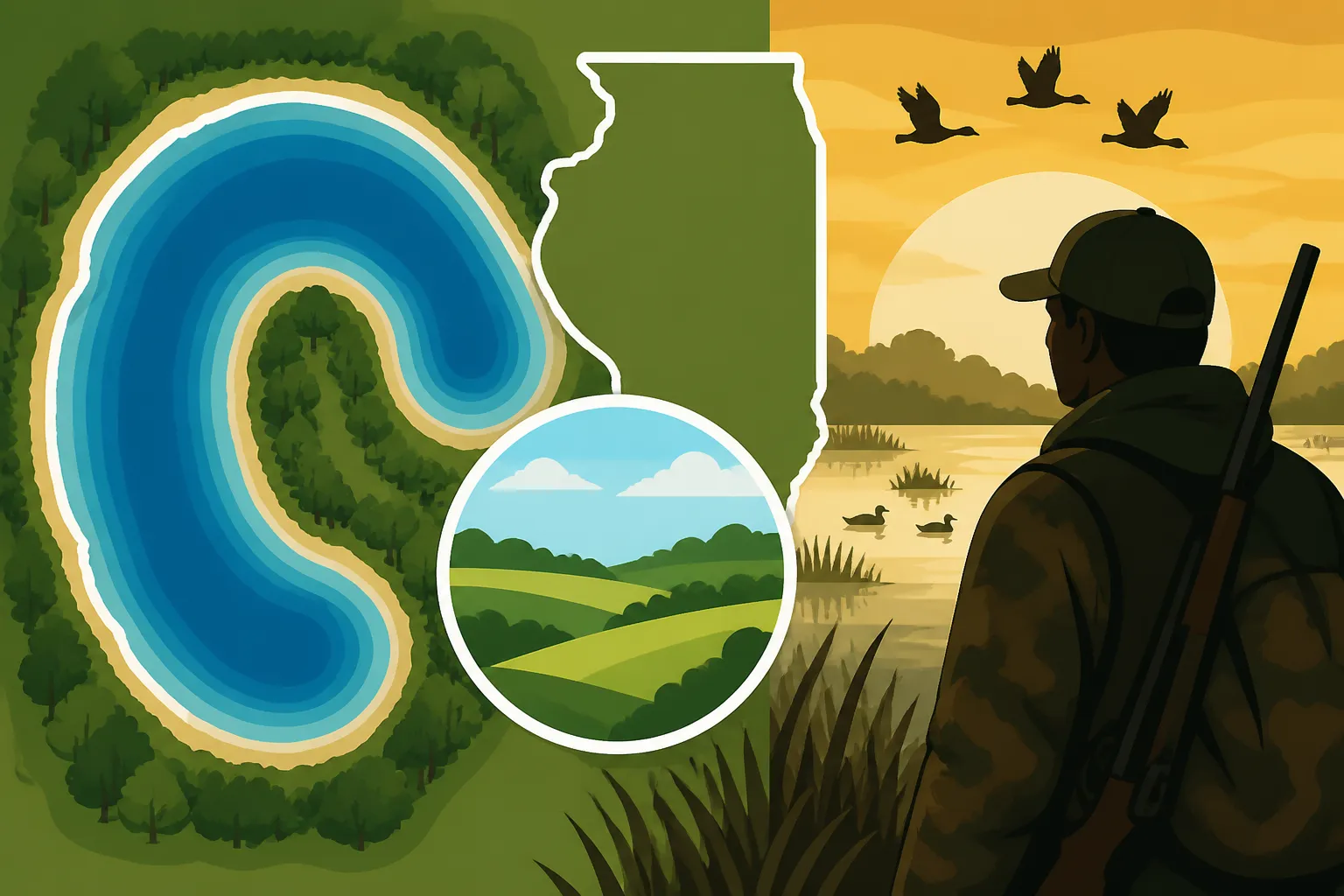
When you first hear about Horseshoe Lake, your mind probably jumps straight to the main body of water, and rightfully so. It's a striking feature, an ancient oxbow lake formed by the Mississippi River, truly unlike anything else in Illinois. But the "lake" itself is just one part of a much larger, complex system that makes up the Horseshoe Lake Fish & Wildlife Area. This isn't just a big pond; it's a diverse habitat with deep cypress swamps, islands of mature timber, open fields, and various water control structures.
The entire Horseshoe Lake Fish & Wildlife Area covers approximately 10,200 acres. Let that number sink in for a moment. To put it in perspective, that's roughly sixteen square miles of prime habitat. However, it's crucial for hunters to understand that not all of those 10,200 acres are equally accessible or even designated for general hunting. A significant portion of this acreage includes the lake proper, as well as designated waterfowl refuges, nesting areas, and controlled zones that are off-limits to hunting or have very specific access rules. For many, figuring out what's what can feel like trying to solve a puzzle without all the pieces, but with a bit of local knowledge, it becomes much clearer.
Breaking Down the Acreage for Hunters
So, if 10,200 acres is the total, what part of that is truly available for hunting? It's a common question, and one that trips up many a hunter looking at a map for the first time. The Illinois Department of Natural Resources (IDNR) manages these areas with specific purposes in mind, balancing hunting opportunities with wildlife conservation, especially for migratory birds.
Here's a general breakdown of how the acreage is typically distributed:
- Lake and Wetlands: The vast majority of the "lake" area, including surrounding cypress-tupelo swamps and emergent vegetation, is significant. While some of these waters are open to waterfowl hunting during season, many are also part of critical refuge systems or have restrictions. These areas are vital for species like mallards, wood ducks, and geese, particularly during migration.
- Timber and Uplands: Numerous islands dot the lake, and higher ground areas comprise mature timber, dense brush, and some planted fields. These forested blocks provide excellent habitat for white-tailed deer, wild turkeys, and various small game species. These are often the most accessible areas for upland hunting, but even here, access might be limited by water levels or seasonal closures.
- Agricultural Lands: Like many Illinois Fish & Wildlife Areas, there are often agricultural fields planted with corn, soybeans, or other crops, sometimes managed by the IDNR or leased to local farmers. These fields provide crucial food sources for deer and waterfowl and can also offer cover for upland birds and small game, though hunting here might be confined to specific zones or require special permits.
Understanding this segmentation is key to planning a successful hunt. You wouldn't go looking for deer in the middle of a waterfowl refuge, just as you wouldn't expect to jump-shoot ducks in a dry cornfield. Knowing the general layout helps you narrow down your focus and make the most of your time in this diverse area.
Horseshoe Lake's Unique Ecological Features
Beyond just the numbers, the true character of Horseshoe Lake comes from its unique ecological features. This isn't your average prairie lake; it's a relic of a bygone era when the Mississippi River meandered freely. The cypress-tupelo swamps are particularly notable, creating an otherworldly landscape that feels more like the bayous of the deep South than rural Illinois. These ancient trees, standing in water for much of the year, provide critical habitat and shelter for a vast array of wildlife, including numerous bird species, reptiles, and amphibians, alongside the game animals we pursue.
The presence of these unique habitats means that hunting at Horseshoe Lake often requires specialized knowledge and equipment. For waterfowl hunters, it might mean navigating shallow waters in a canoe or specialized boat, setting decoys among cypress knees, or building blinds in flooded timber. For deer hunters, it means understanding how whitetails navigate the islands and elevated ridges, moving between dense cover and food sources. This intricate ecosystem, while beautiful, also presents challenges that require adaptability and respect for the natural environment.
What This Acreage Means for Hunters
Okay, so 10,200 acres is a big number, but what does it really boil down to for you on the ground, or in the boat? It means a lot of things, both good and challenging. For many, the sheer size offers a sense of wildness and the possibility of finding unpressured game, which is a rare commodity on public lands. But it also means you can't just show up and expect to stumble into a prime spot. Effective hunting here is all about preparation and understanding the dynamics of a truly vast and varied landscape.
Opportunities for Diverse Hunting Experiences
The impressive acreage of Horseshoe Lake translates directly into a wide array of hunting opportunities. This isn't a one-species wonder; it's a multi-faceted hunting destination that caters to different passions throughout the year.
- Waterfowl Paradise: This is arguably what Horseshoe Lake is most famous for. The sprawling lake and its numerous sloughs and backwaters attract incredible numbers of ducks and geese during migration. Hunters can find opportunities in managed impoundments, open water hunting zones, or by setting up in flooded timber on some of the smaller islands. The variety of water depths and vegetation means you could be jump-shooting wood ducks one day and working Canada geese from a layout blind the next. It's truly a duck and goose hunter's dream, providing diverse challenges and rewards. Why Horseshoe Lake Draws Goose Hunters goes into even more detail on this specific aspect.
- Deer Hunting in Unique Terrain: While waterfowl get a lot of the spotlight, don't overlook Horseshoe Lake for deer. The numerous timbered islands and elevated areas within the lake's basin provide excellent whitetail habitat. Deer use these islands as sanctuaries and travel corridors, moving between cover and surrounding food sources. Hunting these areas often involves unique challenges, such as dealing with water access, but the reward can be finding mature bucks that have learned to utilize this difficult terrain to their advantage. It's a different kind of deer hunt than in typical Illinois farm country.
- Turkey and Small Game: Portions of the Fish & Wildlife Area also offer decent opportunities for wild turkey, particularly in the larger timber blocks on the mainland or larger islands. These birds thrive in the mature hardwood forests, often roosting in tall cypress or oaks. Small game hunting, for squirrels and rabbits, can also be productive in the timbered and brushy areas, especially along transition lines and field edges. It's often overlooked, but a quiet morning chasing squirrels can be a wonderful way to experience the area.
This diversity means you can realistically plan multiple types of hunts in a single season, or even combine them into a longer trip if you're traveling a significant distance. The key is knowing which areas are open for what species and when.
Challenges of Hunting a Large, Diverse Area
With great size comes great responsibility, or at least, great challenge for the hunter. The sheer scale of Horseshoe Lake, combined with its unique environment, presents several hurdles you'll need to prepare for.
- Navigation and Access: The biggest challenge is often simply knowing where you are and how to get there. Roads within the area can be limited, and much of the hunting may require boat access, especially for waterfowl or deer on islands. Water levels can fluctuate dramatically, changing access points and making familiar spots unrecognizable. This is where advanced mapping tools become absolutely indispensable. Tools like onX Hunt or GoHunt with their detailed satellite imagery and property line overlays can be invaluable for understanding the terrain, identifying potential access points, and avoiding private land. These apps allow you to mark waypoints, track your movements, and see refuge boundaries, which are critical for staying legal and safe.
- Hunting Pressure Management: Like any popular public land, Horseshoe Lake can experience significant hunting pressure, especially during peak seasons. While the overall acreage is large, desirable spots can still get crowded. The good news is that the vastness also means that willing hunters who put in the effort to walk further, boat into less accessible areas, or scout thoroughly often find pockets of unpressured game. It forces you to be strategic and creative with your approach, rather than simply following the crowd. Hunting Pressure on Illinois Public Land offers more insights into dealing with this reality.
- Equipment and Safety: The unique environment often demands specific gear. Waders, specialized boats (like canoes or small jon boats), and even chest waders are often necessary. Safety is paramount, especially when navigating unfamiliar waters in the dark before a morning waterfowl hunt. Understanding the weather, water conditions, and having a reliable partner are non-negotiable. The cypress knees can hide submerged obstacles, and fog can roll in quickly, making navigation tricky. Always tell someone where you're going and when you expect to return.
| Hunting Opportunity | Primary Habitat Type | Key Challenges | Essential Gear |
|---|---|---|---|
| Waterfowl | Open Water, Flooded Timber, Managed Impoundments | Navigation, Variable Water Levels, Pressure | Waders, Boat, Decoys, Layout Blind (optional) |
| White-tailed Deer | Timbered Islands, Upland Forests, Field Edges | Water Access, Locating Travel Corridors | Treestand/Ground Blind, Boat/Kayak, Scent Control |
| Wild Turkey | Mature Hardwood Forests, Forest Edges | Locating Roost Sites, Calling | Calls, Camouflage, Comfortable Boots |
| Small Game (Squirrel/Rabbit) | Brushy Areas, Timber, Fencerows | Dense Cover, Locating Pockets of Activity | Shotgun/Small Caliber Rifle, Good Walking Boots |
Navigating and Maximizing Your Hunt at Horseshoe Lake
Hunting a large, dynamic area like Horseshoe Lake requires more than just showing up with your gear. It demands careful planning, diligent scouting, and smart use of modern tools. Think of it as a chess match against both the game and the environment. Every move needs to be considered.
Pre-Season Scouting: Your Secret Weapon
Before the season even begins, especially if you're new to Horseshoe Lake, scouting is your absolute best friend. This is where you put in the groundwork that pays off when the season opens.
- Digital Reconnaissance: Start from your couch! Utilize satellite imagery provided by platforms like onX Hunt or GoHunt. Zoom in on areas of interest. Look for distinct changes in vegetation, water features, potential bottlenecks, and higher ground (especially crucial for deer hunting on islands or in low-lying areas). Identify potential boat launches, parking areas, and access trails. Pay close attention to any clearly marked refuge boundaries or restricted areas shown on these apps. Reading Aerial Photos for Southern Illinois Deer can give you even more context on how to interpret these maps effectively.
- On-the-Ground Exploration: Nothing beats boots on the ground, or a boat on the water, for truly understanding the area. If you can, visit during the off-season. Walk the accessible timbered islands, paddle through the sloughs, and note water levels. Look for deer sign like rubs, scrapes, and trails. For waterfowl, identify potential blind locations, understand prevailing winds, and check out existing blinds (some might be permitted, others unofficial – know the rules). Pay attention to food sources, both natural and agricultural, that could draw game.
- Leveraging IDNR Resources: The Illinois Department of Natural Resources (IDNR) website is a treasure trove of information. Check for specific site regulations, hunt boundary maps, and permit requirements for Horseshoe Lake. These can change year to year, so always confirm the latest rules. Many areas, especially for waterfowl, operate under special permit or lottery systems that you need to be aware of and apply for in advance. Using the Illinois DNR Map Tool is an excellent starting point for this digital research.
Remember, the more you know before you go, the less time you'll spend guessing and the more time you'll spend hunting effectively.
Strategic Use of Mapping Technology
In an area as vast and intricate as Horseshoe Lake, reliable mapping technology isn't just a convenience; it's a necessity. It’s like having a local guide in your pocket, even when you’re venturing into uncharted territory.
- GPS Tracking and Waypoints: Use your onX Hunt or GoHunt app to track your movements. This is invaluable for finding your way back to your vehicle or boat in the dark or after a long day in unfamiliar terrain. Mark key waypoints: a fresh deer scrape, a consistent turkey roost, a good potential blind spot, a hidden ditch crossing, or even a deep hole for waterfowl. These digital breadcrumbs create a personal map of productive spots over time.
- Understanding Boundaries: Public land often butts right up against private property, and sometimes, those lines aren't clearly marked on the ground. The detailed property line overlays in mapping apps are critical for staying legal and respecting landowner rights. At Horseshoe Lake, understanding refuge boundaries and specific hunting unit lines is equally important. A quick glance at your phone can save you a lot of trouble and potential fines.
- Offline Maps: Cell service can be spotty, especially in remote areas or deep timber. Always download offline maps for the Horseshoe Lake area before you leave home. This ensures you have access to all your crucial mapping data, including satellite imagery and waypoints, even without a signal. This simple step can literally prevent you from getting lost.
By integrating these tools into your scouting and hunting strategy, you turn the challenge of Horseshoe Lake's size into an advantage, allowing you to explore and discover new, productive areas with confidence.
Adaptive Hunting Methods for Diverse Terrain
Given the varied landscape of Horseshoe Lake, a one-size-fits-all hunting approach simply won't cut it. Successful hunters here are adaptable, capable of shifting tactics based on the species, the specific habitat, and even the weather conditions.
- For Waterfowl: This often means setting up permanent or temporary blinds in strategic locations that intercept bird flight paths or provide good decoying opportunities. If you're targeting geese, this might be in cut fields adjacent to water. For ducks, it could be flooded timber or shallow marshy areas. Learning to call effectively and understanding duck and goose behavior is paramount. Be prepared for early morning darkness, cold water, and often, long periods of waiting.
- For Deer: Still-hunting or stand hunting are common methods. For stand hunting, carefully selected treestand setups on the islands or ridges can be highly effective, especially near pinch points, food sources, or bedding areas. Ground blinds can also work well, especially in thick cover. Treestand Setups in Shawnee National Forest shares principles that translate well to timbered areas like Horseshoe Lake, emphasizing wind, access, and cover. Understanding how deer utilize the elevated areas as travel corridors between watery sections is key.
- For Turkey: Run-and-gun tactics can be effective for spring gobblers, allowing you to cover ground and locate birds that might be spread out in the large timber blocks. However, roost hunting, where you try to locate birds on the roost the evening before and set up nearby for a morning ambush, can also be very productive. Fall turkey hunting typically involves breaking up flocks and calling them back in.
- For Small Game: Bushy areas, fencerows, and timber edges are prime spots for squirrels and rabbits. Still-hunting slowly through the timber, listening for rustling leaves or falling nuts, works for squirrels. For rabbits, working brush piles and thickets with a good dog, or even jump-shooting them, can be effective.
Flexibility is your greatest asset. The conditions at Horseshoe Lake can change rapidly, from water levels to bird activity, so being able to adjust your strategy on the fly will greatly increase your chances of success.
Species-Specific Opportunities Within Horseshoe Lake's Vastness
Horseshoe Lake isn't just a big area; it's a complex ecosystem, and different game species thrive in different parts of it. Understanding where each species is most likely to be found, and how they utilize the unique habitats, is crucial for planning a successful hunt. This isn't just about showing up; it's about understanding the nuances of the terrain and the habits of the animals that call it home.
Waterfowl Hunting: The Jewel of Horseshoe Lake
Without a doubt, waterfowl hunting is the primary draw for many to Horseshoe Lake. Its position within the Mississippi Flyway, coupled with its expansive waters and cypress swamps, makes it a critical staging and wintering ground for ducks and geese.
- Ducks Galore: The lake attracts a wide variety of duck species, with mallards, wood ducks, and gadwalls often being among the most common. Pintails, wigeon, and various diving ducks (like ring-necks and scaup) can also be found, especially in the deeper, open water sections. Hunting strategies vary widely. Some areas are managed impoundments where hunters apply for specific blinds or walk-in access, while other areas allow for more free-ranging opportunities in natural sloughs and flooded timber. Knowing the specific regulations for each zone is absolutely critical, as they can dictate everything from blind placement to shooting hours. Illinois Waterfowl Zones and Seasons provides an overview of how seasons are structured in the state.
- Goose Hunting Magnets: While ducks are plentiful, Horseshoe Lake is also a magnet for Canada geese. Large numbers stage on the refuge areas, and hunters often intercept them as they fly out to feed in nearby agricultural fields or return to the safety of the lake. Field hunting from layout blinds on private land adjacent to the FWA is popular, but opportunities also exist for goose hunting within designated zones of the Fish & Wildlife Area, often in conjunction with duck hunting. The sheer volume of birds during peak migration can be truly awe-inspiring.
- The Cypress Swamp Experience: For many, the ultimate Horseshoe Lake waterfowl experience is hunting in the flooded cypress and tupelo timber. This isn't your typical open-water spread. It often involves navigating shallow, dark waters, setting decoys among ancient tree trunks, and calling birds into tight pockets of water. It's an immersive and challenging hunt that epitomizes the unique environment of southern Illinois. Access to these areas can be tricky, often requiring smaller boats or even wading.
Deer Hunting: Islands, Timber, and River Bottoms
While not as widely publicized as its waterfowl hunting, Horseshoe Lake offers intriguing deer hunting opportunities, particularly for those willing to work a bit harder and adapt to the unique environment. The whitetails here are masters of their domain, using the water and thick cover to their advantage.
- Island Sanctuaries: The timbered islands within Horseshoe Lake act as natural sanctuaries for deer. These islands provide dense cover, especially the cypress and tupelo stands, and offer a sense of security from human pressure. Deer will often bed down on these islands and move off them to feed in surrounding agricultural fields or browse on native vegetation. Accessing these islands often requires a boat or careful wading when water levels are low. Hunting these isolated pockets can be very rewarding, as deer may be less accustomed to constant human intrusion.
- River Bottom Dynamics: Although Horseshoe Lake is an oxbow, its proximity to the Mississippi River means it shares characteristics with river bottom hunting. Deer move through natural funnels, along subtle ridge lines, and through transitional zones between different habitat types. Pay close attention to elevated areas, even slight ones, which provide dryer bedding and travel routes when much of the surrounding land is wet. Understanding these subtle elevation changes, even just a foot or two, can be critical for success. Hunting Illinois River Bottom Funnels offers more insights into this specific type of terrain.
- Pressure-Resistant Bucks: Due to the challenging access and the sheer amount of cover, bucks at Horseshoe Lake can be incredibly elusive and smart. They quickly learn to navigate the labyrinthine swamps and utilize the islands as escape routes. Hunting here is a true test of woodsmanship, requiring patience, stealth, and a deep understanding of deer behavior in a wet, timbered environment. The reward, however, can be a mature whitetail that has outsmarted many other hunters.
Turkey and Small Game: Overlooked Gems
While waterfowl and deer might steal the show, Horseshoe Lake also provides a home for wild turkeys and various small game species. These opportunities are often less crowded and can offer a fantastic experience for hunters looking for something different.
- Timber Turkey Opportunities: The expansive tracts of mature timber, especially on the larger islands and mainland portions of the FWA, provide excellent habitat for wild turkeys. These birds thrive in the mix of hardwoods and cypress, finding ample food sources like acorns and insects, as well as plenty of towering trees for roosting. Spring turkey hunting can be challenging, but finding those gobblers working the timber can be incredibly exciting. Look for areas with good mast crops and open understories, which turkeys prefer for foraging.
- Squirrel and Rabbit Havens: For those who enjoy a more relaxed hunt, the timbered areas of Horseshoe Lake are full of squirrels, primarily fox and gray squirrels. Hickory and oak groves are particularly productive. Rabbit hunting can also be excellent in the brushy edges, transition zones, and areas with dense undergrowth. These small game species often provide a great way to introduce new hunters to the outdoors, or simply enjoy a quiet day in the woods, even when deer or waterfowl seasons are closed.
- Less Pressure, Different Experience: One of the benefits of targeting turkeys or small game at Horseshoe Lake is the potentially lower hunting pressure compared to the peak waterfowl seasons. This can lead to a more peaceful and immersive experience, allowing you to truly appreciate the unique beauty of the cypress swamps and ancient timber. It’s a chance to slow down, hone your calling skills, or simply enjoy the tranquility of a large public hunting area.
Planning Your Trip to a Large Public Area Like Horseshoe Lake
Hunting a place like Horseshoe Lake Fish & Wildlife Area isn't just about the hunt itself; it's about the entire experience, from preparing at home to the logistics on the ground. Given its size and unique nature, a little extra planning goes a long way to ensure a safe, enjoyable, and successful trip. Don't underestimate the details, as they can make or break your adventure.
Essential Gear and Supplies
The challenging environment of Horseshoe Lake demands specific gear. You can't just throw your usual kit in the truck and expect to be fully prepared.
- Navigation Tools: As mentioned, a reliable GPS unit or a smartphone app with offline maps (like onX Hunt or GoHunt) is non-negotiable. Carry a physical map and compass as a backup, and know how to use them.
- Waterproof Everything: Waders are a must for waterfowl hunters and often beneficial for deer hunters too, especially during periods of high water. Invest in good quality waterproof boots, rain gear, and dry bags for all your electronics and essentials. Expect to encounter mud and water, even if you’re trying to stay dry.
- Access Equipment: If you plan on hunting the islands or interior sections, a boat is almost certainly necessary. A small jon boat, canoe, or kayak can provide silent access to areas larger boats can't reach. Ensure you have all required safety gear for your vessel (life vests, lights, signaling devices).
- Safety Gear: A first-aid kit, flashlight/headlamp, extra batteries, signaling whistle, fire starter, and emergency blanket are always wise. For cold weather hunting, bring multiple layers of clothing to prevent hypothermia, as conditions can change rapidly. A fully charged power bank for your phone is also a smart idea.
- Communication: Cell service can be spotty. Consider a satellite messenger or two-way radios if hunting with a partner in remote areas. Always let someone know your float plan or hunting area and expected return time.
Being over-prepared is always better than being caught off guard, especially in a large, wild area like Horseshoe Lake.
Understanding Permits, Licenses, and Regulations
Illinois has a structured system for hunting, and large Fish & Wildlife Areas often have site-specific rules that go beyond statewide regulations. Ignorance of the law is never an excuse, and violations can lead to hefty fines or loss of hunting privileges.
- Statewide Requirements: First and foremost, you'll need your valid Illinois hunting license and a State Habitat Stamp. For migratory birds, you'll also need a Federal Duck Stamp and HIP (Harvest Information Program) registration. For deer and turkey, specific permits are required, often acquired through a lottery system or over-the-counter sales. Illinois Hunting Licenses and What They Cost details these base requirements.
- Site-Specific Permits: Horseshoe Lake, especially for waterfowl and some deer hunts, often requires additional site-specific permits. These might be awarded through pre-season lotteries or daily drawings. Always check the current year's IDNR Digest of Hunting and Trapping Regulations for Horseshoe Lake Fish & Wildlife Area specifically. These rules will outline things like legal hunting hours, allowed weapons, designated hunting zones, and reporting requirements.
- Mandatory Check-In/Check-Out: Many managed public hunting areas in Illinois require hunters to check in and out, either physically at a check station or via an online or phone system. This helps the IDNR monitor harvest data and hunter effort. Failure to comply can result in violations, so always verify the check-in/check-out procedure for Horseshoe Lake before you hunt. Illinois Deer Reporting Requirements is a good resource for understanding these obligations.
A little research into the specific rules for Horseshoe Lake can save you a lot of headaches and ensure a legal, ethical hunt. The IDNR website is your primary resource for this information.
Respecting the Wildlife and the Environment
Hunting in a significant conservation area like Horseshoe Lake comes with a responsibility to respect the wildlife and the environment. This isn't just about following the rules; it's about being a good steward of the land.
- Leave No Trace: Pack out everything you pack in. This includes spent shell casings, food wrappers, and any other trash. Preserve the natural beauty of the area for others.
- Ethical Harvest: Practice ethical hunting. Know your target, ensure a clean shot, and make every effort to recover any game you harvest. If you're hunting deer, be prepared for potential tracking challenges in dense cover or wet terrain.
- Minimize Disturbance: Be mindful of other hunters and non-hunting visitors. Drive slowly on access roads, keep noise levels down, and respect designated refuges or closed areas. The large size of Horseshoe Lake should allow everyone to find space, but common courtesy goes a long way.
- CWD Considerations: Illinois is actively managing Chronic Wasting Disease (CWD) in its deer herd. While Horseshoe Lake might not be in a primary CWD county, it's always wise to be aware of the nearest CWD zones and any special regulations for carcass movement or testing, particularly for deer harvested. Illinois's Chronic Wasting Disease Zone explains more about the state's CWD management efforts.
By following these guidelines, you not only ensure your own success and safety but also contribute to the long-term health of the Horseshoe Lake ecosystem and the future of hunting in Illinois.
Disclaimer
This article is for general informational purposes only and does not constitute professional advice. Laws, prices and regulations vary by location and change over time. Consult a qualified professional for guidance on your specific situation.