Union County Public Land Access
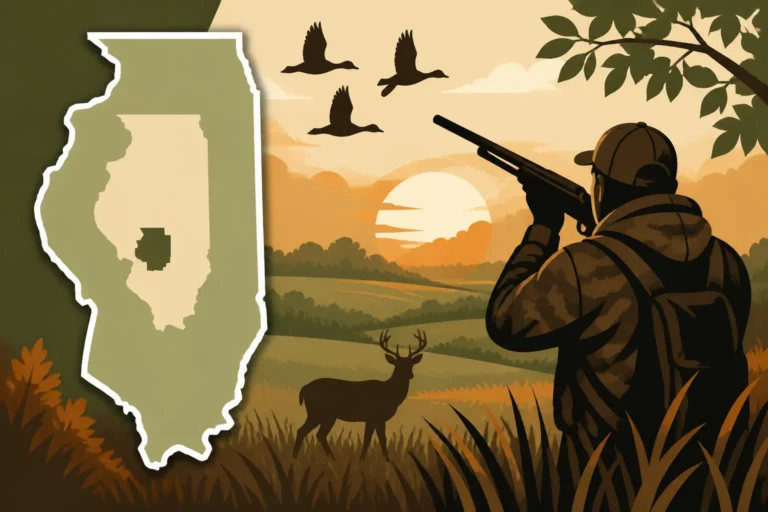
One of the biggest hurdles for any hunter, especially if you're new to an area, is figuring out where you can actually hunt. Illinois offers a surprising amount of public land, but it's not always easy to navigate or understand the specific nuances of each tract. If you're looking at southern Illinois, Union County stands out as a prime destination, but knowing how to access and effectively hunt its public offerings can feel like a puzzle. This guide aims to unravel that mystery, providing a detailed look at the public hunting opportunities in Union County, Illinois, and how you can make the most of them.
Union County: A Southern Illinois Hunting Paradise
Union County, tucked away in the southernmost reaches of Illinois, is truly a hidden gem for outdoors enthusiasts, particularly hunters. Unlike the flat, agricultural landscapes that define much of central and northern Illinois, Union County boasts a rugged, diverse topography. You'll find rolling hills, steep bluffs carved by ancient rivers, vast tracts of mature timber, and fertile bottomlands along the Mississippi River. This mix of habitats creates an incredibly rich ecosystem that supports a robust population of various game animals, making it a highly attractive destination for hunters seeking a more challenging and rewarding experience.
Diverse Habitats Attract Diverse Game
The ecological tapestry of Union County is what makes it so special. The uplands are typically hardwood forests, dominated by oaks and hickories, providing critical mast crops for deer and turkeys. As you descend towards the river, these transition into cypress swamps and bottomland hardwoods, perfect for waterfowl and offering unique challenges for deer hunters. This variety isn't just scenic; it dictates what game you'll find and how you'll need to approach your hunt. Deer here often live a different life than their prairie cousins, utilizing steep terrain and dense cover to evade pressure. Turkeys thrive in these timbered hills, and the county is also well-known for its excellent small game hunting, particularly squirrels and rabbits, especially in the thick fencerows and woodlots that dot the landscape.
A Rich History and Strong Hunting Culture
Hunting is deeply ingrained in the culture of southern Illinois, and Union County is no exception. Generations have hunted these hills and bottomlands, passing down knowledge and traditions. This heritage means there's a certain understanding and respect for the land and its resources. While public land can sometimes feel impersonal, there's a strong local community of hunters who value these resources. The presence of major public land holdings like the Union County Conservation Area speaks to the state's commitment to providing access, recognizing the region's importance for wildlife and recreation. Hunters coming into the area will find plenty of resources, from local bait shops to processing facilities, all catering to the hunting community.
Key Public Hunting Areas in Union County
When you're looking to hunt Union County, several major public land areas immediately come to mind. Each has its own character, primary game species, and specific rules or challenges. Understanding these distinctions is crucial for planning a successful trip. It’s not just about finding "public land"; it’s about understanding which public land will best suit your hunting style and target species.
Union County Conservation Area
The Union County Conservation Area is arguably the crown jewel of public hunting in the region, particularly renowned for its waterfowl opportunities. Situated along the Mississippi Flyway, it's a critical staging and wintering ground for migrating ducks and geese. The area is managed intensively to provide ideal habitat, including flooded timber and agricultural fields. While waterfowl is a major draw, don't overlook its potential for deer and turkey hunting in the surrounding uplands and timbered fringes. However, be prepared for specific regulations, drawn blinds, and intense competition, especially during peak waterfowl season. You'll need to check the specific permit requirements and hunting zones for different species. This is not a place you just show up and wander; planning is essential.
Waterfowl hunting here often involves drawings for blinds or designated hunting areas, which can be highly competitive. For deer and turkey, the areas open to hunting often comprise timbered ridges and creek bottoms that transition into agricultural fields. Hunting River Bottom Funnels can be a particularly effective strategy in these areas, as deer often travel these corridors between feeding and bedding areas. Pressure can be significant, especially during opening weekends, so finding those less-traveled spots becomes paramount.
Trail of Tears State Forest
Moving away from the river bottoms, the Trail of Tears State Forest offers a dramatically different experience. This vast forest, encompassing thousands of acres, is characterized by rugged hills, deep ravines, and extensive mature timber. It's a classic southern Illinois upland hunting scenario, making it an excellent choice for deer and turkey hunters who enjoy still-hunting or setting up in challenging terrain. The sheer size of Trail of Tears means there are plenty of opportunities to get away from other hunters if you're willing to put in the legwork. However, this also means knowing how to navigate the terrain effectively and understand game movement in these larger blocks of timber.
Hunting here requires different tactics than open farmland. Expect to climb ridges, descend into hollows, and navigate thick undergrowth. Reading a Ridge for Shawnee Forest Deer is a critical skill, as deer will often utilize subtle terrain features like saddles and benches for travel and bedding. For turkeys, the vast timber offers excellent opportunities for Roost Hunting Illinois Gobblers or employing run-and-gun tactics, covering ground until you strike a bird. The challenge is often more physical, but the reward of a truly wild forest experience is immense.
Shawnee National Forest Sections
While the bulk of Shawnee National Forest lies to the east and south, significant tracts extend into Union County, providing even more public access. These areas generally mirror the terrain of Trail of Tears State Forest – steep, timbered hills, deep drainages, and rich hardwood forests. The benefit of hunting Shawnee is its sheer scale; it's possible to find areas that see very little hunting pressure if you're willing to hike deep. However, hunting in the National Forest also means understanding federal regulations in addition to state ones, and being particularly diligent about boundary lines if adjacent to private property.
These parts of the forest are prime habitat for whitetails, especially mature bucks, and provide excellent turkey hunting. Deer will often bed on north-facing slopes or in thick draws, moving to feed on mast crops on the ridges. Where Shawnee National Forest Bucks Bed often comes down to finding the thickest, most secluded cover that offers an escape route down a steep incline. For those who prefer elevated setups, Treestand Setups in Shawnee National Forest require careful consideration of wind, thermals, and deer travel patterns in hilly country. Don't underestimate the physical demands of hunting these areas; it's a workout, but it can pay off with less pressured animals.
Here's a quick overview of the main public lands in Union County:
| Public Area | Primary Game | Terrain Features | Key Considerations |
|---|---|---|---|
| Union County Conservation Area | Waterfowl, Deer, Turkey | Bottomland, Flooded Timber, Crop Fields | High pressure, draw system for waterfowl, specific zones |
| Trail of Tears State Forest | Deer, Turkey, Small Game | Rolling Hills, Mature Hardwoods, Ravines | Vast timber, good for still-hunting, physical challenge |
| Shawnee National Forest (Union Co.) | Deer, Turkey | Steep Bluffs, Oak-Hickory Forests | Remote sections, federal regulations, requires stamina |
Navigating and Maximizing Public Land Access
Hunting public land successfully in Union County isn't just about showing up; it's about smart planning, diligent scouting, and using the right tools. With diverse terrain and varying regulations, having a solid strategy for access and navigation is paramount. You need to know where you can go, what the boundaries are, and how to effectively scout without wasting precious time.
Utilizing Digital Mapping Tools
In today's hunting world, digital mapping apps are indispensable, especially on public land. Tools like onX Hunt and GoHunt provide invaluable layers that show public versus private land boundaries, ownership information, aerial and topographic maps, and even specific hunting zone overlays. Before you ever set foot in Union County, you can use these apps to e-scout, identifying potential access points, bedding areas, food sources, and natural funnels. This kind of pre-hunt analysis saves you countless hours of wandering aimlessly and significantly increases your chances of finding unpressured spots.
For example, when looking at a section of the Trail of Tears State Forest, you can zoom in with onX Hunt to identify contour lines indicating steep ravines or subtle saddles on ridges. You can mark potential stand locations, note likely travel corridors, and even check recent satellite imagery for changes in vegetation or timber cuts. Knowing where private land borders public land is critical, not only for legal reasons but also for understanding potential deer movement—often, deer will filter onto public land from less pressured private parcels. Reading Aerial Photos for Southern Illinois Deer is a skill you'll develop quickly with these tools.
Boots-on-the-Ground Scouting
While e-scouting is powerful, there's no substitute for getting your boots on the ground. Once you've narrowed down potential areas using your mapping tools, a scouting trip, preferably outside of hunting season, is crucial. Look for fresh sign: rubs, scrapes, tracks, and droppings. Identify primary food sources like acorn flats or persimmon groves. Pay attention to water sources, especially during dry periods. Most importantly, scout for potential pinch points, benches, or dense thickets where deer might travel or bed. During the off-season, you can move freely without fear of disturbing game or other hunters, giving you a comprehensive understanding of the terrain.
During these scouting missions, pay close attention to access points. Are there easily walkable trails, or will you be bushwhacking through dense cover? How far are you willing to hike to get away from the road? Public land, especially in larger tracts like Shawnee or Trail of Tears, can see a lot of pressure close to roads. By identifying routes that require a bit more effort, you increase your chances of finding undisturbed game. Scouting Illinois Public Land Before Season is an invaluable investment that pays dividends when the season opens.
Understanding Site-Specific Regulations and Pressure
Each public hunting area, and even specific sections within them, can have unique regulations. Some might require special permits, others might have specific hunting hours, weapon restrictions, or rules about stand placement. It's your responsibility to know these rules inside and out. The Illinois DNR website is your best friend here. Don't rely on assumptions; always verify the current regulations for the specific area you plan to hunt.
Moreover, understanding hunting pressure is key. Areas like Union County Conservation Area during waterfowl season will be intensely pressured. During firearm deer season, even the deep timber of Trail of Tears can see a significant number of hunters. Learning to identify areas that might get less pressure—perhaps due to difficult access, steep terrain, or being perceived as less productive—can be your ticket to success. This might mean hiking deeper, hunting during weekdays, or exploring overlooked corners. Hunting Pressure on Illinois Public Land is a real factor, and strategies to mitigate it are essential.
Practical Tips for Hunting Union County Public Land
Hunting Union County public land presents a unique set of challenges and rewards. To truly excel, you need to adapt your strategies to the specific terrain and game behavior found here. It's not just about finding deer; it's about understanding how the local environment shapes their movements and habits.
Navigating Steep Terrain and Creek Bottoms
The rugged topography of Union County demands a different approach than flatland hunting. Deer and turkeys instinctively use terrain to their advantage. They'll often travel along ridge lines, utilize saddles to cross between drainages, and bed on benches or thick points that offer good visibility and escape routes. When hunting, focus on these natural funnels and travel corridors. Creek bottoms often serve as major highways for deer movement, especially when they connect different elevation features or food sources.
Understanding wind and thermals is even more critical in hilly country. Cold air sinks into drainages, and warm air rises up slopes. This means your scent cone will shift dramatically throughout the day. A morning stand might be perfect for a thermal dropping down a ridge, but by midday, rising thermals could carry your scent uphill. Always consider how these forces will affect your approach and stand placement. When traversing these areas, move slowly, use the terrain to break up your silhouette, and listen carefully for the sounds of animals moving. Still-Hunting Southern Illinois Ridges requires patience and an intimate understanding of the landscape.
Adapting to Diverse Food Sources
While much of Illinois is dominated by corn and soybeans, Union County's public lands offer a wider array of natural food sources. Oak and hickory mast crops are incredibly important for deer and turkeys, especially in the fall. Persimmons, wild grapes, and other browse species also play a significant role. Scouting before the season to determine the annual mast crop is vital. If it's a good acorn year, deer might be widely dispersed across the timber. In a poor mast year, they'll concentrate around alternative food sources or agricultural fields adjacent to public land.
Identifying these preferred food sources and understanding how they change throughout the season will help you predict game movement. Early season might find deer browsing on lush vegetation in creek bottoms, while late season sees them focusing on remaining hard mast or venturing into nearby crop fields for waste grain. Knowing what's available and when is key to successful stand placement. Hunting After a Poor Acorn Year will require shifting your focus to different food sources.
Preparing for the Unexpected and Staying Safe
Hunting rugged public land means being prepared for anything. Southern Illinois weather can be fickle, with warm early seasons giving way to bitter cold and even snow. Pack appropriate gear for changing conditions. Always carry a first-aid kit, a reliable compass or GPS (even if you have a phone app, batteries die!), and enough water and snacks for a long day. Let someone know where you're going and when you expect to return. Mobile phone service can be spotty in the deeper reaches of the forest, so don't rely on it for navigation or emergencies.
Safety, especially regarding tree stands, is paramount. Always use a full-body harness, and ensure your stand is securely fastened. When moving through dense cover, know your target and what's beyond it. Given the prevalence of white-tailed deer, understanding Illinois Deer Season Structure Explained is critical to ensure you're hunting legally and safely. Hunting public land is an incredible privilege, and responsible, ethical behavior ensures those opportunities remain for all.
Conclusion
Hunting Union County public land offers some of the most rewarding and challenging experiences in Illinois. From the critical waterfowl habitats of the Union County Conservation Area to the expansive, rugged timber of the Trail of Tears State Forest and portions of Shawnee National Forest, there's a world of adventure waiting. Success hinges on a combination of diligent e-scouting with tools like onX Hunt, thorough boots-on-the-ground reconnaissance, a deep understanding of the local terrain and its influence on game, and strict adherence to regulations. By embracing the unique character of Union County, you can unlock incredible hunting opportunities and create lasting memories in this beautiful corner of the state.
Disclaimer
This article is for general informational purposes only and does not constitute professional advice. Laws, prices and regulations vary by location and change over time. Consult a qualified professional for guidance on your specific situation.