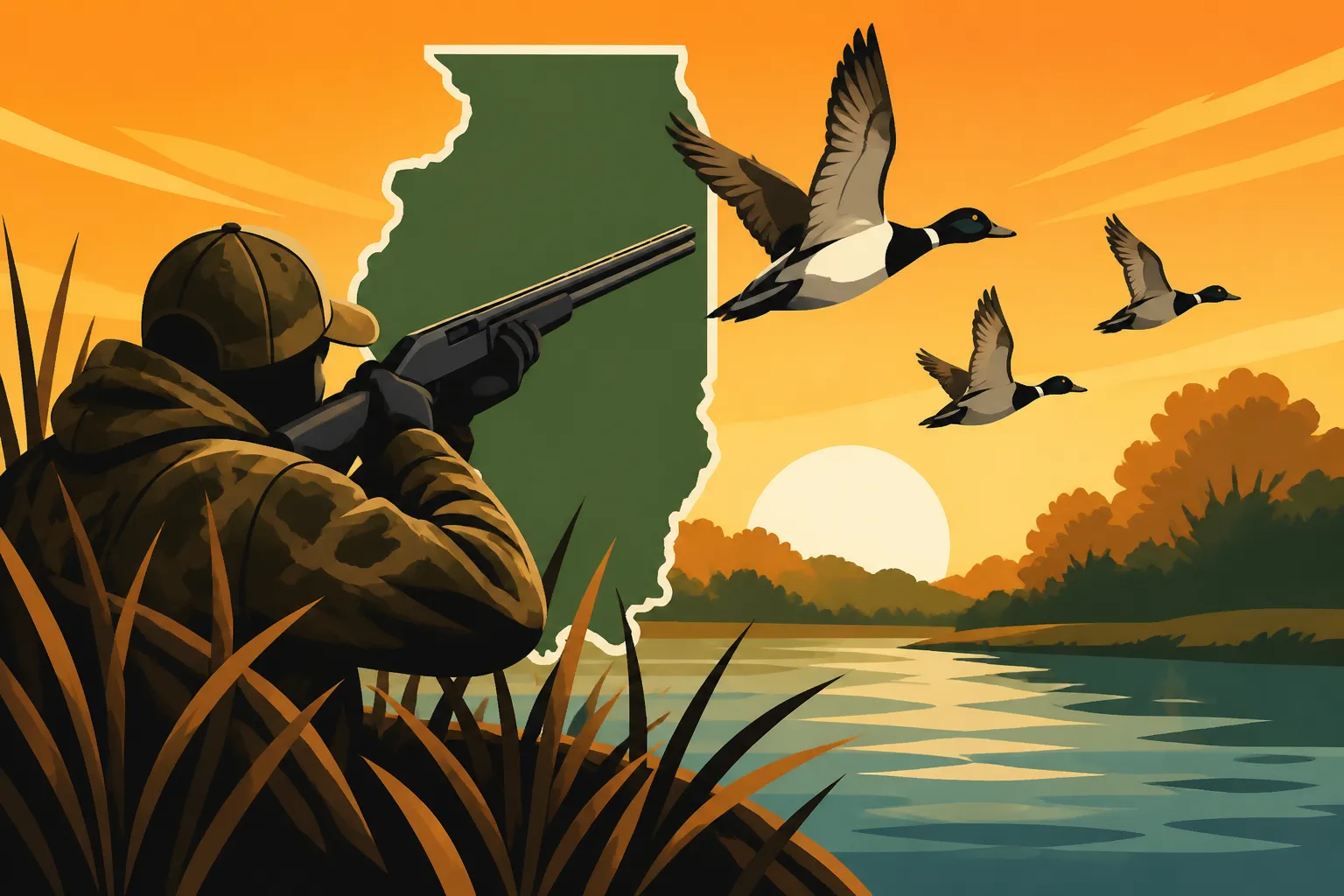
Diver Hunting on the Illinois River
Hunting diver ducks on the vast expanse of the Illinois River presents a unique set of challenges that can often leave hunters feeling overwhelmed or wondering if they're even in the right spot. Unlike puddle ducks, divers behave differently, requiring specialized tactics and gear to consistently find success. This guide aims to cut through the confusion, offering a comprehensive look at how to approach diver hunting on this iconic Illinois waterway, ensuring you're prepared for the fast-paced, often chilly action.
Understanding Illinois River Diving Ducks
Diving ducks are a distinct group of waterfowl, different from the puddle ducks many hunters are familiar with. On the Illinois River, you'll primarily encounter species like Lesser and Greater Scaup (often called bluebills), Ring-necked Ducks, Canvasbacks, Redheads, and Goldeneyes. Each has its own nuances, but generally, divers feed by diving underwater to retrieve vegetation, mollusks, and aquatic insects, which means they prefer deeper, open water compared to the shallower, marshy habitats favored by mallards and wood ducks.
The Illinois River, particularly its wider pools and backwaters, provides ideal habitat for these birds during migration. They follow the major flyways, and the river acts as a crucial stopover and wintering ground, especially in years when northern waters freeze up early. Understanding their preferred food sources and typical behaviors – like rafting up in large groups in open water during the day and often moving to more protected areas to feed or roost at night – is the first step to putting together a successful hunt. The sheer volume of birds that can congregate on the river is astounding, but also intimidating, as they might be a mile away from any accessible cover. Knowing when these birds are likely to arrive and depart is critical, so staying updated on statewide patterns and specific areas covered in "Illinois Waterfowl Migration Timing" can give you a significant advantage.
Essential Gear for River Diver Hunting
When you're out on the Illinois River chasing divers, your gear needs to be robust, reliable, and purpose-built for the conditions. This isn't a casual jump-shooting affair. The open water, potential for strong currents, and often brutal cold demand specific equipment that can stand up to the elements and attract these deep-water specialists.
Decoy Spreads for Open Water
Diver ducks are flock-oriented and respond well to large, realistic decoy spreads in open water. Forget your small, scattered puddle duck spreads. For divers, bigger is often better. You'll want a substantial spread, often 50 to 100 decoys, or even more if you're hunting a major staging area. Species-specific decoys for bluebills, canvasbacks, and redheads are key, as divers tend to be more particular than puddle ducks about what they're seeing on the water. Many hunters also mix in a few larger "confidence" decoys like Canada geese to make the spread appear even more appealing from the air.
The setup of your spread is crucial. Divers often prefer to land directly into the wind, so understanding the prevailing wind direction on hunt day is paramount. A classic diver spread forms a "J" or "V" shape, with the bend of the "J" or the "V" opening towards your blind, allowing birds to cup their wings and drop into the landing zone. Spacing is also important; divers like a bit more room between decoys than puddle ducks, so avoid clumping them too tightly. Anchor your decoys securely using heavy weights, especially in areas with current, as losing decoys downriver is a frustrating and common mishap. Long lines with multiple decoys attached are a common and efficient way to deploy and retrieve large numbers of diver decoys, as individual rigging for dozens of blocks can be incredibly time-consuming.
Blind Options and Boat Considerations
Hunting divers on the Illinois River often means being on the water itself. Your typical shoreline pop-up blind might not cut it, especially in wider areas where birds are holding in the middle. Layout boats are a popular choice for this style of hunting. These low-profile craft are designed to blend seamlessly into the water, allowing hunters to lie down and remain concealed until the birds are in range. They require a tender boat (a larger boat) to transport them and deploy the decoy spread, adding a layer of logistical complexity. However, the advantage of being right in the heart of the diver's preferred habitat is undeniable. Brands like TDB (Tidewater Boats) or Bankes make excellent layout boats specifically designed for this demanding type of hunting.
Alternatively, some hunters utilize larger blind boats that are designed to be mobile and heavily camouflaged. These can be moored or anchored in strategic locations, often using natural cover if available, or artificial brush. A common tactic is to find a small island, a sandbar, or even a subtle break in the current that offers a bit of concealment, and then set up a blind boat. Regardless of your choice, stability is key. The Illinois River can get choppy quickly, especially with boat traffic or strong winds. Your boat needs to be safe, reliable, and capable of handling varying conditions. Beyond the blind itself, your primary boat for transportation, deploying decoys, and retrieving birds must be stout. A dependable outboard motor is non-negotiable, as you'll be covering significant distances and potentially navigating strong currents. Don't forget all the mandatory safety equipment, too, as laid out in "Illinois Blaze Orange Requirements" and general boating safety guidelines.
Tactics for Successful Illinois River Diver Hunts
Once you have your gear sorted, applying the right tactics on the water is what truly brings success when diver hunting the Illinois River. It's a game of observation, patience, and precise execution.
Scouting and Location Selection
The Illinois River is a big body of water, and divers aren't everywhere. Effective scouting is paramount. Before the season, or even the day before a hunt, spend time glassing the river with binoculars or a spotting scope. Look for large rafts of birds. Pay attention to where they feed, where they loaf, and their flight paths. Often, divers will use distinct travel corridors, flying low over the water between feeding areas and resting spots. These "flight lines" are golden opportunities. "Scouting Illinois Public Land Before Season" can provide a broader framework, but for divers, it's about water-specific observation.
Currents and wind play a massive role in diver behavior. Divers often prefer areas with a subtle current that helps them feed or move around without expending too much energy. Look for eddies, slack water behind islands or points, or areas where the river widens and the current slows. These are often prime feeding grounds. Pay attention to how the wind affects the water – choppy conditions might push birds into more protected areas, while calm days might see them spread out. A quality mapping application like GoHunt can be invaluable for pinpointing these subtle features, identifying deeper holes, and understanding changes in water depth or flow. It allows you to mark potential locations and observe them remotely.
Calling and Shooting Strategy
Diver calling is a different beast than puddle duck calling. While you can certainly use a good quack or feeding chuckle for the mallards that might come into your spread, divers primarily respond to species-specific calls. For bluebills, a "purr" or "growl" call that mimics their vocalizations can be very effective, especially on high-flying flocks. Canvasback and redhead calls are also available and can entice wary birds. The key is often volume and repetition, especially when birds are far out.
When it comes to shooting, divers are fast, often appearing out of nowhere and zipping through the spread at incredible speeds. They are also incredibly tough birds, requiring stout loads and accurate shooting. Steel shot in sizes #2, #1, or even BB are popular choices, paired with a modified or improved cylinder choke for dense patterns at typical diver ranges. You'll typically be shooting at birds coming straight into the decoys or working the edges of your spread, so practice those incoming and crossing shots. Remember the "Illinois Duck and Goose Bag Limits" and always prioritize ethical, clean kills. The sheer speed of a diving duck closing the distance can be deceptive, so lead them generously.
Navigating Regulations and Safety on the Illinois River
Hunting the Illinois River for divers is an incredible experience, but it comes with a responsibility to understand and adhere to regulations and, most importantly, prioritize safety. The conditions on a major river can be unpredictable and unforgiving.
Licenses, Permits, and Zones
Before you even think about putting a boat in the water, ensure all your licenses and permits are in order. This includes your basic Illinois hunting license, a state habitat stamp, and a federal duck stamp. You'll also need to be HIP (Harvest Information Program) registered. These are all critical steps outlined clearly in resources like "Illinois Hunting Licenses and What They Cost" and "Illinois Federal Duck Stamp Requirement." The Illinois River often falls within specific waterfowl zones, so confirm your location and understand the "Illinois Duck Zone Boundaries" to ensure you're hunting within the legal season dates and shooting hours for your chosen zone. Penalties for hunting without the proper licensure or during closed seasons can be severe, so double-check everything.
Beyond general licenses, some specific areas along the Illinois River might have additional site-specific regulations or require special permits or drawings. Always consult the Illinois Department of Natural Resources (IDNR) website for the specific rules of any public hunting areas you plan to utilize, as these can change annually. Utilizing tools like GoHunt can sometimes help you quickly identify public land boundaries and associated regulations. Keep digital copies of your licenses on your phone, but also carry physical copies in a waterproof bag, just in case.
River Safety and Cold Weather Considerations
Hunting on a large river like the Illinois River demands an elevated focus on safety. Waterfowl season often coincides with freezing temperatures, and hypothermia is a very real threat. Always wear layers of warm, waterproof clothing. A quality life jacket is non-negotiable, even for experienced boaters, especially when operating in cold water conditions where falling overboard can quickly become fatal. Tell someone where you're going and when you expect to return. Consider carrying a satellite communication device or an emergency beacon, especially if you're venturing into remote areas where cell service might be spotty.
Boating safety is paramount. The Illinois River sees significant commercial barge traffic, recreational boaters, and other hunters. Always be aware of your surroundings, understand navigation rules, and operate your boat safely and responsibly. Fog can roll in quickly on the river, drastically reducing visibility. Strong currents can be dangerous, especially when deploying and retrieving decoys or a layout boat. Before heading out, check weather forecasts meticulously for wind, temperature, and precipitation. High winds can make decoy deployment and retrieval hazardous, and create whitecap conditions that are unsuitable for smaller boats. Always carry extra fuel, a first-aid kit, and essential repair tools. Bringing a hot thermos of coffee or soup can be a real morale booster and help ward off the chill during a long, cold sit, reminding you that preparing for "Cold-Weather Sitting Strategy in Illinois" is more than just wearing a warm jacket.
Disclaimer
Please be aware that hunting regulations, license requirements, and season dates can change. Always consult the latest official resources from the Illinois Department of Natural Resources (IDNR) or relevant wildlife agencies before planning any hunting trip. Safety should always be your top priority in the field.