Working a Cedar Thicket for Late-Season Deer
The late season in Illinois can feel like a totally different beast than the vibrant, action-packed rut. The woods are bare, the wind bites harder, and those deer you were seeing so regularly seem to have vanished into thin air. Many hunters get discouraged, but what if I told you there's a hidden sanctuary where whitetails often hunker down when the temperatures drop and the pressure mounts? This guide is all about peeling back the layers on how to effectively hunt those dense, often overlooked cedar thickets for a chance at a late-season Illinois deer.
Why Cedar Thickets Become Late-Season Deer Magnets
When the cold winds whip across the Illinois landscape and the leaves have fallen, leaving the timber stark and open, deer seek refuge. This isn't just about finding a place to lie down; it's about survival. Cedar thickets offer a unique combination of critical resources that whitetails absolutely depend on during the harsh late season.
Thermal Cover and Protection from Elements
Imagine you're out in the woods on a blustery December day. You're probably bundled up, but even then, that biting wind can cut right through you. Deer feel the same way, perhaps even more acutely, especially when their fat reserves are being depleted just to stay warm. Cedar thickets, with their dense, evergreen foliage, act like natural windbreaks. They create microclimates within their confines that can be several degrees warmer than the surrounding open woods. This thermal cover is invaluable. It allows deer to conserve precious energy that would otherwise be spent shivering, trying to regulate their body temperature. They're not just looking for a hideout; they're looking for a warm bed, a place where they can escape the relentless Illinois winter. A thicket on a south-facing slope, for instance, will absorb more solar radiation, making it even more appealing on a sunny but cold day.
Visual Security and Bedding Areas
Beyond just warmth, cedars provide unparalleled visual security. When all the deciduous trees are bare, a deer standing in open timber is a silhouette against the sky. In a cedar thicket, they practically disappear. The interlocking branches and thick needles create a natural blind, allowing deer to bed down with a strong sense of safety. They know they're nearly invisible from above and from a distance, giving them the confidence to bed for extended periods during daylight hours. This is crucial for mature deer, which are inherently more wary and less tolerant of pressure. You’ll often find these thickets become primary bedding areas, particularly when hunting pressure pushes deer out of more open cover. Think about those days when you feel like deer have just vanished – chances are, they've pulled back into the tightest, nastiest cover they can find, and cedars fit that bill perfectly.
Micro-Food Sources and Browsing Opportunities
While cedars themselves aren't typically a primary food source for deer, the environment they create can foster other crucial browsing opportunities. Within and around the edges of these thickets, you'll often find persistent green browse that other areas have long since given up. This could be honeysuckle, green briar, or other hardy woody browse that maintains some nutritional value late into the season. The protected environment of the thicket can also prevent snow from completely covering these small food sources, making them accessible when everything else is buried. Deer will often browse on these small pockets of food before standing up from their beds, or just after rising, before making their way to a more substantial late-season food source like a corn or soybean field. Understanding these subtle feeding patterns within or immediately adjacent to the security of the cedars is key to predicting their movement.
Scouting and Locating Promising Thickets
Finding the right cedar thicket isn't about stumbling upon it; it's about strategic scouting, both from your armchair and with boots on the ground. The late season demands precision, as deer are less forgiving of mistakes.
Aerial Photo Analysis and Topographic Maps
Before you ever step foot in the woods, modern mapping tools are your best friend. Services like GoHunt, or even publicly available mapping platforms, allow you to scan vast tracts of land from the comfort of your home. Look for the darkest green patches on aerial images, especially those in areas of otherwise sparse cover. Pay close attention to how these thickets relate to known food sources, water, and escape routes. Are they on a south-facing slope, which would offer maximum thermal advantage? Do they connect to a larger timber block or a creek bottom? What about those small, isolated cedar clumps in the middle of a big field? These can often be overlooked gems. Use topographic maps to identify subtle elevation changes or saddles near these thickets, as deer will often use these terrain features for easier travel. Understanding how to read aerial photos for Southern Illinois deer can give you a massive advantage in identifying these late-season strongholds.
On-the-Ground Reconnaissance
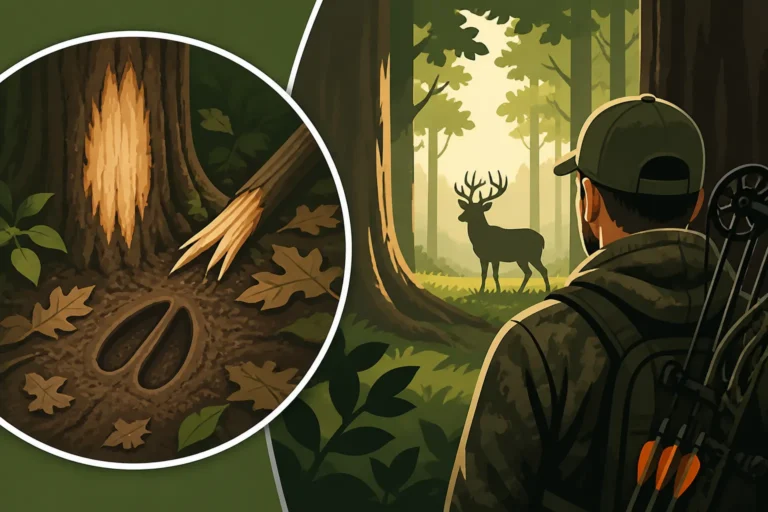
Once you've identified potential hot spots on your map, it's time for some old-fashioned boot leather. However, late-season scouting requires a delicate touch. You don't want to blow deer out of these crucial bedding areas before you even hunt them. The best time for intensive "in-thicket" scouting is often before the season, or on a very windy, cold day when deer are less likely to be moving. Look for obvious deer sign: fresh tracks entering and exiting, heavily used trails, droppings, and most importantly, fresh beds. These beds, often matted down in the thickest part of the cedars, tell you exactly where deer feel most secure. Check for rubs and scrapes, even old ones, along the edges, indicating past use. If you find fresh sign during the late season, interpret it carefully. A few fresh tracks might mean occasional use, but a network of well-worn trails and multiple fresh beds indicate a primary late-season hideout. Remember, when you're Scouting Illinois Public Land Before Season, focus on these dense cover areas.
| Scouting Method | Advantages | Disadvantages | Best Use |
|---|---|---|---|
| Aerial/Topo Maps (GoHunt) | Covers vast areas quickly; identifies remote thickets; shows terrain features | Doesn't show fresh sign; requires interpretation; can be hard to judge density from above | Initial identification of promising areas; planning access routes |
| On-the-Ground (Pre-Season) | Confirms map observations; finds specific bedding locations; assesses sign | Can disturb deer if done too close to season; time-consuming; limited visibility in dense cover | Verifying thicket density; finding old sign; confirming access points |
| On-the-Ground (In-Season) | Identifies current deer usage; shows fresh travel patterns | High risk of spooking deer; should be done minimally and cautiously on very specific days/conditions | Confirming fresh sign (tracks/beds) on thicket edges; post-hunt debrief |
Identifying Entry and Exit Routes
Deer are creatures of habit, even when seeking solitude. They won't just crash through the densest part of a thicket willy-nilly. They'll use the path of least resistance. These "tunnels" or subtle trails might not be as pronounced as the main travel corridors you see in open timber, but they are there. Look for where the branches are rubbed smooth, or where the ground is consistently disturbed, indicating repeated use. Often, these routes will lead to a particular point on the thicket's edge that offers the quickest access to a preferred food source or a more open travel lane. Pay close attention to how these routes align with prevailing winds and thermals. Deer often enter a thicket with the wind in their face, circling around to bed with the wind at their back, or at least quartering to them, allowing them to detect danger from multiple directions. Understanding Wind and Thermals on a Southern Illinois Ridge can be directly applied here, even in flatter terrain, to predict how deer will use these routes.
Hunting Strategies for Cedar Thickets
Once you've done your homework and pinpointed a promising cedar thicket, it's time to devise a hunting strategy. This isn't your typical sit-and-wait game; it often requires a more active, calculated approach.
Stand Placement for Entry and Exit
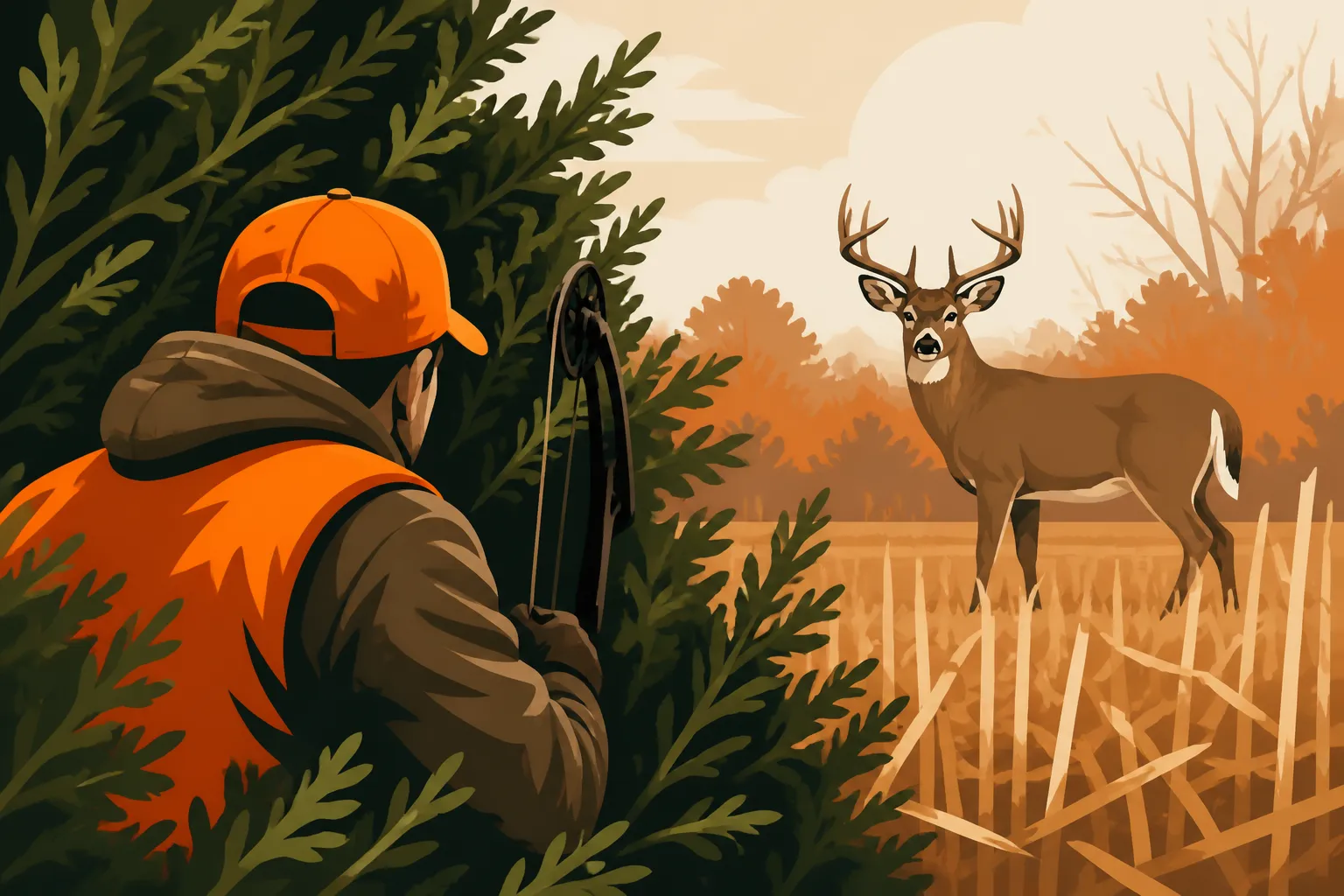
The most common approach is to set up a stand or ground blind on the edges of the cedar thicket, anticipating deer movement into or out of the cover. This is a game of intercepting. You'll want to position yourself where you can cover one of those identified entry or exit routes. Crucially, your setup needs to allow for a silent, scent-free approach and departure. If you bust deer entering or leaving their sanctuary, you've likely burned that spot for a while. Consider where the sun rises and sets – you don't want to be silhouetted or have the sun directly in your eyes during prime movement times. If you're going to use a ground blind, ensure it's well brushed in, especially on public land where deer might be accustomed to seeing them. Using a Ground Blind on Illinois Public Land effectively requires careful consideration of concealment and wind.
When placing your stand, think about the wind direction for the hunt. You want your scent to blow away from the anticipated deer travel paths and, if possible, away from the core of the thicket itself. Even a slight shift in wind can be a deal-breaker in close quarters. Setting up downwind of an exit trail, facing the thicket, gives you the best chance for a shot when a deer emerges. The cold late-season air can carry scent further, making impeccable scent control even more vital.
Still-Hunting the Edges and Interior
For the more aggressive or adventurous hunter, still-hunting through or along the edges of a cedar thicket can be incredibly effective, especially during the midday lull when deer are often bedded. This isn't a casual stroll; it's a slow, methodical stalk, taking minutes for each step. The idea is to move so quietly that you hear the deer before it hears or sees you, or to catch a glimpse of a bedded deer before it bolts. Focus on moving into the wind, using the natural cover of the cedars to break up your outline. Pause frequently, scanning every shadow and dense patch for an antler tip, an ear twitch, or the outline of a body.
This tactic works best when conditions are noisy – a strong wind, falling snow, or even light rain can mask your approach. Be prepared for a quick, close-range shot. If you jump a deer, often they won't bolt far if they feel secure in the thicket; they might just circle around you. This is where patience comes in. Freeze, listen, and slowly try to locate the deer again. Still-hunting requires an intimate understanding of Still-Hunting Southern Illinois Ridges, applying similar stealth and observation techniques to denser, flatter cover.
Using Drives in Dense Cedar
Sometimes, the cedars are so thick, and the deer so locked down, that a small, strategic drive is the most effective way to dislodge them. This works particularly well for groups of 3-4 hunters. The key here is not to create a chaotic stampede, but a controlled push. Two or three "drivers" slowly and quietly walk through the thicket, making just enough noise to encourage deer to get up and move. Meanwhile, one or two "standers" are positioned on known exit routes, downwind of the thicket.
The drivers should move deliberately, stopping frequently to listen. Deer will often try to sneak out the back or circle around the drivers. The standers need to be absolutely still, alert, and ready. This strategy is incredibly effective for pushing deer out into more open shooting lanes. Safety is paramount during any drive, especially in dense cover. Everyone involved must know the plan, wear adequate blaze orange (which is mandatory in Illinois during firearm season), and maintain clear communication. For more on this, check out Deer Drives With Three or Four Hunters.
Gear and Considerations for Cedar Thicket Hunting
Hunting cedar thickets in the late season presents its own set of challenges, and having the right gear can make all the difference in your comfort, safety, and success.
Cold Weather Apparel and Scent Control
Late-season hunting in Illinois means facing freezing temperatures, sometimes brutal winds, and often snow. Layering is not just a suggestion; it's a necessity. Start with a good moisture-wicking base layer, add insulating layers (fleece, down, or synthetic), and top it off with a waterproof and windproof outer shell. Hand warmers, insulated boots, and a warm hat are non-negotiable. Being cold and uncomfortable will compromise your focus and ultimately your hunt.
Alongside warmth, scent control is paramount. In dense cover, deer are often much closer to you when you get a shot opportunity, and they rely heavily on their sense of smell. Take all the usual precautions: shower with scent-free soap, wash your hunting clothes in scent-free detergent, and store them properly. Consider using an ozone generator or scent sprays. When still-hunting, be mindful of your perspiration; even light sweating can release a lot of human odor. The colder the weather, the more effective your Cold-Weather Sitting Strategy in Illinois becomes, but it also amplifies the challenge of staying scent-free.
Weapon Choice and Shot Angles
The dense nature of cedar thickets means that shot opportunities are often close-range and can be fleeting. You'll likely encounter tight shooting lanes and limited visibility. For firearm hunters in Illinois, this is where a shotgun with slugs or a straight-wall rifle shines. These weapons are designed for accuracy at closer ranges and can be more maneuverable in dense brush than a long-barreled rifle. Familiarize yourself with the Illinois Legal Firearms for Deer Hunting regulations.
Archery hunters will find crossbows or compound bows with shorter axle-to-axle lengths easier to manage. Practice shooting from awkward positions, like kneeling or seated, and be prepared for shots that might only offer a small window. Your ability to make a quick, accurate shot in tight quarters is far more important than long-range capability in these environments. Always know what's beyond your target, as visibility can be severely limited.
Ethical Considerations and Recovery
Hunting in dense cedar thickets also comes with added ethical responsibilities, especially regarding shot placement and game recovery. Because shots are often close and quick, the temptation to take a marginal shot can be high. Resist it. Aim for a clean, ethical shot, even if it means letting the deer walk. Recovering a deer in dense cedar can be incredibly challenging, even with a solid blood trail. The thick undergrowth can quickly wipe away blood, making Tracking a Deer in Fresh Illinois Snow even more difficult.
If you make a shot, give the deer ample time, especially if it's a gut shot. Wait several hours, or even overnight if conditions allow (and you're confident it wasn't a vital hit), before taking up the trail. Mark the exact spot where the deer was standing when you shot, and where you last saw it. Bring multiple people for tracking if possible, and use a good quality tracking light if you end up searching after dark. Knowing your limits and prioritizing a clean kill and full recovery is the hallmark of a responsible hunter.
Disclaimer
Please remember that hunting regulations, seasons, and permitting requirements can change. Always consult the official Illinois Department of Natural Resources (IDNR) website or their current hunting guide for the most up-to-date and accurate information before planning your hunt. This guide is for informational purposes only and does not supersede state regulations.