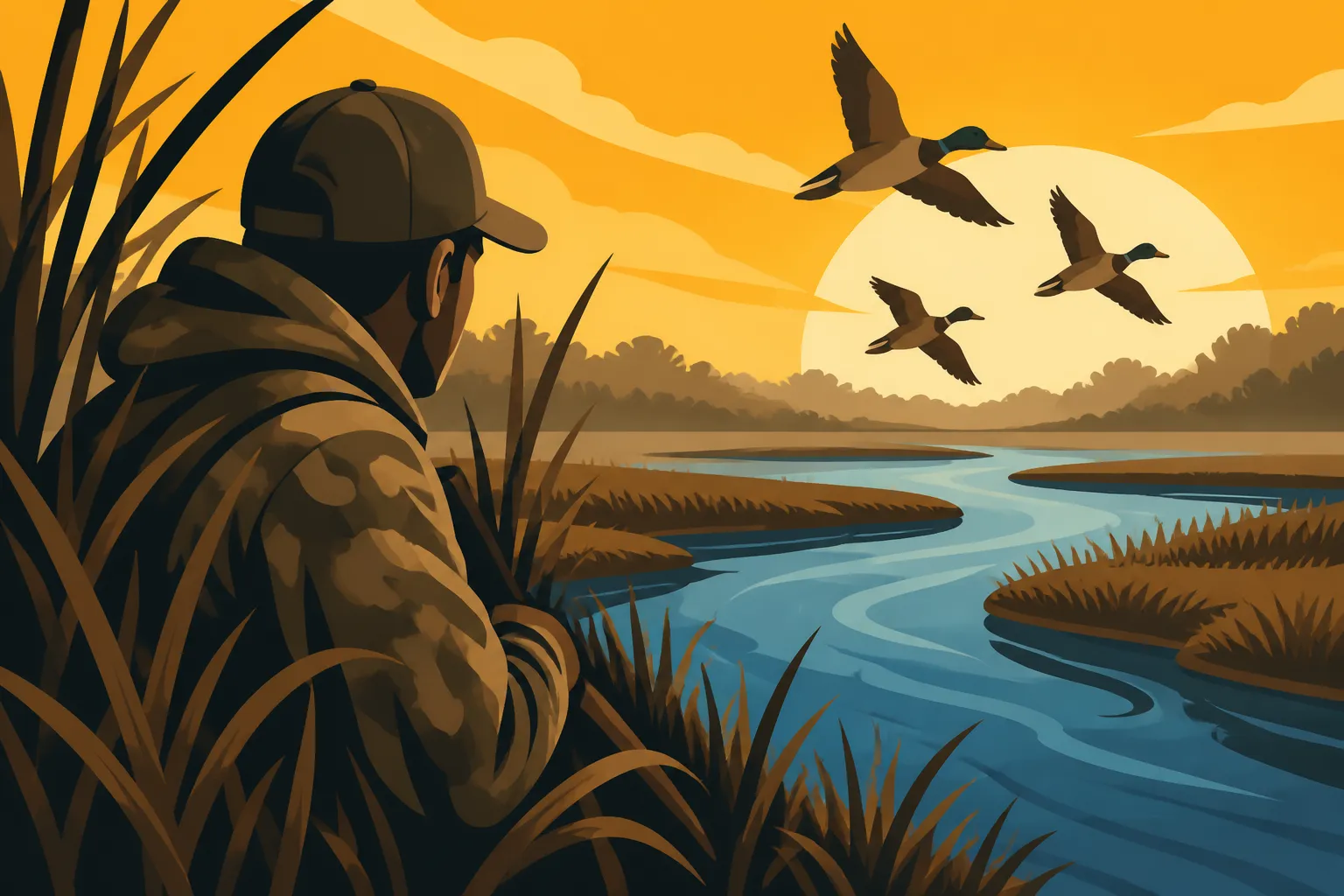
Reading a River Bottom Slough for a Morning Flight
Hunting river bottom sloughs for ducks can feel like trying to decipher a secret language. You arrive before dawn, full of anticipation, only to find the birds passing you by or landing just out of reach, leaving you wondering if you picked the wrong spot, the wrong setup, or if the slough simply wasn't "on" that morning. It’s a common frustration, but with a bit of understanding about how these dynamic environments work, you can learn to read a river bottom slough like an open book and consistently put yourself in front of a morning flight.
Understanding the Anatomy of a River Bottom Slough
River bottom sloughs aren't just stagnant puddles; they are intricate ecosystems connected to a larger river system, constantly influenced by water levels, currents, and the surrounding landscape. To truly hunt them effectively, you first need to understand their unique characteristics and how they function as waterfowl habitat.
The Main Channel Versus Backwater Systems
The primary river channel is the lifeblood of any river bottom ecosystem, but it's the connected backwater sloughs, oxbows, and overflow ponds that often hold the key to successful duck hunting. These areas provide refuge from strong currents, offer calmer water, and tend to hold more abundant food sources for migrating waterfowl. Think of the main river as the highway and the sloughs as the comfortable rest stops and dining areas where ducks prefer to spend their time. Understanding where a particular slough connects to the main river, or if it's fed by smaller tributaries, gives you crucial insight into how water moves in and out, which directly impacts duck behavior.
These backwater systems often warm up faster or cool down slower than the main channel, providing critical thermal refuge for ducks during extreme weather. During flood events, the main river can push a tremendous amount of water and debris into these sloughs, temporarily altering food availability and water clarity. Conversely, during low water periods, sloughs might become isolated puddles or even dry up, forcing ducks elsewhere. Using tools like the GoHunt app or satellite imagery can help you identify these backwater connections and assess current water levels before you ever set foot in the field, making your scouting efforts far more efficient.
Water Depth and Vegetation Zones
Water depth is a critical, often overlooked, factor in slough hunting. Ducks, particularly dabblers like mallards and wood ducks, prefer shallow water where they can tip up to feed on submerged vegetation, seeds, and invertebrates. A slough might look uniform from the bank, but variations in depth create different feeding opportunities. Look for areas where the depth gradually transitions from a few inches to a few feet. These edges are often prime feeding zones.
Vegetation also plays a massive role. Different types of emergent and submerged vegetation indicate certain depths and provide food and cover. Smartweed, wild millet, pondweed, and various sedges are all duck magnets. Areas with a healthy mix of these plants, especially where they form natural breaks or openings, are highly attractive to birds. Conversely, sloughs choked with undesirable vegetation like cattails or buttonbush can be difficult for ducks to access or for hunters to set up in. Pay attention to how these vegetation zones create natural lanes or pockets of open water; these are often the "sweet spots" where ducks will land. For more insights on specific duck species, check out our guide on Wood Ducks in Illinois River Bottoms.
Understanding Current and Flow
While sloughs are generally calmer than the main river, they are not entirely static. Currents, even subtle ones, exist, especially near their connections to the main channel or where smaller creeks feed in. Ducks often prefer to land and take off into the wind, but they'll also use subtle currents to their advantage, drifting while dabbling or facing into a slow flow. Strong currents in a slough, often caused by high river levels, can make feeding difficult and push ducks to calmer, shallower areas.
Understanding how current affects the slough also informs your decoy placement. Decoys will look far more natural if they're set to drift or swim with the subtle flow rather than anchor against it. Additionally, debris carried by current can quickly foul a decoy spread or create hazards for hunters. When scouting, observe how leaves, twigs, or other floating material move across the water. This gives you a clear indication of the flow direction and speed, which can be critical for placing your decoys and ensuring they look lifelike to passing birds.
Key Factors Influencing Morning Flights in Sloughs
Ducks are creatures of habit, but those habits are heavily influenced by environmental factors. A successful morning flight in a slough hinges on understanding these variables and predicting how ducks will respond to them.
Weather Patterns and Their Impact
Weather is arguably the most dominant factor in waterfowl hunting. Cold fronts, strong winds, precipitation, and even clear, calm days all dictate duck movement. For a morning flight, a new cold front bringing brisk winds (preferably out of the north or northwest) can ignite birds, pushing them south and making them more active feeders. Overcast skies can also keep ducks flying later into the morning, whereas bright, clear skies often see birds settle down quickly.
Wind direction and speed are paramount. Ducks prefer to land into the wind, using it to brake and control their descent. This means your setup needs to position you downwind of where you expect birds to approach, allowing them to cup their wings and commit to your spread. A stiff breeze also creates chop on the water, adding natural movement to your decoys and helping to break up the hunters' outlines. Conversely, dead calm conditions can make ducks wary, as they can easily spot anything unnatural on the still water. Keeping an eye on the forecast and using that information to select your slough and setup is essential, similar to how one might consider Illinois Waterfowl Migration Timing for broader hunting strategies.
Food Sources and Roosting Areas
Ducks don't just randomly pick a slough; they choose areas that offer food, shelter, and security. Morning flights are typically birds moving from a secure roosting area to a feeding location. Knowing where the local ducks are roosting is half the battle. Often, these roosts are large, open bodies of water like major lakes or wider sections of the Illinois River, offering safety in numbers. From there, they'll disperse to smaller, more secluded sloughs and flooded timber to feed.
The availability of preferred food sources within the slough is what makes it a destination. This includes natural seeds from aquatic plants, waste grain from nearby flooded agricultural fields, and various invertebrates. Scouting before the season, or even the day before a hunt, is crucial for identifying these prime feeding areas. If you find a slough that consistently has a fresh supply of acorns, smartweed, or even flooded corn or soybeans nearby, you've likely found a honey hole. Understanding these patterns of movement between roosts and feeding grounds is key to intercepting them on their morning journey. You can learn more about general scouting principles in Scouting Illinois Public Land Before Season.
Pressure and Flight Corridors
Duck hunting pressure can drastically alter bird behavior. Heavily hunted sloughs will see ducks become more wary, flying higher, circling more, and often avoiding obvious setups. This means you might need to find less accessible sloughs, or approach your setup differently. Recognizing signs of pressure, such as discarded shells, previous blind locations, or excessive human scent, can help you avoid unproductive areas.
Ducks tend to follow natural flight corridors between roosts and feeding areas. These might be tree lines, river bends, or openings in timber. Identifying these flyways and setting up along them will put you in the best position. Often, a river bottom slough will have a preferred entry or exit point for ducks, perhaps where a funnel of timber or a change in elevation guides their flight path. Watching birds during legal shooting hours (or even illegally during scouting missions, but without a gun!) from a distance can help you pinpoint these corridors. This type of strategic thinking is also crucial when considering Hunting Illinois River Bottom Funnels.
Setting Up for Success: Decoys, Blinds, and Calling
Once you've read the slough and understood the factors at play, it's time to translate that knowledge into an effective setup. This isn't just about throwing out some decoys; it's about creating an illusion that convinces wary ducks to commit to your spread.
Decoy Spreads for Sloughs
The key to an effective decoy spread in a slough is realism and adaptability. For a morning flight, you're trying to mimic a small, contented group of ducks feeding and resting. Avoid overly elaborate spreads in these tighter quarters. A good starting point is 1-2 dozen decoys, mostly mallards, with a few pintails, widgeon, or gadwall to add variety. Consider adding a few wood duck decoys if they are prevalent in the area, as their distinct colors can attract other ducks.
The exact layout depends on the slough's unique features, wind direction, and water depth. A classic "J" or "U" shape, with the open end facing into the wind where ducks will land, is often effective. Place some decoys closer to the shallow edges to simulate feeding. Motion decoys, like a spinning-wing Mojo or a jerk string, can add vital movement, especially on calm days. The GoHunt app also has features that allow you to mark ideal decoy placements on satellite imagery during scouting, helping you visualize your spread before you even get to the water. Remember, less can often be more in a slough, especially if hunting pressure is high. For more general advice on waterfowl hunting in the region, consider reading Waterfowl Hunting the Illinois River Valley.
Effective Concealment and Blind Placement
Ducks have incredible eyesight, and poor concealment is a common reason for busted hunts. In a slough, natural cover is usually abundant. Utilize existing trees, brush, and thick vegetation to your advantage. A simple layout blind or portable ground blind brushed into the existing cover can be incredibly effective. The goal is to blend seamlessly into the environment, breaking up your outline completely.
Your blind placement should ideally be downwind of your decoy spread, allowing incoming birds to land comfortably within range without seeing you. Also, consider the angle of the morning sun; you want it at your back, not in your eyes, and not shining directly onto your blind or face. Elevated positions can sometimes offer better shooting lanes but also make concealment more challenging. Always test your concealment by stepping back and looking at your setup from a duck's perspective. If you can easily spot yourself, the ducks certainly will. For visual aids on scouting and understanding terrain, you might find tips in Reading Aerial Photos for Southern Illinois Deer useful, even though it's deer-focused.
Calling Strategies for Incoming Birds
Calling is an art, not a science, and effective calling in a slough often means less is more, especially on pressured birds. For a morning flight, you want to sound inviting and confident, mimicking contented ducks. Start with soft greeting calls or feeding chuckles to grab attention. As birds respond, you can increase your volume and repertoire, but always gauge their reaction. If they're cupping their wings and heading your way, ease off the call.
Over-calling is a common mistake that can flare ducks. If birds are working your spread, a few soft clucks or quacks are usually enough to keep them interested. High-pitched hail calls are rarely needed in a tight slough environment unless you're trying to pull birds from a significant distance. Pay attention to how other ducks (real ones!) communicate. They are your best teachers. Different species respond to different calls, so knowing what ducks are in the area, perhaps from scouting or checking Mallards and Geese on the Illinois River populations, will help you tailor your calls. Remember, confidence in your calling, even with simple sounds, is more important than flashy, complex routines.
Common Mistakes and How to Avoid Them
Even seasoned hunters can make mistakes when hunting river bottom sloughs. Recognizing these pitfalls and having a strategy to avoid them can significantly increase your success rate.
Ignoring the Wind and Sun
One of the most fundamental errors is setting up without considering the wind direction and the sun's position. As mentioned, ducks prefer to land into the wind. If your spread forces them to land downwind of you, they'll often flare before they get into shooting range. Always check the wind before setting up, even if it means adjusting your planned spot. Portable blinds and flexible decoy spreads are invaluable for adapting to changing conditions.
The sun's position, particularly during a morning hunt, is also crucial. Having the sun in your face not only makes it harder to see incoming birds but can also cast long, revealing shadows from your blind or decoys. Ideally, you want the sun at your back, illuminating the ducks as they approach your spread and keeping you hidden in shadow. Failure to account for these two environmental factors can doom a hunt before it even begins, regardless of how many Illinois Duck Daily Bag Limit birds you hope to shoot.
Over-Calling or Under-Calling
Striking the right balance with calling is a challenge that takes experience. Many new hunters either over-call, making too much noise and scaring off wary birds, or under-call, failing to attract attention from distant ducks. In a slough, which is often a more intimate setting than a large open water body, subtlety is key.
When ducks are distant, a series of short, sharp hail calls or a comeback call can grab their attention. But once they turn and are committed, back off the call. Let your decoys and the natural environment do the work. If they start to drift or show signs of losing interest, a few soft clucks or a feeding chuckle can often reel them back in. Learn to "read" the ducks' body language. Are they locked up with cupped wings? Stop calling. Are they looking away or flying by? Try a softer, more enticing call. Experience is the best teacher here, so don't be afraid to experiment, and learn from every flight.
Improper Entry and Exit
Getting to your spot and leaving it without spooking birds is critical, especially for morning flights when ducks might already be in the area. A noisy, rushed entry can send ducks scattering, spoiling your hunt before legal shooting hours. Plan your route to the blind in daylight if possible, identifying quiet paths, avoiding thick brush, and noting any obstacles.
When arriving in the dark, move slowly and deliberately. Use a headlamp with a red or green light setting to preserve your night vision and be less alarming to wildlife. Minimize conversation and loud noises. Similarly, your exit strategy is important. If you retrieve birds or pull your spread, do it efficiently and quietly. If you leave a mess or disturb the area significantly, you might impact future hunts for both yourself and others. Leaving minimal trace is not only good etiquette but also crucial for maintaining the quality of a hunting spot over time. Considering regulations like Illinois Duck Zone Boundaries and understanding local nuances of public versus private land access is part of this careful planning. Knowing How Many Ducks Winter on the Illinois River can give you an idea of the population size you're dealing with, making quiet entry even more vital.
The Payoff: Anticipating the Morning Flight
Learning to read a river bottom slough for a morning flight isn't a one-time lesson; it's an ongoing process of observation, adaptation, and experience. Every slough has its own personality, and every day brings new conditions. But by understanding the anatomy of these watery havens, recognizing the subtle influences of weather and food, refining your setup, and avoiding common mistakes, you’ll start to see patterns emerge.
You'll begin to predict where ducks will want to be, which flight paths they'll prefer, and how to best position yourself to intercept them. That moment when a flock commits, wings cupped, descending into your spread, is the culmination of all that thoughtful preparation. It’s a rewarding feeling, knowing you’ve deciphered the slough's secrets and become a more effective waterfowler. This dedication will not only enhance your personal success but also deepen your appreciation for the complex world of Illinois Waterfowl on the Mississippi Flyway. And remember, the Illinois Department of Natural Resources (IDNR) publishes annual reports, like the Illinois Duck Harvest Numbers, which can provide general trends and help you understand the broader picture of duck activity across the state.
| Slough Condition | Wind Direction | Ideal Decoy Spread | Blind Placement | Calling Strategy | Key Consideration |
|---|---|---|---|---|---|
| Calm, Clear Morning | Light/None | Small, tight "J" with motion decoys | Well-camouflaged, sun at back | Soft clucks, feeding chuckles | Realism is paramount; birds will be wary |
| Brisk Wind, Overcast | North/NW | Wider "J" or "U", open into wind | Downwind of spread, good windbreak | Confident quacks, comeback calls | Ducks will be more active, but still want comfort |
| High Water/Flooding | Any | Dispersed, mimicking loafing birds | Higher ground, near stable cover | Moderate, to draw attention to new areas | Focus on newly flooded timber or higher spots |
| Low Water/Isolated | Any | Very small, natural-looking spread | Near remaining deep pockets/vegetation | Soft, contented calls | Focus on remaining viable feeding pockets |
| Heavily Pressured | Any | Minimal decoys, ultra-realistic | Deep in cover, focus on entry points | Very soft, minimal, only when needed | Stealth and realism are critical; avoid over-calling |
Disclaimer
The information provided in this guide is for general informational purposes only and does not constitute professional advice. Hunting regulations, seasons, and licensing requirements are subject to change. Always consult the official Illinois Department of Natural Resources (IDNR) website or publications for the most current and accurate information before planning any hunting activity. Adherence to all local, state, and federal laws is the responsibility of the hunter. Hunt safely and ethically.