Hunting Standing Cover Left After Harvest
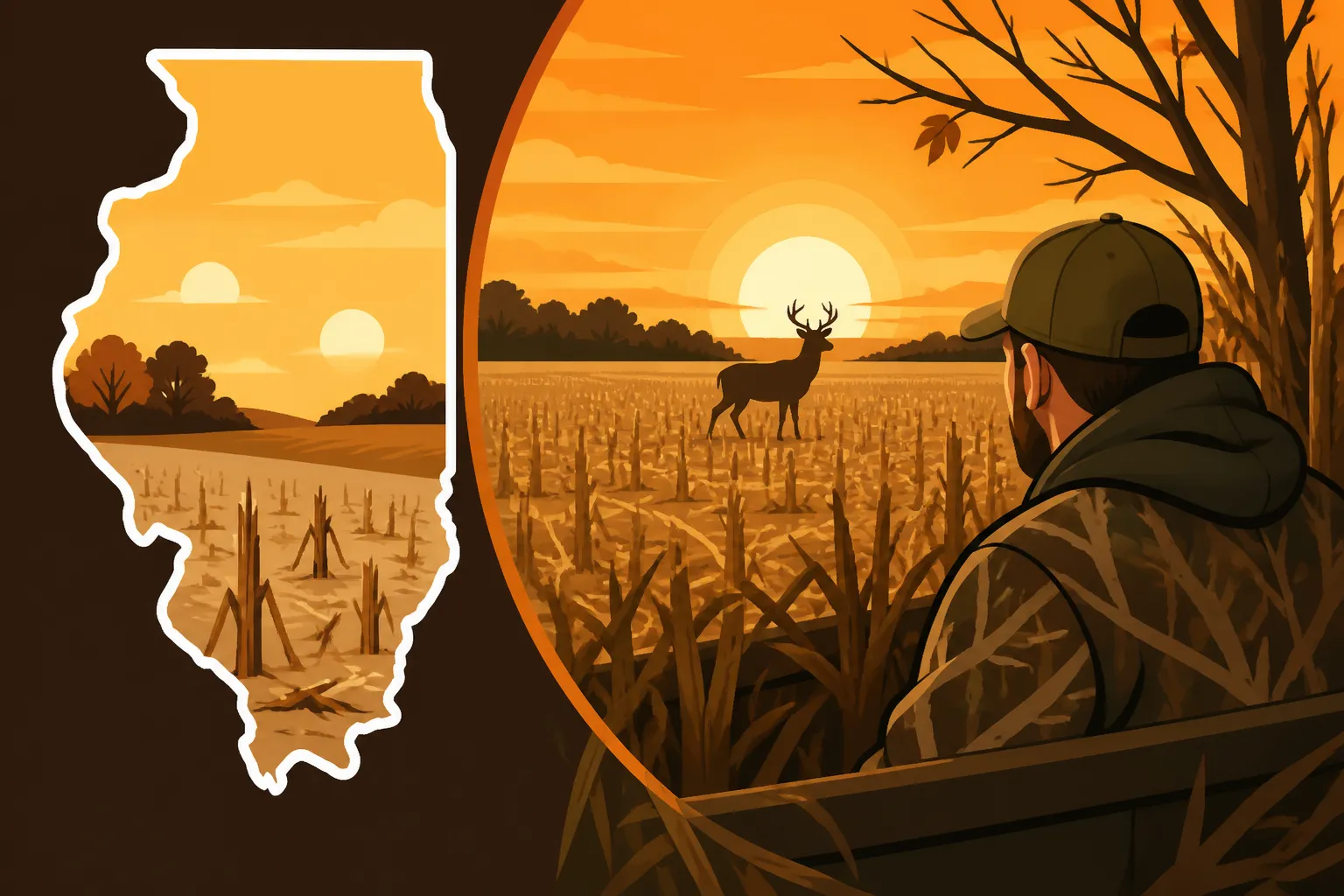
When the combines finish their work and the vast fields of corn and soybeans disappear, many Illinois hunters feel a real sense of dread. Where did all the deer go? It's a common frustration, seeing deer vanish from their usual haunts as their primary food and security cover disappears almost overnight. But this isn't the end of your hunting season; it’s actually a fantastic opportunity to adapt and find concentrations of deer. This comprehensive guide will walk you through exactly how to effectively hunt the standing cover that remains after the harvest, turning that late-season frustration into success.
Understanding the Shift in Deer Behavior Post-Harvest
As harvest progresses across Illinois, the landscape undergoes a dramatic transformation. What was once a sprawling green or golden sea of crops offering both food and unparalleled concealment suddenly becomes open, exposed ground. This drastic change forces deer to alter their patterns, often consolidating into the remaining pockets of dense cover. Recognizing this fundamental shift is the first step toward late-season success.
Why Standing Cover Becomes a Deer Magnet
Imagine being a deer: for months, you've had an endless buffet of agricultural crops and towering stalks for hiding. Then, in a matter of days or weeks, that entire world disappears. Deer are survivalists, and their immediate instinct is to seek the next best thing – which is almost always any remaining standing cover. This could be anything from a thick CRP field that hasn't been cut, a dense timber stand, brushy creek bottoms, or even small, overlooked patches of unharvested crops. These spots, previously perhaps just secondary bedding or travel routes, now become critical hubs. They offer thermal protection from the biting winds, visual security from predators (including hunters), and often still contain residual browse or nearby food sources like acorns that have dropped in adjacent timber. This concentration effect is what makes hunting these specific areas so productive. Deer will travel significant distances from their summer range to find these safe havens, especially as hunting pressure increases and temperatures drop.
The Impact of Pressure on Deer Movement
Beyond the loss of cover, increased hunting pressure plays a massive role in how deer utilize the remaining standing areas. During the firearm seasons, especially in popular areas, deer are pushed and prodded relentlessly. They quickly learn where the "safe" zones are. When combined with the loss of crop cover, this pressure drives deer deeper into the thickest, nastiest, most overgrown places they can find. These are often the same places that are difficult for hunters to access or simply overlook. Mature bucks, in particular, become incredibly nocturnal and wary. They might spend daylight hours completely locked down in these dense pockets, only emerging under the cover of darkness to feed. Understanding this relationship between cover loss and hunting pressure means that you should be focusing your efforts on those seemingly impenetrable thickets and fencerows that you might have walked past earlier in the season. The more pressure, the tighter and denser the cover they’ll seek. This is also why areas adjacent to public lands or frequently hunted private parcels often see an influx of deer seeking refuge in the unpressured, thick corners.
Identifying Prime Standing Cover and Access
Finding the right standing cover isn't just about looking for trees. It's about understanding the nuances of the landscape, leveraging modern tools, and putting in the boots-on-the-ground work to locate those crucial, often overlooked, deer havens.
Types of Standing Cover to Target
When the agricultural fields are bare, deer depend heavily on other forms of dense cover. Your scouting should focus on identifying these specific types:
- CRP Fields and Uncut Grasslands: These areas, often enrolled in the Conservation Reserve Program, are intentionally left unmowed and provide incredible thermal and visual cover. A thick CRP field, especially one with diverse plant species like switchgrass or tall native grasses, can hide dozens of deer. They're like giant, wild bedrooms. Bucks love to bed down in the tallest, densest sections, often near a rise or a slight change in elevation that offers a vantage point. These fields are often overlooked by hunters who focus solely on timber. When you're looking at maps, seek out these large, unmanaged grassy areas.
- Brushy Creek Bottoms and River Eddies: The winding paths of creeks and rivers, especially those with steep banks, provide natural corridors of dense vegetation, downed timber, and thick brush. Even a seemingly small drainage can hold significant numbers of deer, particularly those traveling between different areas. Deer will often bed right along the water's edge, using the bank for cover and the water as a natural barrier to one side. These linear strips of cover act as highways, but also as security blankets. When hunting Illinois River Bottom Funnels, these areas are particularly effective.
- Thick Timber and Clear-Cuts: While obvious, not all timber is created equal for late-season deer. Look for areas of young, regenerating timber (clear-cuts or timber stands that have been recently thinned and are growing back), as these offer much denser cover at deer level than mature, open hardwoods. Cedar thickets are also gold mines for their year-round thermal protection. Southern Illinois is full of these pockets. Focus on transitional areas where these thickets meet more open timber or field edges.
- Fencerows and Unkempt Field Edges: These linear strips of tangled multiflora rose, osage orange, honeysuckle, and other invasives might seem small, but they can be vital travel corridors and even bedding areas, especially in flat agricultural country. Deer will often use these to move undetected between larger blocks of cover or to access isolated food plots. Don't underestimate the cover provided by a thick, brushy fencerow, particularly those that haven't been meticulously maintained.
Scouting for Fresh Sign in the Remaining Cover
Once you've identified potential standing cover on a map, the real work begins: boots on the ground. Late season scouting is different from pre-season; you're looking for fresh, concentrated sign.
- Visual Scouting from a Distance: Before you barge in, use binoculars or a spotting scope to scan field edges, roads, and high points around these cover areas. Look for deer entering or exiting at dawn and dusk. This non-invasive approach can reveal where deer are living without alerting them. Pay attention to how deer move along the edge of a Standing Soybean Field or an Entry Route Through Standing Corn, even if it's been harvested.
- Post-Snow Scouting: A fresh snowfall is perhaps the best scouting tool you could ask for. It instantly reveals deer trails, bedding areas, and movement patterns. You’ll be able to clearly see how deer are utilizing the standing cover, where they enter, where they bed, and where they exit to feed.
- Mapping Tools and Aerial Imagery: Tools like GoHunt or other detailed mapping apps are invaluable. They allow you to virtually scout vast areas, identifying dense cover, topography, and potential access points before you ever step foot on the property. Look for anomalies: a small patch of timber in a sea of fields, a particularly dense fencerow, or an unharvested section of a field. These are often the overlooked gems. Once you've identified these spots, use the app to mark potential stand locations, entry, and exit routes that minimize disturbance.
- Trail Cameras: While the deer are already concentrated, trail cameras can confirm their presence and give you an idea of their preferred travel times. Place them on well-used trails leading into or out of the densest parts of the cover, or on scrapes or rub lines you find within. Just be mindful of local regulations regarding trail camera use on public land.
Strategic Hunting Tactics for Standing Cover
Successfully hunting standing cover requires a shift in tactics from early-season ambushes. Deer are concentrated and wary, making careful planning and execution paramount.
Still-Hunting and Ground Blind Advantages
For many, still-hunting through dense standing cover is one of the most effective late-season strategies. It's a slow, deliberate method of hunting where you move silently through the cover, stopping frequently to glass and listen.
- Slow and Deliberate Movement: When still-hunting, imagine you're a predator, moving at a snail's pace. Take five steps, stop for five minutes. Scan every shadow, every cluster of brush. Use your binoculars constantly. Deer will often let you walk right past them if you're moving too fast or making too much noise. The key is to be the first one to spot them. Pay close attention to wind direction, as this cover often swirls.
- Utilizing Terrain and Wind: If the cover includes ridges or creek banks, use these to your advantage. Hunt into the wind, obviously, but also try to stay on the downwind side of any potential bedding areas within the cover. If you're Hunting Shawnee Hills Ridgelines, use the elevation changes to your advantage, slipping along contours to avoid skyline.
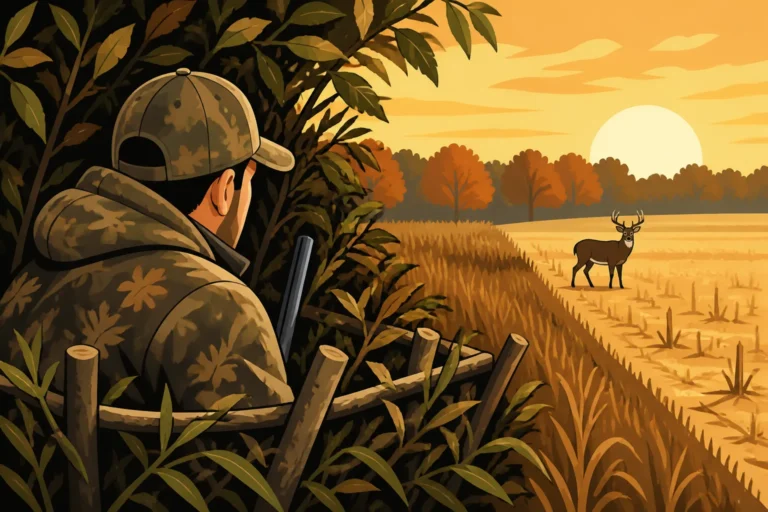
- Ground Blind Placement: In open, standing cover like CRP fields or thick fencerows, a well-brushed-in ground blind can be incredibly effective. Deer will use these areas as security cover, but often need to peek out to see what's happening or to move to a food source. Position your blind along a natural travel corridor within the cover, or where two types of cover meet. Be sure to get it set up well in advance of your hunt, ideally days or even a week before, to allow deer to get used to its presence. For public land hunting, learning the rules for Using a Ground Blind on Illinois Public Land is essential.
- Concealment is King: Whether still-hunting or using a blind, your personal concealment is critical. Wear camouflage that blends with the browns and grays of late-season Illinois and break up your outline. Move slowly, deliberately, and always assume there's a deer watching you.
Small Drives for Isolated Pockets
While large deer drives are common during firearm season, smaller, more controlled drives can be incredibly effective for flushing deer out of isolated pockets of standing cover, especially in agricultural landscapes. This is particularly useful in those small woodlots, thickets, or unharvested corners where you know deer are holed up but can't quite get a shot from a stand.
- Two- or Three-Man Teams: This isn't about pushing a whole section of a county. Instead, it’s about a couple of hunters systematically pushing a specific, defined patch of cover. One or two "blockers" position themselves on the likely escape routes (e.g., where the thicket meets a field edge, or where a fencerow funnels into a larger timber stand). The "driver" then slowly, quietly, walks through the cover towards the blockers.
- Strategic Blocking: The blockers are key. They need to be positioned where they have good visibility, a safe shooting lane, and are downwind or crosswind of the escape route. Think about where a deer would naturally go when disturbed from that particular patch of cover. Are there Deer Drives With Three or Four Hunters rules to consider? Absolutely. Safety first, always.
- Controlled Push: The driver's job is not to run through and scare everything. It's to walk slowly, systematically, making just enough noise to encourage deer to move. Pausing, rattling, or making a few grunt calls can sometimes get a reluctant buck to stand up. The goal is to move the deer, not panic them into running blindly.
- Safety First: With any drive, communication is paramount. Everyone involved needs to know exactly where others are positioned, what areas are being pushed, and what the safe shooting lanes are. Always know your target and what’s beyond it. Ensure everyone is wearing the required amount of blaze orange, which in Illinois, is 400 square inches of solid blaze orange or pink, with at least 100 square inches visible on the head and 100 square inches on the back.
Gear and Considerations for Late-Season Success
Late-season hunting in Illinois, especially when focusing on standing cover after harvest, brings unique challenges. The weather can be brutal, deer are at their wariest, and you need to be prepared for both the elements and the task at hand.
Cold Weather Gear and Scent Control
Illinois winters can deliver bitter cold, driving winds, and even snow. Dressing properly isn't just about comfort; it's about safety and staying on stand long enough to be effective.
- Layering is Key: Start with a good moisture-wicking base layer against your skin. Add insulating layers like fleece or down for warmth, and top it off with a windproof and waterproof outer shell. Remember that you'll be less active during late-season hunts, so you'll need more insulation than during archery season. Consider specialized hunting apparel from brands like Sitka or First Lite, which are designed for stealth and warmth in cold conditions. Don't forget insulated boots, hand warmers, and a warm hat. Being able to sit still and focus is half the battle when trying to entice a wary buck. For more on staying warm, check out Cold-Weather Sitting Strategy in Illinois.
- Scent Control is Critical: With most of the natural cover gone, deer are relying more heavily on their noses. Any lingering human odor will quickly alert them to your presence. Shower with scent-eliminating soap, wash your hunting clothes in scent-free detergent, and store them in airtight bags or containers. Use scent-eliminating sprays on your outer layers and gear before heading to the woods. Be mindful of wind direction and thermals, as they will carry your scent, even if you’re meticulous. Late-season bucks are rarely forgiving of a hunter's scent mistake.
- Hydration and Nutrition: Cold weather can be dehydrating. Bring plenty of water and calorie-dense snacks to keep your energy up throughout the day. A thermos of hot coffee, tea, or soup can also be a real morale booster and help maintain core body temperature.
Using Technology for Efficient Scouting
In today's hunting world, technology can be a massive advantage, especially when trying to pinpoint the remaining deer in vast, open landscapes.
- GPS and Mapping Apps: As mentioned earlier, tools like GoHunt are indispensable. Use them to mark not only potential standing cover, but also access points, property lines (crucial for Illinois Trespass and Permission Law), bedding areas, and fresh sign like tracks and rubs. The ability to drop pins and track your route means you can navigate dense cover efficiently and silently, even in low light, without getting disoriented or stumbling into an area you don't want to disturb. You can also use layers to see public vs. private land, satellite imagery, and topographic maps to identify subtle terrain features that might hold deer.
- Weather Apps and Wind Direction Tools: Knowing the wind direction is always important, but in open country, it's absolutely vital. Use reliable weather apps that provide real-time wind speed and direction, as well as forecasts. Some apps even offer "windage" maps that show how scent will travel based on terrain, helping you select the perfect approach route and stand location. This becomes critical when Hunting Deer After a Cold Front where wind can be particularly biting.
- Long-Range Optics: Good quality binoculars or a spotting scope are your eyes at a distance. When much of the field cover is gone, deer are more exposed, but still wary. Being able to glass distant fencerows, timber edges, or isolated patches of cover from a discreet vantage point allows you to locate deer without disturbing them. Look for subtle movements, a flick of an ear, or a deer standing up from its bed. You might even catch a glimpse of a buck Hunting a Ridge-Top Saddle for Rutting Bucks if the standing cover is near those features. This significantly increases your odds without burning out valuable hunting spots with your presence.
The Payoff of Persistence: Success in the Late Season
Hunting standing cover after the harvest isn't about sheer luck; it's about understanding deer behavior, meticulous scouting, and adapting your tactics to the transformed landscape. When combines roll through, the deer don't just disappear; they consolidate. They seek refuge in the remaining CRP fields, brushy creek bottoms, dense clear-cuts, and overlooked fencerows. By leveraging mapping tools like GoHunt, putting in the effort to scout for fresh sign, and employing patient still-hunting or well-planned small drives, you can turn what many consider a challenging time of year into one of your most successful periods. The late season, with its often colder temperatures and wary deer, truly rewards the dedicated and adaptable hunter. Don't let the bare fields fool you; the deer are still there, waiting for you to unlock their secrets.
Disclaimer
Hunting is an inherently dangerous activity. Always prioritize safety, understand and follow all local, state, and federal hunting regulations, and obtain proper licenses and permits before engaging in any hunting activities. The information provided in this guide is for informational purposes only and does not constitute professional advice. Always exercise caution, common sense, and good judgment in the field.