Illinois’s Year-Round Hog Rule on Private Land
Dealing with feral hogs on your private land in Illinois can feel like a never-ending battle, a constant struggle against an intelligent, destructive force that damages crops, wrecks habitat, and outsmarts even the most seasoned hunters. Many landowners and outdoors enthusiasts grapple with the frustration of these invasive pests, which is why understanding Illinois’s year-round rule on private land is so crucial for effective management and control. This guide will walk you through the specifics of hunting and trapping these persistent animals, helping you reclaim your property.
Understanding the Feral Hog Problem in Illinois
Feral hogs are far more than just wild pigs; they are an invasive species capable of wreaking havoc on natural ecosystems and agricultural operations. Their presence in Illinois, while not as widespread as in some southern states, is a serious and growing concern, demanding proactive and consistent management strategies.
The Destructive Impact of Wild Pigs
The damage caused by feral hogs is extensive and costly. They are notorious for their aggressive rooting behavior, where they use their powerful snouts to dig up soil in search of tubers, roots, and invertebrates. This rooting destroys crops like corn and soybeans, turns pristine pastureland into muddy furrows, and even uproots delicate native plant species. This isn't just an aesthetic issue; it leads to significant soil erosion, especially on slopes or near waterways, further degrading the land and impacting water quality. For farmers, this translates directly into lost income and increased repair costs for fields and fences.
Beyond agricultural devastation, these wild pigs are incredibly detrimental to native wildlife and their habitats. Their rooting activity can destroy the nests of ground-nesting birds, like quail and turkeys, and consume the eggs or young. They compete directly with deer, turkeys, and other native species for critical food resources such as acorns and other mast crops, putting additional pressure on already delicate ecosystems. Feral hogs are opportunistic omnivores, meaning they'll eat almost anything, including fawns, small mammals, and reptiles, actively preying on vulnerable native populations. It’s a vicious cycle where their presence fundamentally alters the ecological balance.
Perhaps one of the most insidious threats posed by feral hogs is their role as disease vectors. They can carry and transmit a host of diseases, some of which are dangerous to livestock, domestic animals, and even humans. Swine brucellosis and pseudorabies are just two examples of diseases that can be devastating to commercial hog operations, leading to significant economic losses and requiring stringent biosecurity measures. Furthermore, while not directly linked to their spread, the mere presence of these animals in the landscape adds another layer of complexity to disease management concerns like Chronic Wasting Disease in deer, even though CWD is a cervid-specific illness. The interconnectedness of wildlife health means that a population carrying one set of diseases creates concerns for others.
How Feral Hogs Established Themselves in Illinois
The story of how feral hogs came to be a problem in Illinois is a complex one, rooted in a combination of accidental escapes and deliberate, irresponsible releases. Historically, domestic pigs occasionally escaped from farms and reverted to a wild state, adapting surprisingly quickly to fend for themselves. However, a more significant factor in recent decades has been the proliferation of "wild boar" or "Eurasian wild boar" stock, often imported for private hunting preserves. When these animals inevitably escape or are intentionally released by individuals hoping to establish new hunting opportunities, they quickly breed with existing feral populations, creating a hybrid that is even more resilient and destructive.
Feral hogs are reproductive powerhouses, a key factor in their rapid spread. A sow can begin breeding as young as six months old, producing two litters a year, with each litter averaging 4-8 piglets. This incredible reproductive rate means that even if a significant number of hogs are removed from an area, the population can quickly rebound if control efforts aren't sustained and comprehensive. Their adaptability to diverse habitats, from dense bottomland hardwoods along the Illinois River to agricultural fields and even suburban fringes, makes them incredibly difficult to contain. They thrive in a wide range of environments, finding food and cover almost anywhere.
Their migratory patterns and ability to travel significant distances have also contributed to their spread from neighboring states. Illinois, with its mix of forest, river systems, and agricultural lands, provides an ideal corridor for hogs moving from states like Missouri and Kentucky where populations are more established. These animals don't respect property lines or state borders, moving through timber blocks, creek bottoms, and fencerows with ease. Understanding how wild hogs spread across Illinois is critical to appreciating the challenge of their control. Their nocturnal habits often mean they move unseen, colonizing new areas before landowners even realize they have a problem, underscoring the need for vigilance and early intervention.
Illinois's Unprotected Species Status and Year-Round Rules
Unlike deer, turkey, or even squirrels, feral hogs in Illinois are not considered game animals. This fundamental distinction dramatically changes the rules of engagement for landowners and hunters alike, offering unique opportunities for control but also placing significant responsibility on those dealing with them.
The Legal Framework for Feral Hog Control
The Illinois Department of Natural Resources (IDNR) classifies feral hogs as an "unprotected species." This classification is crucial: it means they have no closed season, no bag limits, and essentially, no restrictions on when or how many you can harvest, particularly on private property. The state views these animals as a destructive nuisance, not as a wildlife resource to be managed for sustainable harvest. This designation reflects the IDNR's primary goal: to eradicate or significantly reduce their population to protect native wildlife, habitat, and agricultural interests. They are not to be confused with true wild game, and the state does not want their numbers to increase.
The distinction between wild and domestic pigs is important under Illinois law. If a pig has clearly escaped from a domestic farm and is still identifiable as such, it may still fall under livestock regulations. However, if it shows characteristics of being truly feral – often smaller, leaner, darker, with coarser hair and longer snouts than domestic pigs – it falls under the "unprotected" status. This can be a gray area at times, but generally, the intent is to address animals that have reverted to a wild state and are causing ecological or agricultural damage. The IDNR emphasizes that private landowners have the right to remove these animals from their property, as they are not protected by hunting seasons or bag limits.
The implications of this "unprotected" status are significant for hunters and landowners. On private land, if you are the landowner or have explicit permission from the landowner, you generally do not need a hunting license to take feral hogs. However, if you are hunting hogs on private land other than your own, you do need a valid Illinois hunting license and a Habitat Stamp, just as you would for any other type of hunting activity. This is an important detail that many casual hog hunters might overlook. Furthermore, because they are unprotected, the rules regarding legal weapons that apply to deer hunting, for example, do not apply to feral hogs. This opens up a wider array of weapon choices, allowing for more effective and versatile control methods. For a comprehensive look at the specific rules, always check the official Illinois Feral Hog Regulations.
What "Year-Round, Private Land" Truly Means
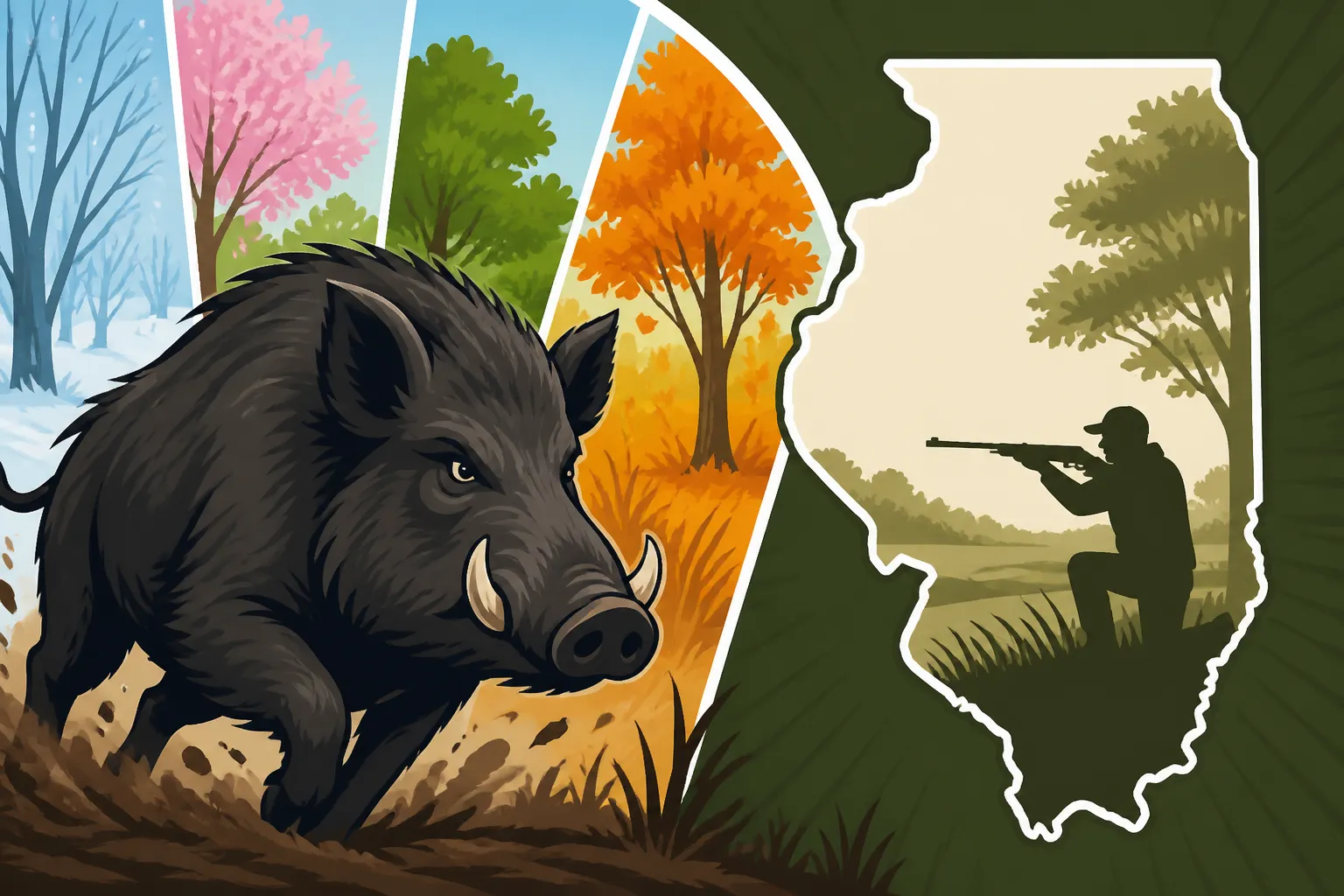
The phrase "year-round, private land" isn't just a suggestion; it's the core of Illinois's strategy for controlling these destructive animals. It means there is absolutely no closed season for taking feral hogs on private property. Whether it's the dead of winter, the height of summer, or during a different game animal's season, you can pursue and harvest hogs on private land with the proper permissions. This flexibility is crucial because feral hogs don't adhere to human-defined seasons; their damage is continuous, and so must be the efforts to control them. This contrasts sharply with regulated game species, which have specific seasons to manage populations.
For landowners, this rule is empowering. It means you don't need a specific hog hunting permit or a limited tag. If you own the land, you can remove hogs at any time, using any legal method for your county, to protect your property and livelihood. If you're a hunter with permission to hunt on someone else's private property, remember you generally need your current Illinois hunting license and Habitat Stamp, as mentioned previously. This setup allows for immediate response to hog presence, preventing further damage and helping to prevent localized populations from exploding.
Perhaps one of the biggest advantages of the "unprotected" designation, especially on private land, is the expanded list of legal weapons. Unlike deer hunting, which has strict rules on shotgun gauges or specific straight-wall rifle cartridges, the state allows for a broader range of firearms for feral hog control. This often includes centerfire rifles of various calibers, which can be highly effective for dispatching these tough animals. Additionally, on private land, hunters can use artificial lights, thermal imaging, and night vision equipment, which are invaluable given the nocturnal habits of many feral hog populations. This flexibility, including the ability to engage in Night Hunting Hogs With Lights on Private Land, significantly increases the hunter's ability to be effective. However, always verify local ordinances, as some counties may have specific firearm discharge rules, even if state law is permissive. The crucial takeaway is that the state prioritizes eradication, so the rules for hog removal on private land are designed to facilitate that goal.
Strategic Approaches to Private Land Hog Control
Effective feral hog control on private land requires a multi-faceted approach, combining careful observation, targeted hunting, and persistent trapping. These strategies, when applied consistently, can significantly reduce hog populations and mitigate their damage.
Scouting and Identifying Hog Hotspots
Before you can effectively manage feral hogs, you need to know where they are and what they're doing. This starts with diligent scouting. Look for clear signs of hog activity: fresh rooting in fields or timber, wallows where they’ve rolled in mud, rubs on trees where they’ve scratched themselves, distinct tracks, and droppings (scat). Pay close attention to transition areas – where fields meet timber, along creek bottoms, or in dense brush where they seek cover. These signs often tell a story about their travel routes, feeding areas, and bedding sites. Remember, their sign can often be confused with deer, so learning to differentiate is key, especially with rooting patterns and larger, rounder tracks. Understanding details like Reading Illinois Mud for Fresh Deer Movement can also help you distinguish hog sign from deer.
Technology has become an indispensable tool in locating and monitoring feral hogs. Trail cameras are invaluable for pinpointing their nocturnal movements, herd size, and preferred travel corridors. Place cameras in areas with fresh sign, near water sources, or along natural travel funnels. For those truly committed to eradication, thermal imaging and night vision devices can revolutionize your scouting efforts, allowing you to detect hogs in total darkness. Tools like the GoHunt app or other digital mapping software can help you identify property lines, locate potential access points, and mark historical hog activity, creating a comprehensive picture of their presence on your land. These digital resources allow you to overlay property ownership information, helping you understand where hogs might be crossing onto your land from adjacent parcels.
Understanding their movement patterns is critical to setting up effective control measures. Feral hogs are constantly seeking food, water, and cover. They often travel along creek beds, through dense timber blocks, and across fields under the cover of darkness. Identifying their daily and seasonal routines – where they feed in the evening, where they water in the middle of the night, and where they bed down during the day – will guide your hunting and trapping efforts. During warmer months, they'll stick closer to water. In colder times, they might seek out denser thermal cover. They are creatures of habit until pressured, so consistent scouting will reveal these patterns and help you predict their next move.
Effective Hunting Methods for Feral Hogs
Hunting can be a crucial component of a comprehensive hog control strategy, especially for smaller, transient groups or when initial damage is observed. Spot and stalk hunting can be effective in open agricultural fields, particularly at dawn or dusk when hogs are most active. This method requires patience, stealth, and a good understanding of wind direction to avoid detection. Still hunting, slowly moving through timber or brushy areas with fresh sign, can also yield results. The key is to move deliberately, stop frequently to scan and listen, and be ready to take a quick, ethical shot.
Stand hunting, often over bait or feeders, is another popular and effective method on private land, where baiting is generally permissible for hogs. Setting up a durable feeder with cracked corn or a commercial hog attractant can draw hogs into a predictable location, allowing for targeted removal. Placing a sturdy tree stand or ground blind downwind of these bait sites, overlooking a known travel path, can increase your chances of success. It’s important to maintain these sites consistently to encourage regular hog visits. This method, especially when combined with scouting, can be highly productive, particularly for getting multiple hogs from a sounder.
Perhaps the most impactful hunting method for nocturnal hogs is night hunting with the aid of technology. Because hogs are often most active after dark, traditional daylight hunting can be less effective. Using powerful spotlights, thermal scopes, or night vision optics, hunters can identify and engage hogs unseen in the darkness. As discussed in Night Hunting Hogs With Lights on Private Land, this strategy is incredibly efficient for reducing numbers and is often less disruptive to other wildlife activity during the day. However, it requires significant investment in specialized equipment and meticulous attention to safety, as identifying targets and backstops in the dark is paramount.
Trapping as a Primary Control Method
While hunting can be effective for individual hogs or small groups, trapping is widely recognized as the most efficient method for truly reducing and containing larger populations or entire sounders of feral hogs. This is because hogs live in social groups, and a well-placed trap can capture multiple animals at once, removing a significant number of breeding individuals. This often proves more effective than hunting, which can disperse sounders and make them more wary. As an important aspect of Illinois Feral Hog Regulations, trapping is an approved method for control.
Large, corral-style traps are the preferred design for their ability to capture entire sounders. These typically involve several panels formed into a circular or square enclosure with a large gate. Smaller, more portable panel traps can also be effective for single animals or smaller groups. The key to successful trapping lies in pre-baiting. For several days or even weeks, bait the trap with cracked corn or other attractants, leaving the gate open to allow hogs to become comfortable entering and feeding freely. This habituation process, often called "conditioning," is critical before setting the trap.
Consistent monitoring and baiting are essential for successful trapping. Use trail cameras to observe hog behavior at the trap site, ensuring they are regularly entering and that entire sounders are present before setting the gate. Once the trap is set, it's crucial to check it daily to ensure any captured animals are dispatched humanely and promptly. Regular checks also prevent other non-target animals from being inadvertently harmed. For more in-depth techniques, consult resources on Trapping Illinois Feral Hogs; the principles of effective trapping require patience and precision but offer the best chance for significant population control.
Navigating Challenges and Maximizing Success
Controlling feral hogs is rarely straightforward. These animals are intelligent and adaptive, and successful management requires understanding their behavior and employing strategies that overcome common hurdles.
Overcoming Hog Intelligence and Adaptability
One of the greatest frustrations in dealing with feral hogs is their uncanny ability to learn and adapt quickly to pressure. If you hunt a group of hogs in a particular area, they will likely avoid that area for a time, shifting their patterns to evade further encounters. They can quickly become "trap shy" if a trap is set incorrectly or if they witness other hogs being caught. This requires hunters and trappers to constantly change tactics and think like a hog. What worked last week might not work this week.
Being unpredictable is a key strategy. Vary your hunting times, approach routes, and methods. If you've been hunting over a feeder, switch to spot and stalk for a while. If you've been using one type of trap, try a different design or relocate it entirely. Hogs quickly associate human scent, vehicle noise, and specific locations with danger. Minimizing your presence around a target area and using scent control can also help keep them from becoming wise to your efforts. The more you mix things up, the harder it is for them to pattern you, which means they are more likely to make a mistake.
The importance of continuous pressure cannot be overstated. Removing a few hogs and then taking a break will likely see their numbers rebound rapidly due to their high reproductive rate. For effective population control, eradication efforts need to be relentless and consistent. This might mean hunting a specific sounder until it's completely dispersed or removed, then moving on to the next. For landowners, it's a long-term commitment, not a one-and-done solution. This sustained effort is what truly makes a dent in their numbers and keeps them from becoming re-established.
Collaboration and Community Efforts
Feral hogs do not respect property lines. A landowner who effectively clears their property of hogs might see them quickly re-infiltrate from an adjacent property where no control efforts are being made. This is why working with neighbors is incredibly important. Establishing a dialogue with surrounding landowners about the presence of hogs and coordinating control efforts can lead to much greater success for everyone. A combined approach, perhaps with a shared trap or coordinated hunting pressure across a larger area, is far more effective than isolated efforts.
Forming local trapping groups or community watch programs dedicated to hog control can also be a game-changer. These groups can share resources, expertise, and labor, making it easier to manage large, complex trapping operations that might be overwhelming for a single landowner. Collective efforts also create a broader knowledge base regarding hog movements and hot spots in a given region, improving overall effectiveness. Consider reaching out to your county extension office or local IDNR representative to see if such groups already exist or to get advice on starting one.
In addition to local efforts, don't hesitate to leverage resources from the Illinois Department of Natural Resources (IDNR) or other expert organizations. While the IDNR's primary role is conservation, they are invested in controlling feral hogs and can often provide valuable information on current populations, successful control methods, and best practices. They might also be able to connect you with specialists who can offer advice or even assistance. When you have Feral Swine Sightings in Southern Illinois or anywhere else, reporting them to the IDNR can help them track populations and allocate resources effectively. The more data they have, the better they can understand the overall problem and offer targeted solutions.
Safety and Ethical Considerations
When engaging in any form of wildlife control, especially with firearms or traps, safety must always be the paramount concern. For hunters, this means always being aware of your surroundings, identifying your target absolutely positively, and knowing what is beyond your target to ensure a safe backstop. When hunting at night, these considerations become even more critical due to reduced visibility. Always review basic firearm safety rules, and ensure all participants, especially new hunters or those doing Night Hunting Hogs With Lights on Private Land, are well-versed in safe handling practices. For anyone operating on private land other than their own, securing an Illinois Hunter Education Requirements certificate is a wise investment in safety and responsible hunting practices.
For trapping efforts, ethical considerations dictate that any captured animals are dispatched humanely and promptly. Leaving animals in traps for extended periods can cause undue stress, injury, or even death from exposure. Daily trap checks are not just about effectiveness; they're about ethical responsibility. If a non-target animal is inadvertently caught, ensure it can be safely released without harm. This commitment to humane treatment reflects responsible wildlife management.
Finally, proper carcass disposal is an important, though often overlooked, aspect of hog control. Feral hogs can carry diseases, and improper disposal can contribute to the spread of those pathogens. Illinois law requires specific guidelines for carcass disposal, usually involving burial or rendering, to prevent disease transmission and scavengers from spreading the remains. Never leave carcasses in or near waterways. Consult the Illinois Feral Hog Regulations for current guidelines on proper disposal to ensure you are compliant and not creating further health hazards.
The Future of Feral Hog Management in Illinois
Feral hog management is an ongoing battle, not a one-time fix. The future success in controlling these destructive animals in Illinois hinges on continued vigilance, adaptive strategies, and sustained efforts from landowners and agencies alike.
Ongoing Monitoring and Research
The Illinois Department of Natural Resources (IDNR) plays a critical role in tracking feral hog populations and their spread across the state. Through reports from landowners, aerial surveys, and field observations, they continuously monitor where hogs are establishing themselves and how their numbers are fluctuating. This data is vital for understanding the scope of the problem and directing resources to the most impacted areas. Knowing How Wild Hogs Spread Across Illinois helps inform state-level management decisions and allows for more proactive measures in vulnerable regions. This constant data collection is a cornerstone of effective wildlife management.
Beyond simple monitoring, significant research is often underway into new and more effective control methods. This can range from improved trap designs and more potent attractants to potential biological controls or sterilization programs, though the latter are often complex and expensive for widespread application. Researchers also study the diseases carried by feral hogs, such as brucellosis and pseudorabies, to better understand potential risks to livestock and native wildlife. This scientific understanding guides the development of best practices and ensures that control efforts are as efficient and impactful as possible, always seeking innovative solutions to a persistent problem.
Hunter's Role in Long-Term Control
Ultimately, the most critical element in long-term feral hog control on private land is the active and consistent participation of landowners and hunters. Your efforts, whether through hunting or trapping, directly contribute to reducing hog numbers, protecting local ecosystems, and safeguarding agricultural interests. Every hog removed is one less animal destroying habitat and reproducing. This hands-on involvement is what truly makes a difference in preventing widespread damage. Furthermore, understanding the nuances of Illinois Hog Hunting Permit Requirements ensures your actions are both effective and legal.
Reporting sightings and harvests to the IDNR is another crucial way hunters and landowners can contribute. Even if you don't call every time you see a hog, providing information on new populations or significant removals helps the state maintain accurate data. This collective intelligence allows wildlife managers to identify emerging hotspots and assess the overall effectiveness of control efforts statewide. Your individual actions contribute to a much larger picture of conservation and eradication.
Finally, educating others about the problem is vital. Many people still don't realize the extent of the damage feral hogs cause or even that they are present in Illinois. By sharing information about their destructive habits, disease risks, and the importance of year-round control, you can help raise awareness and encourage more people to participate in management efforts. Whether it's discussing the issue with neighbors, sharing articles, or simply explaining why you're actively hunting hogs, your voice helps combat this invasive threat. It's a community effort to protect the wild places and agricultural lands we all cherish.
Feral Hog Management Best Practices Table
| Aspect of Control | Hunting | Trapping |
|---|---|---|
| Primary Goal | Targeted removal of individuals/small groups, immediate response | Population reduction, sounder removal |
| Ideal Scenario | Few hogs, new incursions, recreational interest | Established populations, recurring damage, large sounders |
| Required License | General Illinois hunting license (if not landowner), Habitat Stamp on non-owned private land | Generally not required on own private land (check local rules) |
| Season/Limits | Year-round, no bag limit on private land | Year-round, no bag limit on private land |
| Effectiveness | Can disperse hogs, less efficient for large numbers | Highly efficient for sounder removal, less prone to dispersal if done right |
| Equipment | Firearms, bows, thermal/NV optics, lights, calls, feeders | Large corral traps, panel traps, bait, trail cameras |
| Time Commitment | Often shorter, targeted sessions | Significant setup and monitoring time, pre-baiting phase |
| Pros | Engaging, immediate impact, adaptable to various terrains | Most effective for overall population control, captures multiple animals |
| Cons | Can make hogs wary, less effective for eradication | Labor-intensive, potential for non-target catches, requires consistent monitoring |
Disclaimer
The information provided in this guide is for informational purposes only and is not a substitute for official legal advice. Hunting and trapping regulations are subject to change. Always consult the most current Illinois Department of Natural Resources (IDNR) regulations and local ordinances before engaging in any hunting or trapping activities. Ensure you have all necessary licenses and permissions. Safety should always be your top priority.