Why Illinois Bears Have No Open Season
It can be incredibly frustrating to see photos or hear whispers of black bear sightings in Illinois, or perhaps even spot one yourself, and then realize there's no official hunting season for them. Many hunters, especially those familiar with abundant deer or turkey populations here, wonder why a state rich in wildlife doesn't allow pursuit of such a magnificent game animal. This guide will dive deep into the historical context, current biological realities, and the Illinois Department of Natural Resources' (IDNR) approach to black bears, explaining precisely why you won't find an Illinois bear tag in your future, at least not yet.
The Historical Absence of Bears in Illinois
To understand why Illinois doesn't have a black bear season, we first have to look back at history. Illinois wasn't always devoid of these incredible creatures. Our landscape once supported a healthy population, but the march of human development and unregulated hunting practices changed that dramatically.
Early Extirpation and Habitat Loss
Before European settlement truly took hold, black bears were an integral part of Illinois's ecosystems, ranging across vast stretches of forests, prairies, and wetlands. They were a common sight in the dense timber of southern Illinois and along the major river systems. However, as pioneers pushed westward, they brought with them a relentless drive to clear land for agriculture and settlement. Forests were felled, wetlands drained, and the very habitat black bears needed to survive shrank at an alarming rate. Coupled with unregulated hunting, often driven by fear, sustenance, or sport without any conservation measures, the bear population plummeted.
By the mid-19th century, Illinois's native black bear population was considered functionally extinct. The last reliable reports of wild, breeding bears in the state date back to the 1850s and 1860s. This wasn't just a decline; it was a complete extirpation, meaning the species was wiped out entirely from the state's natural landscape. It's a stark reminder of how quickly human activities can impact even robust wildlife populations if not managed carefully.
A Long Period of No Native Populations
For over a century and a half, Illinois was, for all intents and purposes, bear-free. Generations of hunters, trappers, and outdoor enthusiasts lived their entire lives without ever encountering a wild black bear within the state's borders. This long absence means that, unlike deer or turkey which have seen successful restoration efforts, there's no baseline "native" population for bears to rebound from naturally within Illinois itself. Any bears we see today are, by definition, wanderers from outside the state, not the remnants of a hidden, reclusive population that somehow survived unnoticed. This is a crucial distinction when considering the viability of a hunting season. The current sparse sightings are not indicative of a recovering internal population but rather a spillover from burgeoning populations in neighboring states.
Recent Sightings and Growing Curiosity
Despite their historical absence, the last couple of decades have brought a fascinating shift: occasional, confirmed black bear sightings in Illinois. This has, understandably, sparked immense curiosity and hope among hunters and wildlife enthusiasts.
Increasing Sightings in Border Counties
The bears making their way into Illinois are primarily young males, often referred to as "transient" bears. These individuals are typically dispersing from established populations in neighboring states like Wisconsin and Missouri, looking for new territories and mates. They're often driven out of their home ranges by older, more dominant males or simply by population pressure. For example, sightings are most common in the northwestern parts of the state, near Wisconsin, and in western and southern Illinois, adjacent to Missouri and Kentucky.
These sightings are usually isolated incidents: a single bear captured on a trail camera, reported crossing a road, or even seen rummaging through a suburban garbage can. While exciting, it's vital to remember that these are not necessarily signs of a resident breeding population within Illinois. They are more akin to individual pioneers exploring new frontiers, often making a loop and eventually returning to more established bear country. The Illinois Department of Natural Resources (IDNR) takes these sightings seriously and collects data to understand these movements better.
Tracking Transient Bears
The IDNR monitors these transient bears closely, primarily through public reports, trail camera photos, and sometimes, if the bear is captured or found deceased, through DNA analysis. This helps them understand the origin of these bears and their travel patterns. You might wonder how a state manages its wildlife when a species is so rare. For bears, every confirmed sighting is a piece of the puzzle. The IDNR uses its "Illinois's Occasional Black Bear Wanderers" program to catalog these events. Unlike deer, where hunters can access data through resources like GoHunt to analyze herd trends and harvest success in other states, for Illinois bears, it's about individual tracking.
When a bear is sighted, the IDNR often advises the public on "What to Do If You See an Illinois Black Bear," emphasizing non-confrontational behavior and reporting the sighting. This approach ensures public safety while also allowing wildlife officials to gather valuable data on these infrequent visitors. The goal is to avoid creating conflicts and allow these bears to continue their journeys, whether back to their home state or further into new, suitable habitats.
The Science Behind Not Opening a Season Yet
The primary reason Illinois doesn't have a bear season isn't a lack of interest from hunters, but rather a fundamental biological reality: we simply don't have a sustainable, breeding bear population. Wildlife management is rooted in science, and for a hunting season to be viable and ethical, a robust population must exist.
Defining a Sustainable Population
Biologists look for several key indicators when assessing if a species population is healthy enough to withstand hunting pressure. For black bears, this means more than just a few wandering individuals. We'd need concrete evidence of:
- Breeding Females and Cubs: The most critical indicator. We need multiple sows consistently denning and raising cubs within Illinois borders, year after year. This proves that bears are not just passing through but are establishing permanent residency and successfully reproducing.
- Established Territories: Bears, especially females, establish distinct home ranges. A sustainable population would show multiple overlapping or adjacent female territories, indicating a stable presence.
- Population Growth: Evidence of an increasing number of bears over time, not just static or declining numbers of transient individuals.
- Genetic Diversity: A healthy population needs a diverse gene pool to remain resilient against disease and environmental changes. A handful of related bears wouldn't constitute a sustainable population.
Currently, Illinois lacks these markers. While we get exciting individual sightings, there's no widespread, consistent evidence of multiple breeding females establishing themselves and successfully raising cubs across the state. Without this foundation, any hunting season would be premature and could easily decimate a fledgling, unstable population before it even has a chance to take root. This is why the IDNR maintains a protected status for black bears.
Carrying Capacity and Habitat Assessment
Beyond just population numbers, wildlife managers also consider the "carrying capacity" of the land. This refers to the maximum number of individuals a given environment can support without degrading the habitat itself. Illinois, while once heavily forested, is now largely agricultural. While certain areas, particularly parts of the Shawnee National Forest Hunting grounds in southern Illinois or some of the larger river bottoms, offer suitable bear habitat, the question remains whether there's enough continuous, high-quality habitat to support a huntable population.
Bears require large, contiguous tracts of forest with diverse food sources (berries, nuts, insects, carrion) and denning sites. Fragmentation of habitat due to roads, towns, and vast agricultural fields can be a significant barrier to establishing a widespread, robust population. Even if individual bears are spotted, the presence of sufficient, connected habitat is crucial for their long-term survival and expansion. This careful assessment of available resources is part of the scientific approach to wildlife management, ensuring that any potential reintroduction or natural colonization is sustainable for both the animals and the ecosystem.
Illinois's Official Stance and Management Approach
Given the scientific realities, the Illinois Department of Natural Resources (IDNR) has a clear and well-defined position on black bears within the state. They are managed with conservation and public safety as top priorities.
The Illinois DNR's Position
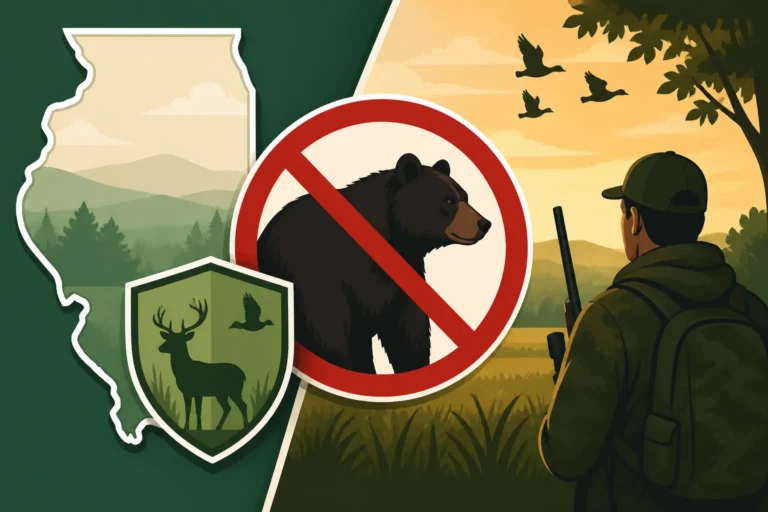
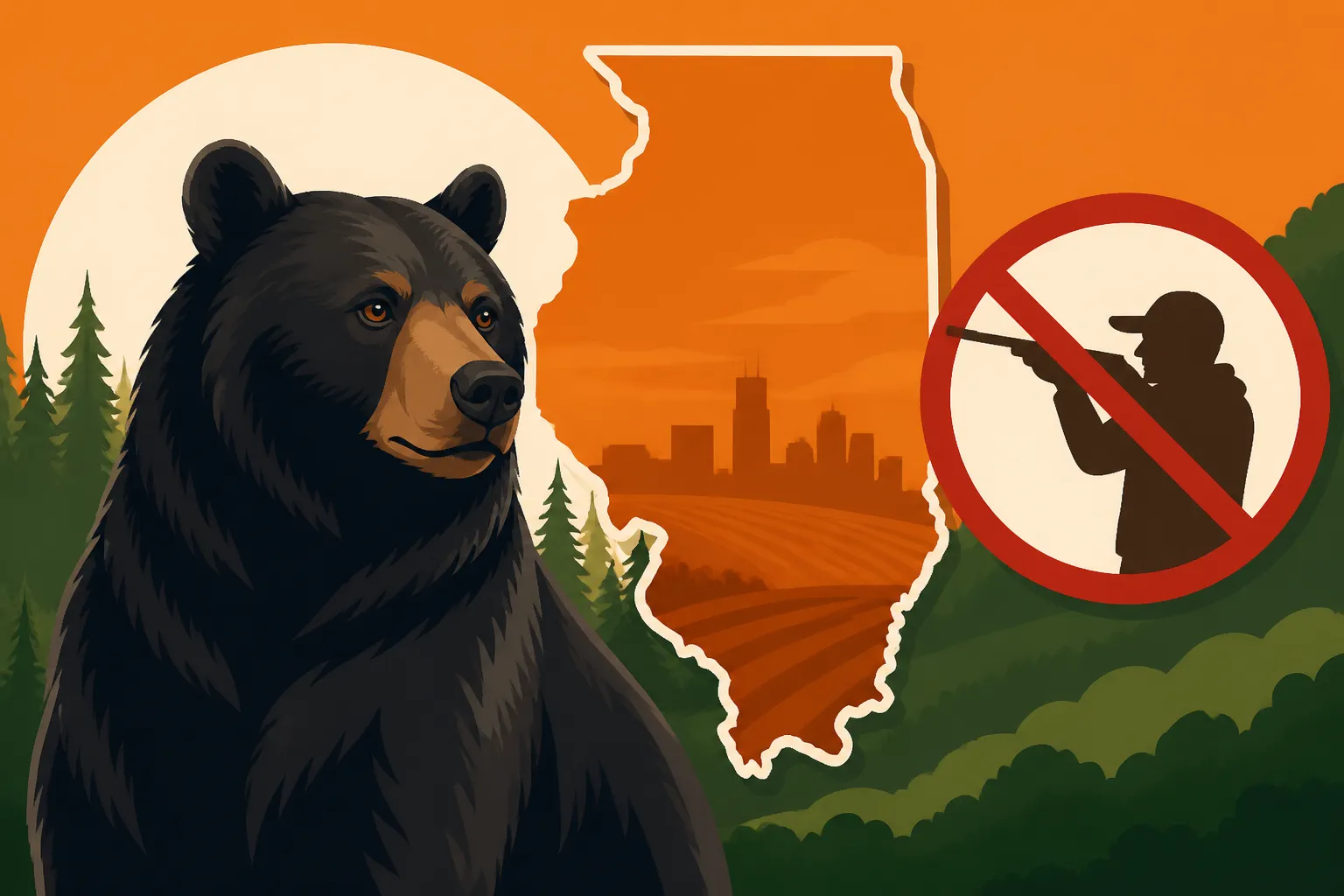
The official stance of the Illinois DNR is that black bears are a protected species in Illinois. This means there is no open season, and it is illegal to hunt, harass, or intentionally harm a black bear. If a bear is sighted, the IDNR encourages the public to report it through their dedicated channels, providing valuable data for their monitoring efforts. However, the emphasis is always on giving the bear space and avoiding any direct interaction. Their primary goal is to allow these rare visitors to move through the landscape naturally, minimizing human-bear conflicts. This approach differs greatly from how deer or other established game animals are managed, where a robust population allows for regulated hunting. Understanding the nuances of regulations for various species, such as those laid out for Illinois Deer Season Structure Explained, helps highlight the distinct approach taken for bears.
While hunters might be eager to see bears listed as a game animal, the IDNR's focus is on ensuring the long-term health and potential re-establishment of the species before any consideration of a hunting season. This also means educating the public about living in areas where bears might occasionally wander, advising on securing attractants like garbage and pet food to prevent habituation.
Public Safety and Human-Bear Coexistence
As bear sightings, though infrequent, do occur, public safety becomes a paramount concern. The IDNR understands that a sudden increase in a large predator can cause anxiety among residents, especially those unfamiliar with living near bears. This is why public education is so important. They provide guidance on how to avoid conflicts, such as:
- Securing Food Sources: Keeping garbage in bear-resistant containers, cleaning barbecue grills, and storing pet food indoors.
- Awareness: Knowing what to do if you encounter a bear (make noise, appear large, never run).
- Reporting: Promptly reporting sightings to the IDNR so they can monitor movements and address any potential problems proactively.
An open hunting season, if implemented prematurely, could complicate these public safety efforts. It might lead to increased human-bear interactions, as bears become more wary or habituated to human presence in different ways. The delicate balance of allowing a population to potentially establish itself while ensuring public safety is a complex challenge that requires careful, science-backed management rather than immediate recreational hunting opportunities. Hunters often understand this nuanced approach, as they are often the first line of defense in wildlife conservation and education in their communities.
The Economic and Cultural Impact of a Potential Season
The idea of a black bear season in Illinois, while currently not biologically feasible, does spark discussion about potential economic and cultural shifts within the state's hunting community and beyond.
Tourism and Local Economies
If Illinois were ever to develop a sustainable, huntable black bear population, it could potentially open a new avenue for hunting tourism. States with established bear seasons, such as Pennsylvania, Wisconsin, or Missouri, see significant economic boosts from hunters traveling to pursue bears. This includes direct spending on licenses, tags, lodging, meals, fuel, and guide services. For example, a hunter traveling from Illinois to another state to pursue a bear might spend hundreds or thousands of dollars on their trip. If those dollars were spent within Illinois, they could support local businesses in rural areas.
However, this is a long way off. Currently, Illinois's hunting tourism largely centers around deer, especially in renowned areas like Pike County, or waterfowl hunting along the Illinois and Mississippi River valleys. While platforms like GoHunt provide valuable information for hunters looking to explore opportunities in states with bear seasons, the economic impact in Illinois for bears is non-existent. Any future consideration of a bear season would undoubtedly include a comprehensive economic impact study, weighing the benefits against the costs of managing a new game species.
Shifting Hunter Demographics and Interest
There's no doubt that if Illinois ever offered a black bear season, it would generate immense interest among the state's hunting population. Many Illinois hunters already travel out of state to pursue bears, seeking the unique challenge and experience of hunting a large, intelligent predator. A local season could fulfill this desire closer to home, potentially attracting new hunters or re-engaging those who might have drifted away from other forms of hunting.
However, introducing a new big game animal would also require careful consideration of existing hunting infrastructure and ethics. Hunters would need specific education on bear hunting tactics, shot placement, bear recovery, and proper food handling. This is similar to how the state mandates Illinois Hunter Education Requirements for all new hunters, ensuring responsible practices. Furthermore, the cultural perception of bear hunting varies widely, and public outreach would be critical to ensure understanding and support, not just within the hunting community but among the general public as well. The passionate interest in pursuing deer, whether through Bowhunting Illinois's Long Archery Season or Illinois's Two Firearm Deer Seasons, shows the potential engagement if a bear season ever became a reality.
Future Prospects and What to Expect
So, what does the future hold for black bears in Illinois, and when might we realistically see a hunting season? The answer lies in continued monitoring and a long-term, science-based approach.
Monitoring and Data Collection
The IDNR remains committed to monitoring black bear activity in Illinois. Every reported sighting, every trail camera photo, every piece of evidence is added to their database. This isn't just casual observation; it's a systematic effort to understand if these transient individuals are indeed a precursor to a breeding population. Modern technology, like sophisticated mapping tools and data analysis platforms, can assist in this. For serious hunters in other states, tools found on sites like GoHunt offer comprehensive data on wildlife populations, harvest success, and even draw odds for various species. While Illinois doesn't yet have that level of bear-specific data for hunters, the IDNR internally tracks all information to assess potential trends.
This ongoing data collection is crucial. It helps biologists identify movement corridors, potential denning areas, and, most importantly, any signs of consistent breeding. It’s a slow, meticulous process that takes years, even decades, to yield definitive conclusions about population establishment. If you are out Scouting Illinois Public Land Before Season for deer or turkey, and you happen to spot what you believe is bear sign, reporting it to the IDNR is an important way to contribute to this data collection effort. Similarly, leveraging resources like Reading Aerial Photos for Southern Illinois Deer can help identify potential habitats that could also support bear movement.
Long-Term Outlook for a Black Bear Season
For Illinois to even consider a black bear hunting season, a significant and sustained shift in the state's bear population would need to occur. We're talking about:
- Consistent Breeding: Not just one or two bears, but multiple breeding females consistently producing cubs across various regions of the state for several consecutive years.
- Established Resident Population: Evidence that these bears are not merely passing through but are establishing permanent home ranges and contributing to a growing population base.
- Robust Numbers: A population large enough to sustain hunting pressure without jeopardizing its long-term viability, as determined by rigorous scientific modeling.
- Public Acceptance and Management Infrastructure: The IDNR would need to develop a comprehensive management plan, including regulations, public education, and potential conflict resolution strategies, similar to what is in place for species like coyotes, as discussed in Illinois Coyote Range and Density.
Given the current data, it's safe to say that a black bear hunting season in Illinois is not on the immediate horizon. It's a prospect that is likely decades away, if it ever happens at all. For now, our role as outdoor enthusiasts and conservationists is to respect these rare visitors, report sightings to the IDNR, and appreciate the fact that these magnificent animals are beginning to explore their ancestral lands once again, even if they're not yet a huntable species. In the meantime, Illinois offers an abundance of other hunting opportunities across its Public Hunting Land in Illinois and various Illinois State Fish and Wildlife Areas, including the expansive Shawnee National Forest Hunting in the Hunting the Shawnee Hills Region.
Disclaimer
Please remember that hunting regulations and wildlife populations are subject to change. Always consult the most current Illinois Department of Natural Resources (IDNR) regulations and guidelines before planning any hunting activity. This article provides general information and should not be considered a substitute for official IDNR publications or legal advice.