Illinois Mentored Youth Hunting Rules
One of the biggest hurdles many aspiring young hunters face is simply getting started. It's not just about knowing how to shoot; it's about understanding the ethics, the regulations, the land, and the entire experience of being afield. Illinois recognized this years ago, and that's why the state developed robust mentored youth hunting rules designed to safely introduce the next generation to our outdoor heritage. This guide is dedicated to breaking down those crucial rules, offering practical advice, and helping both mentors and young hunters navigate the system successfully, ensuring a positive and educational experience in Illinois's great outdoors.
The Foundation of Mentored Youth Hunting in Illinois
Bringing new hunters into the fold is a critical mission, and for many families, the idea of getting a youngster into hunting can feel overwhelming. Illinois's mentored youth hunting program is specifically designed to ease that burden, providing a structured pathway for kids to learn from experienced adults. It's not just about allowing a child to carry a firearm or bow; it's about fostering responsibility, safety, and a deep appreciation for wildlife and conservation from an early age. This program is a bridge, connecting generations and ensuring the future of our hunting traditions.
Why Mentored Youth Programs Are Essential
In today's fast-paced world, many kids grow up disconnected from nature, and the skills and knowledge required for hunting aren't always passed down organically. The Illinois Mentored Youth Hunting Program directly addresses this by formalizing a system where seasoned hunters can guide novices. This hands-on approach is far more effective than simply reading a book or watching videos. It teaches real-world decision-making, game identification, tracking, and the patience that comes with being in the woods. Without these structured opportunities, many young people might never get the chance to experience hunting.
Moreover, these programs are vital for conservation. Hunters are often the primary funders of wildlife management through license and tag sales and excise taxes on equipment. By nurturing new hunters, Illinois is investing in the long-term health of its wildlife populations and habitats. It's a win-win: kids get to learn a valuable skill, and the wild places we cherish benefit from sustained support. The future of Illinois hunting hinges on recruiting and retaining these young participants.
The Role of the Mentor: More Than Just a Guide
Becoming a mentor in the Illinois Youth Hunting Program carries significant responsibility, far beyond just pointing out a deer or showing a child how to hold a shotgun. A mentor is a teacher, a role model, a safety officer, and a conservationist rolled into one. They are responsible for not only the physical safety of the youth but also for instilling the ethical framework that underpins responsible hunting. This includes fair chase principles, respect for private land, accurate shot placement, and proper game care.
The best mentors understand that the success of a hunt isn't measured by a kill, but by the quality of the experience and the lessons learned. It’s about teaching patience during a long sit, showing how to read sign, identifying different tree species, or explaining the life cycle of a turkey. They provide the invaluable context that transforms a simple outdoor activity into a deeply meaningful endeavor. Many experienced hunters use tools like GoHunt to scout and plan their trips, sharing this process with their mentees to highlight the preparation involved.
Eligibility and Core Requirements
Understanding who qualifies as a mentor and who can be mentored is the first step in participating in Illinois's program. The rules are designed to ensure safety and a proper learning environment, making sure that both parties are prepared for the responsibilities of a hunt. This isn't a casual affair; it's a serious undertaking with specific guidelines to follow.
Who Can Be a Mentored Youth?
In Illinois, a mentored youth is typically defined as a person under the age of 18 who is accompanied by a qualified, supervising adult. The specific age can vary slightly depending on the type of hunting. For instance, the general rule of thumb is that any youth who has not yet completed a hunter education course can participate under these rules. This flexibility allows younger children, who might not yet be ready for the full Hunter Education course, to still gain invaluable field experience.
There's no minimum age to be a mentored youth, but practical considerations should always come first. A child needs to be mature enough to understand and follow instructions, handle a firearm safely (even if the mentor is primarily controlling it), and possess the patience required for hunting. Each family needs to assess their child's readiness rather than simply relying on a calendar age. The program aims to foster engagement, not force it. For specific opportunities, like the Illinois Youth Deer Season Rules, there might be additional age stipulations or permit requirements.
Who Qualifies as a Mentor?
A mentor in the Illinois Mentored Youth Hunting Program must be a properly licensed hunter who is at least 18 years of age. They must possess all valid hunting licenses, stamps, and permits required for the current hunting season and species they are pursuing. This means if you're mentoring a youth for deer, you need your valid hunting license and deer permit. If you're out for turkey, you need your turkey permit. It’s critical that the mentor is legally equipped to hunt themselves, even if they primarily intend to supervise.
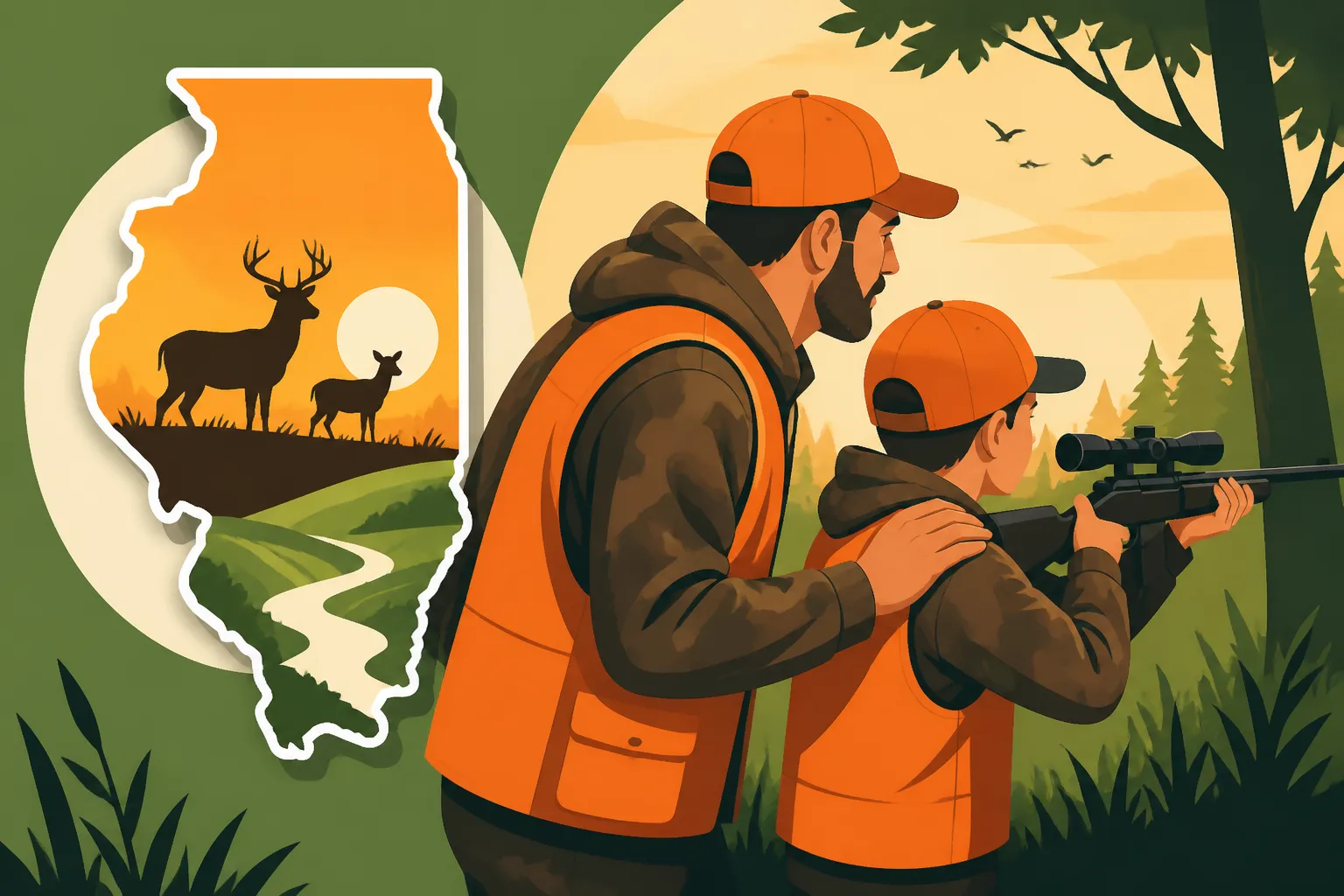
The mentor must also be in immediate control and direct supervision of the youth while hunting. This isn't just about being in the same general area; it means being close enough to provide direct instruction, ensure safety, and immediately intervene if necessary. For firearm hunting, this often means being within arm's reach. The mentor is fully accountable for the youth's actions while hunting, so proximity and constant awareness are non-negotiable.
Navigating Licenses, Permits, and Blaze Orange
One of the most common points of confusion for new hunters and their mentors revolves around the necessary paperwork and safety gear. Illinois has clear stipulations to ensure that everyone afield is properly licensed and visible, especially during firearm seasons. Getting these details right is crucial, not just for legal compliance but for a safe and enjoyable hunt.
License and Permit Requirements for Mentors and Youth
For the mentor, the requirements are straightforward: you must possess all current and valid hunting licenses and permits that would be required for you to hunt that species yourself. This includes a valid hunting license, a State Habitat Stamp (if applicable), and species-specific permits like a deer permit or turkey permit. This often means buying a Illinois Resident License Options and then adding the necessary game tags.
For the mentored youth, the situation is a bit different. A youth participating in the mentored program often does not need to possess their own hunting license or hunter education certificate. This is the beauty of the program – it allows them to learn hands-on before committing to the full certification process. However, if the youth is hunting a species that requires a special permit, like deer or turkey, they will need to possess the appropriate youth permit for that species. These are typically available at a reduced cost and are specifically earmarked for youth hunters. Always double-check the current year's regulations on the Illinois DNR website or through reliable apps like GoHunt, which often have up-to-date summaries.
Here's a quick overview:
| Requirement | Mentor (18+) | Mentored Youth (Under 18, No Hunter Ed) |
|---|---|---|
| Hunting License | Required & Valid | Not Required |
| Habitat Stamp | Required (if applicable) | Not Required |
| Deer Permit | Required (if hunting deer) | Required (Youth Permit) |
| Turkey Permit | Required (if hunting turkey) | Required (Youth Permit) |
| Hunter Education | Required (unless exempt by age/prior license) | Not Required |
| Supervision | Direct, Immediate Control | Must be Under Direct Supervision |
| Blaze Orange/Pink | Required during firearm seasons | Required during firearm seasons |
Note: Always verify current regulations with the Illinois Department of Natural Resources (IDNR) as rules can change annually.
Blaze Orange and Safety Considerations
During any firearm deer season, or other seasons where blaze orange is mandated, both the mentor and the mentored youth must wear the required amount of outer blaze orange (or blaze pink). The Illinois Blaze Orange Requirements specify a minimum of 400 square inches of solid blaze orange or pink material, worn as an outer garment, and a blaze orange/pink cap. This safety measure is non-negotiable and is designed to make hunters highly visible to other hunters, dramatically reducing the risk of accidental shootings.
Beyond blaze orange, a mentor's paramount responsibility is firearm safety. This means constant muzzle control, knowing your target and what's beyond it, and ensuring the firearm is unloaded when crossing obstacles or out of the stand. The mentor should be the primary person handling the firearm until the youth is ready and safe to do so under direct, close supervision. For instance, when Hunting a Ridge-Top Saddle for Rutting Bucks, ensuring clear sight lines and a safe backdrop is crucial, especially with a young hunter.
Permitted Weaponry and Equipment
Understanding what weapons and equipment are allowed for mentored youth is vital for planning a successful and legal hunt. Illinois has specific regulations for different game species, and these apply to youth hunters as well, with the mentor bearing the ultimate responsibility for compliance. The goal is to provide a safe and appropriate tool for the young hunter, matching their skill level and physical capabilities.
Legal Firearms and Archery Equipment
When it comes to deer hunting, Illinois has specific rules about legal firearms. For mentored youth, this typically means a shotgun using slugs, a muzzleloader, or a straight-walled cartridge rifle, all meeting minimum caliber requirements. For example, Which Shotgun Gauges Illinois Allows for Deer generally includes 12, 16, 20 gauge, and .410 bore, but slug use is mandatory. It's crucial to select a firearm that the youth can safely handle in terms of weight and recoil. A .410 shotgun or a smaller caliber straight-walled rifle might be more appropriate for a smaller child than a heavy 12-gauge.
For archery hunting during Bowhunting Illinois's Long Archery Season, a mentored youth can typically use a compound bow, recurve bow, longbow, or crossbow, provided it meets the minimum draw weight and arrow/bolt specifications. Crossbows are permitted for all hunters during the archery season in Illinois, making them a good option for youth who might struggle with the physical demands of a compound bow. The mentor must ensure the youth can safely cock and uncock the crossbow or draw and hold a vertical bow.
Special Rules for Muzzleloader Season
Illinois offers a dedicated Muzzleloader Deer Hunting in Illinois season, and mentored youth can participate if they possess the correct youth muzzleloader permit. The rules for legal muzzleloaders are distinct, typically requiring a .45 caliber or larger muzzleloading rifle or shotgun (firing a single projectile) that is loaded from the muzzle. The mentor needs to be highly proficient in muzzleloader safety and loading procedures to properly instruct the youth.
It's important to remember that during this season, the youth is still under the direct supervision rules. Handling black powder and percussion caps requires extra caution, and the mentor should be extremely hands-on, guiding every step of the loading and firing process until the youth demonstrates complete competence. The emphasis is always on safety first, ensuring the youth understands the unique aspects of muzzleloader operation.
Practical Mentoring Strategies for Success
Beyond the legalities, truly effective mentoring involves a blend of preparation, patience, and a deep understanding of the hunting experience itself. It's about building confidence in the young hunter and creating lasting memories, not just filling a tag. A well-prepared mentor can turn a challenging day into a valuable learning experience.
Pre-Hunt Preparation and Scouting
Successful mentored hunts begin long before you set foot in the field with a firearm. Pre-season scouting is paramount. This involves identifying potential hunting areas, understanding deer or turkey patterns, and finding safe, accessible spots. Using resources like the Using the Illinois DNR Map Tool or commercial apps such as GoHunt can help identify public land boundaries, habitat types, and access points. For private land, gaining permission ahead of time is essential.
It's also beneficial to involve the youth in this scouting process. Teach them how to look for deer sign, identify bedding areas, or find good turkey roosts. This empowers them and makes them an active participant in the hunt, not just a passenger. Practicing shooting at a range is also a critical part of preparation, ensuring the youth is comfortable and proficient with their chosen weapon before live game is involved. This builds confidence and significantly enhances safety.
Field Ethics, Patience, and Enjoyment
The most crucial lessons a mentor can impart often have nothing to do with pulling a trigger. Field ethics—respect for the animal, other hunters, and the land—are paramount. Teaching a youth about Scouting Illinois Public Land Before Season involves discussing how to leave no trace and respecting natural resources. Explaining the concept of fair chase and responsible shot selection cultivates a strong ethical foundation. It's also vital to teach them about Blood Trailing After Dark in Illinois if a shot animal isn't recovered immediately, instilling perseverance and responsibility.
Patience is perhaps the hardest lesson to teach, but it's central to hunting. Hours of sitting quietly, observing nature, and waiting for the right opportunity can be challenging for an energetic youngster. Mentors should be prepared for boredom, quiet conversations, and snacks. The goal is to make the experience enjoyable, regardless of whether game is harvested. Celebrate small victories: identifying a bird, spotting a squirrel, or simply sitting still for an extended period. These moments build resilience and a love for the outdoors.
The Broader Impact: Cultivating Future Conservationists
The Illinois Mentored Youth Hunting Program is about much more than just helping kids harvest game. It's an investment in the future of wildlife, habitat, and the hunting tradition itself. By carefully nurturing these young participants, we are cultivating the next generation of outdoor enthusiasts and stewards of the land.
Transitioning to Independent Hunting
Once a mentored youth has gained sufficient experience and maturity, the next step is typically to complete a certified hunter education course. Illinois requires all first-time hunters to pass an approved Illinois Hunter Education Requirements course before they can purchase an adult hunting license. This course covers firearm safety, wildlife identification, conservation principles, and regulations in detail, equipping them with the knowledge to hunt independently.
The mentored experience provides a solid foundation, making the hunter education course much more relevant and understandable. After completing the course, young hunters can then begin to purchase their own licenses and permits, embarking on their own hunting adventures. However, even as independent hunters, the lessons learned and the bond forged with their mentor will undoubtedly stay with them for a lifetime, guiding their decisions afield.
The Long-Term Benefits to Illinois Wildlife
Every new hunter brought into the fold represents another individual who will contribute to conservation funding and become an advocate for wildlife. The funds generated through hunting licenses, permits, and excise taxes on hunting equipment directly support habitat restoration, wildlife population monitoring, and conservation law enforcement across Illinois. Without new hunters, these vital programs would suffer.
By introducing young people to the outdoors through a respectful, educational, and safe mentored experience, Illinois is ensuring that its rich wildlife heritage, from the deer in the Shawnee National Forest Hunting to the turkeys in the Hunting Illinois's Fall Turkey Zones, will be enjoyed and protected for generations to come. It’s a cyclical relationship: responsible hunting supports healthy wildlife, and healthy wildlife provides opportunities for future hunters.
Disclaimer
The information provided in this guide is for informational purposes only and is subject to change. While we strive for accuracy, hunting regulations can be complex and are updated periodically by the Illinois Department of Natural Resources (IDNR). Always consult the most current official IDNR hunting regulations and statutes before participating in any hunting activity. Failure to do so could result in fines or penalties.