Illinois Hog Hunting Permit Requirements
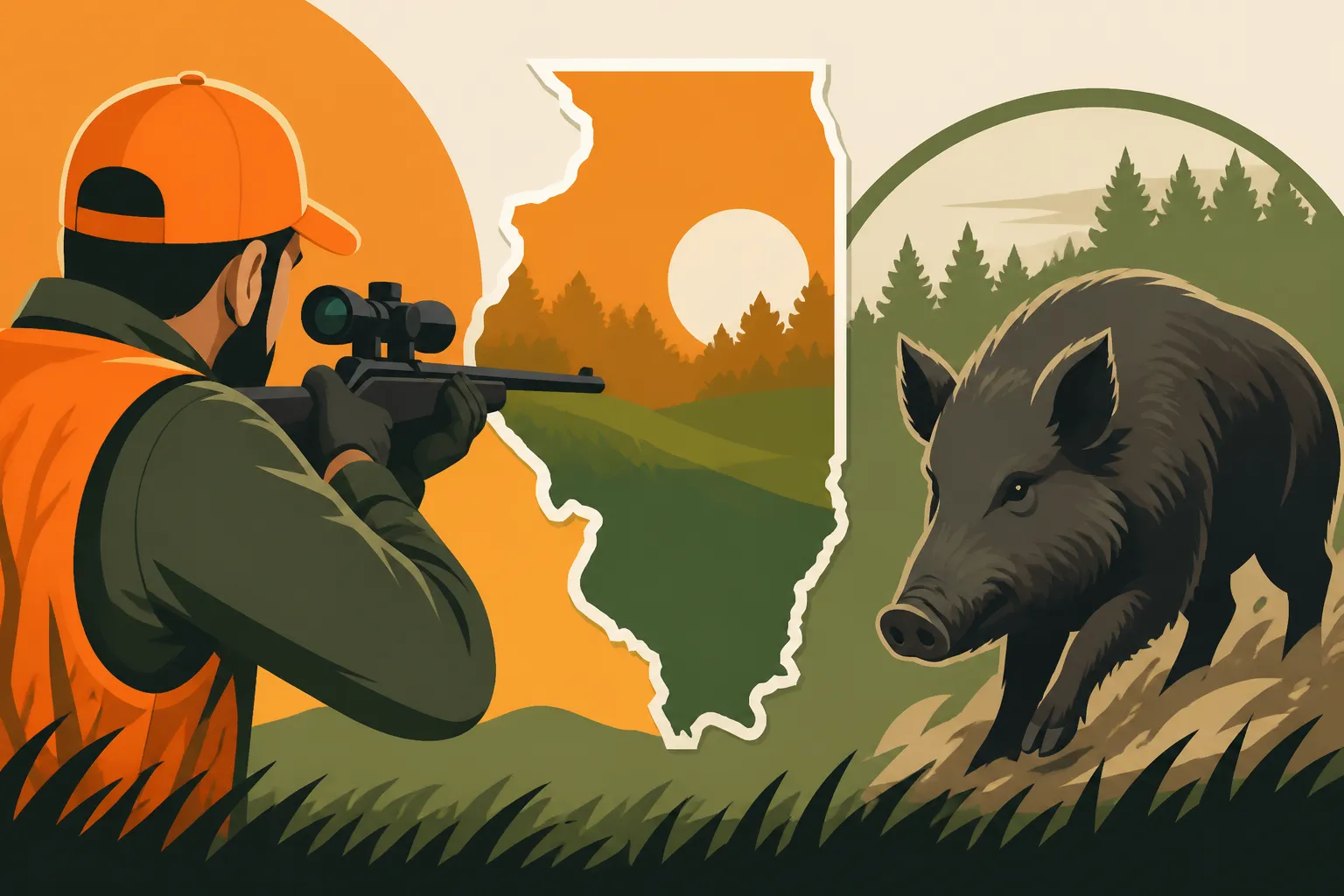
Hunting in Illinois can sometimes feel like navigating a maze of regulations, especially when it comes to specific species. Many folks wonder about the exact permits required for hunting feral hogs, often assuming there's a special tag or license like those for deer or turkey. The truth is, these notoriously destructive animals are treated very differently than our prized game animals. This guide will clarify exactly what you need – and don't need – to legally pursue feral hogs in Illinois, ensuring you're compliant while doing your part to manage this invasive species.
The Unique Status of Feral Hogs in Illinois
It's easy to get confused when you're looking to hunt something that doesn't fit the typical "game animal" mold, and feral hogs definitely fall into that category here in Illinois. Unlike whitetail deer or wild turkeys, which have specific seasons, bag limits, and often lottery-based permits, feral swine are viewed by the Illinois Department of Natural Resources (IDNR) as an unprotected, invasive species. This fundamental difference shapes all the rules and requirements around hunting them.
Why Feral Hogs Are Not Considered Game Animals
Imagine a pest invading your garden, destroying crops, and tearing up your lawn. That's essentially how Illinois views feral hogs. They aren't native to the state, and their presence is purely detrimental to natural ecosystems and agricultural interests. Because they aren't part of the state's natural fauna, and they reproduce at an alarming rate, the IDNR actively encourages their removal rather than managing them for sport hunting. This means there's no "season" for hogs because they are considered a nuisance that needs to be controlled year-round. They don't have the same protections or management strategies as species like pheasant or quail.
The primary goal of any feral hog harvest in Illinois is eradication, not conservation or population management in the traditional sense. This is a critical distinction, as it frees hunters from many of the constraints that apply to regulated game species. For instance, you won't find specific Illinois fall turkey zones where you can hunt hogs, because their status is completely separate.
The Impact of Invasive Swine on Illinois Ecosystems and Agriculture
It's hard to overstate the damage feral hogs inflict. These animals are root-and-tusk wrecking balls, tearing up vast stretches of land in their search for food. They decimate agricultural fields, particularly corn and soybean crops, causing significant financial losses for farmers. Their rooting behavior also destroys critical habitat for ground-nesting birds, amphibians, and other small wildlife. Think about the intricate root systems that hold soil together along creek banks – hogs obliterate them, leading to erosion and degraded water quality.
Beyond habitat destruction, feral hogs are notorious carriers of diseases that can spread to livestock and even humans. Brucellosis, leptospirosis, and pseudorabies are just a few of the concerns. This makes their presence not just an ecological and economic problem, but a public health and animal health threat as well. This widespread damage is why the state has adopted such an aggressive stance, promoting their year-round removal. You can learn more about the specifics of Illinois Feral Hog Regulations and the state's efforts to manage their spread.
Understanding Illinois Hog Hunting Permit Requirements
Now, let's get down to what you actually need to legally hunt these destructive animals in Illinois. Because of their unique "unprotected" status, the permit situation for feral hogs is much simpler than for other game. However, "simpler" doesn't mean "non-existent." You still have responsibilities as a hunter.
The Bare Minimum: Your General Hunting License and Habitat Stamp
Even though feral hogs aren't game animals, you still need to be a licensed hunter to pursue them. This means you must possess a valid Illinois hunting license, along with a State Habitat Stamp. Think of your base hunting license as your general admission ticket to any hunting activity in Illinois. It proves you've met the state's basic requirements, including hunter education if you were born on or after January 1, 1980.
The Habitat Stamp, while seemingly a small cost, plays a crucial role. Funds from its sale go directly towards habitat restoration and preservation efforts across the state, benefiting all wildlife – and providing more places for us to hunt. So, while you're out there helping control an invasive species, you're also contributing to the health of Illinois's wildlife habitat. If you're wondering about the Illinois Resident License Options or what these licenses cost, the IDNR website is your best resource.
Special Considerations for Private vs. Public Land Hunting
This is where things can get a little tricky, not because of hog-specific permits, but because of land ownership.
- Private Land: If you plan to hunt feral hogs on private land, you must have explicit permission from the landowner. This isn't just a courtesy; it's the law in Illinois. Always secure written permission if possible, especially if you'll be on the property frequently or hunting methods like night hunting. Failing to do so can lead to trespassing charges, which are serious. This is a good opportunity to use tools like GoHunt to scout land ownership and ensure you're on the right side of property lines before even thinking about asking for permission. Understanding Illinois Trespass and Permission Law is fundamental for any hunter.
- Public Land: Hunting hogs on public land in Illinois is significantly more complex, and often not permitted, or highly restricted. Many public hunting areas, like State Fish and Wildlife Areas or State Parks, have specific regulations governing what can be hunted, when, and by what means. Because feral hogs are unprotected, they often fall outside the typical game management plans for these areas. You must check the specific site regulations for each individual public land area before attempting to hunt hogs there. Never assume. Some areas might allow it under certain conditions, while others explicitly prohibit it. Don't be surprised if you find that most public lands in Illinois do not permit feral hog hunting due to the potential for conflicts with other hunting seasons, user groups, or specific site management goals. You'll definitely want to consult the IDNR site's public land maps and specific area rules.
No Dedicated Feral Hog Permit Needed (And Why That's Good)
The most surprising and often celebrated aspect of hunting feral hogs in Illinois is the complete lack of a specific permit or tag for the animal itself. You don't need to enter a lottery, buy an over-the-counter tag, or even report your harvest to the IDNR (though reporting sightings is encouraged). This is a direct consequence of their invasive status. The state wants them gone, period. This means:
- No Bag Limits: You can take as many feral hogs as you encounter, assuming you have the legal means and access.
- No Closed Season: Feral hogs can be hunted year-round, which is incredibly helpful for control efforts. This aligns with Illinois's Year-Round Hog Rule on Private Land.
- No Reporting Requirement: While tracking and data are valuable for the state, individual hunters are not mandated to report their hog kills.
This freedom from traditional game regulations makes feral hog hunting a unique opportunity for hunters to contribute directly to wildlife management and agricultural protection, without the bureaucratic hurdles often associated with regulated species.
To illustrate the stark difference, here's a quick comparison:
| Requirement/Species | Feral Hogs (Unprotected) | White-Tailed Deer (Game Animal) | Wild Turkey (Game Animal) |
|---|---|---|---|
| Base Hunting License | Required | Required | Required |
| State Habitat Stamp | Required | Required | Required |
| Species-Specific Permit/Tag | Not Required | Required (Deer Permit) | Required (Turkey Permit) |
| Open Season | Year-round | Specific seasons | Specific seasons (e.g., Spring/Fall) |
| Bag Limit | No limit | Specific limits per permit | Specific limits per permit |
| Hunting Hours | Daylight & Night (with restrictions) | Typically 1/2 hour before sunrise to 1/2 hour after sunset | Typically 1/2 hour before sunrise to sunset |
| Harvest Reporting | Not required | Required (online/app) | Required (online/app) |
| Landowner Permission | Always required on private land | Always required on private land | Always required on private land |
Legal Methods and Best Practices for Hog Hunting
Since feral hogs are considered an invasive pest, the methods allowed for their removal are often more flexible than for traditional game animals. However, you still need to adhere to general hunting safety and ethical practices. The goal is efficient and humane removal, and taking advantage of every legal tool in the toolbox is encouraged.
Allowed Weapons and Methods for Taking Feral Hogs
Illinois allows a wide array of weapons for hunting feral hogs, reflecting the state's desire to control their populations. This includes shotguns, rifles, handguns, muzzleloaders, archery equipment (like compound bows, recurve bows, and crossbows), and even trapping. The critical point is that these weapons must be legally owned and used safely. All state and federal firearm laws apply, of course.
When it comes to methods, stalking, still-hunting, and hunting from stands are common. For effective population control, some landowners also employ advanced tactics like corral trapping, which can remove multiple hogs at once. If you're interested in alternative methods, looking into resources on Trapping Illinois Feral Hogs could be beneficial, especially if you have significant hog problems on private land. The flexibility in methods is a huge advantage for hunters and landowners alike, allowing them to choose the most effective approach for their specific situation.
Night Hunting and Thermal Optics for Effective Control
Feral hogs are often most active during cooler nighttime hours, especially in warmer months or when under pressure. Recognizing this, Illinois law does allow for night hunting of feral hogs on private land with landowner permission. This is a game-changer for control efforts, as it targets hogs when they are most comfortable and destructive. Using artificial lights, night vision, and thermal imaging equipment is also permitted for this purpose on private land.
Thermal optics, like those offered by Pulsar or ATN, have revolutionized night hunting for hogs, allowing hunters to detect animals even in dense cover and zero in for a precise shot. However, it's absolutely crucial to remember that these advanced tools and night hunting are typically restricted to private land with proper permission. Never use these methods on public land without first verifying it is explicitly allowed, which is rarely the case. For more on this, check out details on Night Hunting Hogs With Lights on Private Land.
Ethical Considerations and Reporting Sightings
While the state wants feral hogs removed, ethical hunting practices remain paramount. This means taking humane shots, positively identifying your target, and never wasting the animal. If you plan to consume the meat, ensure proper field dressing and handling to prevent spoilage, especially given potential disease risks. While reporting kills isn't mandatory, reporting sightings of feral hogs to the IDNR is highly encouraged. This valuable data helps wildlife biologists track their spread, identify new problem areas, and direct control efforts more effectively.
If you observe hogs displaying unusual behavior, or see signs of illness, it's especially important to report those observations. You can find information on Reporting a Sick Animal in Illinois through the IDNR. Every piece of information helps Illinois's wildlife management agencies understand the extent of the problem and strategize against it.
Beyond Permits: Gaining Access and Staying Safe
Securing the right permits is just one piece of the puzzle. The true challenge, and often the most rewarding aspect of hog hunting, lies in gaining access to huntable land and ensuring your safety and the safety of others. Because hogs are highly nomadic and often inhabit hard-to-reach areas, thoughtful planning is essential.
Securing Private Land Permission for Hog Hunting
For most hunters looking to target feral hogs in Illinois, private land is going to be your primary, if not sole, option. The process of Securing Private Land Permission in Illinois can seem daunting, but it's often simpler than you think. Start by identifying areas with known hog activity – perhaps through talking to local farmers, or by scouting areas where you see crop damage. Look for landowners whose property might benefit most from hog removal.
When you approach a landowner, be respectful, clearly explain your intentions (emphasizing hog control, not just sport), and be prepared to offer references. Discuss your hunting methods, especially if you plan to hunt at night or use specialized equipment. Many farmers are desperate for help with hog control and will welcome responsible hunters. Always leave the land better than you found it, and a gift of venison (or hog meat, though it's not venison!) can go a long way in building a lasting relationship. Platforms like GoHunt can help you identify land ownership details, making it easier to directly contact property owners.
Navigating Public Land Challenges for Feral Swine
As mentioned earlier, hunting feral hogs on Illinois public land is generally not permitted or is severely restricted. Public lands are managed for a variety of uses, and uncontrolled hog hunting can conflict with other activities or conservation goals. While the state's official stance allows for year-round hog hunting, site-specific regulations on public lands often override this general rule to maintain safety and order.
If you are determined to find public land opportunities, your best bet is to contact the specific site superintendent or manager of a particular Fish and Wildlife Area, State Park, or National Forest land you are considering. Do not rely on general state regulations. Ask direct questions about feral hog hunting, permitted methods, and any special permits or draw opportunities that might exist. Be prepared for disappointment, as opportunities are rare. For broader information on accessing public land, refer to Public Hunting Land in Illinois.
Safety First: Essential Tips for Hog Hunters
Whether you're hunting private land or that rare public access, safety should always be your top priority. Feral hogs are powerful, unpredictable animals, and a wounded hog can be extremely dangerous.
- Know Your Target and Beyond: Always be 100% certain of your target, and what lies beyond it. This is especially critical during night hunts.
- Hunt with a Buddy: If possible, hunt with at least one other person. This provides backup if an animal charges or if an accident occurs.
- Carry a Backup Weapon: A handgun in a chest holster can be a lifesaver if you encounter an aggressive hog at close quarters.
- Proper Gear: Wear appropriate clothing and sturdy boots. If hunting at night, reliable lights (beyond your weapon-mounted light) are crucial.
- First Aid: Always carry a basic first aid kit and know how to use it.
- Communication: Inform someone of your hunting plans, including your location and estimated return time. Consider carrying a satellite messenger or GPS device in areas with poor cell service.
- Disease Awareness: Be aware of the potential for disease transmission. Wear gloves when field dressing and cook meat thoroughly.
By taking these precautions, you can enjoy a safe and successful hog hunt while contributing to the important effort of controlling these invasive animals in Illinois.
Disclaimer
The information provided in this guide is for general informational purposes only and is subject to change. Hunting regulations can be complex and are frequently updated. Always consult the most current Illinois Department of Natural Resources (IDNR) regulations and local ordinances before engaging in any hunting activity. It is the hunter's responsibility to know and follow all applicable laws.