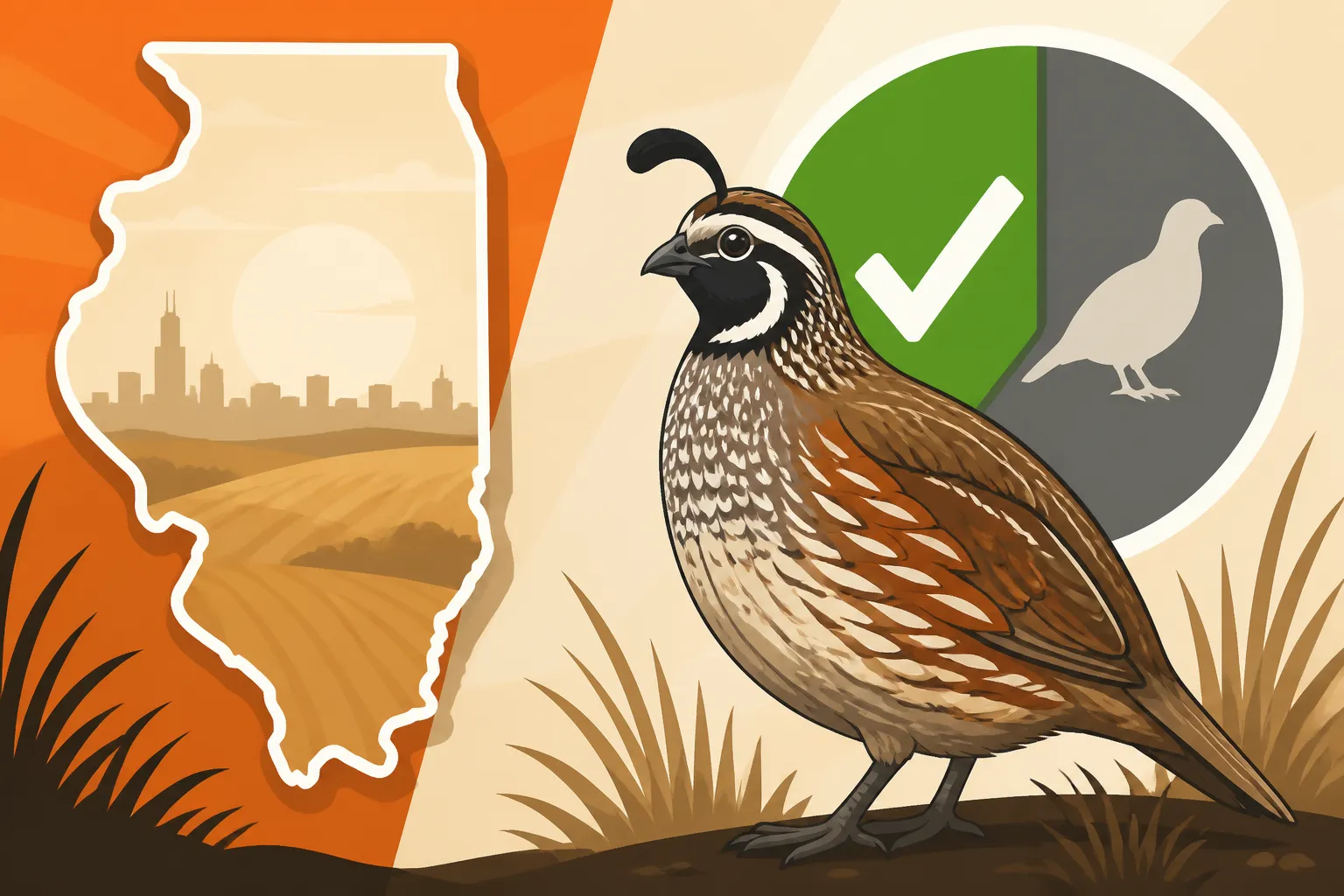
Illinois Quail Season Status
The excitement of gearing up for quail season in Illinois can quickly turn to frustration when you realize just how elusive these birds have become compared to generations past. Many of us remember a time when coveys were more abundant, and the challenge today isn't just about being a good shot, but about finding the birds at all. This guide aims to cut through that confusion, giving you a clear picture of Illinois's current quail season status, detailing the regulations, and offering practical strategies for pursuing these treasured game birds, acknowledging the real obstacles modern hunters face.
Understanding Illinois's Bobwhite Quail Season
For those of us who grew up with the distinctive whistle of a bobwhite echoing across autumn fields, the idea of chasing quail in Illinois still holds a special charm. While the widespread, booming populations of yesteryear might be a distant memory, Illinois does still offer a dedicated quail hunting season. It's a testament to the resilience of the bird and ongoing conservation efforts, albeit a season that requires more diligence and knowledge from today's hunter. The Illinois Department of Natural Resources (IDNR) sets specific regulations each year, aiming to balance the tradition of hunting with the critical need for species preservation.
Current Season Dates and General Regulations
Generally speaking, the bobwhite quail season in Illinois typically opens in early November and continues through the first week or so of January. These dates often coincide with the rabbit hunting season, allowing for combined small game outings, which is a nice bonus for those of us trying to maximize our time afield. However, it's absolutely crucial to consult the official IDNR digest each year, as exact opening and closing dates can vary slightly. Hunting hours are usually from sunrise to sunset, giving you a full day to work your dogs and cover ground.
When it comes to legal methods, shotguns are the standard for quail, and most hunters opt for smaller shot sizes like 7.5 or 6, which are effective without causing excessive meat damage to these delicate birds. Unlike big game, you won't need specific permits beyond your standard Illinois hunting license and a State Habitat Stamp to chase quail. Of course, all general hunting laws apply, including blaze orange requirements during certain periods, especially when overlapping with firearm deer seasons. It can be a bit of a juggle to keep all the dates straight, but resources like the IDNR website and the GoHunt app can help you stay current. For a broader perspective on all small game, consider checking out the Illinois Small Game Season Rules.
Daily Bag and Possession Limits
To ensure sustainable harvesting, the IDNR carefully establishes daily bag and possession limits for quail. These limits are science-based, designed to allow for recreational hunting while also protecting the species' ability to reproduce and maintain its population. For bobwhite quail in Illinois, the standard daily bag limit is 8 birds per hunter. This means you can't harvest more than eight quail in a single day of hunting.
Beyond the daily take, there's also a possession limit, which dictates the maximum number of birds you can have in your possession at any one time, whether they're in your cooler, at your camp, or back home in the freezer. This limit is typically set at twice the daily bag limit, meaning 16 quail for Illinois. These regulations are not arbitrary; they are critical tools for wildlife management, helping to prevent overharvest and giving the quail population the best possible chance to rebound. Always ensure you understand and adhere to these limits; they’re a fundamental part of responsible hunting and conservation.
Where Quail Hunting is Permitted
While theoretically, bobwhite quail could be found statewide in Illinois, their presence is now highly localized and directly tied to the availability of specific habitat types. The most promising areas for quail hunting are generally found in the southern and west-central regions of the state. These areas tend to have a better mix of agriculture, brushy draws, and crucial early successional cover that quail depend on, largely due to different land-use histories and less intensive farming practices in some pockets.
You can hunt quail on private land with express permission from the landowner, which is often where you'll find the best opportunities, especially on farms that practice some form of conservation or diversified agriculture. Many public hunting grounds, particularly State Fish and Wildlife Areas (SFWAs), also allow quail hunting. However, it's vital to research site-specific regulations for any public land you plan to visit, as some may have special permit requirements, quota hunts, or limited hunting days. Using detailed mapping apps, like those integrated into GoHunt, can help you identify these public land boundaries and potential quail habitat. Learning more about opportunities on Illinois State Fish and Wildlife Areas is a good starting point for public land hunters. Always confirm access and specific rules before you head out, as these can vary significantly from one site to another.
The Challenges Facing Illinois Quail Populations
It’s an undeniable truth for any hunter in Illinois that the bobwhite quail population has seen a steep decline over recent decades. This isn't just anecdotal evidence; it's a well-documented trend that makes current quail hunting a far cry from the abundance our elders describe. It’s frustrating, heartbreaking even, to walk prime cover only to find it empty. Understanding the complex reasons behind this decline is crucial, not just for hunters, but for anyone who cares about the future of this iconic game bird. There isn’t one single culprit, but rather a perfect storm of environmental shifts and human impact.
Habitat Loss and Fragmentation
The single greatest driver of the bobwhite quail's decline in Illinois, and indeed across much of its range, is pervasive habitat loss and fragmentation. Quail need a specific mosaic of habitats to thrive: dense nesting cover in native grasses, forb-rich areas that attract insects for chick rearing, and thick, brushy escape cover for protection from predators and severe weather. Historically, Illinois's diverse landscape of prairies, woodlands, and small, mixed-use farms provided this ideal interspersion of cover.
However, modern agricultural practices have transformed vast swaths of the state into extensive monoculture fields. The fencerows, brushy draws, fallow fields, and small pastures that once stitched together the landscape have largely disappeared. When these critical components are removed, quail lose not just their homes, but their food sources and safe havens. What little suitable habitat remains often exists in isolated, postage-stamp-sized patches. This fragmentation makes it incredibly difficult for coveys to disperse, find new mates, or recover from local population dips, leaving them vulnerable. This issue is deeply explored in discussions about Illinois Bobwhite Quail Decline and is a primary focus for conservationists aiming to bring them back.
Weather Patterns and Their Impact on Brood Success
Beyond the overarching issue of habitat, year-to-year weather patterns play a significant, and often devastating, role in bobwhite quail reproduction and survival. Quail chicks, especially, are incredibly vulnerable during their early weeks. Cold, wet springs can lead to high mortality rates due to hypothermia and disease among young birds. Heavy, persistent rainfall can also flood nests, drowning eggs or newly hatched chicks. When you combine these adverse weather events with already fragmented and reduced habitat, the impact on brood success is amplified.
On the flip side, prolonged drought can be equally damaging. It can reduce the availability of insects, which are a vital protein source for growing quail chicks, and also make existing cover less effective, forcing birds into more exposed positions. As Illinois residents know, our weather can be wild and unpredictable. A banner year for quail might follow a mild winter and a perfect spring, while a late cold snap or a week of downpours during peak nesting can wipe out an entire season's production in local areas. These natural fluctuations, when layered on top of stressed populations and limited habitat, become critical limiting factors.
Predator Pressure and Management Concerns
Predation is a natural and necessary component of any healthy ecosystem. However, when game bird populations are already struggling due to habitat loss, the impact of predators can become more pronounced. Illinois quail face a wide array of predators, both avian, like hawks and owls, and terrestrial, including foxes, raccoons, opossums, skunks, and coyotes. Even domestic cats can be significant predators in some areas. When quail are forced into sparse or degraded habitat, they lose their primary defense mechanism: effective cover.
A small, isolated covey hunkering down in a thin strip of weeds is far more susceptible to being located and predated by a coyote than a large covey nestled within an expansive, diverse landscape offering multiple escape routes and hiding spots. While direct predator control can be a contentious issue, most wildlife biologists agree that the most effective long-term solution is robust habitat restoration. By providing ample, dense, and diverse cover, quail are better able to evade predators. Nevertheless, the reality of increased predator populations in certain Illinois landscapes adds another layer of complexity to the challenges faced by bobwhite quail. Predator management is a nuanced topic that often ties into broader discussions on Predator Hunting in Illinois.
Strategies for Finding and Hunting Illinois Quail
Even with the significant challenges, the pursuit of bobwhite quail in Illinois remains a passionate endeavor for many hunters. It demands patience, perseverance, and often, the irreplaceable companionship of a good bird dog. The reward—the explosive flush of a covey, the quick wingbeats, and the satisfaction of a well-earned bird—is what keeps us dedicated. This isn't a hunt you can simply stumble into; it requires strategic scouting, understanding quail behavior, and employing the right tools and tactics.
Identifying Prime Quail Habitat
Success in quail hunting begins and ends with habitat. Quail are quintessential "edge" species, meaning they thrive where different types of cover meet. Think about the transition zones: where a cultivated field meets a brushy fencerow, where native prairie grasses give way to a dense plum thicket, or where an overgrown creek bottom meanders next to open timber. They need a year-round supply of food (seeds, insects), nesting cover, brood-rearing cover, and dense escape/thermal cover, all within a relatively small home range.
When scouting, look for a mosaic of vegetation: tall, dense grasses (especially native warm-season varieties) for nesting, patches of annual weeds like ragweed or smartweed for seeds and insects, and, crucially, thick, thorny cover such as multiflora rose, osage orange hedges, or briar patches for protection. Creek bottoms, abandoned farmsteads, and areas that have seen recent habitat management like prescribed burns or selective timber cutting can be prime targets. Utilizing modern mapping applications, such as the detailed satellite imagery and property line overlays found in GoHunt, can be incredibly effective. You can virtually scout these vital edges and cover types from your couch, identifying potential hotspots before you ever set foot in the field. This can save you a lot of time and effort in finding areas that are likely to hold birds.
Utilizing Hunting Dogs for Quail
For the vast majority of dedicated quail hunters, a well-trained bird dog is not merely an advantage; it’s an absolute necessity. Bobwhite quail are masters of camouflage and can hold incredibly tight in cover, making them nearly impossible for a human hunter to locate efficiently on their own. This is where pointing breeds like English Setters, German Shorthaired Pointers, Brittanys, or even flushing dogs such as Springer Spaniels come into their own. The dog's ability to quarter the ground, pick up the faint scent of a covey, and then hold a staunch point allows the hunter to move into position for a safe and ethical shot when the birds flush.
The bond with a quail dog is a truly special part of the hunting experience. Watching a dog work scent, lock up on point, and then honor another dog’s point, is a thing of beauty. Training a good bird dog is a long-term commitment, often spanning years, but the partnership and increased success in the field are immeasurable rewards. Always prioritize your dog's safety and well-being; ensure they stay hydrated, especially on warm early-season days, and be mindful of thorns and burrs that can cause discomfort. Beyond finding birds, the joy derived from working with a skilled canine companion elevates quail hunting from a simple harvest to a deeply rewarding tradition.
Public Land Opportunities for Quail
While private land often offers the best opportunities due to habitat management, public lands in Illinois should not be overlooked for quail hunting. Many State Fish and Wildlife Areas (SFWAs) are actively managed to enhance small game habitat, which often includes features beneficial to quail. These management practices might involve controlled burns, disking, planting native warm-season grasses, and creating brushy field borders. The key is to do your homework. The IDNR website provides detailed information on various sites, including maps and specific regulations for small game hunting.
When searching for public land quail opportunities, focus your efforts on the southern two-thirds of the state, where more suitable habitat often persists. Sites like Pyramid State Recreation Area, Ten Mile Creek State Fish and Wildlife Area, and Jim Edgar Panther Creek State Fish and Wildlife Area are often mentioned in connection with small game, but smaller, less-known sites can also hold surprises. Remember that public land typically experiences more hunter pressure, so consider hunting on weekdays, getting there early, or being prepared to walk further to find less disturbed areas. Familiarize yourself with how to use tools to effectively scout and navigate public lands, which can be learned through guides like Hunting Central Illinois Farmland Deer (which often includes quail habitat) or by learning how to use an Illinois public land map. Sometimes, areas managed for Pheasant Hunting Illinois Grassland can also hold some quail.
The Future of Quail Hunting in Illinois
The road ahead for bobwhite quail in Illinois is certainly challenging, but it is far from hopeless. There is a dedicated network of conservationists, landowners, and hunters actively working to reverse the decline and ensure that the distinctive "bob-white!" call continues to echo across our state's landscapes. As hunters, we have a critical role to play in this effort, extending beyond just adhering to regulations to becoming active participants in conservation. The future of quail hunting in Illinois depends on collective action and a sustained commitment to habitat.
Conservation Efforts and Restoration Projects
Across Illinois and the broader Midwest, a variety of impactful conservation efforts and habitat restoration projects are underway, specifically targeting bobwhite quail and other grassland bird species. Programs such as the federal Conservation Reserve Program (CRP) offer crucial incentives for private landowners to convert marginal cropland into perennial native grasses and wildflowers, creating vital nesting and brood-rearing cover. The IDNR, often in partnership with organizations like Quail Forever and Pheasants Forever, leads state-level initiatives that focus on active habitat management.
These projects utilize science-based techniques such as prescribed burning to rejuvenate grasslands, control invasive species, and promote the growth of early successional vegetation that quail rely on. They also involve planting food plots, establishing hedgerows, and creating brush piles. These efforts are not simply about "more plants"; they're about strategically recreating the diverse, interconnected habitats that allow quail populations to thrive. Organizations like Quail Forever are particularly instrumental, often working directly with landowners and local communities to implement on-the-ground changes that make a tangible difference. Understanding these restoration efforts provides a vital perspective on what's being done to address the core problem of Illinois Bobwhite Quail Decline.
Hunter Involvement in Quail Preservation
As hunters, we are arguably the most passionate advocates for wildlife and wild places, and our continued involvement is absolutely essential for the future of quail in Illinois. Beyond simply purchasing our hunting licenses and stamps, which directly fund wildlife management, there are numerous ways to contribute meaningfully. Joining and actively participating in conservation groups like Quail Forever or Pheasants Forever allows you to directly engage in habitat projects, volunteer your time, and support their vital advocacy work. These organizations frequently host workdays focused on planting native grasses, conducting prescribed burns, or clearing invasive brush—all activities that directly benefit quail.
Furthermore, educating ourselves and others about the critical importance of diverse, quality habitat is a powerful tool. Engaging in respectful conversations with landowners about the benefits of leaving un-mowed edges, planting pollinator-friendly mixes, or participating in government conservation programs can have a cumulative positive impact, one farm parcel at a time. Reporting your quail observations—even just hearing a call or seeing a single bird—to the IDNR can provide valuable data for biologists tracking populations and assessing the effectiveness of management strategies. Ultimately, every quail hunter has a stake in this conservation battle, and our dedication, whether through financial support, volunteerism, or simply promoting awareness, is what will ensure that future generations can experience the thrilling flush of a wild bobwhite covey.
| Illinois Quail Season Overview | Details |
|---|---|
| Season Dates | Typically early November through early January (always confirm with current IDNR digest) |
| Hunting Hours | Sunrise to Sunset |
| Daily Bag Limit | 8 birds per hunter |
| Possession Limit | 16 birds per hunter (twice the daily bag limit) |
| Required Licenses | Illinois Hunting License, Illinois State Habitat Stamp |
| Legal Weapons | Shotguns (e.g., 20 gauge, 12 gauge); shot sizes 7.5 or 6 recommended |
| Key Habitat | Interspersed native grasses, brushy fencerows, field edges, thorny thickets, early successional areas |
| Prime Regions | Southern and West-Central Illinois |
| Best Hunting Tool | Well-trained pointing or flushing dog |
| Conservation Efforts | CRP, IDNR habitat programs, Quail Forever, prescribed burns, native plantings |
Disclaimer
Please note that hunting regulations, season dates, and license requirements can change. Always consult the most current Illinois Department of Natural Resources (IDNR) official hunting and trapping regulations guide before planning any hunting trip. This information is intended for general guidance and educational purposes only.