How Close an Illinois Mentor Must Stay
It's an age-old question for any seasoned hunter introducing a youngster to the field: just how close do you really need to be? The regulations can feel a little vague, leaving many mentors scratching their heads, wanting to do right by the law and, more importantly, by the safety of their young protégé. This guide will walk you through Illinois's requirements for mentored youth hunting, clarifying what "direct supervision" truly means and offering practical advice to ensure a safe, legal, and educational experience for everyone involved.
Understanding Illinois's Mentored Youth Hunting Program
Illinois is passionate about bringing new hunters into the fold, and the Mentored Youth Hunting Program is a cornerstone of that effort. It’s designed to provide a safe, structured introduction to hunting, ensuring that new, often very young, participants get the hands-on guidance they need without immediately facing the full burden of hunter education certification. This program recognizes that the best way to learn is by doing, but always under the watchful eye of an experienced, responsible adult.
The Spirit and Purpose of Mentored Youth Hunting
At its heart, the Mentored Youth Hunting Program isn't just about following rules; it's about fostering a love for the outdoors, teaching ethical hunting practices, and passing down traditions safely. For many, hunting is a multi-generational activity, and this program bridges the gap for those who haven't yet completed their formal hunter education. It acknowledges the steep learning curve involved in safe firearm handling, identifying game, understanding regulations, and practicing conservation. The mentor acts as a living textbook and safety net, guiding the youth through every step and decision, from proper shooting form to reading animal sign. This early exposure, done correctly, can create a lifelong appreciation for wildlife and responsible outdoor recreation.
Who Qualifies as a Mentor and a Mentee
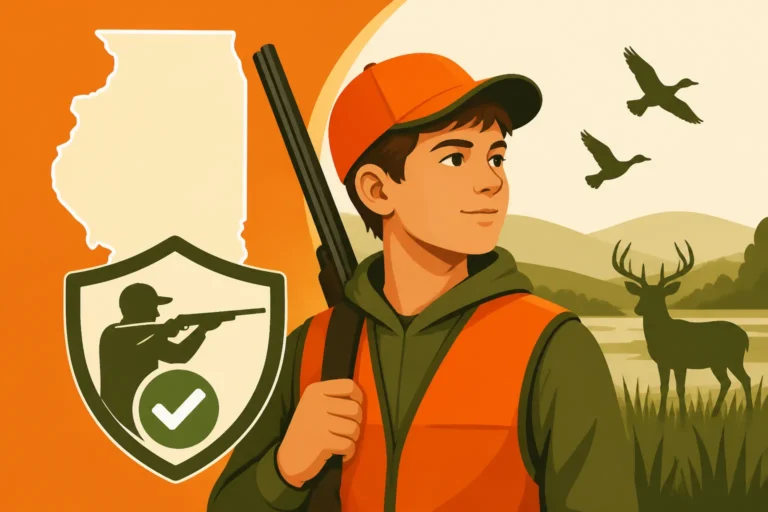
Navigating who can participate as a mentor and who can be a mentee is crucial. For the mentee, Illinois allows youth under the age of 18 to participate in the program. The beauty of it is that these young hunters do not need to have a Hunter Education Certificate until they turn 18 and decide to hunt unsupervised. This lowers the initial barrier to entry, making it easier for families to introduce kids to hunting. For the mentor, the requirements are straightforward but important: they must be at least 21 years of age, hold a valid Illinois hunting license and a State Habitat Stamp, and possess a valid Illinois Hunter Education Certificate. There's no getting around that hunter education for the mentor; it ensures they themselves have a solid foundation in safety and regulations. Furthermore, the mentor must have never had their hunting privileges suspended or revoked. This ensures that the person taking on this vital teaching role is truly responsible and knowledgeable. You can learn more about specific requirements in our detailed guide on Illinois Mentored Youth Hunting Rules.
General Supervision Requirements
The core principle guiding mentored youth hunting in Illinois is "direct supervision." This isn't just a suggestion; it's a legal requirement. In essence, it means the mentor must be close enough to the youth hunter to provide immediate, hands-on control and guidance at all times. This covers everything from weapon handling to ethical shot placement and understanding bag limits. It's about being actively engaged in the hunt with the youth, not merely being in the general vicinity. The mentor is ultimately responsible for ensuring the youth adheres to all hunting laws and safety protocols. This implies more than just visual contact; it suggests an active state of readiness to intervene, instruct, or take over if necessary.
Defining "Direct Supervision" in Illinois Hunting Regulations
The term "direct supervision" might sound simple, but its practical application can be a bit nuanced. Illinois regulations emphasize proximity, communication, and the ability to take immediate control. It's about ensuring that the mentor is an active participant in every decision and action the youth hunter takes in the field. This standard is put in place for the ultimate safety of the young hunter and those around them, as well as to promote ethical hunting practices from the very start.
The Critical Distance Requirement
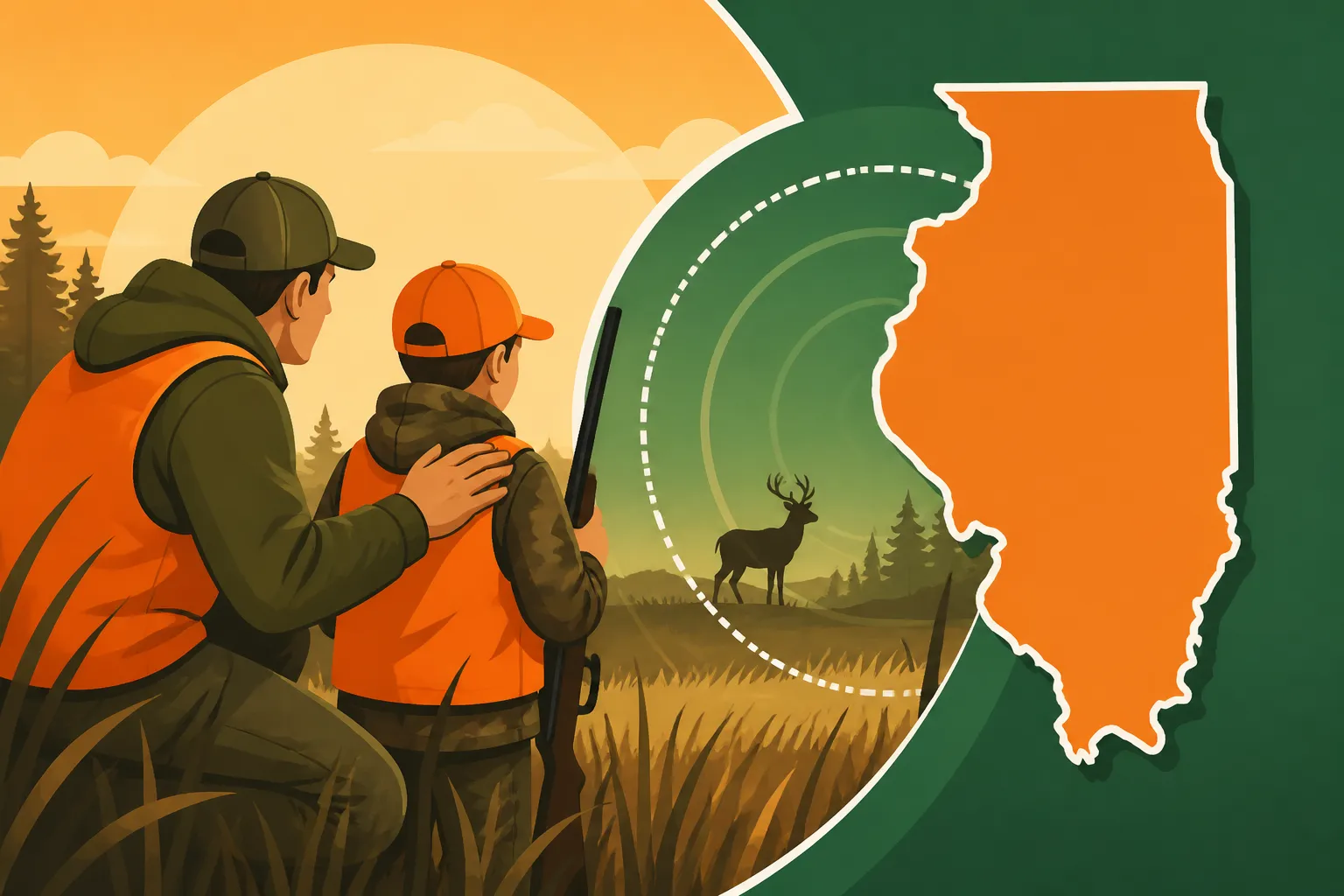
When we talk about "how close" an Illinois mentor must stay, the Illinois Department of Natural Resources (IDNR) typically defines "direct supervision" as the mentor being "within normal voice contact" and "immediately available to take control of the firearm or bow." This isn't a hard-and-fast number of feet, because terrain, weather, and hunting method can all affect what "normal voice contact" and "immediately available" truly mean.
Let's break that down:
- "Within normal voice contact": This means you should be able to speak to your mentee without shouting, and they should be able to hear you clearly. If you're in thick timber, this distance might be significantly less than in an open field. Wind, rain, or even background noise like a nearby stream can reduce this effective range. The idea is that you can give instructions, warnings, or advice in real-time.
- "Immediately available to take control": This is perhaps the most critical part. It implies that if a dangerous situation arises, or if the youth is about to make an unethical shot, you can physically intervene without delay. This means you can't be in a separate blind, over a ridge, or around a bend where it would take you more than a few seconds to reach the youth and their weapon. For example, if the youth is in a ground blind, you should be in that same blind, or at least directly adjacent to it, with an unobstructed path to them. If they are in a treestand, you should be in an adjacent stand, or perhaps even the same large two-person stand, ensuring you can grab the firearm or arrow if absolutely necessary. You can also explore options for Using a Ground Blind on Illinois Public Land for specific setups.
This critical distance ensures that safety is always paramount. It prevents situations where a young, less experienced hunter might make a snap decision that compromises safety or results in a wounded animal, simply because the mentor wasn't close enough to intercede.
Situational Awareness and Immediate Control
Beyond just physical proximity, "direct supervision" also demands constant situational awareness from the mentor. It's not enough to just be near; you need to be actively observing everything: the youth's movements, their target acquisition, the background, and their overall demeanor.
"Immediate control" means you possess the capability to:
- Stop a dangerous action: If the youth swings the firearm in an unsafe direction, you can instantly tell them to stop or physically redirect it.
- Prevent an unethical shot: If a deer is wounded, or if the shot opportunity isn't clear, you can tell them not to shoot or physically prevent the shot.
- Provide real-time instruction: You can whisper advice on breath control, target acquisition, or trigger squeeze as the moment unfolds.
- Take possession of the weapon: In a worst-case scenario, you can quickly and safely take the firearm or bow from the youth.
Consider a scenario: a young hunter is in a treestand, and the mentor is on the ground 50 yards away. While they might be in voice contact, is the mentor "immediately available to take control" if the youth fumbles the safety, or misidentifies a target? Probably not. The time it would take to ascend the tree or close the distance would likely be too long. This is why many mentors opt for a two-person treestand or adjacent stands within arm's reach for such situations. When planning your hunt, applications like GoHunt can be incredibly useful for marking stand locations and ensuring you're setting up appropriately close to your mentee, especially when thinking about wind direction and potential shot zones.
Legal Interpretations and Practical Examples
While the IDNR doesn't provide a precise "x feet" definition, the spirit of the law is consistently interpreted as demanding very close proximity and active engagement.
- Acceptable: A mentor and mentee sharing a large ground blind, sitting shoulder-to-shoulder, with the mentor actively watching the youth's aiming point. A mentor and mentee in adjacent treestands, perhaps 5-10 feet apart, allowing for clear communication and quick physical intervention.
- Questionable/Potentially Unacceptable: A mentor and mentee hunting from separate blinds that are 30 yards apart, even if they can yell to each other. A mentor leaving the mentee alone in a stand for "just a minute" to check a scrape line or relieve themselves. A mentor sitting in the truck while the youth hunts from a field edge. These situations, while perhaps seemingly innocent, would likely be deemed a violation of direct supervision because the mentor cannot exert immediate control.
The goal isn't just to avoid a ticket, but to genuinely educate and protect. If you wouldn't let your child cross a busy street alone, you shouldn't let them handle a loaded firearm or nocked arrow without your immediate, physical presence. Always err on the side of closer proximity.
Specific Scenarios: Different Hunting Methods and Terrain
The practical application of "direct supervision" can vary slightly depending on the type of hunting you're doing and the environment you're in. What works for a deer hunt from a ground blind might be different for a squirrel hunt in thick timber. Understanding these nuances is key to staying safe and compliant.
Archery and Crossbow Hunting
Archery and crossbow hunting often demand even closer proximity, mainly due to the nature of the weapon and the typically shorter shot distances involved. When a youth is learning to shoot a bow or crossbow, proper form, anchor points, and target acquisition are crucial. The mentor needs to be right there to guide their stance, release, and follow-through.
- Treestand Setups: For Crossbow Rules During Illinois Archery Season, a youth using a crossbow from a treestand might benefit from a large two-person stand or very closely positioned adjacent stands. This allows the mentor to physically assist with drawing, aiming, or safely lowering the weapon if needed. An errant shot with an arrow can be just as dangerous as with a firearm, and the mentor must be able to prevent it.
- Ground Hunting: If still-hunting or using a ground blind, the mentor should be right beside the youth, whispering instructions on shot angles, animal anatomy, and identifying shooting lanes. The quiet nature of archery means verbal communication needs to be subtle, and visual cues from the mentor are often more effective, requiring close presence. When you're scouting out potential spots, GoHunt's satellite imagery can help identify areas suitable for setting up two very close ground blinds or a spacious two-person blind, ensuring clear sight lines and easy communication.
Firearm Hunting for Deer and Other Big Game
Firearm hunting brings its own set of safety considerations that mandate stringent direct supervision. The power and range of firearms mean mistakes can have serious consequences.
- Visibility and Communication: When hunting deer, especially during Illinois's Two Firearm Deer Seasons, visibility is often key. The mentor and youth should be positioned so both have a clear field of view, but also so the mentor can constantly monitor the youth's firearm handling. If the youth is in a box blind, the mentor should be in the same blind. If they're hunting from separate but close ground blinds, ensure the blinds are designed for easy, immediate movement between them.
- Blaze Orange Requirements: Remember, during firearm seasons, both the mentor and the youth must adhere to Illinois Blaze Orange Requirements. This is a critical safety measure, especially when moving through cover. The mentor should use the opportunity to explain why blaze orange is so important for visibility and safety, not just for legal compliance.
- Movement and Stalking: If you're still-hunting or slowly moving through the woods, the mentor should be immediately behind or beside the youth, guiding their steps, pointing out obstacles, and ensuring the firearm is carried safely (muzzle pointed in a safe direction, safety on). This isn't a situation where the youth leads the way far ahead.
Small Game and Upland Bird Hunting
Small game hunting, like rabbit or squirrel hunting, or upland bird hunting, often involves more movement and potentially more dynamic situations. Even here, direct supervision is required, though its execution might look slightly different.
- Walking the Fields: If you're walking fencerows for rabbits or pheasants, the mentor should walk alongside the youth, perhaps a step or two behind, constantly watching their gun muzzle, checking the swing, and calling out game. It's an active coaching role. Using a GPS app like GoHunt can help you track your path and ensure you're not getting separated in tall cover, which can be easy to do.
- Tree Stand/Ground Blind for Squirrels: If hunting squirrels from a static position, such as sitting against a tree or in a small ground blind, the mentor should be in the exact same position as the youth. This allows for whispering instructions, helping identify hidden squirrels, and ensuring safe shot angles into trees. The mentor can also teach the youth about Squirrel Hunting Illinois Bottomland Hardwoods and how to spot them.
- Dog Hunting: If hunting with dogs, the excitement can be high. The mentor must remain focused on the youth's safety and firearm handling, even as the dogs work. This often means staying very close, especially when a flush or shot opportunity arises.
Beyond the Letter of the Law: Responsible Mentorship Practices
While understanding the exact regulations is vital, true mentorship goes far beyond just legal compliance. It’s about cultivating responsible, ethical hunters and fostering a deep appreciation for wildlife and conservation. A great mentor doesn't just supervise; they teach, inspire, and lead by example.
Prioritizing Safety Over Opportunity
This is perhaps the most critical aspect of youth hunting mentorship. There will be times when a perfect shot opportunity presents itself, but the situation might be marginally unsafe for the young hunter. A responsible mentor will always choose safety over bagging an animal. This might mean:
- Passing on a shot: If the background isn't clear, if the deer is moving too fast, or if the youth is clearly not comfortable, the mentor should instruct them to hold fire, even if it means no deer for the day. This teaches patience, judgment, and ethical considerations.
- Reinforcing firearm etiquette: Consistently reminding the youth about muzzle control, trigger discipline, positive identification of the target, and awareness of the surroundings. This repetition builds good habits.
- Emphasizing the experience: Focus on the other aspects of the hunt – observing nature, tracking sign, enjoying the camaraderie – rather than solely on the harvest. This helps reduce pressure on the young hunter and promotes a healthier perspective on hunting success.
It's about making sure that the joy of the hunt isn't overshadowed by anxiety or, worse, an accident. The memory of a safe, positive experience will last far longer than any trophy.
Communication and Active Teaching
A mentor's role is not passive. It requires constant, clear communication and active teaching. This isn't just about pointing out deer; it's about explaining why deer are there, how they move, and what makes a good shot.
- Pre-Hunt Briefings: Before even heading to the field, discuss the plan, safety rules, what to expect, and potential scenarios. Talk about Scouting Illinois Public Land Before Season and how that planning translates to the hunt.
- During the Hunt: Narrate the experience. "See that rub? A buck made that. What does that tell us?" "The wind is shifting, we need to adjust our approach." "Watch how that squirrel moves up the tree; where should you aim?" This active dialogue turns every moment into a learning opportunity.
- Post-Hunt Debriefings: After the hunt, discuss what went well, what could have been done differently, and reinforce lessons learned. Whether it was a successful harvest or a missed opportunity, there's always something to review. This open dialogue reinforces trust and facilitates deeper learning. For instance, you can talk about the importance of Blood Trailing After Dark in Illinois if a shot deer requires extensive tracking.
Utilizing Technology and Resources
Modern technology can be a powerful ally for mentors. While it doesn't replace in-person supervision, it can enhance preparation, safety, and learning.
- Mapping Applications: Apps like GoHunt or similar platforms provide invaluable tools. You can mark your exact stand locations, plot safe entry and exit routes, identify property boundaries to avoid trespassing, and even share these maps with your mentee so they can visualize the hunt plan. This is especially helpful when Reading Aerial Photos for Southern Illinois Deer to find good spots.
- Weather Apps: Always check the weather conditions beforehand. Cold, wet, or excessively windy conditions can make it harder for a young hunter to stay focused and comfortable, potentially impacting safety.
- DNR Resources: The Illinois Department of Natural Resources (IDNR) website and their mobile app are packed with current regulations, season dates, and public land maps. Using these resources with your mentee teaches them how to be informed, self-sufficient hunters as they grow. This also helps them understand crucial information like Illinois Deer Season Structure Explained or Illinois Hunting Licenses and What They Cost.
By combining strict adherence to direct supervision rules with responsible, proactive mentorship, you're not just ensuring a legal hunt, but you're laying the foundation for a future generation of ethical, safe, and passionate outdoors enthusiasts in Illinois.
Illinois Mentored Youth Hunting at a Glance
| Feature | Mentor Requirements | Mentee Requirements | Direct Supervision Definition | Key Emphasis |
|---|---|---|---|---|
| Age | 21+ years old | Under 18 years old | Within normal voice contact | Safety, Education, Ethical Practice |
| Licenses/Certifications | Valid IL Hunting License, Habitat Stamp, Hunter Ed Cert. | No Hunter Ed Cert. needed until 18+ (unsupervised) | Immediately available to take control of weapon | Active observation & real-time intervention |
| Previous Violations | No history of suspended/revoked hunting privileges | N/A | Mentor is physically present and engaged | Responsibility and accountability |
| Purpose | Teach, guide, ensure safety | Learn, experience, develop skills | Ability to stop dangerous action or prevent unethical shot | Mentorship goes beyond legal minimums |
Disclaimer
The information provided in this guide is for general informational purposes only and does not constitute legal advice. Hunting regulations in Illinois are subject to change, and it is the hunter's responsibility to consult the most current Illinois Department of Natural Resources (IDNR) hunting regulations and statutes before engaging in any hunting activities. Always prioritize safety and ethical practices above all else.