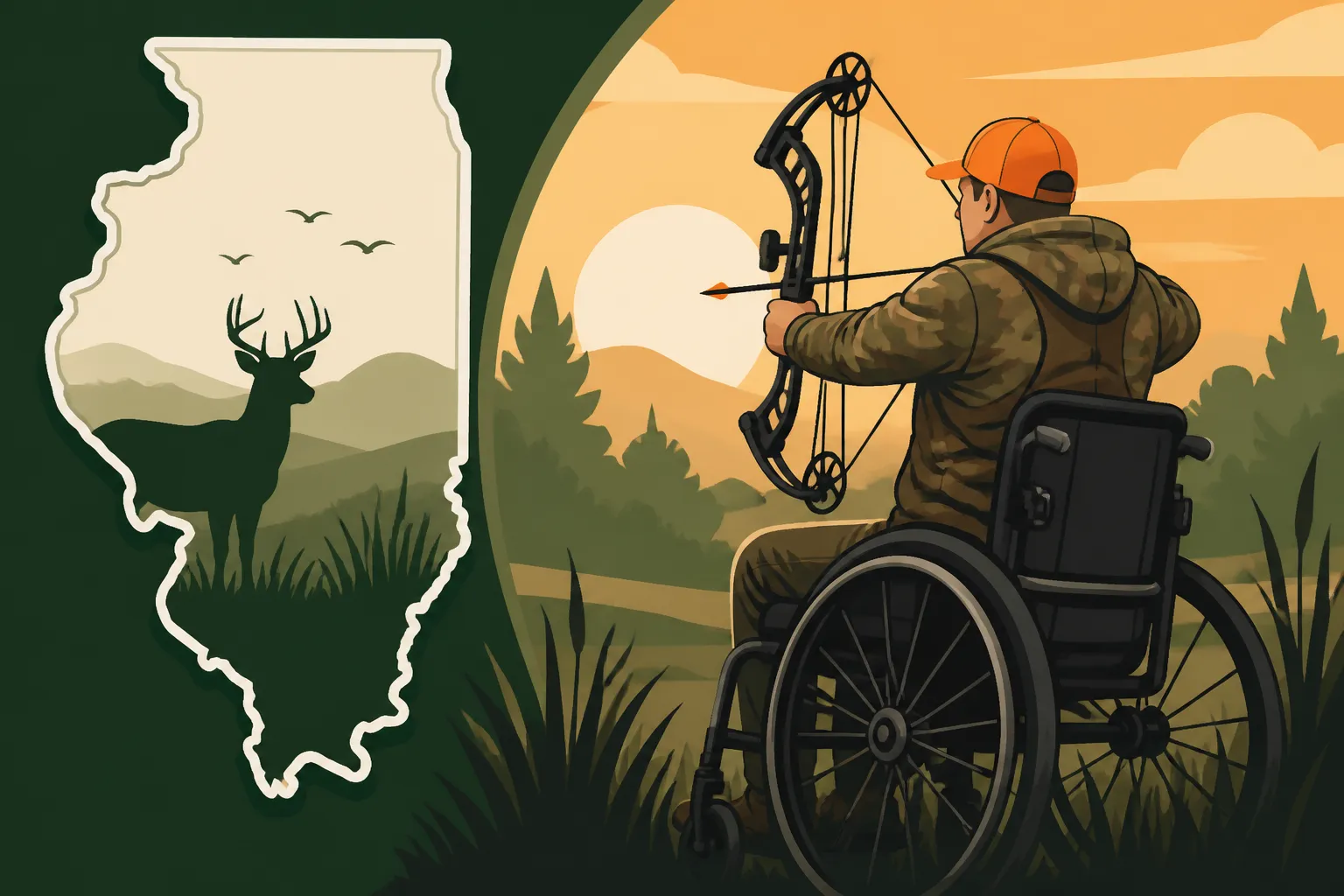
Illinois Disability Hunting Permits
For many hunters, the call of the wild is a deep-seated part of their identity, a tradition passed down through generations. But when physical disabilities enter the picture, what once felt effortless can become a formidable challenge, leaving many wondering if their days afield are over. The good news is, Illinois understands these barriers and offers specific disability hunting permits and accommodations designed to help hunters with disabilities continue to enjoy the sport they love. This guide aims to shed light on these vital resources, helping you navigate the system and get back into the field.
Understanding Illinois Disability Hunting Permits
Hunting with a disability in Illinois doesn't mean you're left to fend for yourself; the state has provisions in place to ensure accessibility and continued participation. It's not about special favors, but about leveling the playing field so everyone has a fair shot at experiencing the outdoors. Knowing the ins and outs of these permits is your first step towards a successful hunt.
Who Qualifies for a Disability Permit?
The Illinois Department of Natural Resources (IDNR) recognizes various conditions that can significantly impair a hunter's ability to participate in traditional ways. It's not just about mobility; other physical limitations are also considered. Generally, eligibility for a permanent disability card, which opens the door to several accommodations, requires certification from a licensed physician. This certification must clearly state that you have a permanent physical disability that substantially restricts your ability to perform tasks necessary for hunting without assistance or special accommodations. This could include conditions like severe mobility impairment requiring the use of a wheelchair, crutches, or a walker, significant loss of limb function, or other permanent physical limitations.
It's crucial to understand that "permanent" is a key word here. Temporary injuries, while frustrating and debilitating, typically don't qualify for these long-term permits. The IDNR is looking for chronic conditions that necessitate ongoing accommodations. This also means you'll need to keep up with any state requirements for maintaining that certification, ensuring your permit remains valid over time. When you're managing a condition that already takes a lot of energy, the last thing you need is a bureaucratic hurdle, so understanding the initial requirements can save a lot of headaches later on.
Specific Permit Types and What They Allow
Illinois offers a range of specific permits and programs tailored to different needs. The main conduit for many accommodations is the Illinois Permanent Disability Card. Once you have this card, it can grant you access to various allowances that make hunting more feasible. For instance, cardholders may be eligible for certain exceptions to general hunting rules, such as using a crossbow during the regular archery season when not otherwise permitted, or hunting from a stationary vehicle in designated areas, which is usually strictly prohibited.
Beyond the general disability card, there are often specific programs, like mobility-impaired deer hunts or dedicated hunting blind sites on public lands. These specialized opportunities often have their own application processes and deadlines. For example, some sites might host specific quota hunts where hunters with mobility impairments are given priority or dedicated access to areas designed with accessibility in mind. It's worth looking into these programs directly with the IDNR or the specific site you plan to hunt. The goal here is to remove barriers, not create new ones, so these permits are truly designed to be enabling.
| Permit Type | Eligibility (General) | Key Accommodations (Examples) | How to Apply |
|---|---|---|---|
| Permanent Disability Card | Certified permanent physical disability by physician | Exemptions for some equipment (e.g., crossbows), static vehicle use | Application form + physician's statement to IDNR |
| Mobility-Impaired Deer Hunt | Specific mobility impairment, often requires card | Designated accessible hunt sites, special blind access | Site-specific application, often lottery-based |
| Adaptive Equipment Exemptions | Permanent Disability Card holder | Use of certain equipment normally restricted (e.g., specific crossbow rules) | Varies by specific regulation, often tied to permanent card |
| Designated Accessible Sites | Permanent Disability Card holder (often implied) | Access to ADA-compliant blinds, improved trails | Check with specific public land site for details |
The Application Process for Disability Permits
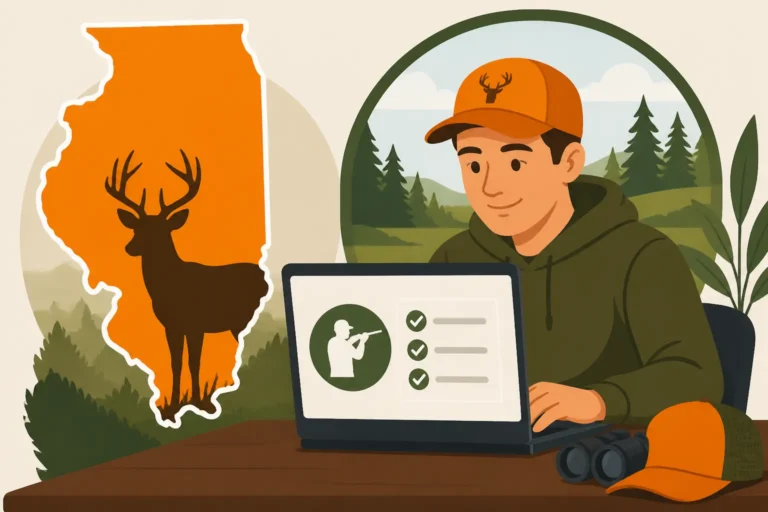
Applying for a disability hunting permit in Illinois involves a few key steps to ensure everything is above board. First, you'll need to obtain the official application form from the IDNR website or a local IDNR office. This form typically requires your personal information and details about your disability. The most critical part of this application is often the medical certification section, which must be completed and signed by a licensed physician. This doctor's statement needs to clearly describe your permanent physical disability and how it affects your ability to hunt in conventional ways.
Once you have the completed form and the physician's certification, you'll submit it to the IDNR. It's always a good idea to make copies of all your documentation for your records before sending it off. The IDNR will review your application, and if approved, you'll receive your Permanent Disability Card. This card is your proof of eligibility and should be carried with you whenever you are hunting in Illinois, just like your other Illinois Hunting Licenses and What They Cost. Remember, different specific programs or hunts might have additional application steps or deadlines, so always check the details for any particular opportunity you're interested in. The GoHunt platform can be a fantastic resource for researching various permits and application windows, especially if you're looking to plan ahead for a specific season.
Navigating Hunting with a Disability in Illinois
Once you've secured your necessary permits, the next step is understanding how these accommodations translate into real-world hunting scenarios. Illinois has made strides in making the outdoors more accessible, but it still requires some thoughtful planning to make the most of your hunting experience.
Accessible Hunting Areas and Facilities
Finding accessible hunting spots is a common concern for hunters with disabilities. Illinois offers numerous public lands, including State Fish and Wildlife Areas and parts of the Shawnee National Forest, that strive to provide accessible options. Many of these sites, especially those with managed hunts, have designated accessible hunting blinds or areas with improved trails suitable for wheelchairs or other mobility aids. Before you head out, it's always wise to call the specific site superintendent or check their online resources. A quick call can save you a lot of frustration, confirming things like ADA-compliant facilities, paved access roads, or even specific designated parking for disabled hunters.
It’s not just about the permit that allows you to hunt from a vehicle; it’s about where that’s practically possible and legally allowed. Some public hunting grounds have vehicle rules on Illinois public land that prohibit off-road travel, even for those with disability permits, unless it’s in a designated area. Therefore, leveraging resources like the Illinois DNR Map Tool, which can often highlight accessible features or specific rules for each site, is incredibly helpful. These details can be the difference between a frustrating trip and a successful one, especially when you consider the varied terrain across the state.
Adaptive Equipment and Methods Allowed
The Permanent Disability Card really opens up possibilities regarding adaptive equipment and hunting methods. One of the most frequently asked questions revolves around Crossbow Rules During Illinois Archery Season. For hunters with a permanent disability card, a crossbow can often be used during the entire archery season, even if state rules generally restrict their use to specific periods or for specific ages. This is a huge advantage, as many physical disabilities can make drawing and holding a traditional compound or recurve bow incredibly difficult, if not impossible.
Beyond crossbows, permits can also allow for other adaptive methods. For example, some hunters with severe mobility limitations might be permitted to hunt from a stationary vehicle on certain public lands or private properties with landowner permission, which is typically forbidden. Others might use specialized ground blinds that accommodate wheelchairs or have wider entryways. The key is that these accommodations are designed to make hunting possible and safe, not to give an unfair advantage. When considering adaptive equipment, always ensure it complies with IDNR regulations and that your disability permit explicitly covers its use. Consulting with organizations like GoHunt, which often highlights products and strategies for hunters with unique needs, can provide additional insights into available adaptive gear.
Mentored Youth Hunting and Caregiver Assistance
Hunting is often a family tradition, and having a disability shouldn't stop you from passing that passion on. Illinois has robust Illinois Mentored Youth Hunting Rules in place that can indirectly benefit disabled hunters who wish to introduce new, younger hunters to the sport. While these rules primarily focus on the youth, they highlight the importance of mentorship and assistance. For a disabled hunter who still wants to be out in the field, even if their direct participation is limited, guiding a mentored youth can be incredibly rewarding.
Moreover, if your disability requires assistance, an able-bodied companion or caregiver can often accompany you in the field. This person can help with tasks such as tracking game, setting up blinds, or retrieving harvested animals. It's crucial that this assistance remains within legal bounds; the caregiver should not be hunting or interfering with the hunt in a way that is prohibited for non-disabled hunters, unless they too are properly licensed and participating legally. The purpose is to facilitate your hunt, not to have someone else hunt for you. During the Illinois Youth Deer Season Rules or Hunting the Illinois Youth Deer Weekend, a disabled mentor can provide invaluable guidance, sharing their knowledge and passion, even if the physical exertion is left to the youth hunter.
Important Regulations and Considerations
While disability permits open doors, they come with their own set of rules and responsibilities. Staying informed about these specific regulations is paramount to ensure you're always hunting legally and ethically in Illinois.
Combining Disability Permits with Other Tags
A common question among disabled hunters is how their disability permit interacts with standard hunting tags. In Illinois, your Permanent Disability Card generally allows for accommodations in conjunction with your otherwise valid hunting licenses and permits. For instance, if you have an Illinois disability card and a regular archery deer permit, you might be able to use a crossbow during times when other archers cannot, but you still need that archery deer permit to legally harvest a deer. The disability permit enhances your ability to hunt but doesn't replace the need for species-specific tags.
Similarly, if you're participating in a special mobility-impaired deer hunt, you'll still need the appropriate deer permit for that season and location. It's vital to read the specific rules for each hunt or permit, as they can vary. Sometimes, a special hunt might issue its own permit, or it might require you to use one of your regular statewide permits. Always ensure you understand the full suite of requirements for each hunting opportunity. Don't assume that one permit covers all bases; often, the disability card is an add-on to your existing license and permit framework.
Renewal and Reporting Requirements
Just like any other official document, your Illinois Permanent Disability Card might have renewal requirements. While the "permanent" in the name implies long-term validity, it's always best to verify the expiration date and any associated renewal processes with the IDNR. Regulations can change, and it’s your responsibility to keep your permits current. Forgetting to renew could lead to unfortunate legal issues in the field.
Furthermore, harvest reporting requirements for hunters with disabilities are generally the same as for able-bodied hunters. If you harvest a deer, turkey, or other game animal that requires reporting, you must do so within the specified timeframe, usually through the IDNR website or app. This data is crucial for wildlife management, and your disability status does not exempt you from this responsibility. Making sure you understand how to use tools like the Illinois DNR App Without Cell Service, especially if you're in remote areas, is important for prompt and accurate reporting.
Common Challenges and Solutions for Disabled Hunters
Despite the progress in accessibility, hunters with disabilities still face unique challenges. One of the primary frustrations can be finding truly accessible terrain, especially in vast public lands like the Shawnee National Forest, where the landscape can be rugged. While designated accessible sites exist, many prime hunting areas remain difficult to navigate for those with mobility issues. A great solution here is thorough pre-season scouting, perhaps utilizing aerial maps and digital tools like GoHunt, to identify promising spots that might be flatter or have easier access routes. Calling ahead to site managers for current conditions is also invaluable.
Another challenge can be unexpected equipment failures or needing assistance far from roads. Always hunt with a reliable companion who understands your needs and has a plan for emergencies. Carry a fully charged phone, a first-aid kit, and communicate your hunting location and estimated return time to someone not in the field. Local hunting clubs and organizations, some of which specialize in adaptive hunting, can also be a fantastic source of support, sharing knowledge about accessible areas and even organizing group hunts. These communities can provide both practical advice and emotional encouragement, making the journey much less daunting.
Disclaimer
The information provided in this guide is intended for general informational purposes only and does not constitute legal advice. Hunting regulations in Illinois are subject to change, and specific interpretations may vary. It is the sole responsibility of the individual hunter to consult the most current Illinois Department of Natural Resources (IDNR) regulations and guidelines, obtain all necessary permits and licenses, and ensure full compliance with all applicable laws before engaging in any hunting activities. Always prioritize safety and ethical hunting practices.