Illinois Waterfowl on the Mississippi Flyway
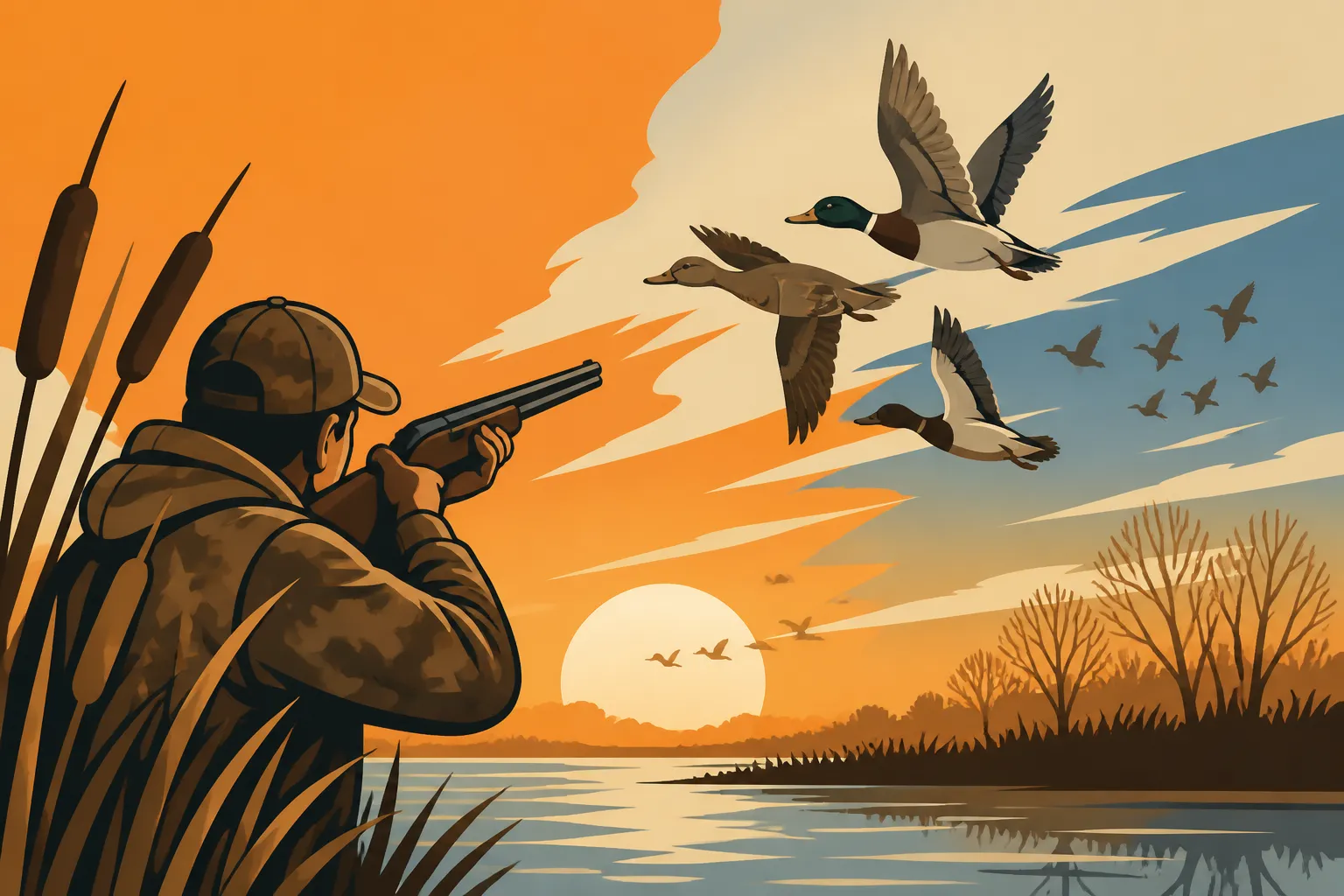
For many hunters, the call of waterfowl against a crisp Illinois sunrise isn't just a sound; it's a deep-seated tradition, a challenging pursuit, and often, a test of patience against changing weather and migrating birds. The dream of greenheads dropping into a spread or a flock of Canadas cupping wings over a cut field is what drives us, but understanding the nuances of these incredible birds on the mighty Mississippi Flyway is crucial to success. This comprehensive guide will navigate you through the incredible world of Illinois waterfowl, from species identification and migration patterns to hunting strategies and conservation.
The Mighty Mississippi Flyway: Illinois's Waterfowl Highway
Illinois sits smack dab in the middle of one of the world's most significant avian highways – the Mississippi Flyway. This isn't just a casual path; it's a vital corridor funneling millions of waterfowl from their northern breeding grounds in Canada and the northern U.S. down to their wintering habitats in the southern states and beyond. For hunters in Illinois, this strategic location means incredible opportunities, but also the responsibility to understand the movements and needs of these birds.
The Flyway's Geographic Significance
Imagine a vast, invisible river in the sky, stretching from the Arctic tundra all the way down to the Gulf of Mexico. That's essentially the Mississippi Flyway, a broad path defined by major river systems, lakes, and wetlands that provide critical resting, feeding, and breeding grounds. The Mississippi River, and its major tributary, the Illinois River, form the backbone of this flyway through our state. These sprawling river systems, often accompanied by expansive floodplains, backwater lakes, and agricultural fields, create an irresistible magnet for migrating ducks and geese. The sheer volume of water and diverse habitat types, from shallow marshes to deep river channels, caters to a wide array of waterfowl species. This geographical funneling effect concentrates birds, making Illinois a crucial stopover point.
Illinois's Pivotal Role in the Migration
Our state acts as a critical bottleneck along the Mississippi Flyway. As cold fronts push south, birds from Manitoba, Saskatchewan, and even further north, find their way to Illinois. The timing of these movements, often referred to as Illinois Waterfowl Migration Timing, is heavily influenced by weather patterns to our north. When ice forms on northern waters, the birds are forced to move, and Illinois often offers open water and abundant food sources. This makes us a temporary home for millions of ducks, geese, and swans each autumn and winter. The rich agricultural landscape, particularly vast fields of corn and soybeans, provides high-energy food sources that are essential for waterfowl to refuel for the remainder of their journey, or to sustain them if they choose to winter here. This abundance of food and water solidifies Illinois's reputation as a top-tier waterfowl destination.
Historical Perspective of Waterfowl in Illinois
Waterfowl hunting in Illinois isn't a recent phenomenon; it's deeply woven into the state's fabric. Generations have flocked to the Illinois River and Mississippi River bottoms, drawn by the incredible flights. In the late 19th and early 20th centuries, market hunting was prevalent, and conservation efforts were still in their infancy, leading to significant declines in waterfowl populations. However, thanks to the tireless work of conservationists, organizations like Ducks Unlimited, and federal programs like the Migratory Bird Hunting and Conservation Stamp (the "Duck Stamp"), populations have rebounded significantly. Today, the Illinois Department of Natural Resources (IDNR) works closely with federal agencies to monitor populations, manage habitat, and set regulations for Illinois Waterfowl Zones and Seasons, ensuring sustainable hunting opportunities for future generations. Understanding this history helps us appreciate the resources we have and the ongoing efforts to protect them.
Key Waterfowl Species You'll Find in Illinois
Illinois hosts an incredible diversity of waterfowl throughout the hunting season, each with its own habits, habitat preferences, and challenges for hunters. Knowing the differences between dabblers, divers, and the various goose species is fundamental to successful hunting and proper identification in the field.
Dabbling Ducks: The Marsh and Field Feeders
Dabblers, also known as "puddle ducks," are often the bread and butter of Illinois duck hunting. These birds feed by "dabbling" or tipping up in shallow water, rarely diving completely. They prefer marshes, flooded timber, shallow ponds, and flooded agricultural fields. Their diet primarily consists of seeds, grains, and aquatic invertebrates found near the surface. The king of the dabblers in Illinois is undoubtedly the Mallard, known for the drake's iconic green head and its loud, recognizable "quack." You'll find Mallards and Geese on the Illinois River in huge numbers, especially during the peak migration.
Beyond the Mallard, other common dabblers include the sleek Pintail, often identified by the drake's long central tail feathers; the American Wigeon, a whistling duck known for its white belly flash in flight; and the various Teal species (Green-winged and Blue-winged), which are smaller, incredibly fast, and provide exciting early-season action. Gadwalls, with their subtly beautiful plumage and dark rump, are also frequent visitors. These species are typically less wary than divers and often respond well to calls and smaller decoy spreads in flooded fields or shallow wetlands.
Diving Ducks: The Deep Water Specialists
Diving ducks present a different kind of challenge, preferring larger, deeper bodies of water like major rivers, large lakes, and open reservoirs. Unlike dabblers, they fully submerge themselves to feed on aquatic plants, mollusks, and fish. They are often characterized by their compact bodies and feet set further back, making them powerful underwater swimmers but more awkward on land. Common diving ducks in Illinois include the various Scaup (Greater and Lesser, often called "bluebills"), which raft in large numbers on open water. Canvasbacks, with their sloped profile and chestnut heads, are highly prized by hunters and are often found in huge concentrations on the Illinois River, especially during colder weather.
Redheads, similar in shape to Canvasbacks but with a rounder head, are also common. Buffleheads, small and flashy black and white ducks, and Goldeneyes, with their striking yellow eyes, are often found along river channels and larger open water bodies. Hunting divers often requires larger, more visible decoy spreads, sometimes in rougher water, and a willingness to brave the colder conditions that push these birds south. Understanding their flight patterns, often in tight, fast-moving groups low over the water, is key to success. You might find yourself on the edge of a deep pool in the Illinois River valley doing some serious Diver Hunting on the Illinois River for these species.
Geese and Swans: The Sky's Larger Giants
When it comes to larger waterfowl, Illinois is synonymous with Canada Geese. These intelligent, wary birds are found throughout the state, from the northern metro areas to the southern refuges. We have both resident populations that breed here and vast migratory flocks that arrive from Canada. Learning the various subspecies, from the giant Canadas to the smaller "cacklers," can be a lifelong pursuit. Early Goose Season Tactics in Illinois often focus on these resident birds before the big pushes from the north arrive. Canada Geese on Illinois Farmland are a common sight, as they utilize corn and bean fields extensively for food.
Beyond the familiar Canada Goose, Illinois also sees significant numbers of Snow Geese and Ross's Geese, especially in the central and southern portions of the state during late winter. These white geese often migrate in immense, noisy flocks that can darken the sky. Their hunting can be incredibly challenging, requiring massive decoy spreads and specialized calling techniques. Though typically protected, a limited number of Tundra Swans also pass through Illinois, majestic birds that are a sight to behold but are not legal game. Understanding the migration of these larger birds means often braving the bitterest cold, as they tend to push south ahead of the truly severe weather.
| Species Group | Common Illinois Species | Habitat Preference | Feeding Method | Key ID Feature |
|---|---|---|---|---|
| Dabbling Ducks | Mallard, Pintail, Wigeon, Green-winged Teal, Blue-winged Teal, Gadwall | Shallow marshes, flooded fields, shallow ponds, flooded timber | Tip-up, dabble | Mallard drake's green head; Pintail's long tail; Teal's small size, quick flight |
| Diving Ducks | Canvasback, Redhead, Scaup (Bluebill), Ring-necked Duck, Bufflehead, Goldeneye | Large rivers, deep lakes, open reservoirs, deep backwaters | Fully submerge/dive | Canvasback's sloped profile; Redhead's rounded head; Bufflehead's small size, bold pattern |
| Geese | Canada Goose, Snow Goose, Ross's Goose | Agricultural fields, large bodies of water, open wetlands | Graze, dabble in shallow water | Canada Goose's black neck/white cheek patch; Snow Goose's white body/black wingtips |
Understanding Migration Patterns and Timing
Successful waterfowl hunting in Illinois is intrinsically linked to understanding the ebb and flow of migration. It's not a static event but a dynamic process influenced by weather fronts, food availability, and the internal biological clocks of the birds themselves. Missing the peak migration can mean drastically different hunting experiences.
Early Season Arrivals and Local Birds
When Illinois's waterfowl seasons first open, typically in late September or early October for many zones, the hunting primarily focuses on local birds and the earliest southbound migrants. These are often ducks that have bred in Illinois or nearby states, as well as some early-arriving Green-winged Teal, Wood Ducks in Illinois River Bottoms, and resident Canada Geese. Local birds tend to be less wary than their northern counterparts, as they haven't faced significant hunting pressure yet.
Hunting during this period often involves targeting flooded timber, smaller wetlands, and river backwaters that hold these early birds. The weather is generally milder, and camouflage might focus more on green and brown tones. This is a fantastic time for hunters to knock off the rust, get their dogs tuned up, and enjoy pleasant conditions before the deep cold sets in. However, these local populations can also be quite scattered, and scouting is paramount to finding concentrated numbers of birds.
The Mid-Season Peak: Northerly Fronts
The true excitement of Illinois waterfowl hunting often begins when the first significant cold fronts sweep down from the north, usually from late October through November. This is when the main push of migratory birds, especially large numbers of Mallards and Geese, starts to pour into the state. As temperatures drop and ice begins to form on shallow waters in Canada and the northern U.S., these birds are forced to migrate, making Illinois a prime destination.
During this mid-season peak, hunting opportunities explode. Fields become crucial feeding grounds, and major river systems like the Illinois and Mississippi become bustling waterfowl hubs. This is when you'll see massive flocks of ducks trading between roosts and feeding areas, and Canada Geese on Illinois Farmland in huge numbers. Hunters often employ larger decoy spreads, more aggressive calling, and focus on securing prime locations along major flight paths or near preferred feeding grounds. A good understanding of weather patterns and frontal systems is vital here; tracking these pushes is what can make or break a hunt during this crucial window. Tools like the GoHunt app can be particularly useful during this time, allowing hunters to check weather, migration reports, and even public land boundaries to maximize their mid-season strategy.
Late Season Stays and Wintering Populations
As December gives way to January, the late season brings its own unique challenges and rewards. By now, many of the more northerly birds have continued their journey south, but Illinois often holds significant wintering populations, particularly of Mallards and Canada Geese, if open water and food sources remain available. The weather can be brutally cold, with ice becoming a major factor on smaller wetlands and even parts of the big rivers.
Hunting during the late season often means focusing on areas with flowing water that resists freezing, such as river channels, spring-fed ponds, or managed areas where open water is maintained. Decoy spreads might need to be larger and more visible against snow-covered landscapes. Birds are incredibly wary at this point, having faced months of hunting pressure, so concealment, minimal movement, and realistic calling are paramount. Retrieving a deer from a river bottom or simply enduring the elements requires a different level of preparedness. The Illinois Duck Harvest Numbers during this period are often lower but can include some of the most memorable hunts, characterized by hardcore dedication and the pursuit of truly seasoned birds.
Prime Waterfowl Hunting Regions in Illinois
Illinois offers a diverse landscape for waterfowl hunters, with distinct regions presenting unique opportunities and challenges. Understanding these regional differences can greatly influence your scouting efforts and hunting strategy.
The Illinois River Valley: A Duck Hunter's Mecca
No discussion of Illinois waterfowl hunting is complete without revering the Illinois River Valley. This region, stretching from just southwest of Chicago down to where the Illinois River meets the Mississippi near Grafton, is legendary. Its vast floodplains, backwater lakes, sloughs, and managed wetlands create an unparalleled haven for ducks, especially Mallards, Pintails, and Canvasbacks. The rich bottomland soils produce abundant natural foods, and the adjacent agricultural fields provide critical carbohydrate sources.
Hunting here often means navigating complex systems of private duck clubs, managed public waterfowl areas, and expansive open river. Iconic areas like Havana, Pekin, and Rice Lake are synonymous with incredible duck hunting history. Success in the Illinois River Valley often hinges on knowing water levels, understanding bird movements between feeding and roosting areas, and being able to adapt to varying conditions. Many hunters here utilize permanent pit blinds or elaborate blind setups, often requiring boat access. For a serious duck hunter, experiencing a peak migration day in the Illinois River Valley is a bucket-list item. You'll find yourself needing to know how to efficiently move around, possibly even Reading a River Bottom Slough for a Morning Flight.
The Mississippi River Backwaters and Floodplains
The mighty Mississippi River, forming Illinois's western border, offers another incredible waterfowl hunting experience. Its expansive backwaters, islands, and floodplains provide immense habitat for ducks and geese, particularly in the pooled sections created by dams. This area is a major thoroughfare for the entire Mississippi Flyway. Hunters can find success targeting flooded timber, extensive marsh systems, and sandbar complexes.
Hunting the Mississippi often involves more open water and larger expanses, making layout boat hunting or elaborate floating blinds more common in certain areas. Species diversity can be high, including a mix of dabblers and divers, as well as significant numbers of Canada Geese and even Snow Geese during late season. Access can vary, with numerous public access points, conservation areas, and state parks offering opportunities. The challenge here often comes from the sheer scale of the river, requiring extensive scouting and navigation skills, but the rewards can be incredible. Learning about Hunting Mississippi River Backwater Sloughs is essential for those looking to tap into this immense resource.
Central and Southern Illinois Farmland Ponds and Pits
While the major rivers capture most of the spotlight, don't underestimate the role of central and southern Illinois farmland. This region, characterized by rolling hills, expansive agricultural fields, and countless farm ponds and small wetlands, offers excellent opportunities, especially for Canada Geese and field-feeding ducks. Many geese, particularly Canada Geese on Illinois Farmland, will leave larger bodies of water to feed in cut corn or soybean fields, making field hunting a highly effective strategy.
Hunters often utilize permanent pit blinds or Layout Blind Hunting Illinois Farm Fields, setting up large spreads of full-body goose decoys. Duck hunting on smaller ponds can also be productive, especially during colder weather when these water bodies may be the only open water available. Gaining access to private land in these areas is often key, but dedicated public waterfowl areas and state sites also exist. The advantage of these smaller, often overlooked spots is that they can sometimes hold birds that are less pressured than those on the major river systems. Patience, permission, and good scouting are the keys to unlocking the potential of these vital farmland habitats.
Essential Gear and Decoy Strategies for Illinois Waterfowl
Waterfowl hunting is an equipment-intensive pursuit, and having the right gear, combined with effective decoy strategies, is paramount to success in Illinois's varied conditions. From cold, driving rain to bitter wind, your equipment needs to be up to the task.
Decoy Spreads for Different Species and Scenarios
Decoys are your silent partners in the blind, and choosing the right spread for the species you're targeting and the conditions you're hunting in is crucial. For dabbling ducks in flooded timber or shallow marshes, a spread of 1-3 dozen mallard decoys, often mixed with a few pintails or wigeon, can be very effective. Placement should aim for a natural look, with an open landing zone "hole" directly in front of your blind. Motion decoys, like spinning-wing Mojo models, can add realism and visibility, especially on calm days.
For diving ducks on open water, larger spreads are often necessary due to the vastness of their habitat. Hundreds of decoys, often a mix of Canvasbacks, Redheads, and Scaup, are not uncommon on big rivers or lakes. Diver Hunting on the Illinois River often involves large, dense blocks of decoys visible from a long distance. For geese, especially Canada Geese on Illinois Farmland, full-body field decoys are highly effective, mimicking a feeding flock. Spreads can range from a few dozen to several hundred, with smaller "family groups" and a clear landing zone. During late season for Snow Geese, hunters often deploy spreads of 500+ white rags or silhouettes to attract these massive flocks. The key is always to create a welcoming, natural-looking invitation for birds to land.
Blinds, Boats, and Staying Concealed
Concealment is non-negotiable in waterfowl hunting. Whether you're in a fixed pit blind, a portable layout blind, or a boat blind, disappearing into your surroundings is essential. In the Illinois River Valley and on the Mississippi, many hunters utilize permanent, brushed-in pit blinds or boat blinds that are meticulously camouflaged with natural vegetation. These offer warmth and comfort in harsh weather. On public land or when hunting new spots, portable pop-up blinds or A-frame blinds can be quickly deployed and brushed in.
When doing Layout Blind Hunting Illinois Farm Fields, your blind must blend perfectly with the stubble. The choice of blind often dictates your approach to a hunting spot. Boats, from small jon boats for accessing backwaters to larger river rigs, are indispensable for many Illinois waterfowl hunters, allowing access to remote areas, deployment of large decoy spreads, and safe retrieval of game in open water. Regardless of the setup, always ensure your face is covered, and minimize movement, as waterfowl have exceptional eyesight. Using a Ground Blind on Illinois Public Land is a great option for flexibility and mobility.
Waders, Clothing, and Staying Warm and Dry
Illinois weather during waterfowl season can be notoriously unpredictable and unforgiving. From mild, rainy autumn days to bitter, sub-zero winter blasts, staying warm and dry is crucial for comfort and safety. Neoprene or breathable chest waders are essential for setting decoys, retrieving birds, and navigating shallow water. Choose a reputable brand like LaCrosse or Frogg Toggs for durability and warmth.
Layering is the name of the game for clothing. Start with a moisture-wicking base layer, add insulating mid-layers like fleece or down, and top it with a waterproof and windproof outer shell in a suitable camouflage pattern. Don't forget a warm hat, gloves or mittens (often with convertible fingers for shooting), and insulated boots. Chemical hand warmers and foot warmers can be lifesavers on truly frigid days. Having extra layers, a thermos of hot coffee, and high-energy snacks can make a huge difference in your ability to stay out longer and remain focused, especially when you're facing those cold-weather sitting strategy in Illinois days.
Mastering Calling Techniques for Illinois Ducks and Geese
Calling is an art form in waterfowl hunting, and developing proficiency with both duck and goose calls can significantly improve your success rates in Illinois. It's not just about making noise; it's about communicating with the birds, inviting them, and ultimately, sealing the deal.
Duck Calling for Mallards, Pintails, and Wigeon
The mallard call is arguably the most common and versatile duck call in Illinois. Mastering the basic "quack," the excited "hail call" (a series of fast, declining quacks), the pleading "comeback call," and the soft "feeding chuckle" will cover most situations. Remember, sometimes less is more; a well-timed single quack can be more effective than a barrage of calls to a wary bird. For pintails, a sharp, high-pitched whistle is key, mimicking their distinctive call. Wigeon calls are also whistles, but often with a three-note pattern that sounds like "who-wheet-who."
The goal is to sound natural and inviting, not like a blaring air horn. Practice, practice, practice is crucial. Listen to real birds, watch instructional videos, and don't be afraid to experiment. When Hunting Illinois River Bottom Funnels, varying your calls and listening to how the birds respond is a game-changer. The GoHunt app can also provide some excellent resources or communities where hunters share calling tips and audio examples, further helping you refine your technique for the specific birds migrating through Illinois.
Goose Calling for Canada Geese and Specklebellies
Goose calling, particularly for Canada Geese, requires a different set of skills and a different type of call. The deep, resonant "honk" and the shorter, sharper "cluck" are fundamental. The "cluck" is often used as a reassuring call, while the "honk" can get the attention of distant birds. Learning to make a "moan" or "groan" sound, mimicking feeding geese, adds another layer of realism to your calling, especially when paired with a good feeding spread on a cut field.
Specklebelly geese (White-fronted Geese) have a unique, two-note "laughing" call that is distinct and requires a specialized call. These birds are incredibly responsive to good calling. As with ducks, reading the birds is paramount. Call loudly to distant flocks to get their attention, then tone it down as they get closer, switching to softer clucks and moans to coax them into the spread. Overcalling can flare birds just as easily as undercalling can leave them unengaged. Consider joining an Illinois hunting club to learn from seasoned callers.
Reading the Birds: When to Call and When to be Quiet
Perhaps the most important aspect of calling is knowing when to call and, crucially, when to be quiet. This skill, often referred to as "reading the birds," comes with experience and observation. If a flock is headed straight for your spread, locked up and cupping their wings, it's often best to stop calling entirely. Any noise at that point can sound unnatural and make them veer off. Let your decoys do the work.
However, if birds are flying past, losing interest, or looking elsewhere, a comeback call or a series of pleading quacks can often turn them. If they're working, circling your spread, a subtle feeding chuckle or soft cluck can often be the final reassurance they need to commit. Watching their wingbeats, head positions, and body language is key. Are they looking? Are they flying with purpose? Are they getting high? These subtle cues will tell you whether to ramp up your calling or simply go silent and prepare for the shot. Remember, every hunting scenario is different, and adapting your calling is part of the challenge and reward.
Illinois Waterfowl Regulations and Conservation Efforts
Waterfowl hunting in Illinois isn't just a pursuit; it's an activity heavily regulated to ensure sustainability and relies on significant conservation efforts to maintain healthy populations. Understanding these rules and the work behind them is part of being a responsible hunter.
License, Stamps, and Permit Requirements
Before you even step foot in a blind, you need to ensure all your paperwork is in order. In Illinois, you'll need a valid Illinois hunting license (resident or non-resident), which serves as your base permit. For waterfowl, you'll also need to purchase an Illinois State Habitat Stamp. This stamp contributes directly to habitat acquisition and improvement projects within the state.
Beyond these state requirements, federal regulations also apply. You must possess a Federal Migratory Bird Hunting and Conservation Stamp, commonly known as the "Federal Duck Stamp." This stamp is a critical funding source for the National Wildlife Refuge System. Additionally, all migratory bird hunters, regardless of age, must register with the Harvest Information Program (HIP). This provides vital data to wildlife agencies about hunter participation and harvest numbers. Knowing the specifics of Illinois Resident License Options and Illinois Nonresident License Options is your first step. Always carry proof of your licenses and stamps with you in the field.
Bag Limits, Shooting Hours, and Ethical Hunting
Illinois, like all states, has specific daily bag limits and possession limits for various waterfowl species. These limits are set annually by the U.S. Fish and Wildlife Service, in cooperation with state agencies, based on population data and breeding success surveys. For instance, there's a specific Illinois Duck and Goose Bag Limits for Mallards, Pintails, Wood Ducks, and different goose species. You must be able to identify your bird before you shoot to ensure you don't exceed the legal limit for any particular species.
Shooting hours are strictly enforced, typically from ½ hour before sunrise to sunset. Never begin shooting before legal hours or continue after sunset. Ethical hunting also extends to proper game retrieval, ensuring you make every effort to recover downed birds. Avoid "sky-busting" or shooting at birds beyond effective range, which can lead to crippled birds and wasted game. The IDNR emphasizes the importance of fair chase and responsible hunting practices to maintain public support for hunting and ensure the long-term health of waterfowl populations.
IDNR's Role in Habitat Management and Research
The Illinois Department of Natural Resources (IDNR) plays a pivotal role in maintaining Illinois's status as a waterfowl destination. Their work involves extensive habitat management on state-owned lands, including managing water levels on wetlands, planting food plots, and restoring critical marsh habitats. These efforts directly benefit migrating and wintering waterfowl by providing essential food, water, and cover.
Beyond habitat work, the IDNR conducts crucial research, including aerial surveys to estimate Illinois Duck Harvest Numbers and population trends, bird banding programs to track migration routes, and disease monitoring. This scientific data is essential for making informed management decisions, setting hunting seasons, and ensuring sustainable waterfowl populations for future generations. Collaborations with federal agencies and non-profit conservation groups amplify these efforts, ensuring a comprehensive approach to waterfowl conservation across the state and along the Mississippi Flyway.
Navigating Public and Private Land for Waterfowl Success
Finding a good spot to hunt waterfowl in Illinois can be one of the biggest challenges, especially as prime locations often see significant pressure. Both public and private land offer opportunities, each with its own set of considerations.
Hunting Public Waterfowl Areas and Refuges
Illinois is fortunate to have a number of excellent public waterfowl hunting areas and federal refuges that offer opportunities for hunters. These areas are often intensely managed for waterfowl, with controlled water levels, planted food sources, and designated hunting zones. Many of these sites operate on a quota system or daily draw, requiring hunters to register, often through a lottery, to secure a blind or hunting unit. Examples include sites along the Illinois River and Mississippi River, as well as various State Fish and Wildlife Areas.
Hunting public land often means dealing with competition and potentially higher hunting pressure. Success relies on meticulous scouting, understanding the specific rules for each site, and often, showing up early for draws. Utilizing resources like the Illinois DNR Map Tool can help you locate these areas and understand their specific regulations. While it can be more challenging than private land, the satisfaction of a successful public land hunt is immense, and these areas often hold incredible numbers of birds during peak migration. Be prepared to share the resource and always show courtesy to fellow hunters.
Securing Private Land Access and Leases
For many Illinois waterfowl hunters, private land offers less crowded, more controlled hunting opportunities. This can range from gaining permission to hunt a farmer's pond or a flooded field to joining a private duck club or leasing land. Securing permission often involves respectful communication, offering to help the landowner, and demonstrating responsible hunting practices. Many successful private land hunters have built long-term relationships with landowners.
Hunting clubs are prevalent, especially in the Illinois River Valley. These clubs often own or lease prime waterfowl habitat, invest in habitat management, and provide permanent blinds and amenities. Membership can be costly but offers consistent access to high-quality hunting. Leasing land, either individually or as a small group, is another option, allowing hunters to control their own habitat management and hunting pressure. The cost of Illinois Hunting Lease Costs can vary widely depending on the quality of the property and its location.
Understanding Hunting Pressure and Finding Untouched Spots
Regardless of whether you're hunting public or private land, understanding hunting pressure is crucial. Waterfowl are incredibly intelligent and quickly learn to avoid areas where they are consistently harassed. On public land, this often means walking further, finding overlooked pockets of habitat, or hunting during off-peak times (e.g., weekdays instead of weekends). Scouting for signs of fresh bird use and looking for areas with less human disturbance, perhaps by observing vehicle traffic or tracking apps, can make a difference.
On private land, managing pressure is often within the hunter's control. Rotating hunting spots, resting certain fields or ponds, and refraining from over-hunting can keep birds using your property. Finding ground that others walk past, or that isn't as obvious, is a key skill. This often involves detailed map scouting with tools like GoHunt's property line layers, understanding how birds use different cover types, and adapting your strategy to conditions. The truly successful waterfowl hunter isn't always in the most obvious spot, but in the spot the birds feel safe enough to visit.
Disclaimer
Please remember that hunting regulations, seasons, and licensing requirements can change frequently. Always consult the current Illinois Department of Natural Resources (IDNR) hunting regulations and federal migratory bird regulations before planning any hunt. This guide is for informational purposes only and does not substitute for official regulations.