EHD Die-Offs in Illinois Deer
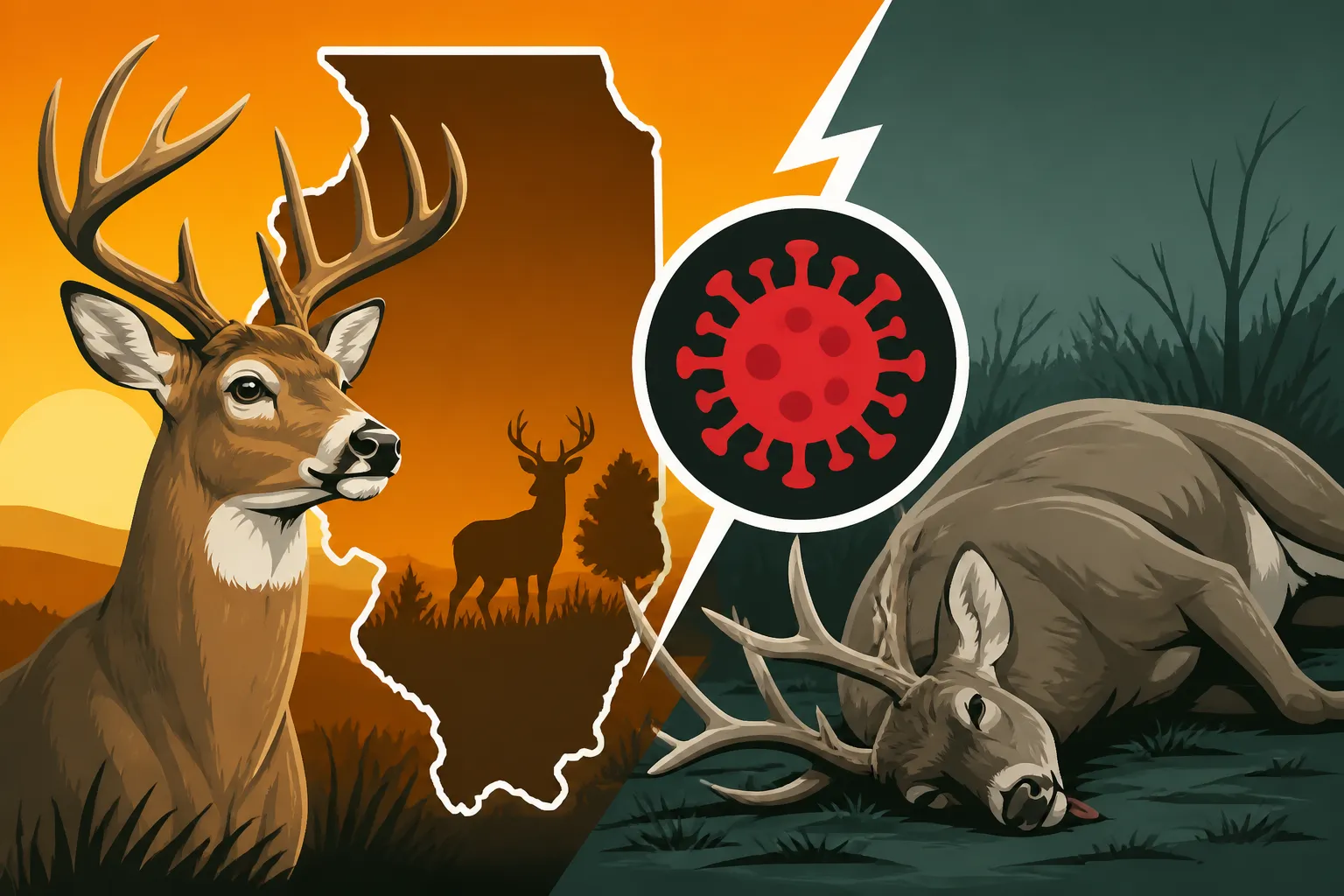
Finding a deer carcass near a water source, or seeing a living deer acting strangely and suffering from obvious ailments, can be incredibly distressing for any hunter or outdoors enthusiast in Illinois. It's a stark reminder of the challenges wildlife faces, and often, the culprit is Epizootic Hemorrhagic Disease, or EHD. This guide aims to shed light on EHD die-offs in Illinois deer, helping you understand what this disease is, how to recognize it, its impact on our deer populations, and what you can do when you encounter it.
The Scourge of EHD: Understanding Epizootic Hemorrhagic Disease in Illinois
Epizootic Hemorrhagic Disease (EHD) is one of the most common infectious diseases affecting white-tailed deer in North America, and Illinois is no stranger to its devastating effects. It's a naturally occurring, viral disease transmitted by tiny biting midges, often called "no-see-ums" or "gnats," not by direct deer-to-deer contact. When conditions are right – typically late summer and early fall, after a period of prolonged drought followed by heavy rains that create ideal breeding grounds for these midges – EHD can sweep through a deer population, leaving behind a grim landscape of dead deer.
The EHD virus itself is fascinating, in a terrifying sort of way. There are multiple serotypes of the EHD virus, and deer can develop immunity to one serotype, but still be vulnerable to another. This means a deer herd that survived an outbreak one year might still be susceptible to a different strain in a subsequent year. The midge acts as the vector, picking up the virus when it feeds on an infected deer and then transmitting it to another deer it bites. As these midges thrive in warm, moist environments, often near stagnant water sources, areas with significant rainfall patterns and a build-up of shallow puddles after a dry spell become hotbeds for transmission. Our Illinois climate, with its humid summers and varied topography, unfortunately provides ideal conditions for these outbreaks, particularly in areas with dense deer populations and accessible water.
EHD isn't something that pops up every single year with the same intensity. It's cyclical, often appearing in localized outbreaks, sometimes severe, sometimes mild. When an outbreak hits, it's usually over by the first hard frost, which kills off the insect vector. This is why you'll often hear about die-offs primarily in August, September, and early October. The rapid onset and severity can be alarming, especially when you consider how quickly a healthy deer can succumb. Understanding these environmental triggers and the role of the midge helps us grasp why EHD seems to strike with such unpredictable fury across different parts of our state.
Identifying EHD: Symptoms, Carcass Clues, and Confirmation
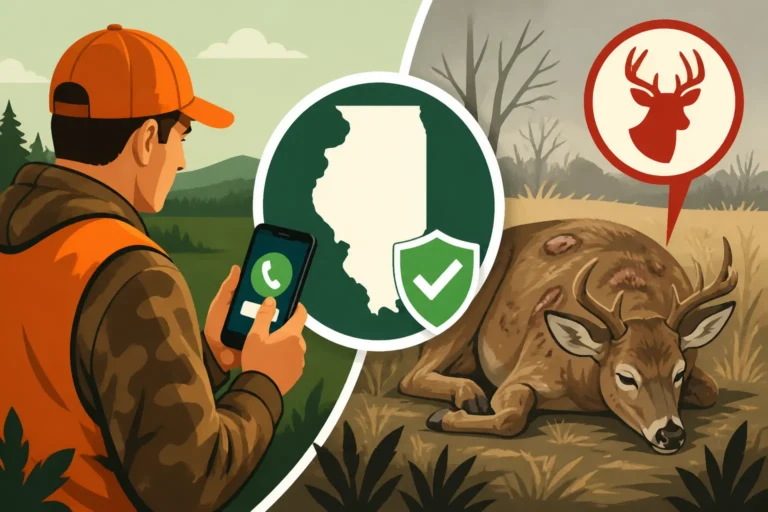
Recognizing EHD, whether in a living deer or a deceased one, is crucial for hunters and wildlife enthusiasts. The signs can be quite distinctive, helping to differentiate it from other ailments. In live deer, EHD typically manifests with a high fever, which drives the affected animals to seek out water sources to cool down. You might see a deer that is lethargic, weak, disoriented, and unresponsive to human presence. Swelling of the head, neck, tongue, and eyelids is also common, giving the deer a puffy, almost distorted appearance. Their mouths might be drooling, and they may have a bloody discharge from the nose. These symptoms progress rapidly, often leading to death within a few days of infection. Sometimes, deer will become so weak they can't even stand, or they might develop lesions and ulcers in their mouth, on their tongue, or along their gastrointestinal tract.
When you find a deer carcass, the location can often be a strong clue. EHD-affected deer, driven by fever, often die in or very near water sources like ponds, creeks, or river bottoms. This is a tell-tale sign that differentiates EHD from, say, a deer hit by a car, or one that succumbed to an injury. On closer inspection of a fresh carcass, if you're comfortable and it's safe to do so, you might notice internal hemorrhages, especially visible as pinpoint bleeding in the heart, lungs, and lining of the gut. The tongue can be severely swollen and blue, and the hooves might show growth interruptions or sloughing in deer that survived the initial infection but died later from secondary complications. These post-mortem indicators are critical for wildlife biologists trying to confirm EHD outbreaks.
It's important not to confuse EHD with other diseases, particularly Chronic Wasting Disease (CWD), which is a completely different, always fatal neurological disease present in some Illinois counties. While both can cause deer to appear emaciated or behave unusually, CWD is a long-term wasting disease with different symptoms, whereas EHD is a rapid, acute illness. For instance, deer with CWD will often appear extremely thin over an extended period, suffer from excessive salivation, and have a unique "sawhorse" stance. EHD, on the other hand, strikes quickly, and the deer often appear in good body condition before succumbing, with the severe swelling and hemorrhages being key differentiators. When you encounter a deer exhibiting severe swelling, high fever, and found near water, EHD is usually the primary suspect. If you're ever in doubt, the Illinois Department of Natural Resources (IDNR) can provide guidance. For more information on CWD, you might want to read our guide on Illinois's Chronic Wasting Disease Zone.
The Aftermath: EHD's Impact on Illinois Deer Herds and Hunting Strategies
When an EHD outbreak sweeps through an area, the initial impact on local deer populations can be heartbreaking and severe. You might see a significant, albeit localized, drop in deer numbers. It's not uncommon for an area to lose 20-30% of its herd, and in severe cases, even higher percentages. This immediate reduction can certainly make hunting more challenging in the short term, as the deer you were counting on might simply no longer be there. Bucks are often hit harder than does, not because they are more susceptible, but because their behavior during the rut can lead them to travel more and potentially expose them to more midge-infested areas. This can temporarily skew the buck-to-doe ratio, which can have ripple effects on breeding in the following year.
However, it's crucial to remember that deer populations are resilient. While EHD can feel devastating locally, it rarely causes long-term, widespread damage to the overall Illinois deer herd. Survivors of an outbreak develop antibodies, making them immune to that specific strain of the virus, at least for a period. Over time, herds can also develop a degree of genetic resistance to the disease. The deer herd's ability to bounce back is remarkable, especially given their reproductive rates. Often, within a few years, numbers can return to pre-outbreak levels. You might notice fewer mature bucks immediately after a severe outbreak, as they tend to be hit hardest, but younger bucks mature, and the cycle continues.
For hunters, an EHD event requires a shift in perspective and strategy. If you hunt an area that experienced a die-off, it's wise to adjust your expectations for the immediate season. You might need to scout new areas or focus on property that was less impacted. Looking at a tool like GoHunt or other mapping resources can help you identify areas with differing water sources or terrain that might have been less affected by the midge population boom. It's also an excellent time to reassess the deer density in your hunting grounds. The IDNR often monitors these outbreaks, and their Illinois Deer Population Estimate and annual Illinois Deer Harvest Records can provide valuable insights into herd health and trends. Don't be discouraged; consider it a temporary setback. Sometimes, even though deer numbers are down, the surviving deer may be less pressured, offering different hunting opportunities. It’s a good opportunity to spend time Scouting Illinois Public Land Before Season to understand the current situation.
Taking Action: Reporting EHD and Navigating the Season
As a hunter or concerned citizen in Illinois, your role in monitoring and managing wildlife health, including EHD, is incredibly valuable. If you find a dead deer that shows signs consistent with EHD (especially near water with no obvious injury, or a live deer exhibiting severe symptoms like swelling and disorientation), the most important thing you can do is report it to the Illinois Department of Natural Resources (IDNR). They have mechanisms in place for Reporting a Sick Animal in Illinois, and your information helps them track outbreaks, identify affected areas, and understand the scope of the disease. This data is vital for wildlife biologists who are constantly engaged in Illinois Wildlife Disease Monitoring to protect our state's deer herd.
When reporting, be prepared to provide specific details: the exact location of the deer (GPS coordinates if possible), the estimated number of dead deer, and any observed symptoms or conditions. Do not attempt to move or handle the carcass more than necessary, especially if you are not equipped with proper protective gear. While EHD is not known to be transmissible to humans, it's always wise to exercise caution with any deceased wildlife. The IDNR can provide guidance on carcass disposal if it's on your private land, or they may send personnel to investigate on public land.
Navigating the hunting season after an EHD outbreak can be tricky. It's natural to feel concerned about the deer you harvest. The good news is that EHD does not affect humans. Venison from a deer that survived EHD and appears healthy is perfectly safe to eat. However, you should never consume meat from a deer that was found sick, emaciated, or exhibited any signs of illness at the time of harvest or death. When in doubt, it's always best to discard the meat. For more general guidelines on hunting seasons and regulations that might be adjusted based on herd health, you can refer to information on the Illinois Deer Season Structure Explained. Remember, even in years with EHD, there are plenty of healthy deer out there, and staying informed and adapting your approach will ensure you still have a successful and ethical hunting season. Looking for Late-Season Food Sources for Illinois Whitetails might be a different approach in affected areas.
Disclaimer
This article is for general informational purposes only and does not constitute professional advice. Laws, prices and regulations vary by location and change over time. Consult a qualified professional for guidance on your specific situation.