Hunting a CRP Field Edge at First Light
Practical strategies for hunting a Conservation Reserve Program field edge at dawn explain whitetail deer movement patterns.
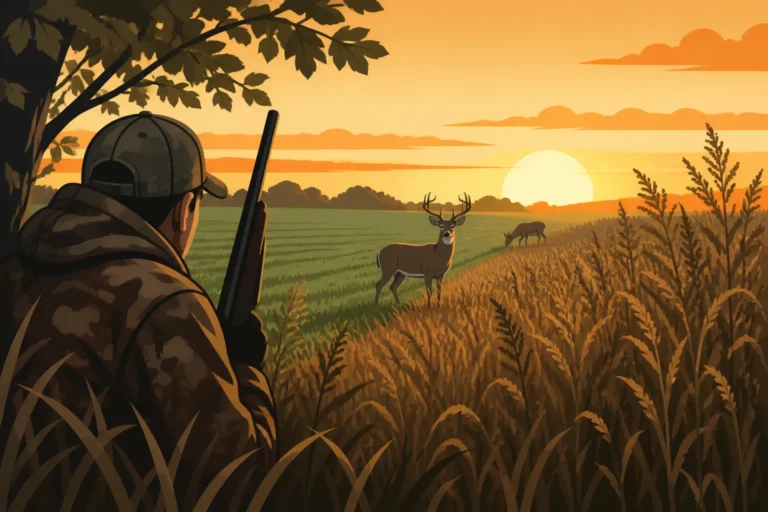
Practical strategies for hunting a Conservation Reserve Program field edge at dawn explain whitetail deer movement patterns.
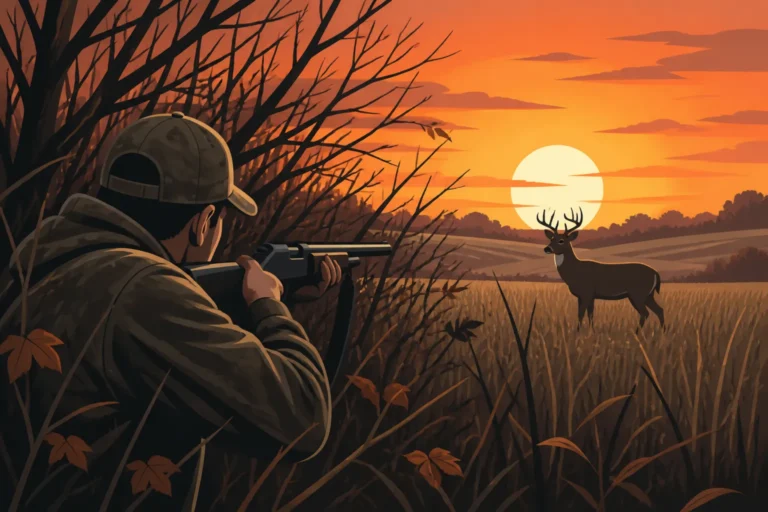
Brushy fence rows in Illinois serve as natural travel corridors, providing deer with reliable security and forage at dusk.
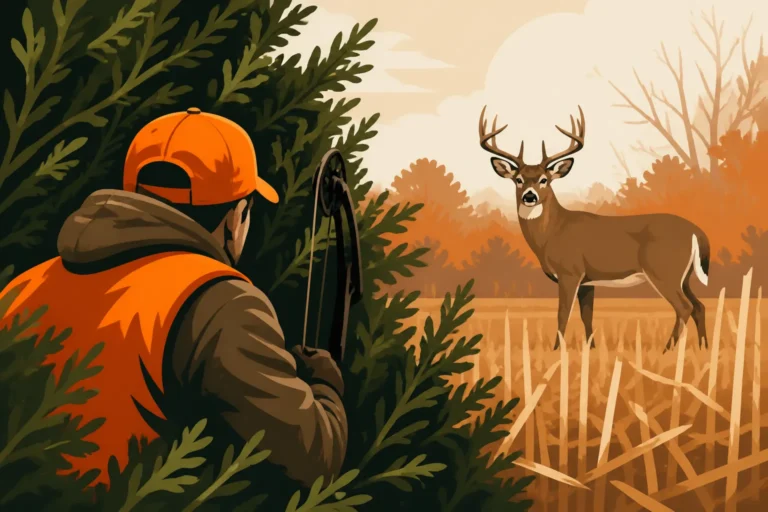
Dense cedar thickets provide late-season Illinois deer with thermal cover, visual security, and reliable micro-food sources.
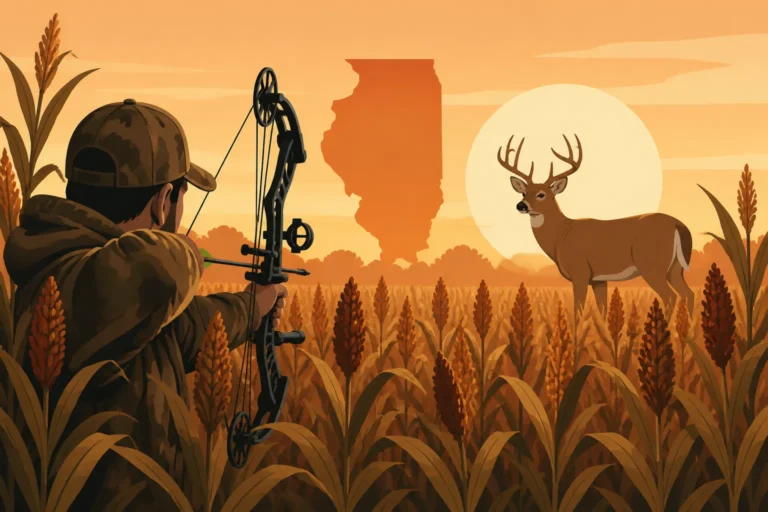
Hunting standing milo fields in Illinois provides deer food and thermal cover, offering specific late-season hunting strategies.
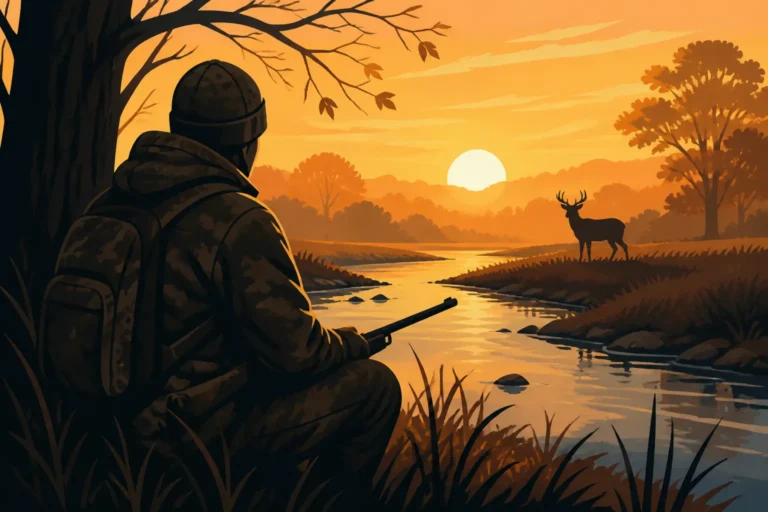
Deer hunting at Illinois creek crossings explains how to intercept animals moving from feeding grounds to bedding areas at dawn.
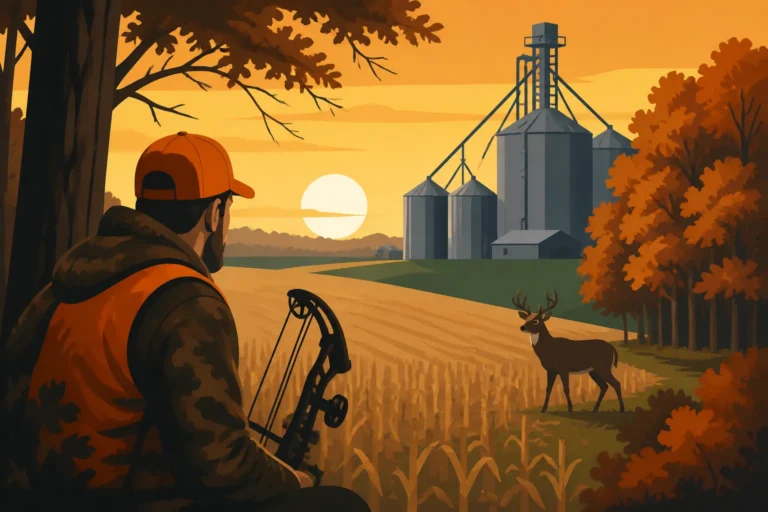
Small Illinois woodlots beside grain elevators offer deer food and low-pressure sanctuary, providing overlooked hunting opportunities for whitetail.
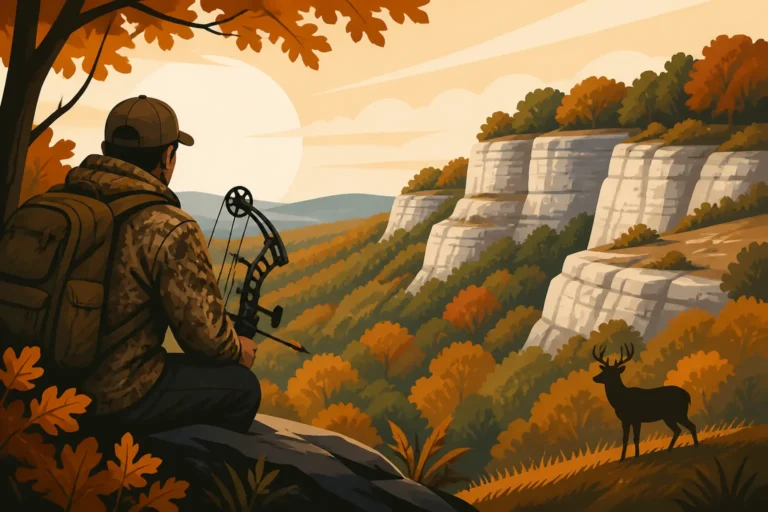
Illinois limestone bluff country hunting involves steep slopes, shifting thermals, and specific deer and turkey movement patterns.
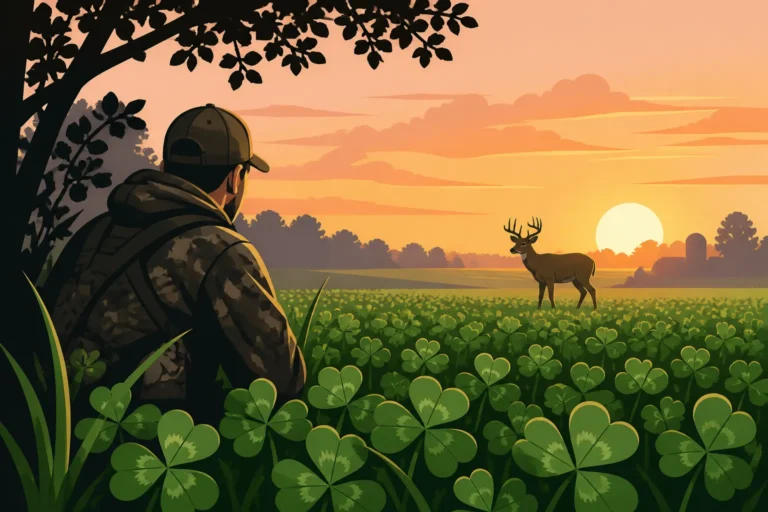
Illinois whitetail hunting strategies for clover plots explain dawn deer feeding patterns, protein value, and morning ambush plans.
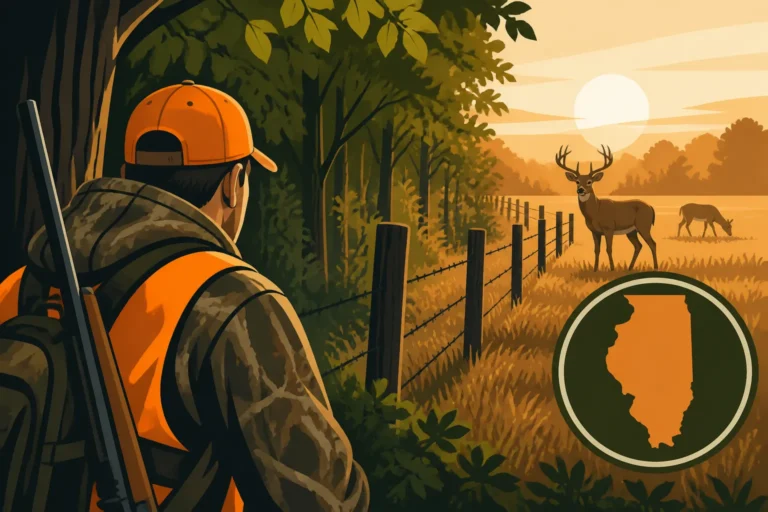
Timbered fence lines serve as natural deer travel corridors connecting food and water across Illinois, offering sanctuary from hunters.
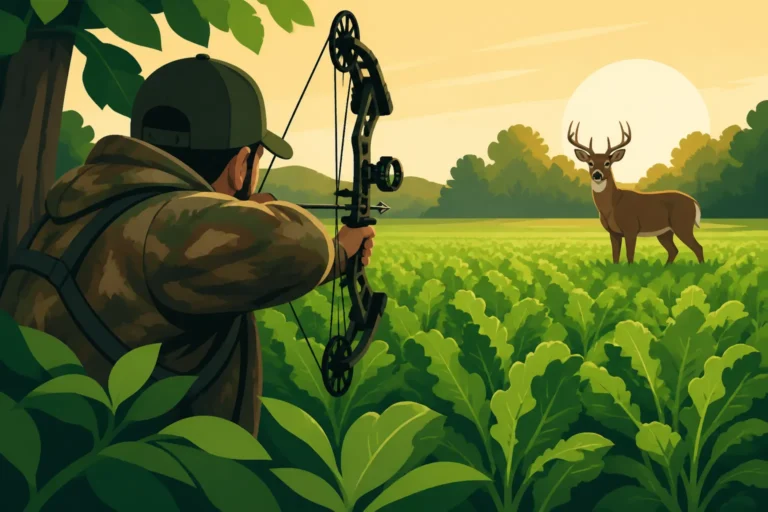
Illinois deer hunting strategies for green fields explain seasonal movements, food plot preferences, and behavior changes during the year.