Glassing a Powerline Cut at Last Light
Glassing powerline cuts in Illinois during fading light reveals mature whitetail deer using edge habitats and natural funnels to travel.
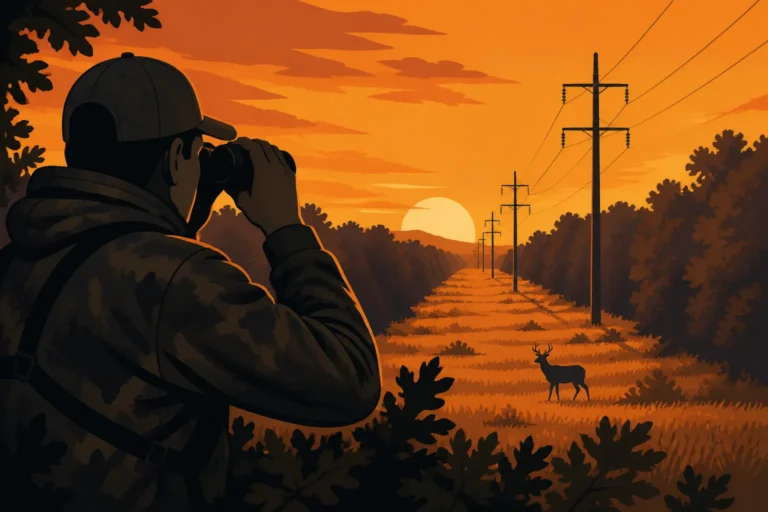
Glassing powerline cuts in Illinois during fading light reveals mature whitetail deer using edge habitats and natural funnels to travel.
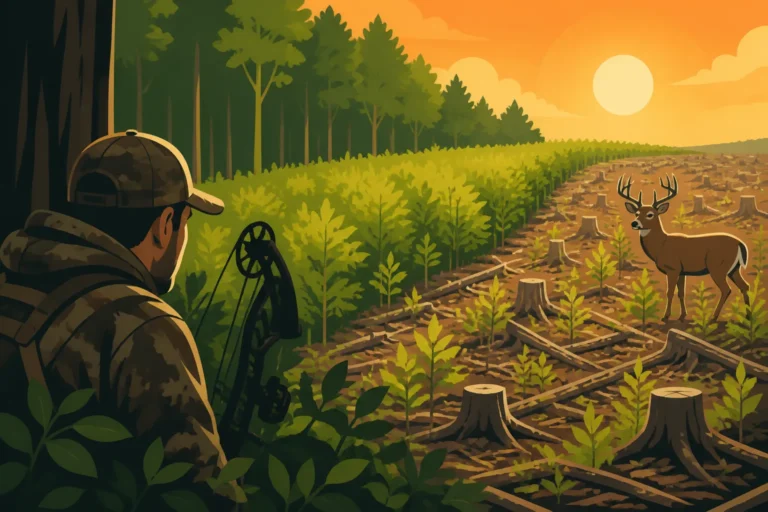
Clear-cut regrowth edges across Illinois offer whitetail deer abundant food and secure bedding cover in public lands like Shawnee National Forest.
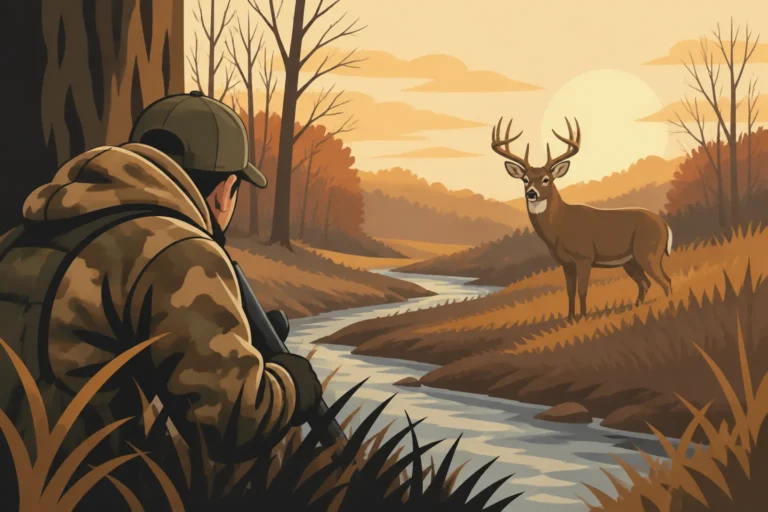
Creek bottoms provide Illinois hunters reliable late season deer activity through thick cover, thermal protection, and accessible food.
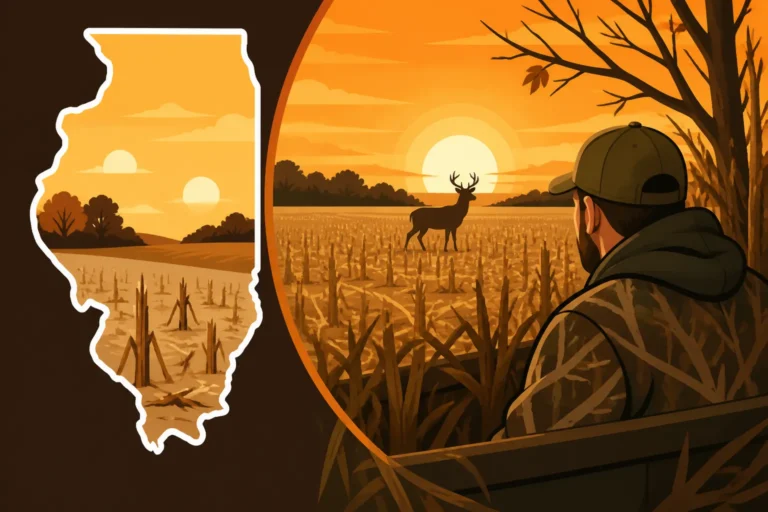
Illinois post-harvest standing crop cover concentrates deer into thickets and CRP fields, offering late season hunting success.
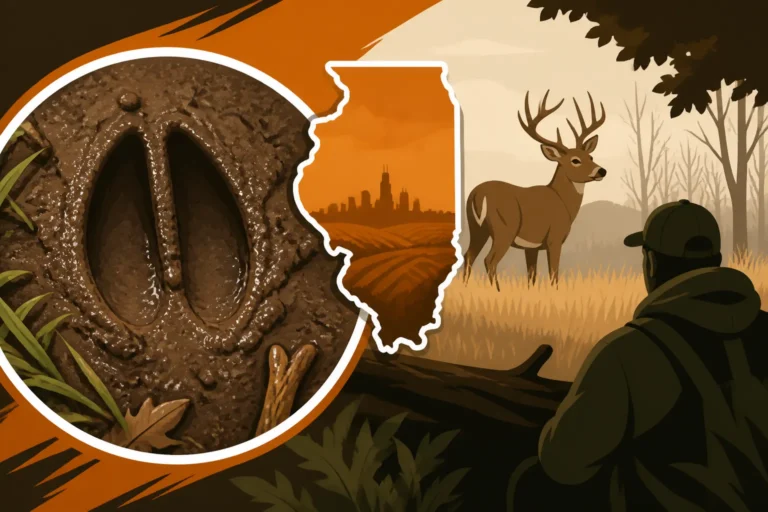
Illinois deer tracks in mud reveal movement timing through sharp edges, wet displacement, and distinct buck versus doe differences.
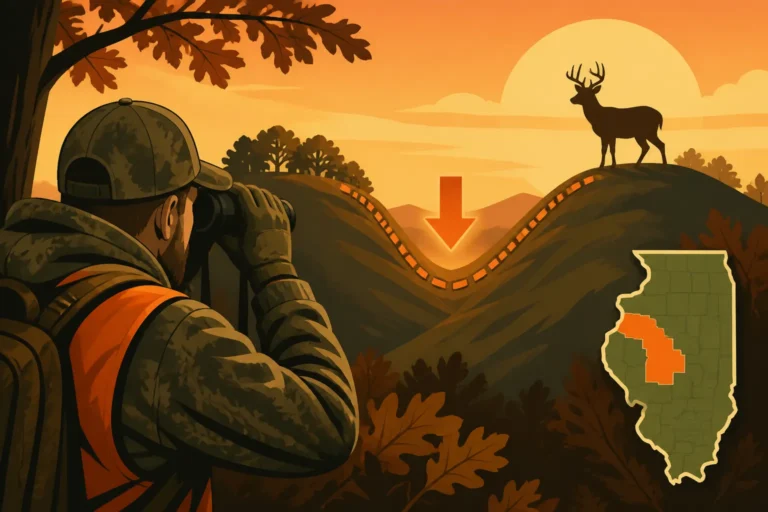
Ridge-top saddles act as natural deer funnels, offering hunters productive ambush points to intercept cruising bucks during the rut.
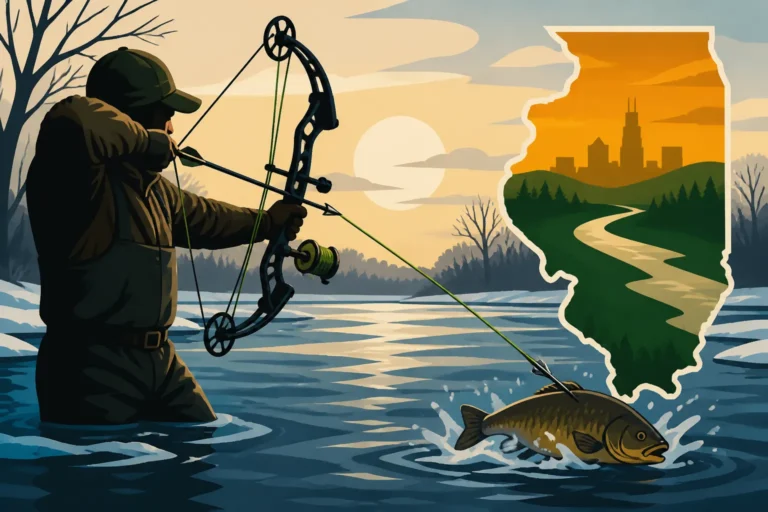
Bowfishing Illinois rivers during the off season targets rough fish species, keeps hunters active, and sharpens archery skills on the water.
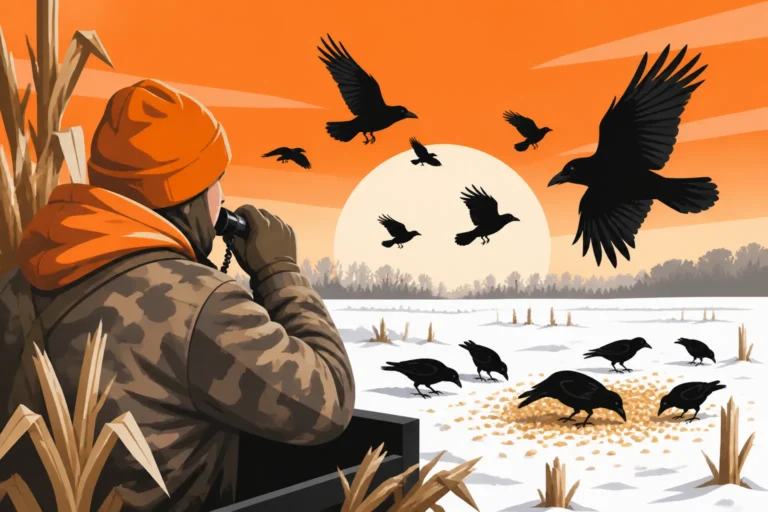
Winter crow hunting in Illinois requires calling wary birds over corn fields and feedlots during cold winter months.
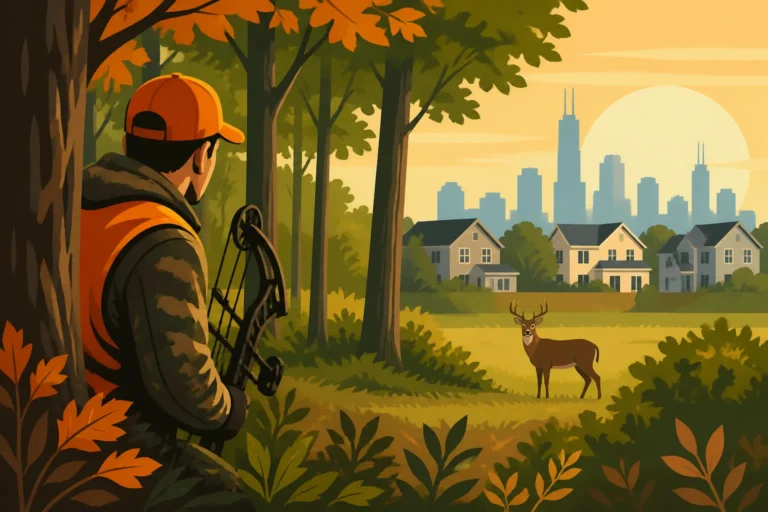
Suburban Chicago deer hunting strategies help hunters navigate small woodlots, human pressure, and local municipal ordinances.
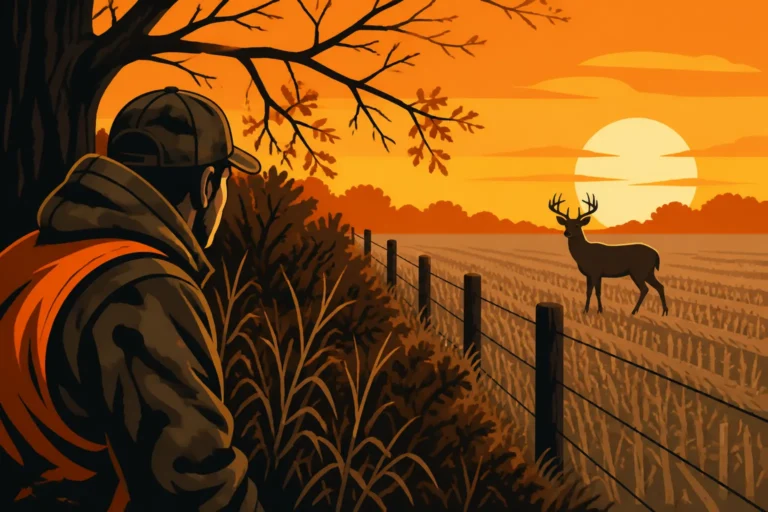
Fencerows provide late-season deer in Illinois with thermal cover, visual security, and natural travel corridors to food sources.