Pheasant Hunting Illinois Farmland
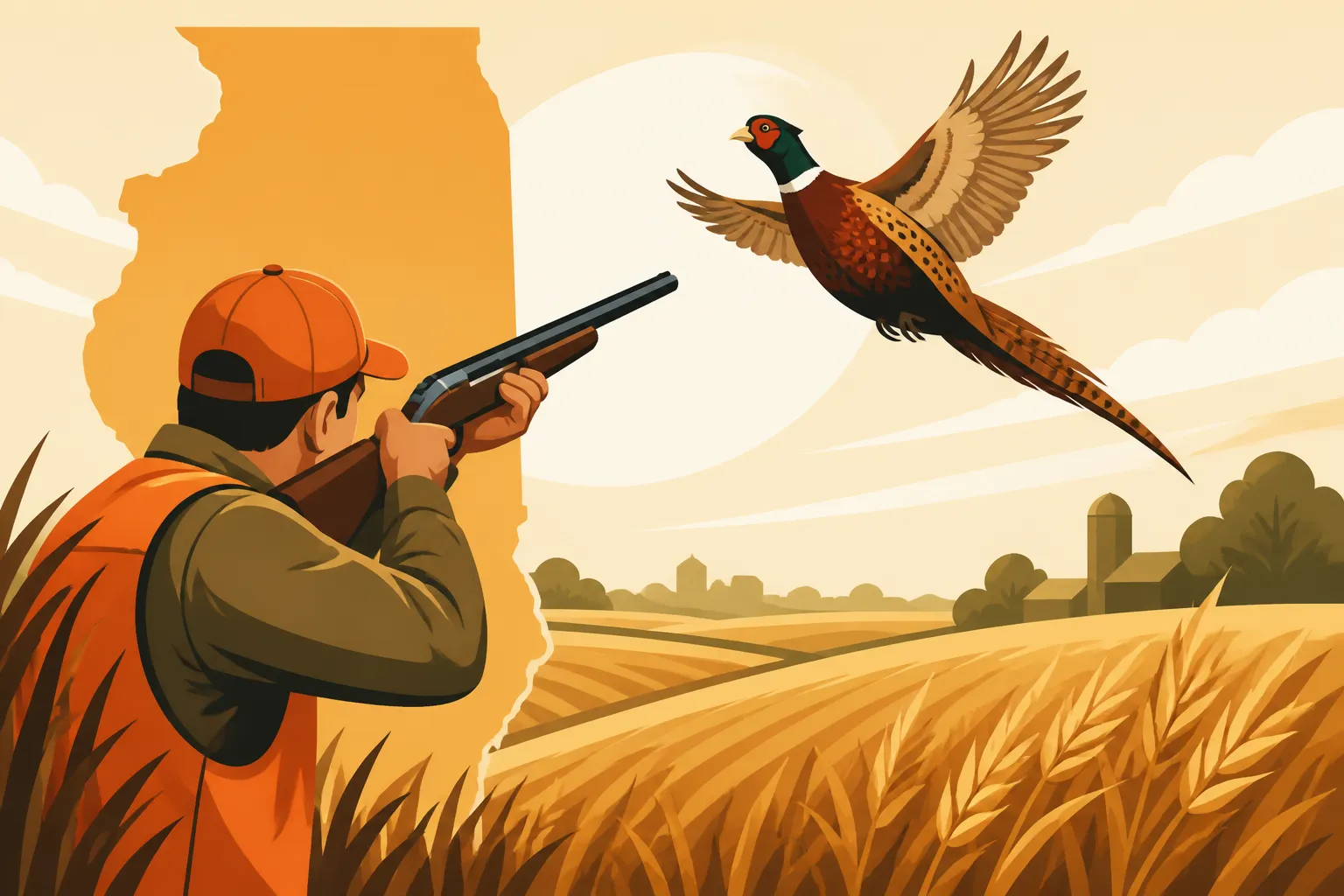
Oh, the elusive pheasant! For many of us, the image of a cackling rooster exploding from a goldenrod patch is pure hunting magic. But let's be real, finding consistent pheasant hunting opportunities in Illinois, especially on sprawling farmland, can feel like a quest for a unicorn these days. The wild bird populations aren't what they used to be, and getting access to the best ground is half the battle. This comprehensive guide is here to cut through the frustration, offering you practical, in-depth strategies for successfully pheasant hunting Illinois farmland, whether you're working public fields or knocking on doors for private access.
Understanding Illinois Pheasant Habitat on Farmland
Illinois is a state defined by its agriculture, and for good reason. Miles upon miles of corn and soybean fields dominate the landscape. While this provides abundant food for pheasants, the loss of diverse cover types, particularly those dense, undisturbed grasslands they rely on for nesting and winter survival, has significantly impacted wild pheasant populations. Understanding this delicate balance is crucial for finding birds.
The Decline of Wild Pheasant Populations
It's no secret that wild pheasant numbers in Illinois, and indeed across much of the Midwest, aren't what they once were. My grandfather would tell stories of pheasants in every ditch and fencerow, but those days are largely gone. The biggest culprit is the widespread conversion of diverse agricultural landscapes into monoculture farming practices. Modern farming often means bigger fields, fewer hedgerows, and the tiling of wetlands, all of which eliminate the critical nesting and brood-rearing cover that pheasants need to thrive. Young chicks need insects, abundant during early summer in diverse habitats, and they need safe cover to hide from predators. When every field is tilled right to the road, and fencerows are cleaned out, those vital refuges vanish.
This isn't to say there are no wild pheasants left; it just means they are far more localized and dependent on specific, often smaller, pockets of habitat. You're not going to stumble upon them everywhere like you might have decades ago. It requires more thoughtful scouting and a deeper understanding of where these birds can still eke out an existence amidst intensive agriculture. This historical context helps manage expectations and directs our efforts to the right places.
Where to Find Remnant Wild Bird Cover
Despite the challenges, pheasants are tenacious, and they will hold in whatever suitable cover they can find. On Illinois farmland, this often means seeking out those less-disturbed areas that farming operations might miss or intentionally leave. Think about the "edges" of agricultural land. Drainage ditches, often overgrown with cattails, thick grass, or brush, can be goldmines, offering both cover and a travel corridor. Old farmsteads with abandoned buildings or overgrown hedgerows provide dense protection from predators and harsh weather. Even small patches of un-mowed grasses, CRP (Conservation Reserve Program) fields, or brushy fencerows are critical.
These are the places where pheasants will try to nest, raise their young, and seek refuge from the elements. They gravitate towards areas with multi-layered cover – tall grass for nesting, brush for thermal protection, and nearby food sources. Identifying these small, often linear, habitat features is key. A single, thick fencerow stretching between two large cornfields can hold an entire covey of birds, especially if it leads to a creek bottom or another patch of cover. Learning to read the landscape for these specific features, often visible even on aerial maps, will greatly improve your chances. If you're looking for more general insights, remember that the advice for Pheasant Hunting Illinois Grassland often overlaps with these smaller, grassy pockets within farmland.
The Role of Conservation Programs
Thank goodness for conservation programs! Initiatives like the Conservation Reserve Program (CRP) are absolute lifelines for pheasants and many other upland species in Illinois. CRP pays landowners to take environmentally sensitive land out of agricultural production and plant it with native grasses and legumes. This creates crucial nesting and winter cover, especially for birds that need dense, undisturbed habitat. Think about large blocks of switchgrass or prairie grasses that are left standing year-round – these are prime pheasant magnets. The larger the block of CRP, the better, as it provides more security and reduces predator pressure.
Other programs, like the Environmental Quality Incentives Program (EQIP), might fund habitat improvements such as establishing buffer strips along waterways or creating shelterbelts of trees and shrubs. These smaller, but still vital, habitat projects add to the patchwork of cover pheasants need. When scouting farmland, always be on the lookout for these designated conservation areas. Landowners participating in these programs are often more conservation-minded and might be more amenable to granting hunting permission. Sometimes, these tracts are managed specifically for wildlife and stand out distinctly on aerial imagery, making them easy targets for your scouting efforts, perhaps even through a mapping tool like GoHunt that highlights different land use types.
Illinois Pheasant Season and Regulations
Before you even think about stepping into a field, you absolutely must know the rules. Illinois has specific seasons, permit requirements, and safety regulations that all pheasant hunters need to follow to stay legal and safe. Ignoring these can lead to hefty fines and loss of hunting privileges, which nobody wants.
Key Dates and Permit Requirements
The pheasant season in Illinois generally kicks off in early November and runs through early January, aligning with much of the state's small game calendar. However, the specific dates can vary slightly year to year, so always double-check the current Illinois Department of Natural Resources (IDNR) hunting digest. It's your bible for all things regulatory. Unlike deer or turkey hunting, there isn't a specific lottery or limited permit for pheasants, but you do need a valid Illinois hunting license and a State Habitat Stamp, unless exempt. The habitat stamp is crucial, as its funds directly support habitat conservation efforts across the state. Without it, you're not legal.
For many hunters, especially those without extensive private land access, public hunting areas offering pheasant hunting opportunities are a godsend. Several State Fish and Wildlife Areas (FWAs) and some State Parks participate in pheasant release programs. These sites often have specific hunt dates, sometimes requiring an advanced draw or a daily standby permit. Make sure to check the individual site regulations carefully, as these managed hunts can have different rules regarding hunting hours, bag limits, and even the type of ammunition allowed. Understanding Illinois Small Game Season Rules broadly will help, but always confirm the specific site details.
Blaze Orange and Safety on Farmland
Safety is paramount, especially when hunting pheasants on farmland, where visibility can be limited by tall crops or dense cover. Illinois law dictates specific blaze orange requirements during certain seasons, and for pheasant hunting, it's a non-negotiable. You must wear an outer garment of solid blaze orange (or blaze pink) that covers at least 400 square inches of your body, including a cap. This isn't just a suggestion; it's a legal requirement designed to make you highly visible to other hunters, whether they're part of your group or not. It helps prevent tragic accidents by ensuring you stand out against the browns and greens of the autumn landscape.
Beyond the legal requirement, think about practical safety. When pushing through dense cover, it's easy to lose sight of your hunting partners. Clear communication, knowing where everyone is at all times, and always identifying your target and what's beyond it are critical. Be especially cautious when hunting near roads, farmsteads, or livestock. A missed pheasant shot could easily hit something unintended, leading to serious consequences. Remember, Illinois Blaze Orange Requirements aren't just for deer hunters; they apply broadly to upland game as well.
Bag Limits and Shooting Hours
Illinois typically has a daily bag limit for pheasants, often set at two roosters per hunter per day. This limit is designed to manage the population, especially for wild birds, and ensure sustainable hunting opportunities. Exceeding this limit is poaching, plain and simple, and carries severe penalties. Always ensure you can correctly identify a rooster (male) from a hen (female) before pulling the trigger. While hens are often accidentally flushed, shooting them is illegal and detrimental to the breeding population.
Shooting hours usually run from sunrise to sunset. This provides ample time during daylight hours for hunting, but it's important to stick to these times. Hunting outside of legal hours is another serious violation. These regulations are in place for a reason: they protect the birds, promote fair chase, and ensure hunter safety. Always consult the most current IDNR digest for precise bag limits and shooting hours, as they can sometimes be adjusted. Keep your watch handy and be mindful of the sun's position, especially on cloudy days when light levels can be deceiving.
Essential Gear for Farmland Pheasant Hunting
Pheasant hunting isn't like sitting in a deer stand; it's an active, often physically demanding pursuit. Having the right gear won't just make you more comfortable, it'll make you more effective and safer in the field. Don't skimp on the essentials, because a broken-down piece of gear can quickly ruin a hunt.
Shotguns and Ammunition Choices
For pheasants, a 12-gauge or 20-gauge shotgun is typically the tool of choice. Both offer plenty of knockdown power, with the 12-gauge being slightly more versatile for longer shots and denser patterns. If you're doing a lot of walking, a lighter 20-gauge can save your shoulders by the end of the day. The ideal choke constriction for pheasants is often Modified or Improved Cylinder, as it provides a good balance between spread for closer flushing birds and density for those that flush a bit further out. Some hunters even prefer an Over/Under or Side-by-Side with two different chokes, allowing for a quick switch depending on the shot distance.
When it comes to ammunition, lead shot is generally allowed for upland game in Illinois. A 3-inch shell loaded with 1 1/4 ounces of #4, #5, or #6 lead shot is a popular choice. #5 shot offers a great blend of pellet count and energy for pheasants. Avoid smaller shot sizes like #7.5 or #8, as they often lack the kinetic energy to consistently bring down a tough rooster, leading to more wounded birds. Always make sure your shotgun is cleaned and functioning properly before heading out. The last thing you want is a malfunction when that trophy rooster cackles up in front of you.
Footwear and Upland Apparel
This is where comfort meets necessity. You'll be doing a lot of walking, often through tough, uneven terrain, mud, and potentially briars. A good pair of waterproof, ankle-supporting hunting boots is non-negotiable. Look for boots that are durable, provide good traction, and keep your feet dry. Nothing saps the joy out of a hunt faster than wet, blistered feet. Gaiters can also be a lifesaver, keeping burrs, seeds, and moisture out of your boots and off your socks.
As for clothing, layers are key. Illinois weather in the fall and early winter can be notoriously unpredictable. Start with a moisture-wicking base layer, add an insulating mid-layer (fleece or wool works great), and top it off with a durable, briar-resistant outer jacket or vest. Your outer layer should also incorporate your blaze orange requirements. Investing in a good upland vest with plenty of pockets for shells, water, and harvested birds is highly recommended. You'll appreciate having everything organized and accessible without constantly digging through a backpack. Don't forget tough briar-proof pants or chaps to protect your legs from thorns and thick brush.
The Importance of a Good Dog
Let's be honest, pheasant hunting without a good bird dog is like eating a hot dog without condiments – it's just not the full experience. A well-trained bird dog, whether a flushing dog like a Springer Spaniel or Labrador Retriever, or a pointing dog like a German Shorthaired Pointer or English Setter, is incredibly valuable. These dogs not only find birds you'd walk right past but also retrieve downed birds, preventing lost game. Losing a bird you've legally harvested is truly disheartening, and a good dog minimizes this risk.
A flushing dog covers ground quickly, pushing birds out of dense cover, making them ideal for group hunts where hunters can strategically position themselves. A pointing dog, on the other hand, will "lock up" on a bird, indicating its location, allowing the hunter to move in for the flush. Whichever breed you prefer, consistent training, good obedience, and exposure to birds are essential. A dog that busts birds too far out, or won't retrieve, can be more of a hindrance than a help. Remember to keep your dog hydrated and check their paws frequently for cuts or burrs, especially when working rough terrain. Running Pointing Dogs on Illinois Pheasants is a distinct art, and these animals are truly partners in the field.
Hunting Strategies for Illinois Farmland Pheasants
Pheasants are masters of camouflage and escape. They'd rather run than fly, preferring to sneak through thick cover, and only flush when they feel truly cornered. This means your hunting strategy needs to be deliberate, methodical, and often, a team effort.
Working Field Edges and Cover Strips
Pheasants are creatures of the edge. They love the transition zones between open fields and dense cover. This is where they forage for waste grain while staying close to security. When hunting farmland, focus your efforts on these linear features: fencerows, ditch banks, grass waterways, and the edges of standing or cut crop fields. These areas act as natural travel corridors and often concentrate birds. Instead of simply walking through the middle of an open field, systematically work these edges.
Walk into the wind if possible. This allows your scent to blow ahead, pushing birds towards you (or your blockers) and gives your dog the best chance to pick up scent. Move slowly and deliberately, stopping often. Pheasants will often hold tight, waiting for you to pass before flushing behind you. Those momentary pauses can sometimes be enough to make a nervous bird flush. When you approach a corner or bend in a fencerow, anticipate where the birds might run or flush, and adjust your approach accordingly. If you're on public land, always be mindful of where the property lines are, using a reliable mapping app like GoHunt to prevent accidental trespassing.
Pushing Thick Coverts and Drainages
This is where the real work, and often the most exciting flushes, happen. Pheasants will seek out the thickest, nastiest cover they can find, especially when pressured or during cold, windy weather. Think about dense stands of multiflora rose, osage orange hedges, cattail sloughs, and brush-choked creek bottoms. These are the places where they feel safest and where they'll often hold the tightest. Pushing these areas requires grit and patience.
When hunting with a group, communicate clearly. Designate a "pusher" or "blocker" line. The pushers move through the cover, ideally with dogs, while the blockers position themselves at the end or sides of the cover to intercept birds trying to run out. The pace should be slow and steady, ensuring every patch of cover is thoroughly worked. Don't be afraid to get a little dirty; pheasants won't be in the easy-to-walk spots. If you're hunting smaller, linear cover like a thick fencerow, similar tactics apply to those used for Rabbit Hunting Illinois Fencerows, pushing from one end to the other with strategic positioning. Be prepared for explosive flushes when you hit these prime spots!
Strategic Group Hunting and Blocking
Pheasants are notorious for running. A single hunter, especially without a dog, will often push birds out the far end of a field before ever getting a shot. This is where a well-coordinated group hunt truly shines. The basic idea is to surround a piece of cover or line up across a field and push birds towards "blockers" waiting at the other end. For example, if you have a long, narrow strip of CRP grass or a brushy ditch between two fields, have several hunters walk slowly through it, while one or two hunters position themselves 100-200 yards ahead, out of sight if possible, to catch birds that run.
The key to success in group hunting is communication, a steady pace, and disciplined shooting. Everyone needs to know their role and stick to it. No one should break rank and run ahead, as this will only cause birds to flush prematurely. Safety is also paramount here: always be aware of where other hunters are, both in front of you and to your sides. Never swing on a bird if another hunter is in your line of fire. These types of organized drives can be incredibly effective, especially on larger tracts of land or when trying to clear a heavily covered area.
Accessing Private Farmland and Public Opportunities
Illinois is primarily private land, meaning successful pheasant hunting often hinges on gaining permission from landowners. But don't despair if you don't have a farmer friend; the state does offer some fantastic public opportunities if you know where to look.
The Art of Asking Permission
This is perhaps the single most important skill for a farmland pheasant hunter. Cold-calling on farmers can be intimidating, but a respectful, polite approach can often unlock fantastic hunting grounds. Start by identifying farms with good-looking habitat – those fields with thick fencerows, un-mowed areas, or CRP visible from the road. The best time to ask is typically late summer or early fall, well before deer season and the general hunting rush. Show up clean, sober, and in normal clothes, not full camo.
Introduce yourself, explain what you're looking to hunt, and offer a simple exchange. Maybe offer to help with chores, share some of your harvest, or just be an extra set of eyes on their property. Be specific about your intentions (e.g., "I'm looking to hunt pheasants with my dog, typically walking the fencerows and grass waterways"). Respect their answer, whether it's yes or no. If they say no, thank them for their time and move on. If they say yes, get clear boundaries, ask about areas to avoid (livestock, certain fields), and always follow through on your promises. Leaving your contact info is a good idea. For a deeper dive, check out our guide on Asking an Illinois Farmer for Permission. A mapping tool like GoHunt can be invaluable here, allowing you to identify landowners and property boundaries before you even approach them.
Identifying Prime Public Land Spots
While private land offers many opportunities, Illinois also provides some excellent public hunting options, particularly for pheasants. The IDNR manages numerous State Fish and Wildlife Areas (FWAs) that offer small game hunting, and some specifically manage habitat for pheasants. These sites are often larger tracts of land with a mix of agricultural fields, grasslands, and timber. Look for areas with significant CRP plantings, food plots, and diverse cover. The key is to scout these areas thoroughly before the season.
Use online mapping tools provided by the IDNR to identify public boundaries and habitat types. Don't be afraid to put in the legwork. Many public land pheasants are found in areas that require a bit more effort to reach, away from easy road access. Early season hunting on public land can be crowded, so consider mid-week hunts or exploring less-trafficked corners of larger properties. While these areas can sometimes be pressured, persistence pays off. Also, remember that Hunting Central Illinois Farmland Deer often utilizes similar landscapes and scouting techniques that can apply to finding pheasant cover.
Illinois State Park and FWA Pheasant Programs
A number of Illinois State Parks and Fish and Wildlife Areas (FWAs) participate in the IDNR's pheasant release program. These sites are specifically managed to provide pheasant hunting opportunities, often by stocking birds throughout the season. Hunters typically need to apply for permits or participate in daily drawings. While it's a different experience than hunting wild birds, it guarantees opportunities and can be a great way to introduce new hunters to the sport or get some dog training in.
Each site has its own set of rules, including specific hunting zones, dates, and sometimes even the type of firearm allowed. For example, some sites might be shotgun-only with specific shot restrictions. It's crucial to check the individual site regulations well in advance of the season. Information for these managed hunts is usually released by the IDNR in late summer or early fall. Participating in these programs can be a fun and accessible way to get your pheasant fix, even if you don't have private land access. Our guide on Illinois State Park Hunting has more details on accessing these sites.
Reading the Landscape: Signs of Pheasant Activity
Pheasants leave clues, just like any other game animal. Learning to interpret these signs can save you a lot of walking and increase your chances of finding birds. It's about becoming a detective in the field, piecing together the puzzle of pheasant activity.
Interpreting Tracks and Droppings
While often subtle, pheasant tracks can sometimes be found in soft dirt, mud around water sources, or light snow. Look for distinct three-toed prints, often with a dragging mark from their dewclaw. Pheasant tracks are similar to turkey tracks but generally smaller and less defined. If you find multiple tracks in an area, it's a good indication that birds are using that spot. Pay particular attention to tracks entering or exiting dense cover patches, indicating their preferred travel routes.
Droppings are another key indicator. Pheasant droppings are typically dark, cylindrical, and slightly coiled, often with a whitish cap (urates). They are larger than a songbird's but smaller than a turkey's. Finding fresh droppings, especially in a concentrated area, suggests recent bird activity. Look for them along roosting sites, under dense cover, or near feeding areas. The fresher the sign, the closer you are to the birds. This kind of detailed scouting is much like Reading Illinois Mud for Fresh Deer Movement, where every little detail tells a story.
Listening for Crows and Roosting Cackles
Believe it or not, crows can sometimes be your best pheasant hunting partners. Crows are naturally curious and often harass pheasants, especially when they flush or are moving. If you hear a commotion of crows mobbing something in a distant field, it's often worth investigating. They might be alerting you to a hidden pheasant. Listen for their specific alarm calls versus general cawing.
Pheasants themselves are quite vocal, especially roosters. During the breeding season, their distinctive cackle can carry a long way. While less common during hunting season, they will still "cackle" when flushing, especially if surprised. More importantly, listen for their roosting calls at dusk and dawn. Pheasants often use dense cover or tall trees for roosting. Listening for their calls can help you pinpoint areas where they might be spending the night, giving you a starting point for your morning hunt. These auditory clues are subtle but can be highly effective.
Using Technology for Scouting
In today's hunting world, technology is a powerful ally. Aerial maps, satellite imagery, and GPS apps have revolutionized scouting. Before you even set foot in a field, you can spend hours digitally scouting potential pheasant habitat from your couch. Look for the distinct visual signatures of pheasant cover: long, linear fencerows, blocks of un-mowed grass (CRP fields often have a different texture or color), brushy creek bottoms, and even abandoned farmsteads.
Tools like GoHunt, onX Hunt, or even Google Earth allow you to layer different map types, mark waypoints, measure distances, and understand property boundaries. This is especially useful when trying to identify private landowners for permission or navigating complex public land boundaries. You can identify potential access points, plan your hunting routes, and even locate areas where birds might hold based on topography and cover density. Reading Aerial Photos for Southern Illinois Deer offers excellent advice that directly translates to identifying pheasant hot spots. Use these tools to maximize your time in the field by narrowing down your search before you even leave home.
Weather and Its Impact on Pheasant Behavior
Weather isn't just a comfort factor; it's a major influencer on pheasant behavior. Understanding how temperature, wind, and precipitation affect birds can help you adjust your strategy and hunt more effectively.
Cold Fronts and Snow Cover
A sharp cold front moving through Illinois often means more active pheasants. Just like deer, pheasants tend to feed heavily before a significant temperature drop, and then they'll seek out the densest thermal cover when the mercury plunges. Hunting the day before a major cold front can be productive as birds are out feeding. Once the cold hits, focus your efforts on those thick, wind-protected areas like cattail marshes, brush piles, or dense cedar thickets.
Snow cover can be both a blessing and a curse. Light snow makes tracking much easier, allowing you to see where birds are running and where they might be entering or exiting cover. It also mutes sounds, making it easier to sneak up on birds. However, deep snow can make walking incredibly difficult, especially for dogs, and it can force pheasants into even tighter, less accessible cover. In heavy snow, birds might concentrate around remaining food sources or areas with good grit. Look for tracks leading to standing grain fields or protected feed sites.
Windy Conditions and Bird Location
Wind is another critical factor. Pheasants generally don't like high winds. Strong winds disrupt their hearing, make them feel vulnerable to predators, and make flying more difficult. On very windy days, pheasants will often seek refuge on the downwind side of cover – the side that's sheltered from the blast. This might be the lee side of a timber block, a large CRP field, or even a thick fencerow. They'll hug the ground to stay out of the wind.
When hunting in windy conditions, try to hunt into the wind if possible, or across it, especially with a dog. This helps your dog pick up scent more effectively, as the wind carries it towards them. High winds also tend to make birds hold tighter, waiting longer to flush, which can be beneficial for hunters. However, strong winds can also make it harder to hear flushes and communicate with hunting partners, so adjust your pace and awareness accordingly.
Rain and Its Effect on Scenting
A light drizzle can actually be quite good for pheasant hunting. The moisture helps to hold scent on the ground, making it easier for your dog to track and locate birds. It also tends to make birds hold tighter, as they're less likely to be out feeding in heavy rain and prefer to sit tight in cover. However, heavy, driving rain can be miserable for both hunter and dog, and it can wash away scent, making tracking much more difficult.
On rainy days, focus on areas with overhead cover, such as thick brush or evergreens, where birds might try to stay drier. Be prepared with good waterproof gear for yourself and consider rain gear for your dog if they're particularly sensitive. After a heavy rain, once the weather clears, birds will often emerge to feed, so the hours immediately following a storm can be very productive. Always be mindful of mud when driving on farm lanes, as getting stuck is a real headache for both you and the landowner.
Post-Hunt Care and Bird Handling
The hunt doesn't end when the shot rings out. Proper post-hunt care ensures your hard-earned pheasant makes it to the table in prime condition, and that you stay compliant with all regulations.
Field Dressing for Quality Meat
Once you've retrieved your pheasant, the clock starts ticking to preserve its meat quality. The best practice is to field dress the bird as soon as possible, especially on warmer days. This involves removing the entrails (guts). You can do this by making a small incision near the vent and carefully pulling out the organs. This rapid cooling prevents bacterial growth and gamey flavors. Some hunters also choose to remove the crop (a pouch in the neck where food is stored) to prevent spoilage from ingested grains or insects.
After field dressing, wipe out the cavity with a clean cloth or paper towel, if available, and allow the bird to cool. Don't just toss it into a hot game bag or plastic container immediately, as this will trap heat. A mesh game bag allows for airflow, which is ideal. Proper handling ensures that your wild pheasant meat will be delicious and tender when it reaches your kitchen.
Transporting Birds Legally
Illinois law requires that all harvested game birds be transported in a manner that allows for species and sex identification, if applicable (like roosters vs. hens). This usually means leaving a fully feathered wing attached to the bird until you reach your home or place of processing. This allows conservation officers to verify that you've adhered to bag limits and legal shooting requirements. Once you're home and ready to process the bird, you can remove the wing.
Make sure your birds are not piled up in a way that prevents cooling. If you have a long drive home, a cooler with ice (separated from the birds by a barrier to prevent direct contact with melting water) can help maintain freshness. You don't want to show up at home with birds that have been sitting in a warm, unventilated space for hours.
Storage and Recipes
Once you've cleaned and plucked (or skinned) your pheasants, you have several options for storage. If you plan to eat them within a few days, refrigerate them. For longer storage, freezing is the way to go. Vacuum sealing is the gold standard for freezing game meat, as it removes oxygen and prevents freezer burn, keeping the meat fresh for six months to a year or more. If you don't have a vacuum sealer, wrap the birds tightly in plastic wrap, then butcher paper or freezer bags, expelling as much air as possible. Label and date everything!
Pheasant meat is lean and flavorful, often described as a lighter, wilder version of chicken. It's incredibly versatile. My personal favorite is pan-searing breast meat after a quick brine, but it also shines in slow-cooked recipes like pheasant pot pie, stews, or even roasted whole. Remember, wild game tends to be leaner than store-bought poultry, so be careful not to overcook it, which can lead to dry meat. A quick search for "wild pheasant recipes" will open up a world of culinary possibilities. Enjoy the fruits of your labor – it's the delicious culmination of a successful day in the Illinois fields!
Disclaimer
Hunting is an inherently dangerous activity. This guide provides general information and strategies but does not replace the need for personal responsibility, thorough knowledge of current Illinois Department of Natural Resources regulations, and safe firearm handling practices. Always verify all seasons, bag limits, and specific site rules with the official IDNR hunting digest. Prioritize safety for yourself, your hunting partners, and your dogs above all else.