How Illinois’s Two Firearm Seasons Are Split
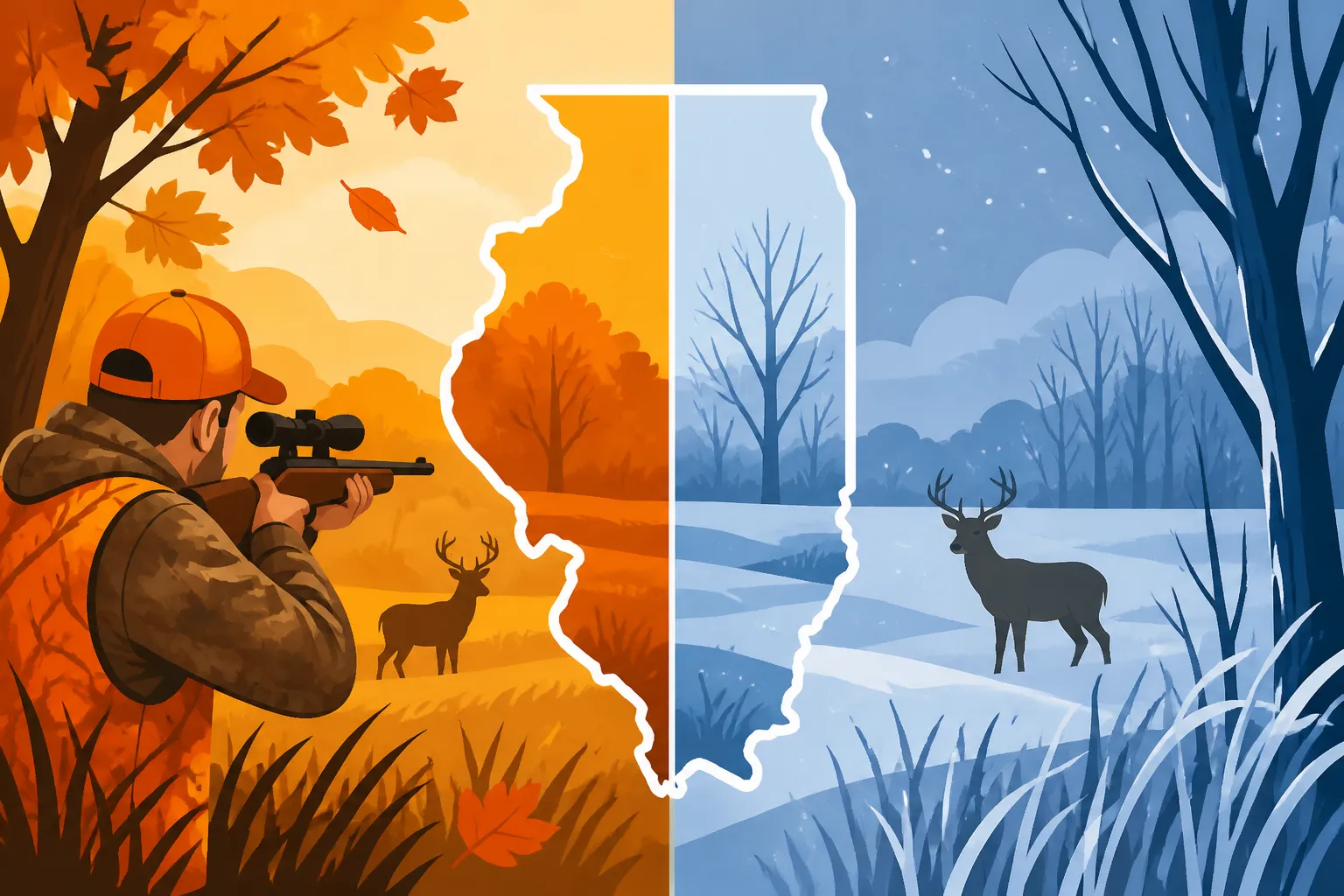
For many deer hunters, the Illinois firearm season is a highly anticipated event, but its unique structure can certainly feel a bit like a puzzle. With two distinct periods, understanding the nuances of each, from specific dates to prevailing conditions and deer behavior, is key to success. This guide will walk you through exactly how Illinois's firearm seasons are split, what makes each period unique, and how you can best prepare to punch your tag.
Understanding the Illinois Firearm Season Structure
Illinois's approach to firearm deer hunting stands out compared to many other states that offer one continuous season. Here, the season is intentionally divided into two separate segments, creating distinct hunting environments and challenges. This isn't just a random scheduling quirk; it's a deliberate management strategy by the Illinois Department of Natural Resources (IDNR) to balance harvest goals, hunter pressure, and deer population control across the state.
Why the Split Season Exists
The split season in Illinois serves multiple purposes. Primarily, it's designed to distribute hunting pressure and provide different opportunities for hunters, especially considering the varied landscapes from the northern CWD zone down to the Shawnee Hills. By having two separate periods, the IDNR aims to maximize harvest potential, particularly for antlerless deer, which is crucial for population management. It also gives hunters more flexibility in their schedules, allowing them to choose which period best fits their availability or preferred hunting conditions. For some, the early November rush is ideal, while others prefer the late-season challenge in December. This structured approach helps manage overall deer numbers and hunter density on public and private lands, preventing too much pressure at any single time.
Key Dates and Regions
The specific dates for the split seasons are set annually by the IDNR, but they generally follow a predictable pattern. The first firearm season typically runs for three days in mid-November, often encompassing a Friday, Saturday, and Sunday. This period is strategically timed to coincide with a significant portion of the rut in many parts of the state. The second firearm season, on the other hand, is usually a four-day stretch in early December, often from Thursday through Sunday. These dates are crucial for planning, especially when applying for permits. While the general structure applies statewide, regional deer densities and hunter concentrations can vary wildly. Hunters targeting specific areas, like the famed big-buck counties of West-Central Illinois or the public lands in southern Illinois, need to pay close attention to the specific dates and permit availability for their chosen county. For detailed planning, checking the official IDNR website for the current year's dates is always the first step, as these can shift slightly. You can find more information about these specific dates in resources like Illinois First Firearm Season Dates and Illinois Second Firearm Season Dates.
Diving Deep into the First Firearm Season
The first firearm season in Illinois is often characterized by a flurry of activity, both from deer and hunters. It's a short, intense window that can offer incredible opportunities, but it also comes with its own set of challenges. This period is when many hunters pull out all the stops, knowing that the timing often aligns with prime deer movement.
Strategic Advantages of Opening Weekend
There's a reason why the first firearm season, particularly opening weekend, is so popular. It typically falls right in the heart of the rut for many Illinois whitetails, especially in the central and northern zones. Bucks are actively chasing does, making them more visible and less cautious during daylight hours. This increased movement can lead to more encounters, especially for hunters positioned in travel corridors, pinch points, or near doe bedding areas. The deer are still relatively unpressured by firearm hunters, and their behavioral patterns are largely driven by breeding instincts, which can be predictable if you've done your preseason scouting. Hunters who understand deer behavior during this peak breeding period often focus on stand placement that capitalizes on a buck's search for receptive does, making rattling and grunting calls particularly effective. This strategy is further explored in Opening Weekend Tactics for First Firearm Season.
Typical Hunting Pressure and Deer Behavior
While the rut offers advantages, the first firearm season also brings significant hunter pressure, especially on public lands. Weekends, in particular, see a large influx of hunters, which can quickly change deer behavior. Initially, deer might move more freely, but after a day or two of heavy hunting, they can become nocturnal or retreat to dense cover. This pressure often forces deer into thicker bedding areas or onto neighboring private lands with less intrusion. Understanding this dynamic is crucial. Successful hunters during this period often try to get to their stands well before daylight, minimize their scent, and position themselves in areas that offer some sanctuary from other hunters. They also learn to read the immediate impact of pressure, adjusting their tactics from aggressive calling to more patient, ambush-style hunting as the days progress.
What to Expect: Weather and Rut Activity
Weather during the first firearm season can be a mixed bag. Early November can sometimes bring mild, almost Indian summer-like conditions, while other years see bitter cold fronts and even early snow. Generally, cooler temperatures are preferred by hunters, as they encourage deer movement and make scent control easier. As for rut activity, it can vary year to year and region to region. While the peak rut is generally considered to be in early November, breeding activity can stretch from late October through Thanksgiving. During the first firearm season, you're likely to see a good mix of bucks actively seeking, chasing, and tending does. This makes targeting travel routes between bedding and feeding areas, or even focusing on fresh scrape lines, a viable strategy. Understanding the timing of Hunting the Rut in Early November is critical for anticipating deer movement during this period.
Navigating the Second Firearm Season
The second firearm season offers a stark contrast to the first. Occurring later in the year, it typically presents colder conditions and deer that have already experienced hunting pressure. Success in this period often requires a different mindset and a more patient, adaptive approach.
The Short Window and Late-Season Challenges
The second firearm season, usually a four-day affair in early December, is a shorter window of opportunity, and it's often more challenging. By this time, deer have been pushed and prodded by archery hunters since October, and then faced the intense pressure of the first firearm season. They are warier, often moving less during daylight, and have settled into a more predictable, yet often harder to intercept, pattern centered on food and security. The weather is also a major factor; colder temperatures, snow, and ice can impact both hunter comfort and deer movement. Many deer hunters find themselves bundled up in layers, enduring long, cold sits, hoping for that one crucial encounter. The initial rut frenzy is largely over, so tactics shift from aggressive calling to more subtle approaches focused on bedding-to-feeding patterns. For more specific tactics, refer to Hunting the Second Firearm Season in December.
Different Deer Patterns in December
With the rut winding down, deer behavior in December shifts dramatically. Bucks are recovering from the breeding season, focused on replenishing lost energy, and does are concentrating on maintaining body condition. The primary drivers for deer movement become food, shelter, and minimizing encounters with humans. This means focusing on late-season food sources becomes paramount. Standing crop fields, particularly corn and soybeans, food plots specifically planted for late-season forage like brassicas or winter wheat, and even overlooked acorn patches can be magnets for deer. Bedding areas, especially those offering thermal cover like thick cedars, pine plantations, or south-facing slopes, become critical sanctuaries. Deer will often only move out to feed during low-light hours or during periods of severe weather, making morning and evening hunts around these food sources the most productive. Understanding Late-Season Food Sources for Illinois Whitetails is invaluable for this period.
Equipment and Tactics for Colder Weather
Hunting in December often means battling the elements. Adequate cold-weather gear is not just about comfort; it's about safety and your ability to remain still and focused for extended periods. Layering is key, with moisture-wicking base layers, insulating mid-layers, and a waterproof, windproof outer shell. Hand warmers, insulated boots, and a warm hat are non-negotiable.
Tactically, patience is the ultimate virtue. Longer sits are often required, as deer might not move until midday or just before dark. Still-hunting or slow-walking through thick cover can be effective in pushing deer out of dense bedding areas, especially with a light snow cover. Ground blinds, properly brushed in, can also be excellent for late-season hunts, offering warmth and concealment, particularly when positioned near known food sources. Remember, legal weapons during Illinois firearm season include shotguns, muzzleloaders, and straight-wall cartridge rifles, giving hunters various options depending on personal preference and county regulations.
Permit Allocation and Availability
Navigating the permit system is often as challenging as the hunt itself. Illinois uses a lottery system for many of its firearm deer permits, and understanding how these are allocated and what your chances are is vital for successful planning.
How Permits are Distributed
Illinois firearm deer permits are generally distributed through a lottery drawing system, particularly for the more popular counties. Applicants apply for a specific county or hunt area and a specific season (first or second firearm). Residents typically have multiple options, including combination permits (one antlered, one antlerless) or antlerless-only permits. Non-residents face stricter limitations and higher fees. The IDNR sets quotas for each county based on population management goals. If demand exceeds supply in a particular county, permits are awarded via random lottery. Unsold permits after the initial lottery rounds may become available over-the-counter or through subsequent online sales, but these are often for less popular counties or antlerless-only tags. It's important to monitor the IDNR website closely for application periods and results. More details can be found about Illinois Resident Deer Permit Options and Illinois Nonresident Deer Permit Costs.
The Role of Bonus Antlerless Tags
Bonus antlerless permits play a critical role in Illinois's deer management strategy, especially in counties where population reduction is a priority. These permits are typically available after the main lottery has concluded and are often sold over-the-counter or through secondary online sales. They are designed to encourage hunters to harvest does, which helps control overall herd numbers. For firearm hunters, these bonus tags can extend hunting opportunities and allow for additional deer harvest. In some CWD (Chronic Wasting Disease) counties, special bonus antlerless tags or extended seasons may be offered to help reduce the spread of the disease by increasing harvest. Always check the specific regulations for your chosen county, as rules regarding bonus antlerless permits can vary, particularly in areas with higher deer densities or CWD concerns.
Non-Resident Considerations
For non-resident hunters, obtaining an Illinois firearm deer permit can be significantly more challenging and expensive. Non-resident firearm permits are very limited and highly sought after. They are typically available only through the lottery system, and chances of drawing a permit, especially in prime counties like Pike or Adams, can be quite low. Non-residents usually apply for a combination permit (one antlered, one antlerless) for a specific county and season. Because of the demand, many non-residents planning an Illinois hunt will often book with an outfitter who might have access to private land and can help navigate the permit process. Due to the limited availability, non-residents should apply as early as possible and consider applying for less-pressured counties if their primary goal is simply to hunt deer in Illinois, rather than a specific trophy county. It’s also important to note that many outfitters book years in advance due to this permit scarcity.
Here's a quick comparison of the two firearm seasons:
| Feature | First Firearm Season (Mid-November) | Second Firearm Season (Early December) |
|---|---|---|
| Duration | Typically 3 days (Fri-Sun) | Typically 4 days (Thu-Sun) |
| Timing | Coincides with peak rut in many areas | Post-rut, focus shifts to food and recovery |
| Weather | Variable; can be mild or cold, often less severe than second season | Generally colder, higher chance of snow/ice |
| Deer Activity | Bucks actively seeking/chasing does, increased daylight movement | Deer focused on feeding/bedding, more nocturnal, wary of pressure |
| Hunter Pressure | Very high, especially opening weekend | Moderate to high, can be intense on weekends, but deer are warier |
| Key Tactics | Ambush in travel corridors, calling, stand hunting near doe areas | Stand hunting near late-season food sources, still-hunting thickets |
| Permit Odds | Often higher demand, especially for popular counties | Potentially slightly easier draw for some counties (variable) |
Maximizing Your Success in Both Seasons
Regardless of which firearm season you choose to hunt, or if you're lucky enough to draw permits for both, success often hinges on good preparation, adaptability, and understanding the Illinois deer herd.
Scouting and Adaptability
Pre-season scouting is non-negotiable for success in either firearm season. This includes walking potential hunting areas, identifying funnels, pinch points, bedding areas, and food sources. Tools like GoHunt can be invaluable for this, allowing you to study satellite imagery, topo maps, and land ownership from your couch before you even step foot in the woods. Pay attention to historical deer patterns, which can often be found by reviewing past harvest reports for your county. However, scouting shouldn't stop when the season starts. Deer behavior, particularly during the firearm seasons, can change rapidly due to pressure, weather, and the progression of the rut. Being adaptable means being willing to move your stands, change your approach, or even shift hunting locations if your initial plan isn't producing. For instance, if deer are getting hammered on a ridge, moving to a secluded creek bottom might be the ticket. Understanding how to use the Illinois DNR Map Tool can help you scout and locate potential public hunting grounds and identify key features.
Public Land vs. Private Land Strategies
The strategies for public and private land often diverge significantly during Illinois's firearm seasons. On private land, hunters often have more control over pressure, allowing them to establish sanctuaries, plant food plots, and dictate deer movement more effectively. Here, consistent, low-impact hunting can be very productive. Conversely, public lands typically see much higher hunter density. Success on public ground often means walking further, finding overlooked pockets of habitat, or hunting areas that are difficult for others to access. This might involve wading through swamps, navigating dense thickets, or hiking into remote bluffs. Identifying these less-pressured spots, often miles from a parking area, is a strategy many public land hunters employ. Using mapping platforms like GoHunt can help identify potential remote access points and property boundaries on both types of land, ensuring you stay legal and find unpressured zones. Remember, even on private land, permission is paramount, and it's essential to understand Illinois Trespass and Permission Law.
Gear Considerations for Illinois Conditions
Illinois weather can be notoriously unpredictable, especially during November and December. Good gear is crucial for staying comfortable and focused. Beyond your weapon of choice (remember to check Legal Weapons During Illinois Firearm Season), consider:
- Layered Clothing: Essential for adapting to fluctuating temperatures. Think moisture-wicking base layers, insulating fleece or down, and a waterproof, windproof outer shell.
- Warm Boots: Insulated, waterproof boots are critical, especially for cold, wet, or snowy conditions.
- Optics: High-quality binoculars are vital for spotting deer in thick cover or at long distances, especially in low light.
- Scent Control: Even during firearm season, minimizing human odor can make a big difference, particularly on pressured deer.
- Mapping Tools: A reliable GPS or mapping app (like GoHunt) on your phone is a must for navigation, marking stand locations, and identifying property lines. Always carry a portable power bank for your devices.
- Safety Gear: A quality safety harness for elevated stands is non-negotiable. Also, remember Illinois's blaze orange requirements during firearm season; hunters must wear at least 400 square inches of solid blaze orange (or blaze pink) material, with at least 100 square inches on the head and 100 square inches on the back and chest.
Overlap and Special Seasons
Illinois's hunting regulations can feel like a complex tapestry, with various seasons often overlapping or interacting in unique ways. Understanding these overlaps is crucial for hunters who participate in multiple seasons or simply want to maximize their opportunities.
Archery and Muzzleloader Overlaps
During both the first and second firearm seasons, archery hunting is typically closed statewide for deer. This means bowhunters must put their equipment away during these specific firearm periods. However, there's a unique wrinkle with muzzleloader hunting. Illinois does have a dedicated Muzzleloader Deer Hunting in Illinois season, which usually runs for three days immediately following the second firearm season. But what many hunters forget is that muzzleloaders are also considered legal weapons during the regular firearm seasons. This means if you draw a firearm permit, you have the option to use a muzzleloader instead of a shotgun or straight-wall rifle, giving you flexibility. Some hunters prefer muzzleloaders for their traditional challenge or because they are comfortable with the platform. Always double-check the specific regulations for the year, as weapon restrictions can sometimes vary by county or site-specific rules, especially on public lands.
Youth Deer Weekend Interaction
Illinois offers a special Hunting the Illinois Youth Deer Weekend that typically occurs in early October, well before the main firearm seasons. This season is specifically designed to provide young hunters (usually under 18) an early opportunity to harvest a deer with adult supervision, using a firearm. While it's a separate event, it can interact with the general firearm seasons in a few ways. For families who hunt together, it offers a chance to introduce youth to firearm hunting without the heavy pressure of the mid-November or early December periods. Deer harvested during the Youth Weekend count towards statewide harvest totals but are separate from the regular firearm permit allocations. If a youth has a successful hunt during this early weekend, it doesn't preclude them from hunting again during the regular firearm seasons if they draw an additional permit, provided they adhere to all state bag limits. It's a fantastic program designed to get the next generation involved in conservation and hunting.
Disclaimer
Please note that hunting regulations, season dates, and permit requirements are subject to change by the Illinois Department of Natural Resources (IDNR). While this guide provides comprehensive information, it is the hunter's responsibility to review the most current official IDNR hunting regulations prior to any hunting activity. This content is for informational purposes only and does not constitute legal advice.