Thermal-Assisted Hog Guide Packages
For many Illinois hunters, the challenge of managing the destructive feral hog population feels like an uphill battle. These intelligent, elusive animals cause significant damage to crops and native habitats, often moving under the cloak of darkness. That's why thermal-assisted hog guide packages have become such a popular and effective solution, offering a specialized approach to target these nocturnal nuisances and helping both landowners and hunters address this persistent problem head-on. This guide will walk you through everything you need to know about these unique hunting opportunities, from what they entail to how to find the right outfitter.
Why Thermal Hog Hunting in Illinois?
The very mention of "feral hogs" often brings a sigh of exasperation to Illinois landowners and wildlife managers alike. These animals are a genuine menace, ripping up fields, destroying wildlife food sources, and outcompeting native species. Traditional hunting methods often fall short because hogs are largely nocturnal, especially when pressured, making them incredibly difficult to locate and pursue during daylight hours. This is where thermal technology steps in, offering an unparalleled advantage.
The Challenge of Feral Hogs in Illinois
Feral hogs are not native to Illinois, and their presence is purely detrimental. They breed rapidly, can be incredibly destructive, and are notoriously difficult to control once established. In counties across Southern Illinois and even into some central regions, these animals have caused millions of dollars in agricultural damage, rooting through corn and soybean fields, contaminating water sources, and preying on vulnerable fawns and ground-nesting birds. Because Illinois treats hogs as unprotected wild animals, there are specific regulations in place to encourage their eradication, including a year-round, no-limit season on private land. You'll often find resources outlining Illinois's Year-Round Hog Rule on Private Land to help hunters understand these unique provisions.
The nocturnal habits of these animals are their greatest defense. During the day, particularly in warmer months or after being pressured, hogs will bed down in the thickest cover they can find – dense briar patches, creek bottom tangles, or deep timber. They emerge primarily after dusk to feed, travel, and cause their havoc, disappearing back into cover before sunrise. This shift in behavior makes traditional daytime hunting incredibly challenging and often unproductive, leading to mounting frustration for those trying to manage their numbers.
Why Thermal is a Game-Changer
Thermal imaging technology literally pierces the darkness, making the invisible visible. Instead of relying on ambient light, thermal devices detect heat signatures, allowing hunters to spot hogs moving through fields, timber edges, or dense brush at night. This isn't just about seeing in the dark; it's about seeing through the dark in a way no other technology can. A hog hidden in a shadow line or partially obscured by sparse cover will glow like a beacon through a thermal scope, providing a clear advantage over animals that are masters of stealth in low-light conditions.
For hunters, this means not only a higher success rate but also a more efficient and targeted approach to hog removal. It transforms a frustrating, hit-or-miss endeavor into a precise operation. Imagine scanning a vast soybean field at 2 AM and instantly picking up the heat signature of a dozen hogs methodically destroying the crop – this is the power of thermal. This technology also significantly increases safety, as it allows hunters to positively identify their target and ensure a clear backdrop, reducing the risk of accidental injury in the dark. Many outfitters now offer guided Night Hunting Hogs With Lights on Private Land to take advantage of these technological advances.
What's Included in a Thermal-Assisted Hog Package?
When you book a thermal-assisted hog guide package in Illinois, you're not just paying for access; you're investing in an experience that provides the tools, expertise, and safety protocols necessary for a successful night hunt. These packages are designed to take the guesswork out of an otherwise complex pursuit, making it accessible even to those unfamiliar with thermal equipment.
Equipment and Technology Provided
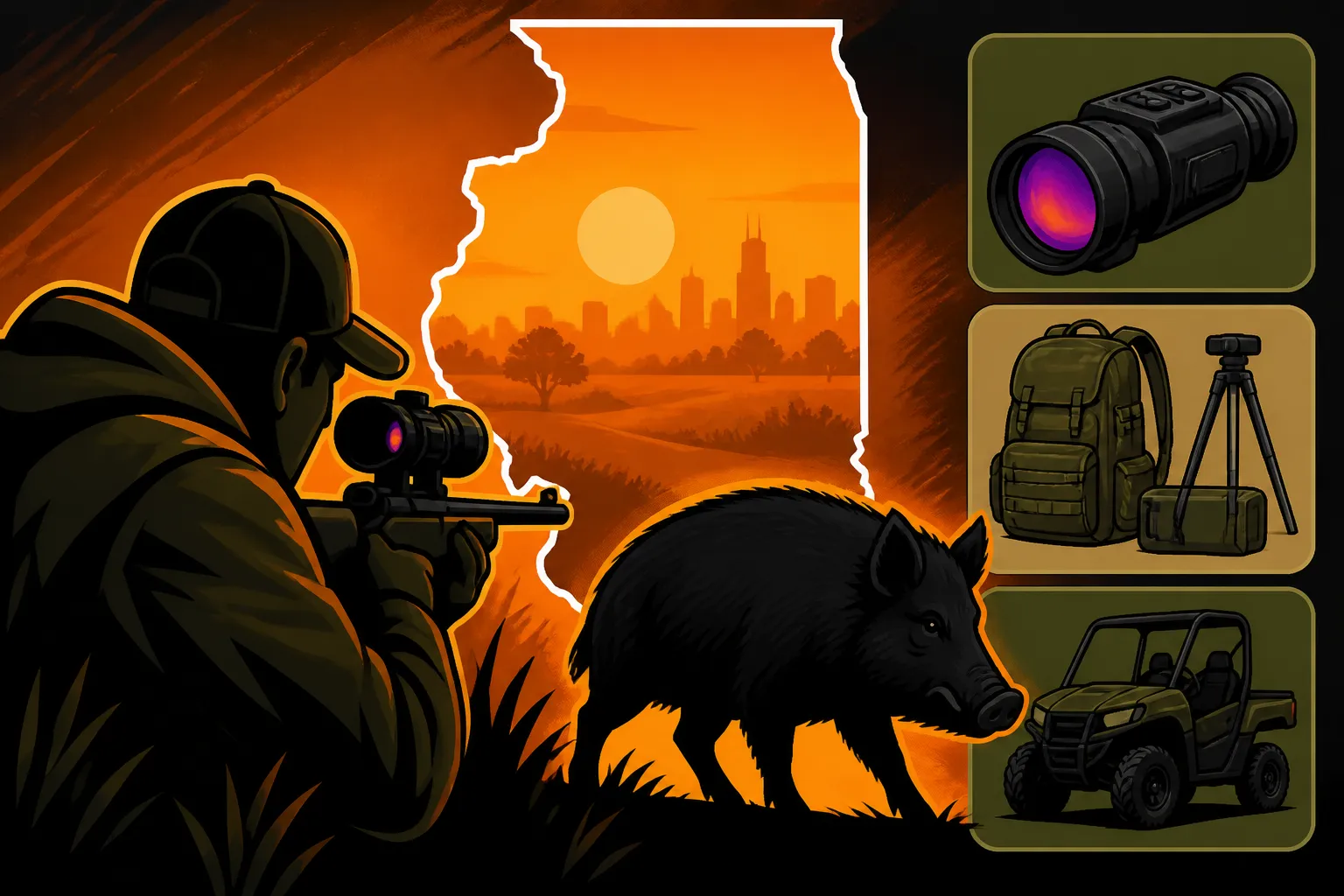
One of the primary benefits of booking a guided thermal hog hunt is gaining access to high-end thermal imaging equipment that would be prohibitively expensive for most individual hunters to purchase. Your outfitter will typically supply everything needed for the hunt itself, which usually includes modern sporting rifles chambered in appropriate calibers, often equipped with suppressors to reduce noise and muzzle flash. The real stars of the show are the thermal optics: riflescopes that mount directly to the firearm and handheld thermal monoculars for scanning the landscape.
The quality of this equipment can vary between outfitters, but reputable guides will invest in reliable, clear, and easy-to-use thermal devices. They'll also provide training on how to operate them effectively, ensuring you're comfortable and confident before you even step foot in the field. Beyond the optics and firearms, some packages might include specialized hunting vehicles like UTVs or trucks modified for night hunting, equipped with spotlights (if legal and used by the guide for recovery, not active hunting with thermal). This comprehensive gear provision means you don't have to worry about the technical side; you can focus on the hunt itself.
Guide Services and Safety Briefings
A good thermal hog guide is much more than just a driver; they are an expert in nocturnal hog behavior, land navigation, and thermal equipment operation. From the moment you arrive, your guide will provide a thorough safety briefing, covering everything from firearm handling in low light conditions to communication protocols during the hunt. This is particularly crucial when dealing with thermal optics, as the visual field is different from traditional daytime scopes.
During the hunt, your guide will be actively scouting and spotting hogs using their own thermal devices, directing you to optimal shooting positions, and helping you identify legal and ethical shot opportunities. They know the properties intimately – where hogs like to feed, where they travel, and where they might try to escape. This local knowledge, combined with their expertise in thermal hunting tactics, drastically increases your chances of success. They'll also be responsible for ensuring you stay within legal boundaries, especially concerning property lines and any specific regulations for the hunting area. Look for guides who prioritize clear communication and a safe, enjoyable experience.
Post-Hunt Logistics and Processing
The hunt doesn't end when the shot is fired. One of the less glamorous, but equally important, aspects of a guided thermal hog package is the post-hunt logistics. Retrieving a hog in the dark, especially from dense cover or muddy terrain, can be a real challenge. Your guide will assist with tracking, recovery, and transport of your harvested animal. Many outfitters have dedicated recovery vehicles or ATVs to make this process as efficient and clean as possible.
Once the hogs are recovered, the outfitter will typically have facilities for initial field dressing, and some might even offer full processing services or connect you with a local butcher. It's always a good idea to clarify these details upfront. Some hunters prefer to take their hogs home for processing, while others appreciate the convenience of having it handled onsite. Remember, these animals are excellent table fare, and proper handling ensures the meat is high quality. Make sure you understand Illinois Hog Hunting Permit Requirements and reporting if applicable, although most feral hog hunting on private land does not require specific permits.
Finding the Right Thermal Hog Guide in Illinois
With the growing popularity of thermal hog hunting, more outfitters are offering these specialized packages. But how do you sort through the options and find a reputable guide that matches your expectations and delivers a safe, successful experience? It requires a bit of research and asking the right questions.
Vetting Outfitters and Asking Key Questions
Before you commit to a package, it's vital to vet your potential outfitter thoroughly. Start by looking for guides with a strong track record and positive reviews. Online platforms like BookYourHunt or GoHunt can be great starting points, as they often aggregate information and reviews from multiple outfitters. Pay attention to comments about guide professionalism, equipment quality, and the overall hunting experience. It’s important to understand What a Guided Night Hog Hunt Costs before you make any decisions, as prices can vary.
When you contact an outfitter, don't be shy about asking detailed questions:
- Experience: How long have they been offering thermal hog hunts? What's their success rate?
- Property: How much land do they have access to? Is it solely private land? How is the hog population managed on their properties?
- Equipment: What specific thermal optics and firearms do they provide? Are suppressors standard?
- Safety: What are their safety protocols for night hunting?
- Logistics: What's included in the package beyond the hunt (lodging, meals, processing)? What's the typical group size?
- References: Can they provide references from past clients?
Reputable outfitters will be transparent and happy to answer all your questions, providing a clear picture of what you can expect. This step is crucial for managing expectations and ensuring a good fit. This process is similar to what you'd do to Vetting an Illinois Outfitter Before You Book for any other species.
Understanding Pricing Structures and What to Expect
Thermal-assisted hog guide packages aren't typically cheap, primarily due to the significant investment in high-end thermal equipment, specialized vehicles, and the guide's expertise. Pricing structures can vary widely:
| Package Type | Description | Typical Inclusions |
|---|---|---|
| Per-Hunter Day Rate | Pay for each hunter per night of hunting. Often excludes lodging/meals. | Guide, thermal rifle/scope, ammunition, field dressing, basic recovery. |
| All-Inclusive Package | Covers multiple nights, lodging, meals, and sometimes a set number of hogs. | Guide, thermal gear, ammo, lodging, meals, recovery, sometimes initial processing, potentially a target number of hogs. |
| Flat Rate (Per Hog) | Less common for thermal, but some might offer a "trophy fee" after a certain number of hogs harvested. | Varies, usually an add-on to a day rate. |
| Group Packages | Discounted rates for booking as a small group. | Similar to day rate but for multiple hunters, encouraging friends to hunt together. |
When comparing prices, make sure you're comparing apples to apples. A cheaper day rate might not include ammunition, lodging, or even a set number of hogs, while a higher-priced all-inclusive package might cover everything from the moment you arrive until you leave. Always get a clear, written quote that details exactly what is and isn't included. You should also inquire about additional costs like potential "trophy fees" for exceptionally large hogs, although this is rare for feral hogs given their status as a nuisance animal. Understanding these details helps avoid any unpleasant surprises.
Booking Considerations and Non-Resident Hunters
Booking a thermal hog hunt often requires planning, especially if you're aiming for peak season availability or popular dates. Because thermal hunting is often done year-round, you might have more flexibility than with traditional deer or turkey seasons. However, the best guides with prime properties can still book up quickly. Consider Year-Round Booking for Illinois Hog Hunts if you have a specific date in mind.
For non-resident hunters, Illinois is very welcoming when it comes to feral hogs on private land. As hogs are considered a nuisance, the hunting regulations are far less restrictive than for deer or turkey. Generally, non-residents will need to purchase an Illinois hunting license and a State Habitat Stamp, but no specific hog permits are usually required for private land. Always confirm current licensing requirements with your chosen outfitter and the Illinois Department of Natural Resources (IDNR) to ensure you're fully compliant before your trip. Don't forget to ask about any specific Illinois Nonresident License Options you might need.
Preparing for Your Thermal Hog Hunt
Even though a guided thermal hunt provides much of the specialized equipment, showing up prepared will enhance your experience and ensure you're comfortable and effective in the field. Night hunting comes with its own unique set of considerations beyond what you might be used to during daylight hours.
Essential Gear and Clothing
Comfort and practicality are key when preparing for a night hunt. While you might not need blaze orange, you'll still need appropriate clothing for the weather conditions, which can fluctuate dramatically in Illinois, especially at night. Think layers, even in warmer months, as temperatures can drop significantly after dark.
Here's a checklist of essentials to consider packing:
- Warm, Dark Clothing: Layers are crucial. Avoid bright colors or reflective materials. Muted greens, browns, or camouflage are ideal.
- Waterproof Outerwear: Illinois weather is unpredictable. A quiet, waterproof jacket and pants are highly recommended.
- Comfortable, Sturdy Boots: You'll be walking through fields, potentially muddy areas, and uneven terrain in the dark. Good ankle support and waterproofing are essential.
- Gloves and Hat: Even on mild nights, these can make a big difference in comfort.
- Headlamp with Red Light Option: While your guide will have lights, a personal headlamp is invaluable for setting up, packing your gear, or navigating around camp. The red light preserves your night vision.
- Small Backpack: To carry water, snacks, extra layers, and your headlamp.
- Personal Hydration: Water bottle or hydration pack.
- Snacks: Energy bars or other quiet snacks to keep you fueled during long hours.
- Insect Repellent: Especially important during warmer months to ward off mosquitoes and ticks.
- Photo ID and Hunting License: Always keep these accessible.
Remember, quiet gear is paramount. The rustle of a jacket or the clank of equipment can spook hogs, even at night. Choose materials that are soft and don't make excessive noise when you move.
Physical Demands and Mindset
While thermal hunting gives you a technological edge, it doesn't mean it's entirely effortless. Depending on the terrain and the outfitter's tactics, you might be doing a fair amount of walking, sometimes quickly, across uneven or freshly rooted ground. You'll need to be able to move quietly and hold steady for a shot, often from a standing or kneeling position. This can require a certain level of physical fitness and stamina.
Beyond the physical, the mental aspect is important. Night hunting requires patience and focus. You'll be sitting or scanning for long periods in the dark, and shots can come quickly and unexpectedly. Practicing with your firearm (if you're bringing your own and it's allowed, or if the outfitter provides a practice session) to maintain shooting proficiency is always a good idea. Maintaining a positive attitude, even if the hogs are being extra elusive, will contribute to a better overall experience. Remember, thermal hunting is an intense and thrilling experience, but it also demands respect for the animal and the environment, even if they are a destructive pest.
Comparing Thermal Hunts to Other Hog Hunting Methods
Thermal-assisted hog hunting is undoubtedly a potent tool in the fight against feral swine, but it's important to understand how it fits into the broader landscape of hog control methods. It offers distinct advantages but also brings unique considerations compared to traditional daytime hunting or trapping.
Thermal vs. Daytime Stalking or Trapping
When it comes to effectiveness, thermal hunting often stands head and shoulders above traditional daytime stalking for nocturnal hogs. During the day, hunters are limited to visual detection and are often battling thick cover where hogs can disappear in an instant. The success rate for daytime stalking, especially on pressured hogs, can be low and highly dependent on luck or specific conditions like extremely cold weather that forces hogs to feed in daylight.
Trapping, on the other hand, is arguably the most effective long-term solution for large-scale hog removal. It allows for the capture of entire sounders (groups of hogs) and doesn't require direct hunter presence during the capture. However, trapping requires a significant investment in equipment, time, and specialized knowledge to set up and manage trap sites effectively. It's a continuous, labor-intensive process, whereas thermal hunting offers an immediate, targeted approach for direct removal. Many landowners combine both methods, using trapping for population reduction and thermal hunting for targeted removal of wary individuals. Guides who offer Thermal Hog Hunt Package Costs may also offer trapping advice.
| Feature | Thermal-Assisted Hunting | Daytime Stalking/Still Hunting | Trapping (Guided or Self-Directed) |
|---|---|---|---|
| Time of Day | Primarily nocturnal, capitalizing on hog activity. | Daylight hours, when hogs are often bedded or wary. | 24/7 passive capture, checked periodically. |
| Equipment Cost | High for personal purchase; included in guided packages. | Low (standard hunting gear). | Moderate to high (panels, gates, cameras, bait). |
| Success Rate | Generally high for targeted removal due to night vision advantage. | Variable, often low for pressured or nocturnal hogs. | Potentially highest for large-scale removal of entire sounders. |
| Effort Required | Moderate physical demand (walking, scanning); high mental focus. | High physical demand (extensive walking, stealth); high patience. | Moderate physical demand (setting traps, baiting); high patience for monitoring. |
| Range of Impact | Direct removal of individual hogs or small groups. | Direct removal of individual hogs. | Large-scale population reduction (entire sounders). |
| Hunter Experience | Enhanced and thrilling due to technology; often guided for safety/expertise. | Traditional hunting experience; challenging for elusive hogs. | Requires specific knowledge of hog behavior and trap management. |
Ethical Considerations and Best Practices
While thermal technology provides a significant advantage, ethical hunting practices remain paramount. The ease with which hogs can be spotted at night through thermal optics doesn't negate the responsibility of taking clean, humane shots. A good outfitter will emphasize shot placement and encourage hunters to only take shots within their comfort zone and the effective range of the firearm.
Always confirm your target thoroughly. Even with thermal, it's possible to misidentify. Your guide will assist in ensuring you're only targeting hogs. Furthermore, rapid follow-up shots, while sometimes necessary with multiple hogs, should always be controlled and deliberate. The goal is efficient, humane dispatch, not indiscriminate shooting. Following these best practices ensures that thermal hunting remains a respected and effective method for managing Illinois's feral hog problem, while upholding the tenets of responsible hunting. You can find more information about Hunting Illinois's Year-Round Feral Hogs to ensure you're always in compliance.
Disclaimer
This article is for general informational purposes only and does not constitute professional advice. Laws, prices and regulations vary by location and change over time. Consult a qualified professional for guidance on your specific situation.