Reading Illinois Outfitter Reviews Critically
It's easy to get swept away when you're dreaming of an Illinois hunting trip, especially when you start diving into outfitter reviews online. You're looking for that perfect experience, hoping to find an outfitter that truly delivers. But let's be honest, sifting through glowing five-star reviews and bitter one-star rants can feel like trying to find a needle in a haystack, leaving you more confused than when you started. This guide is here to help you cut through the noise, showing you how to read Illinois outfitter reviews with a critical eye, so you can make an informed decision for your next adventure.
The Lure and Trap of Online Outfitter Reviews
We've all been there: scrolling through endless pages of testimonials, looking for that golden nugget of information that will seal the deal on our next big hunt. Online reviews have become an indispensable part of planning anything these days, from where you eat dinner to where you book a guided hunt. But what seems like a straightforward source of truth can often be a labyrinth of bias, marketing, and emotion.
Why Reviews Are So Appealing and Deceptive
The appeal of online reviews is undeniable. They offer a peek behind the curtain, a collective voice of past clients sharing their experiences. For a prospective hunter, this social proof feels incredibly valuable. You get a sense of what to expect, how an outfitter treats their clients, and if their promises hold up in the field. It feels like getting advice from a buddy who's already been there.
However, this very appeal can be deceptive. Not all reviews are created equal. Some are genuinely helpful, penned by thoughtful hunters who detail their experience with balance and nuance. Others might be overly enthusiastic, written by someone still high on the adrenaline of a successful kill, without much critical reflection on the overall service. Then there's the flip side: the scathing one-star review, often fueled by disappointment, a missed shot, or perhaps unrealistic expectations. These highly emotional responses can be just as misleading as the overly positive ones, painting an unfair picture of an otherwise reputable operation. Moreover, the internet isn't immune to manufactured reviews, either positive or negative, which further muddies the waters for honest assessment.
The Double-Edged Sword: What Good and Bad Reviews Really Mean
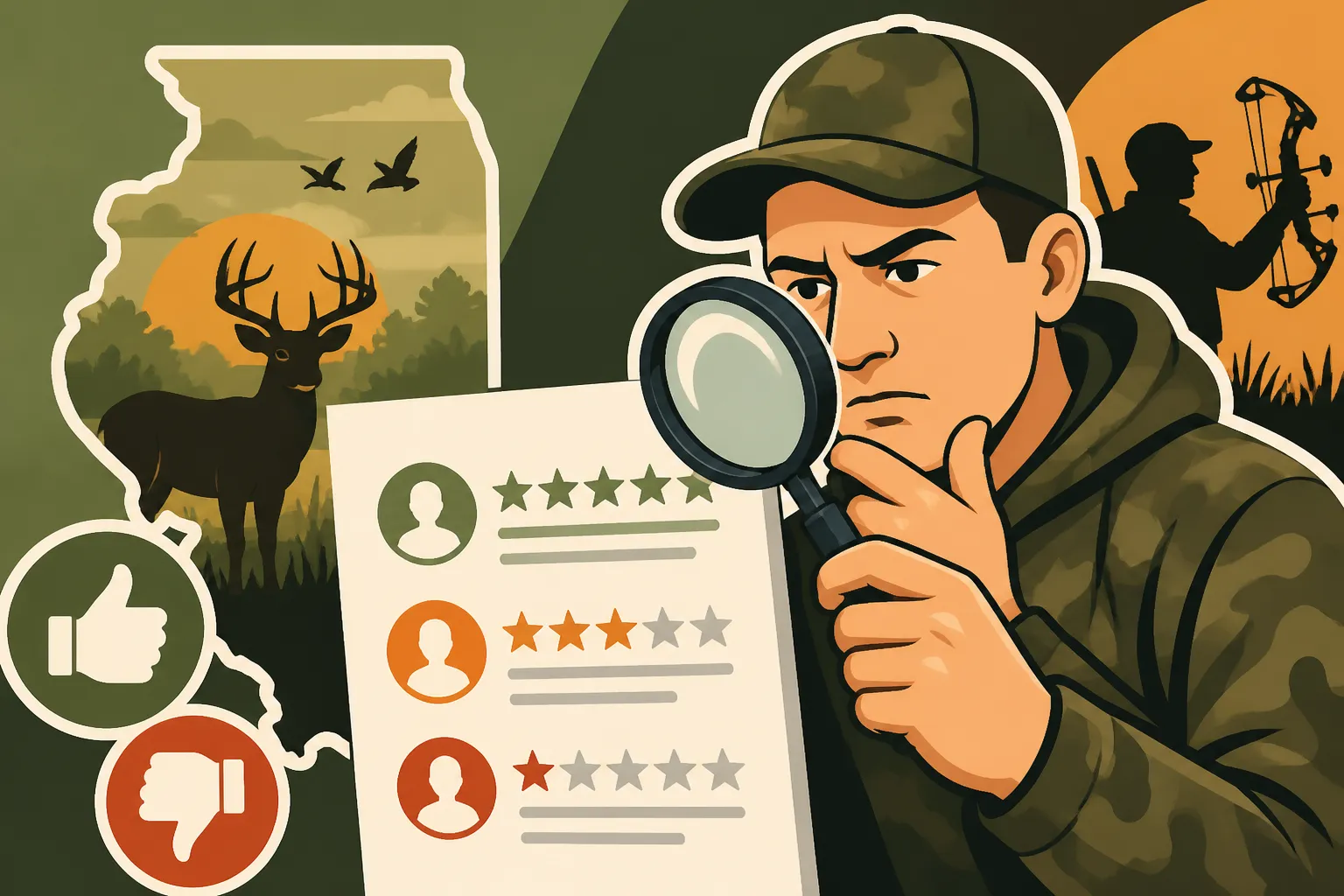
When you see an outfitter with an average 4.8-star rating, your first thought is usually, "Wow, they must be amazing!" And often, they are. But a string of universally glowing reviews, especially if they lack specific details, can sometimes be a red flag. It might indicate that reviews are heavily curated, only the best ones are showcased, or worse, that some might not be entirely organic. Look for patterns, not just high marks. Do multiple five-star reviews mention the same guide's excellent tracking skills, or the consistently comfortable lodging? That's far more trustworthy than a dozen reviews that just say "best hunt ever!"
Conversely, a handful of negative reviews within an otherwise strong average shouldn't necessarily make you write off an outfitter entirely. Sometimes, a "bad" review comes from a client who had a bad day, missed a shot, or had expectations that weren't clearly communicated or were simply unrealistic. Perhaps they didn't understand the physical demands of Hunting the Shawnee Hills Region and felt unprepared. The key is to look for common threads in the negative feedback. If several reviews complain about the same issue – say, poor communication, unkempt accommodations, or a guide who seemed uninterested – then those are legitimate concerns that warrant further investigation. A single disgruntled hunter's complaint about a missed opportunity might not reflect on the outfitter's skill or ethics at all.
Dissecting the Details: Beyond the Star Rating
The star rating is a convenient summary, but it's just the tip of the iceberg. The real meat of a review lies in the narrative, the actual words hunters use to describe their experience. This is where you'll find the nuances that truly differentiate a good outfitter from a great one, or expose potential issues that a high star count might mask.
Focus on Specificity: What to Look For in the Narrative
When you're sifting through reviews, train your eye to look for specificity. Vague praise like "great hunt" or "awesome guide" tells you very little. What you want are concrete details that paint a picture of the operation. Did the reviewer mention the guide's intimate knowledge of the local deer patterns, or how they quickly adapted when the wind shifted unexpectedly? Were the accommodations described in detail, perhaps mentioning comfortable beds or delicious, hearty meals after a long day in the field? Specifics about how the outfitter handles situations, interacts with clients, or manages the hunt itself are far more valuable.
For example, a review stating, "Our guide, Mark, knew exactly where to set up our ground blind along the edge of that standing cornfield, and even pointed out fresh buck sign we'd walked right past" provides actionable insight. This tells you about the guide's expertise and attention to detail. Similarly, a comment on a platform like BookYourHunt, which often encourages users to write detailed testimonials, might say, "The logistics were seamless, from airport pickup to processing our deer, they handled everything efficiently." These kinds of details give you a much clearer understanding of what your actual experience might be like. Look for mentions of:
- Guide's knowledge: Did they understand deer movement, turkey roosts, or waterfowl patterns?
- Effort: Did the guides work hard, even when conditions were tough?
- Equipment: Were the blinds, decoys, or stands well-maintained and comfortable?
- Hospitality: How were the meals, lodging, and overall atmosphere?
- Communication: Was the outfitter responsive and clear before and during the hunt?
Identifying Red Flags: Vague Language and Over-the-Top Promises
Just as specific details are golden, vague language can be a red flag, especially if it's consistently paired with five stars. If a review says, "It was just amazing," but offers no explanation of what was amazing, it's less credible. This could be a sign of a less-than-authentic review or simply a hunter who isn't skilled at articulating their experience.
Even more concerning are reviews that echo overly enthusiastic, unrealistic promises made by the outfitter themselves. If an outfitter's website or social media guarantees "trophy bucks every time" or "100% success," and their reviews mirror this impossible standard without critical thought, it should raise your suspicion. Hunting is, by its very nature, unpredictable. Any outfitter or reviewer promising absolute certainty is likely exaggerating. Be wary of hyperbolic claims that defy the realities of wild game hunting. While you certainly want an outfitter who puts you in the best possible position for success, no ethical outfitter can guarantee a kill, let alone a specific size class of animal. Always remember to check Reading Outfitter Success Claims with a dose of realism.
Here's a quick comparison of what to look for:
| Review Trait | Red Flag (Vague/Unrealistic) | Green Flag (Specific/Realistic) |
|---|---|---|
| Success Rate | "Got my monster buck on day one, guaranteed!" | "Saw multiple mature bucks, passed a few, and harvested a nice 8-point on the last morning." |
| Guide Quality | "Best guide ever, he's a legend." | "Our guide, Mike, was tireless, moving us to three different setups until we found active birds." |
| Accommodations | "Lodge was super awesome." | "The bunkhouse was clean and warm, and the hot showers after a cold day were a godsend." |
| Food | "Meals were incredible." | "They served hearty, home-cooked dinners like chili and venison stew, perfect for filling us up." |
| Overall Vibe | "Five stars, would totally recommend." | "The outfitter fostered a great camp atmosphere; felt like hunting with old friends." |
| Challenges | (No mention of any difficulties or slow periods) | "The weather turned nasty mid-week, but the guides worked even harder to keep us on deer." |
Digging Deeper: Beyond the Review Site Itself
Online reviews are a great starting point, but they should never be your only source of information. A truly critical assessment requires you to become a bit of a detective, cross-referencing information and engaging directly with the outfitter.
Cross-Referencing and External Validation
Don't rely on just one review platform. If an outfitter has reviews on their own website, compare them to what you find on independent booking sites, hunting forums, or social media groups. Does the sentiment remain consistent? Are there similar complaints or praises across different platforms? A solid outfitter will have a generally consistent reputation across the board, even if a few isolated negative experiences pop up.
Many hunting communities on platforms like GoHunt offer forums or social groups where hunters share their experiences, often more candidly than on a formal review site. You might find discussions about specific outfitters, or even direct recommendations and warnings. This kind of anecdotal evidence, while not always verifiable, can provide valuable context. Be sure to seek out Getting References From Past Illinois Clients as a crucial step. Reach out to former clients whose contact information might be provided by the outfitter, or even politely message reviewers you find online if their profile allows it. A reputable outfitter will have no issue providing references, and those conversations can often fill in the gaps left by written reviews.
The Importance of Direct Communication with the Outfitter
After you've done your initial research and sifted through reviews, the next critical step is to pick up the phone or send an email to the outfitter directly. Reviews can give you a general idea, but they can't answer your specific questions or address your unique concerns. This direct communication is your chance to verify details, gauge their professionalism, and ensure their operation aligns with your expectations.
Think of it this way: a review might mention "comfortable stands," but you need to know if those stands are permanent box blinds, ladder stands, or mobile hang-on stands, and if you're comfortable with that. A reviewer might praise the "abundance of game," but you need to ask about success rates for your specific weapon choice (e.g., archery vs. firearm) and the typical size of animals harvested in recent seasons. Use the questions and concerns raised by reviews, both positive and negative, as a springboard for your conversation. If a review mentioned occasional communication issues, ask them about their preferred method of contact and expected response times. If a review highlighted exceptional tracking services, ask them to elaborate on their protocol for wounded game. This also gives you an opportunity to assess their transparency. If an outfitter gets defensive or evasive when you bring up a common critique found in reviews, that's a significant red flag. Don't be afraid to ask Questions to Ask Before Booking an Illinois Hunt.
Understanding Different Hunt Types and Review Nuances
The type of hunt you're booking greatly influences what aspects of a review will be most relevant and how you should interpret them. A deer hunt is very different from a waterfowl hunt, and what constitutes a "good" experience in a review will vary accordingly.
Deer Hunts: Trophy Expectations vs. Realistic Opportunities
For many hunters seeking a guided deer hunt in Illinois, the allure is often tied to the potential for a trophy buck. Reviews for deer outfitters, especially those advertising in renowned areas like Pike County, will frequently focus on antler size, number of mature buck sightings, and success in harvesting record-book animals. While it's natural to dream of that wall-hanger, it's crucial to read these reviews with a discerning eye.
Instead of just looking for mentions of "big bucks," focus on details that speak to the outfitter's strategy and commitment to ethical hunting. Do reviews mention careful management practices that allow deer to reach maturity? Do they talk about the guide's ability to position hunters in high-traffic areas, or their knowledge of Where Shawnee National Forest Bucks Bed? Look for consistent reports of seeing quality deer, not just a single monster harvested by one lucky client. Pay attention to how the outfitter manages hunting pressure, especially on public ground, to ensure a sustained, quality experience. A true quality outfitter will focus on providing consistent opportunities and excellent service, not just a handful of giant deer. Consider What a Guided Illinois Trophy Deer Hunt Costs and whether the reviews align with that investment.
Waterfowl and Turkey Hunts: Guide Effort and Conditions
Waterfowl and turkey hunts are inherently more susceptible to environmental factors like weather and migration patterns. A fantastic guide can do everything right – perfect decoy spread, expert calling, ideal hide – but if the birds aren't flying or talking, success can be elusive. This makes reading reviews for Waterfowl Guide Services on the Illinois River or Finding a Turkey Guide in Illinois particularly nuanced.
In these types of hunts, a critical review will focus less on the absolute harvest numbers and more on the guide's effort, adaptability, and knowledge. Did the guide scout hard to find the birds, even changing locations daily if needed? Did they adjust their calling strategy based on bird responses? Were their blinds comfortable and well-maintained for challenging conditions? For waterfowl, reviews might highlight the quality of decoys, the dog's performance, or the warmth of the layout blinds in a cut cornfield. For turkeys, look for mentions of the guide's ability to read the birds, set up quickly, and call effectively. A review that praises a guide for putting in maximum effort and providing an enjoyable experience, even on a slow day, speaks volumes about the outfitter's quality.
Hog Hunts: Methods and Ethical Considerations
Feral hog hunting in Illinois is a different beast entirely, often characterized by its year-round nature and various hunting methods, including night hunting with thermal optics or dog-driven hunts. Reviews for Booking a Guided Illinois Hog Hunt should be scrutinized for details about the specific hunting methods employed and the outfitter's adherence to safety and ethical practices.
Look for reviews that clearly describe the method of hunting and the guide's proficiency with it. If it's a thermal hunt, do reviewers praise the guide's ability to spot and stalk hogs effectively in the dark? For dog hunts, are the dogs well-trained and handled safely? Beyond the success of the hunt, pay close attention to comments on safety protocols, especially given that hog hunting can involve close-quarters action or shooting at night. Are the guides responsible and do they prioritize client safety? Ethical considerations are also paramount; reviews should reflect a commitment to humane harvesting and respect for the land.
The "Why" Behind the Reviewer: Hunter Experience and Expectations
Every review is filtered through the lens of the individual who wrote it. Their past experiences, skill level, and personal expectations inevitably color their assessment. Understanding this subjectivity is key to extracting truly useful information from reviews.
Seasoned Hunter vs. Novice: Different Perspectives
A hunter on their tenth guided trip to Illinois might have very different expectations and a more critical eye than someone on their first-ever guided hunt. A seasoned veteran might nitpick small details that a novice wouldn't even notice, or they might appreciate a subtle aspect of the hunt that only an experienced hunter would recognize.
For instance, a first-time hunter might write a glowing review simply because they saw deer, regardless of size or opportunity, thrilled by the new experience. Meanwhile, a more experienced hunter might critique the stand placement or the guide's strategy, even if they ultimately harvested an animal. When reading reviews, try to discern the reviewer's experience level if possible. Does their language suggest they're new to hunting, or do they speak with the vocabulary of a long-time outdoorsman? This can help you weigh their comments more appropriately against your own experience level and what you value in a hunt. What seems like a positive for one hunter might be a neutral or even a slight negative for another, depending on their background. Think about if a Self-Guided Versus Outfitted Illinois Hunts is truly what you want or if you need the full support of a guide.
Managing Expectations Based on Reviews
Ultimately, reviews are a tool to help you manage your own expectations, not to guarantee an outcome. No outfitter can control the weather, game movement, or your shooting ability. What good reviews can tell you is whether an outfitter consistently provides excellent service, puts clients in good positions, and works hard to maximize opportunities, even if Mother Nature doesn't cooperate.
If you go into a hunt expecting to bag a Pope & Young buck every time, based on a few highlight-reel reviews, you're setting yourself up for disappointment. Instead, use reviews to understand the typical experience: are the guides friendly and knowledgeable? Are the accommodations comfortable? Is the food good? Are opportunities generally present? Focus on the quality of the process and the service rather than solely on the product (the harvested animal). This mindset will help you appreciate the entire hunting experience, regardless of whether you punch your tag. Sometimes, the camaraderie and the adventure itself are the most memorable parts, and a good outfitter will excel at providing that. Ask yourself When a Guided Hunt Is Worth the Extra Cost for you, considering all these factors.
Disclaimer
This article is for general informational purposes only and does not constitute professional advice. Laws, prices and regulations vary by location and change over time. Consult a qualified professional for guidance on your specific situation.