Full-Body Mount Arrangements Through a Guide
There's nothing quite like the rush of emotions after harvesting a truly magnificent animal in Illinois – whether it's that giant buck you've been chasing or a strutting gobbler that finally committed. But amidst the excitement, a new challenge often emerges: how do you properly preserve this incredible memory, especially if you're far from home or unsure about the best way to handle a full-body mount? This guide will walk you through the practicalities of arranging full-body mount services through your hunting guide, ensuring your hard-earned trophy is preserved flawlessly.
The Immediate Aftermath: Field Care and Communicating Your Vision
Bringing down a trophy animal is just the first step in a successful taxidermy process. What happens in those critical first hours after the shot can make or break the quality of a full-body mount. This is where your hunting guide becomes an invaluable asset, not just in finding the animal, but in ensuring it's handled correctly for taxidermy.
Field Care: The First Critical Steps for a Full-Body Mount
When you've just taken a deer, turkey, or even a coyote that you intend to have full-body mounted, the clock starts ticking. Heat, moisture, and improper handling are the enemies of good taxidermy. Your guide, with their experience in Field Dressing a Deer in Cold Weather or Tracking a Deer in Fresh Illinois Snow, understands these pressures intimately. They can assist with crucial initial steps that are often overlooked by excited hunters.
First and foremost, cooling the animal down rapidly is paramount. This means getting it out of direct sunlight and onto a cooler surface as quickly as possible. For a full-body mount, this also means minimizing any damage to the hide itself. Dragging a deer through the woods can rub hair off or tear the hide, especially on the back, shoulders, or belly, areas critical for a realistic mount. A seasoned guide will know how to use game carts, ATVs (where allowed), or even a specialized sled to protect the hide during extraction. They might suggest methods like carrying the animal over rough terrain rather than dragging it.
Furthermore, proper field dressing is essential, but it needs to be done with taxidermy in mind. While you'll still gut the animal to cool the carcass and preserve the meat, the incisions need to be carefully placed. For a full-body mount, the cut for evisceration often needs to be more precise or limited than if you were just processing it for meat. Your guide will know to make the smallest possible incision, usually just enough to remove the viscera, and to keep blood and other fluids off the exterior hide as much as possible. This careful approach prevents unnecessary contamination or damage that could complicate the taxidermist's work later on.
Communicating Your Desires to Your Guide
This is arguably the most crucial step: you must communicate your intention for a full-body mount to your guide, ideally even before the hunt begins, or at the absolute latest, immediately after the shot. Don't assume they'll know or that standard field dressing practices are sufficient for a full-body mount. Different mounts require different caping techniques, and your guide needs to be prepared for that specific need.
During your pre-hunt discussions, as you're vetting an outfitter (perhaps through resources like BookYourHunt or GoHunt, where you can often see services offered), explicitly ask about their protocol for trophy care. Inquire if they have experience preparing animals for full-body mounts and what their process involves. Some outfitters might even have specific instructions or a preferred method they want followed to ensure the best outcome. This open dialogue helps set expectations and ensures everyone is on the same page from the start.
If you don't discuss it beforehand, make it the first thing you say once the animal is down. "Guide, I want a full-body mount of this one!" This simple statement immediately signals to them that extra care is needed. They can then advise you on how to best position the animal, where not to cut, and how to minimize handling damage. For example, if you're on a Guided Illinois Trophy Deer Hunt, they might recommend not cutting the throat to bleed the animal, but instead, letting it bleed naturally or making a small, discrete cut that won't show on the finished mount. This upfront communication ensures your guide can adjust their routine to accommodate the specific requirements of a full-body mount, saving you potential heartache and extra costs down the line.
Guide's Role in Taxidermy Logistics: Bridging the Gap
Once the initial field care is complete, the logistical challenge of getting your trophy to a qualified taxidermist begins. This can be particularly daunting for nonresident hunters or those who don't have a trusted local taxidermist. A good guide can be an invaluable bridge, connecting you with reputable professionals and assisting with the intricate details of hide preparation and transport.
Connecting You with Local Experts
One of the most significant advantages of working with an experienced Illinois hunting guide is their network of local contacts. They've likely been in the business for years and have established relationships with taxidermists who specialize in local game species, from White-Tailed Deer Across Illinois to Wild Turkeys in Illinois or even Coyotes and Predators in Illinois. This takes a huge burden off your shoulders, saving you the time and stress of researching, vetting, and contacting taxidermists sight unseen.
Your guide can provide recommendations for taxidermists known for their quality work, fair pricing, and reliable service. They can often tell you about a taxidermist's specific strengths – perhaps one is renowned for realistic deer mounts, while another excels at dynamic turkey poses. This local knowledge is invaluable, as finding the right artist for your vision can be tricky. When researching potential guides, platforms like BookYourHunt often include client testimonials that might indirectly speak to an outfitter's taxidermy connections or the quality of local services they recommend.
Moreover, a guide can facilitate the initial contact or even deliver the trophy directly to the taxidermist for you. This is especially helpful if you're traveling a long distance or on a tight schedule. They can explain the circumstances of the harvest, any specific wishes you have for the mount, and ensure the taxidermist receives all necessary information. This direct handover from a trusted source often results in smoother communication and a more accurate understanding of your desired outcome.
Handling and Transporting the Cape and Hide
The actual physical preparation of the cape (the hide for the mount) and its safe transport are critical and complex steps. This is where your guide's hands-on experience truly shines, going beyond simple field dressing. For a full-body mount, the caping process is far more extensive than for a shoulder mount or simply skinning for meat, requiring precise cuts to ensure all necessary skin, head, and sometimes leg bones are intact.
Your guide will likely know the proper caping lines, which typically involve cuts along the back, inside the legs, and around the head and mouth. They'll help you separate the cape from the carcass, making sure there are no accidental cuts or holes that could compromise the mount. This often means skinning the animal completely down to the hooves for a full-body mount, which is a meticulous and time-consuming process.
After caping, the hide must be preserved immediately. This usually involves salting and freezing. Your guide can instruct you on, or directly assist with, thoroughly salting the hide with non-iodized salt, ensuring every inch is covered to draw out moisture and prevent bacterial growth. Once salted and allowed to "sweat," the hide can then be carefully rolled or folded and frozen. Many outfitters have large chest freezers on site or have arrangements with local meat processors who offer freezer space. This allows the hide to be safely stored until it can be transported to the taxidermist, whether locally or shipped to your preferred taxidermist back home. They can also advise on Shipping Game Meat Home After an Illinois Hunt, and the same principles often apply to hides.
| Service | Using Guide's Taxidermy Contacts (Pros) | Using Your Own Taxidermist (Cons for distant hunters) |
|---|---|---|
| Research & Vetting | Guide provides trusted, local recommendations; saves you time and effort. | Extensive personal research required; higher risk of unknown quality or reliability. |
| Field Prep | Guide assists with proper caping/skinning for specific mount type; ensures no critical cuts. | You might not know specific requirements; potential for irreversible damage if done incorrectly. |
| Initial Transport | Guide can deliver trophy directly to local taxidermist; eliminates immediate transport stress. | You must arrange immediate transport from the field, often needing a cooler/freezer setup. |
| Hide Preservation | Guide often has facilities for salting/freezing; knowledgeable about proper techniques. | You need to source salt and freezer space quickly; risk of hide spoilage if not done right. |
| Communication | Guide acts as liaison, conveying hunt details and specific requests to taxidermist. | Direct communication with a new taxidermist from a distance can have hurdles. |
| Shipping Finished Mount | Can be coordinated directly by local taxidermist (potentially with guide's help). | You'll manage long-distance shipping, which can be costly and complex. |
Working with a Taxidermist Through Your Guide: The Long Game
Once your trophy is in the hands of a taxidermist, the waiting game begins. However, the guide's role doesn't necessarily end there. They can continue to be a valuable resource, facilitating communication and helping to ensure your vision for the full-body mount is realized.
Understanding the Process and Costs
It's important to understand that while your guide can facilitate the taxidermy process, they typically aren't the taxidermist themselves. Their role is usually to connect you, assist with initial preparation, and perhaps ensure the trophy safely reaches the taxidermist's shop. From that point on, you will likely establish direct communication with the taxidermist for the finer details.
However, your guide can give you a realistic idea of what to expect regarding timelines and costs. Full-body mounts are intricate, time-consuming projects that often require several months, sometimes even a year or more, to complete. They also tend to be significantly more expensive than shoulder mounts due to the sheer amount of material, labor, and artistry involved. Your guide, having seen many clients go through this process, can manage your expectations on these fronts. They might advise you on typical payment structures – often an upfront deposit, with the remainder due upon completion.
For example, a guide who has experience with non-resident hunters might warn you about potential shipping costs for a large, finished mount back to your home state. They might even suggest discussing various pose options with the taxidermist, as a dynamic full-body mount can take up considerable space and require careful planning for its eventual display. Think of them as a knowledgeable local sounding board, helping you anticipate the journey from field to finished display.
Ensuring Quality and Safe Delivery
Even when working through a guide's recommendation, the ultimate responsibility for ensuring the quality of your full-body mount rests with you and the taxidermist. However, your guide can play an indirect role in helping you monitor progress or mediate if issues arise. They might be willing to stop by the taxidermy shop to check on your mount, take a photo, or relay a message if you're struggling to connect directly.
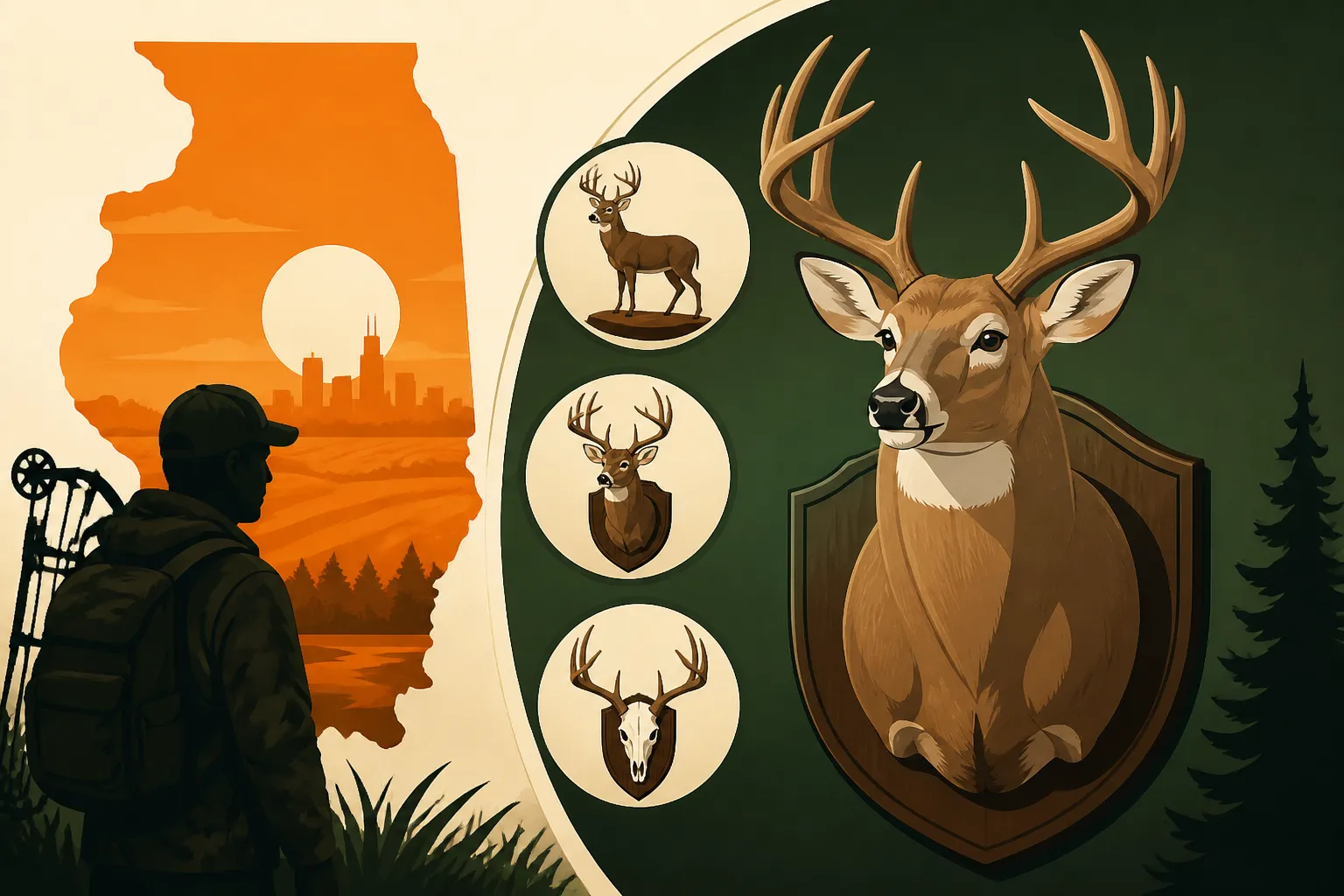
When selecting a taxidermist, ask to see examples of their previous full-body work. Look for lifelike detail, proper anatomical proportions, and natural-looking poses. Discuss your specific vision for the mount – what kind of habitat base you envision, the angle of the head, leg positioning, and any other details that matter to you. Your guide might have already discussed Illinois Deer Camp Traditions or local hunting culture, which could inform these choices.
Once the mount is complete, coordinating its safe delivery can be another hurdle, especially for large, delicate full-body pieces. The taxidermist will typically arrange crating and shipping, but your guide might offer advice based on past clients' experiences. They might recommend specific freight companies known for handling delicate items, or suggest ways to prepare your home for receiving such a large piece. While What to Pack for a Guided Illinois Hunt might not directly cover this, the general preparedness mindset is similar. Knowing that your guide can offer this continued support provides peace of mind, allowing you to focus on the anticipation of seeing your incredible Illinois trophy preserved for a lifetime.
Disclaimer
This article is for general informational purposes only and does not constitute professional advice. Laws, prices and regulations vary by location and change over time. Consult a qualified professional for guidance on your specific situation.