Illinois Resident Deer Permit Options
Navigating the world of Illinois deer permits can feel a bit like trying to read a topo map without your glasses – confusing, overwhelming, and you just want to know where to go. For resident hunters, understanding the various options for chasing whitetails in the Land of Lincoln is crucial for a successful season. This guide is here to break down the ins and outs of securing your deer permits, ensuring you're squared away for the field.
Understanding Your Foundation: Licenses and Stamps
Before you can even think about which deer permit you need, there are a couple of essential items every Illinois hunter must possess. It's easy to overlook these basics in the excitement of planning a hunt, but they are the non-negotiables that allow you to step foot in the woods legally. Think of them as your hunting passport and visa – you can't leave home without them.
The Illinois Hunting License
Every resident, unless otherwise exempt (like youth hunters under certain conditions, or those hunting on their own land), needs a valid Illinois hunting license. This isn't specific to deer; it's your general permit to hunt any game species that requires one in the state. The cost is quite reasonable for residents, and it's your baseline entry ticket to the hunting world. Without it, none of your deer permits, no matter how many you buy, will be valid.
It's important to remember that this license is typically valid for a calendar year, usually from April 1st through March 31st of the following year. Don't get caught out with an expired license; always double-check the dates well before your season starts. You can purchase these online through the Illinois Department of Natural Resources (IDNR) website, at authorized vendors like sporting goods stores, or even by phone. Many hunters find using the IDNR's online portal the most convenient method, and you can usually print a temporary license right away, though it's always good to carry a physical copy or have it readily accessible on your phone, as specified in the article on Illinois Hunting Licenses and What They Cost.
The Illinois State Habitat Stamp
Alongside your basic hunting license, you'll also need to purchase an Illinois State Habitat Stamp if you're over the age of 16 and pursuing any game species that requires a hunting license. This isn't just another fee; it's a vital contribution to habitat restoration and preservation efforts across the state. The funds generated from these stamps go directly back into improving wildlife habitat, which ultimately benefits the deer, turkeys, pheasants, and all other game animals we love to pursue.
This stamp is mandatory, and you'll often see it combined with your hunting license purchase online. It's a small price to pay for the significant impact it has on the lands and waters we cherish. Without a valid habitat stamp, your hunting license and any associated permits are technically invalid. So, when you're stocking up on your hunting essentials, don't forget to grab that habitat stamp – it's an investment in the future of Illinois hunting, as further detailed in Why the State Habitat Stamp Is Required.
Archery Deer Permit System for Residents
For many Illinois hunters, the archery season is the longest and most anticipated. It offers months of opportunity, from the crisp days of early October right through the heart of the rut and into the late season cold. Thankfully, securing an archery permit as an Illinois resident is a much simpler process than, say, drawing a coveted firearm tag in a prime county.
Over-the-Counter Archery Permits
One of the greatest advantages for Illinois resident bowhunters is the over-the-counter availability of archery deer permits. This means no lottery, no application period, and no worrying if you'll draw a tag. You can walk into any authorized license vendor, head online to the IDNR portal, or even use a helpful tool like GoHunt to navigate the permit process, and purchase your archery permit at your convenience. This flexibility is fantastic, allowing hunters to decide on their hunting plans closer to the season or even pick up an extra tag mid-season if opportunities arise.
Each resident archery permit includes one "either-sex" deer tag, meaning you can harvest an antlered buck or an antlerless deer. Additionally, it comes with one "antlerless-only" tag. This system encourages antlerless harvest, which is crucial for managing the deer herd and keeping populations healthy and in balance with the available habitat. Remember, only one antlered deer may be harvested during the entire statewide archery season, regardless of how many archery permits you purchase. The article on Bowhunting Illinois's Long Archery Season provides more insight into the duration and opportunities this season presents.
County-Specific Archery Permits
While archery permits are over-the-counter, they are still county-specific. When you purchase your permit, you'll need to designate the county (or counties, if you're buying a statewide permit) where you intend to hunt. Most resident archery permits are issued for a specific county. However, you also have the option to purchase a "statewide" permit, which allows you to hunt in any county open to archery deer hunting. While offering more flexibility, statewide permits are typically more expensive than county-specific ones.
It's a good practice to think about where you'll be spending most of your time hunting when selecting your county. If you hunt a specific private property or a particular public land area, picking that county makes sense. If you plan to float between several different locations, or have access to private land across multiple counties, a statewide permit might be worth the investment. Always check the current regulations on county permit restrictions and transfers, as rules can occasionally change.
Firearm Deer Permit Options for Illinois Residents
Now, this is where things get a bit more competitive and strategic for Illinois residents. Firearm deer permits are highly sought after, especially in those counties known for producing big bucks or having healthy deer populations. Unlike archery, firearm permits are primarily issued through a lottery system, meaning you'll need to apply well in advance and cross your fingers.
The Firearm Lottery System
Illinois residents have two primary firearm deer seasons: the first firearm season in mid-November and the second firearm season in early December. To hunt during these periods, you need a specific county-specific firearm permit. These permits are allocated through a lottery drawing conducted by the IDNR. The application period usually opens in late spring and closes in late June, so it's critical to mark your calendar and apply on time. Missing the deadline means you'll miss the primary draw.
Each firearm permit also includes one "either-sex" tag and one "antlerless-only" tag, mirroring the archery structure to promote balanced herd management. For the first firearm season, many hunters consider certain counties like Pike, Adams, or Fulton to be prime destinations, making those permits particularly hard to draw. The competition for these permits can be intense, and it's not uncommon for hunters to apply for several years before successfully drawing a tag in their preferred county. Understanding the odds and planning your application strategy is key, as highlighted in Illinois's Two Firearm Deer Seasons.
Leftover Permit Sales
If you didn't draw a permit in the initial lottery, or if you decided late in the game that you want to participate in the firearm seasons, don't despair! Illinois typically holds several rounds of leftover permit sales. These sales usually start with a specific period for successful lottery applicants to purchase additional permits, followed by an over-the-counter sale for anyone else, often starting in August or September.
Leftover permits are sold on a first-come, first-served basis, and they tend to go quickly, especially for popular counties. Many hunters utilize resources like GoHunt or actively monitor the IDNR website for announcements on when these sales will begin. You'll likely see a good selection of antlerless-only permits available, but finding an "either-sex" tag in a desirable county through leftover sales can be challenging. It requires vigilance and quick action the moment sales open. These sales are a lifeline for many, but always have a backup plan or be flexible on your county choice.
| Permit Type | Primary Purchase Method | Application/Sale Period | Tags Included (Per Permit) | Antlered Limit (Statewide) |
|---|---|---|---|---|
| Archery Resident | Over-the-Counter | April 1st – March 31st | 1 Either-Sex, 1 Antlerless-Only | 1 |
| Firearm Resident | Lottery / Leftover Sale | Spring/Summer Application | 1 Either-Sex, 1 Antlerless-Only | 1 |
| Muzzleloader | Lottery / Leftover Sale | Spring/Summer Application | 1 Either-Sex, 1 Antlerless-Only | 1 |
| Late-Winter | Over-the-Counter | Late November – Early Jan | Antlerless-Only | N/A (Antlerless only) |
| CWD Season | Over-the-Counter | Late November – Early Jan | Antlerless-Only | N/A (Antlerless only) |
Muzzleloader Deer Permits and Special Seasons
Muzzleloader hunting in Illinois offers a unique challenge and a distinct season, often overlapping slightly with other segments of the deer hunt. For residents, these permits also fall under a lottery system, but typically with slightly different odds than the general firearm season.
Muzzleloader-Only Season Permits
Illinois has a dedicated Muzzleloader-Only Deer Season, which usually runs for a short period in mid-December, sandwiched between the second firearm season and the late-winter antlerless seasons. This season offers a fantastic opportunity for hunters who enjoy the challenge and tradition of muzzleloading. Like firearm permits, these are obtained through the same lottery application process in the spring, and are county-specific.
Each muzzleloader permit provides one "either-sex" and one "antlerless-only" tag. While the overall deer harvest during the muzzleloader season is generally lower than the firearm seasons, it often provides a less pressured hunting experience. If you're a fan of primitive weapons, don't overlook this opportunity. It's a chance to extend your deer hunting into December, often after much of the early season pressure has waned, as detailed in Muzzleloader Deer Hunting in Illinois.
Overlapping With Firearm Season for Muzzleloaders
Here's where it gets a little nuanced: if you are a resident hunter who successfully drew a Muzzleloader-Only permit for a specific county, you are also permitted to use your muzzleloader during both the first and second firearm deer seasons in that same county. This provides excellent flexibility and extends the utility of your muzzleloader permit, allowing you to participate in more hunting days.
However, it's crucial to understand that even if you possess both a firearm and a muzzleloader permit, you are still limited to a single antlered deer harvest for the entire statewide deer season (across archery, firearm, and muzzleloader seasons combined). The additional tags on your permits would then need to be used for antlerless deer. Always prioritize checking the most current IDNR regulations to ensure you're hunting legally and ethically.
Late-Season and Bonus Antlerless Opportunities
Illinois also offers residents several pathways to extend their season and contribute to herd management through specific late-season and bonus antlerless permits. These often operate outside the traditional lottery system, providing easier access for hunters focused on filling their freezers.
Late-Winter Antlerless-Only Season
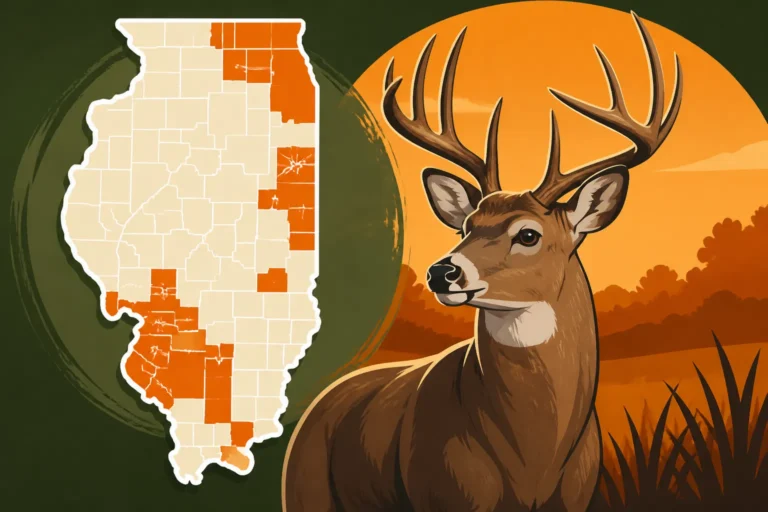
For those looking to fill their freezer or continue hunting after the main firearm seasons, Illinois offers a Late-Winter Antlerless-Only Deer Season. This season usually occurs in targeted counties, primarily those designated as Chronic Wasting Disease (CWD) counties or other areas where additional antlerless harvest is deemed necessary by the IDNR to manage the deer population. These permits are typically sold over-the-counter starting in late November or early December, well after the initial lottery draws.
The Late-Winter season is a fantastic opportunity for hunters with private land access or those who have successfully scouted public lands that hold deer during the cold months. Because these are antlerless-only tags, the pressure is off for trophy hunting, allowing you to focus purely on harvesting venison. It's a great way to put more meat in the freezer and help local deer managers achieve their population objectives. For hunters interested in Hunting the Late-Season December Lull, these permits are invaluable.
Special CWD Season Permits
In a focused effort to combat the spread of Chronic Wasting Disease (CWD), Illinois implements a Special CWD Deer Season in certain designated CWD counties. This season often runs concurrently with, or immediately following, the Late-Winter Antlerless-Only season. The permits for the CWD season are also antlerless-only and are sold over-the-counter.
The CWD Special Season provides an additional opportunity for hunters to help manage deer populations in affected areas, which is a critical part of the state's CWD response strategy. Hunters in these counties are often encouraged to harvest multiple antlerless deer to help control population density and slow disease transmission. If you hunt in a CWD-affected county, taking advantage of these permits is a responsible way to contribute to wildlife health. Moreover, submitting your harvested deer for CWD testing is often encouraged, or even mandatory in some specific areas, as discussed in Illinois CWD Testing for Hunters.
Applying for Permits and Key Deadlines
The world of Illinois deer permits, while full of opportunity, also comes with its share of deadlines and application windows that can be easy to miss if you're not careful. Staying organized is paramount to ensure you don't miss out on your chance to hunt.
Navigating the IDNR Application Portal
The primary method for Illinois residents to apply for firearm and muzzleloader permits is through the Illinois Department of Natural Resources (IDNR) online licensing and permit system. This portal is typically user-friendly, but it's important to have all your information ready – including your Illinois hunting license number and details about the county you wish to hunt. When the application period opens, usually in spring, you'll select the type of permit (firearm or muzzleloader) and the specific county.
For those competitive counties, many hunters apply as a group to increase their odds. Group applications are common, and the system allows you to link your application with others. If one person in the group draws, the whole group draws. This can be a strategic way to navigate the lottery, especially if you have a hunting party you regularly hunt with. Always double-check your application before submitting, as errors can lead to disqualification. Once submitted, you'll receive a confirmation, and later, an email notification regarding your lottery results.
Crucial Deadlines and Notifications
The most critical deadlines revolve around the initial lottery application period for firearm and muzzleloader permits. This window typically closes in late June, with results often announced in mid-July. Missing this initial deadline means you'll have to rely on leftover permit sales, which come with their own set of deadlines and are much more competitive for "either-sex" tags. Staying informed through the IDNR website or by subscribing to their email updates is the best way to keep track.
It's also important to note the sale dates for over-the-counter permits like archery, late-winter, and CWD season tags. While these don't have a strict application window like the lottery, popular counties or specific hunting sites can still see permits sell out quickly once they become available. Using calendar reminders, following IDNR social media, or even leveraging hunting apps like GoHunt that provide notification services can be incredibly helpful. Always ensure you're aware of the Illinois Deer Season Structure Explained to effectively plan your permit purchases around the hunting calendar.
Illinois Resident Deer Permit Costs
Understanding the options is one thing, but knowing the associated costs is another crucial part of planning your Illinois deer season. For residents, the fees are generally quite reasonable, especially when compared to nonresident rates, but it's still essential to budget appropriately for your hunting adventures.
Breakdown of Permit Fees
The cost of Illinois resident deer permits can vary slightly depending on the type of permit and whether it's for a specific county or a statewide option. Generally, an individual resident archery permit (which includes one either-sex and one antlerless-only tag) will have a set fee. Similarly, a resident firearm or muzzleloader permit (also with one either-sex and one antlerless-only tag) will have its own fee, which is often comparable to the archery permit.
Keep in mind that these permit fees are in addition to your general Illinois hunting license and the State Habitat Stamp. So, a full hunting package will include the cost of your license, stamp, and each deer permit you choose to purchase. These funds directly support the IDNR's wildlife management programs, including habitat improvements, research, and enforcement, all of which benefit the health and sustainability of the Illinois deer herd. For specific, up-to-the-minute pricing, always consult the official IDNR website or their hunting guide.
Additional Permit Purchases and Financial Planning
Illinois residents have the flexibility to purchase multiple permits, especially for archery. After purchasing your first archery permit, you can acquire additional "archery antlerless-only" permits, which allow you to harvest more does and can be a great way to extend your season and fill your freezer. These typically become available after the initial lottery results are out for firearm permits and are usually offered at a slightly reduced cost.
For firearm and muzzleloader, successful lottery applicants may also have the opportunity to purchase an additional "bonus antlerless-only" permit for the county they drew in, or for other counties with available tags. This helps reduce deer numbers in areas that can sustain a higher harvest. Planning your budget to potentially acquire these additional tags can be a smart move, especially if you're targeting multiple deer throughout the season. Resources like GoHunt sometimes provide tools to track these costs and permit availability, aiding in your financial and strategic planning for the season.
Disclaimer
Please note that hunting regulations, season dates, and permit requirements in Illinois are subject to change. While this guide aims to provide accurate and up-to-date information, it is the hunter's responsibility to consult the most current official Illinois Department of Natural Resources (IDNR) hunting regulations prior to engaging in any hunting activities. Always refer to the official IDNR website or their annual hunting digests for the definitive rules and regulations.