Illinois Youth Spring Turkey Weekend
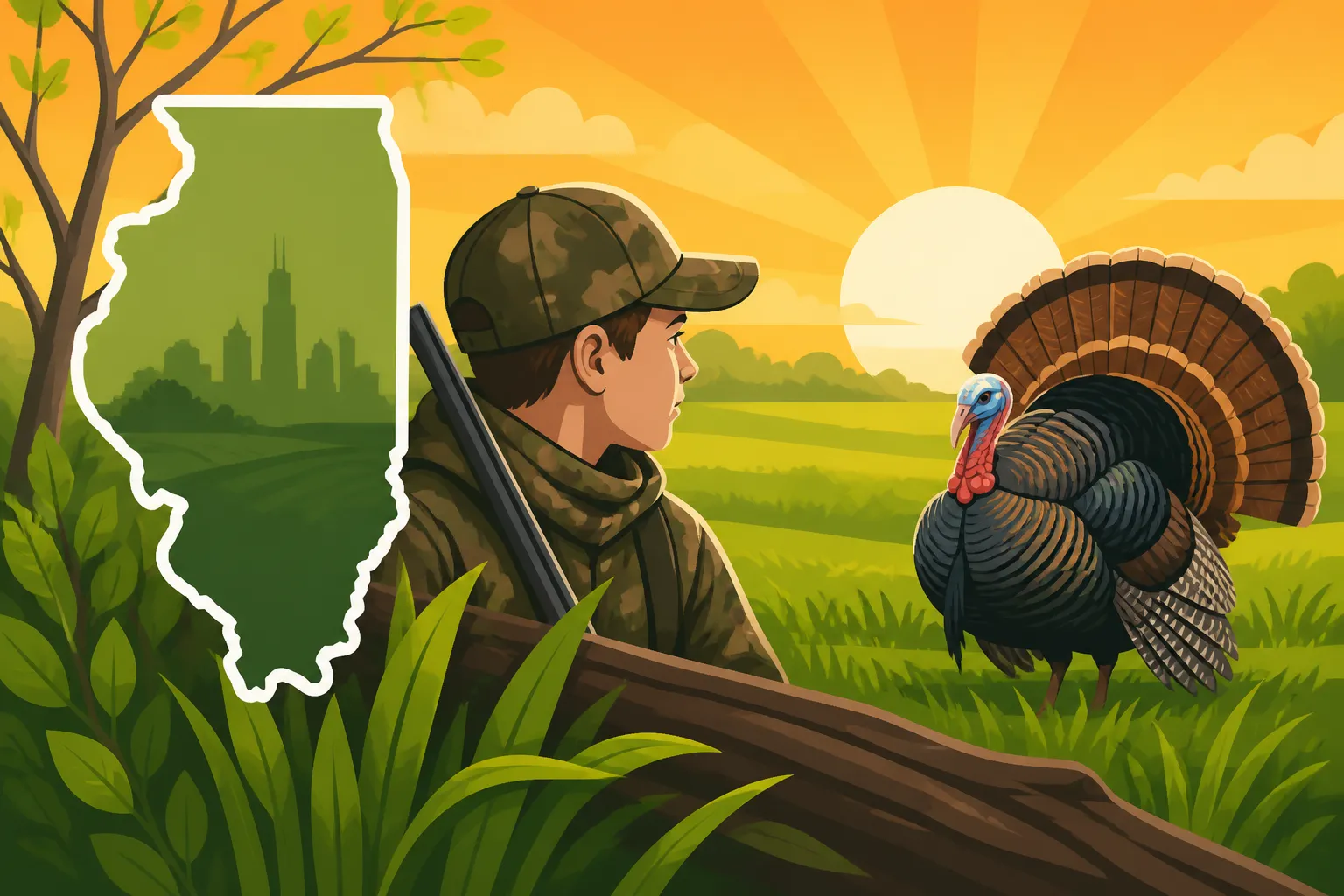
Bringing a young hunter into the fold and experiencing their first wild turkey hunt is one of the most rewarding parts of being a mentor, but the regular season can often feel overwhelming. Between competing with seasoned hunters and navigating crowded public lands, it can be tough to create that perfect, low-pressure scenario for a youngster. That's where the Illinois Youth Spring Turkey Weekend truly shines, offering a dedicated, less competitive opportunity for the next generation of hunters to learn the ropes and hopefully bag their first gobbler. This comprehensive guide will walk you through everything you need to know to make the most of this special opportunity, from permits to field tactics and beyond.
Understanding the Illinois Youth Spring Turkey Weekend
The Illinois Youth Spring Turkey Weekend is more than just a specific set of dates; it's a strategic program designed by the Illinois Department of Natural Resources (IDNR) to foster new hunters in a supportive environment. It’s a chance to step away from the immediate pressure of the main seasons and focus entirely on the educational aspect of the hunt. Many states offer similar youth-focused opportunities, recognizing the importance of dedicated mentorship in wildlife conservation. For many families, this weekend marks the unofficial start of their spring turkey traditions, setting the stage for years of outdoor adventures.
What Makes the Youth Weekend Unique
What truly sets the Youth Spring Turkey Weekend apart is its exclusivity. It's typically held a few days before the regular statewide spring turkey seasons kick off, which means significantly less hunting pressure. Imagine having vast tracts of timber or sprawling fields to yourselves, without the constant worry of another hunter slipping into your setup or busting your birds. This reduced competition is a game-changer for young hunters, allowing them to make mistakes, learn from them, and truly soak in the experience without feeling rushed or intimidated. It’s about building confidence and developing a lifelong passion for the outdoors, not just filling a tag.
The dedicated nature of this weekend allows mentors to focus intently on teaching crucial skills—from woodsmanship and tracking to ethical shot placement—without the added stress of competing with more experienced hunters. This atmosphere cultivates patience and observation, essential qualities for any successful hunter. It's a prime opportunity to teach everything from camouflage selection to reading terrain, ensuring that the young hunter gains a holistic understanding of the hunt.
When and Where It Takes Place
The Illinois Youth Spring Turkey Weekend typically occurs on a specific set of dates, generally the weekend before the South Zone's first regular season period. While exact dates can shift slightly each year, it's crucial to check the current IDNR hunting seasons and regulations digest for the precise timeframe. For 2024, for example, the statewide Youth Spring Turkey Season was set for March 23-24, opening slightly ahead of the South Zone's first period. This weekend is a statewide opportunity, meaning eligible youth can hunt in any county open to turkey hunting, provided they have the correct permit for that county.
While the statewide youth season operates under its own set of dates, it's important to understand how it relates to the larger structure of Illinois Spring Turkey Zones and Periods. Illinois is divided into North and South Turkey Zones, each with its own staggered season periods. The youth weekend essentially gives eligible young hunters a head start across both zones, offering a unique window to pursue birds before the general opener truly begins. This means that whether you're hunting the timbered ridges of Southern Illinois or the patchwork fields of the North Zone, the youth season provides an early crack at spring gobblers. This early access often means birds are less pressured and potentially more responsive to calls, making for a potentially more exciting experience for a first-timer.
Bag Limits and Legal Season Dates for Youth
During the Illinois Youth Spring Turkey Weekend, the bag limit is one (1) gobbler or bearded hen per valid youth permit. While youth hunters can apply for multiple permits for different periods or counties, the statewide bag limit for spring turkey remains two (2) turkeys total, regardless of the number of permits held, and only one of those can be taken during the youth weekend. This means that if a young hunter harvests a turkey during the youth weekend, they still have the opportunity to harvest one more turkey during one of the regular season periods with an additional valid permit.
It’s important to remember that all general regulations regarding shooting hours (typically one-half hour before sunrise to 1 p.m. daily), legal weapons, and tagging requirements still apply. The youth weekend isn't a free-for-all; it's a regulated hunt designed to provide a specific opportunity within the existing framework of Illinois's turkey management plan. This structure ensures that while youth are given a special chance, the overall health and sustainability of the wild turkey population are maintained.
Eligibility and Permit Requirements for Young Hunters
Navigating the rules and regulations for youth hunting can sometimes feel like a maze, but the IDNR has done a great job of making the Illinois Youth Spring Turkey Weekend accessible while ensuring safety and compliance. It’s all about creating a positive and lawful experience for our future conservationists. Understanding who can hunt and what permits are needed is the first critical step in planning a successful outing.
Who Qualifies for the Youth Season
For the Illinois Youth Spring Turkey Weekend, eligible hunters must be under the age of 18 at the time of the hunt. This age cut-off ensures that the program truly benefits young, developing hunters. Additionally, all youth hunters, regardless of age, must possess a valid Illinois hunting license and a State Habitat Stamp. Even if they are participating in a mentored youth hunt where the adult carries the primary license, the youth still needs their own license and stamp. This teaches young hunters the responsibility of proper licensing from the start.
In Illinois, youth under 18 can participate in a Mentored Youth Hunting program, which allows them to hunt without having completed a hunter education course, provided they are accompanied by a licensed, supervising adult. This adult mentor must be at least 18 years old and possess a valid Illinois hunting license. The mentor must also remain with the youth at all times while hunting. This program is fantastic for getting kids out in the field sooner, giving them hands-on experience before they take the formal hunter education course. It’s a key component in encouraging participation and ensuring safety.
Obtaining Youth Spring Turkey Permits
Securing a youth spring turkey permit is usually a straightforward process, often simpler than the competitive lottery for regular season permits. While some specific public hunting sites might require a lottery application for their limited access, statewide youth permits are generally available over-the-counter (OTC) or online through the IDNR permit system. This direct availability reduces stress and increases the chances of getting a permit for your desired county. It's always wise to check the IDNR website for specific application periods and availability windows, as these can vary slightly year to year.
When planning your hunt, consider the availability of permits in your chosen area. While popular counties might see permits go quicker, the overall pressure is still much lower than during the regular season. For non-residents, permit acquisition can be a bit more complex. Illinois Nonresident License Options and permits often have different application procedures and costs. Always confirm the specific requirements well in advance, as nonresident youth permits may also be limited. Using the IDNR's online portal is usually the most convenient way to purchase these permits and stamps.
Adult Mentor Requirements
The role of the adult mentor during the Illinois Youth Spring Turkey Weekend is paramount. Mentors are not just chaperones; they are teachers, safety officers, and guides, responsible for ensuring a safe, ethical, and enjoyable experience. As mentioned, the mentor must be at least 18 years old and hold a valid Illinois hunting license. Critically, the mentor is not allowed to carry a weapon while actively supervising a youth hunter during the youth season. This rule ensures that the focus remains entirely on the youth hunter's experience and education.
The mentor must remain in close attendance, providing direct supervision to the youth hunter at all times. This means being within conversational distance and able to take immediate control of the situation if needed. Beyond legal compliance, an effective mentor teaches gun safety, turkey identification, calling techniques, shot placement, and ethical decision-making. They also instill a respect for wildlife and the land, laying the foundation for responsible hunting practices. It’s a huge responsibility, but also an incredibly rewarding one, shaping the future of our hunting heritage. Consider reviewing the Illinois Hunter Education Requirements even if you are an experienced hunter, to stay current on best practices for teaching young hunters.
Tactics and Tips for a Successful Youth Turkey Hunt
Taking a young hunter turkey hunting requires a shift in perspective. The primary goal isn't necessarily punching a tag, but rather creating a positive and memorable experience that sparks a lifelong passion for the outdoors. Success for a youth hunter often means more than just harvesting a bird; it's about the lessons learned, the time spent together, and the joy of being in nature.
Focusing on the Experience, Not Just the Harvest
When you're out there with a young hunter, every rustle in the leaves, every distant gobble, every track in the mud is an opportunity for a lesson. Embrace these moments. Instead of pushing hard for a kill, slow down and focus on teaching observation skills. Point out different bird calls, identify tracks, and explain how the wind affects sound or scent. Make it a treasure hunt for knowledge, not just for a turkey. This approach reduces pressure on both the youth and the mentor, making the entire experience more enjoyable and educational.
Encourage patience, explaining that turkey hunting often involves long periods of waiting. Bring snacks, drinks, and maybe even a small book or game for quiet moments in the blind. Celebrate small victories—spotting a hen, hearing a gobble, making a good call—as much as, if not more than, a successful harvest. A positive first experience is far more valuable than a quickly taken bird. Remember, we're building future hunters, and that foundation is laid through shared experiences and a love for the wild.
Effective Calling Strategies for Youth
When it comes to calling, simplicity is often key for youth hunters. Overcomplicated calls can be frustrating and counterproductive. Start with basic friction calls like a pot call or a box call. These are relatively easy for small hands to operate and can produce realistic turkey sounds with practice. Let the youth practice making clucks and yelps, even if they aren't perfect. The act of them participating in the calling can be incredibly engaging.
As a mentor, you'll likely be doing the majority of the calling, especially to engage a bird and draw it in. Use realistic calling sequences, focusing on soft tree yelps and fly-down cackles in the morning, followed by contented clucks and yelps throughout the day. Avoid overcalling, which can spook wary gobblers. Sometimes, less is more. For deeper insights into this, check out Grunt Calls in Mature Illinois Timber – although focused on deer, the principle of realistic, sparse calling can apply. When a bird is hot, you might increase the intensity, but always gauge the bird's response. Teaching a young hunter to listen and react to the turkey's vocalizations is a critical skill. Sometimes, the most effective strategy is to stay silent and let curiosity bring the bird in.
Setting Up for Success
Setting up strategically is paramount for youth hunters, as it minimizes movement and provides stability for the shot. Ground blinds are often the best choice for young hunters. They offer concealment, protection from the elements, and most importantly, allow for a significant amount of movement without spooking wary birds. This can be a huge advantage when a young hunter needs to adjust their position, stretch, or even take a bathroom break. Set up the blind well in advance if possible, brushing it in naturally so turkeys become accustomed to it. This can make all the difference, particularly on public land.
Decoy placement is another critical element. Positioning a hen and jake decoy can draw a gobbler into comfortable shooting range, distracting its attention from the blind. Place decoys where the gobbler will have to come into your shooting lanes, ideally within 20-30 yards. Always ensure your setup offers clear shooting lanes and that you have a safe backdrop for the shot. Shooting sticks or a bipod are invaluable for youth, providing a stable rest for their shotgun and improving accuracy. A steady rest builds confidence and ensures a clean, ethical shot. For more ideas on effective setups, consider referencing Decoy Placement for Pressured Illinois Birds. You can also find good information on Turkey Tactics for Farmland Field Edges if you are hunting adjacent to open fields.
Preparing for the Hunt: Gear, Scouting, and Safety
A successful and enjoyable youth turkey hunt relies heavily on thorough preparation. This isn't just about having the right gear; it’s about understanding the environment, the animal, and most importantly, prioritizing safety every step of the way. Getting everything dialed in before the season opens will significantly increase your chances of a positive experience.
Essential Gear for Youth Turkey Hunters
Choosing the right gear for a young hunter means balancing practicality, comfort, and safety. For clothing, layers are key, as spring weather in Illinois can be unpredictable. Think moisture-wicking base layers, insulating mid-layers, and a waterproof/windproof outer shell in a good camouflage pattern. Ensure the camo is appropriate for the spring woods – lots of greens and browns. A comfortable, lightweight vest with plenty of pockets for calls, snacks, and water is also essential.
When it comes to shotguns, fit is paramount. A 20-gauge shotgun is often an excellent choice for youth due to its lighter weight and reduced recoil compared to a 12-gauge. Ensure the stock is properly fitted to the young hunter, as proper fit greatly aids in accurate shooting and mitigates felt recoil. Using low-recoil turkey loads can also enhance comfort and reduce flinching. Always pattern the shotgun with the chosen ammunition before the hunt to ensure consistent performance. Don't forget comfortable, waterproof boots and a good quality headlamp for early morning walks to the blind. A seat cushion or small chair for the blind will also make those waiting periods much more comfortable.
Pre-Season Scouting with Young Hunters
Scouting is where the real adventure begins, even before the hunt. Taking young hunters out to scout before the season opens is an invaluable educational opportunity. It teaches them about turkey behavior, habitat, and how to read the landscape. Start by identifying potential turkey roosting areas, often tall trees near water or on ridge tops. Listen for gobbling at dawn and dusk. This is a great time to introduce them to the art of Roost Hunting Illinois Gobblers. Look for signs of turkey activity like tracks, droppings, feather sheds, and dusting bowls in open areas.
Leverage modern tools like mapping applications. Tools like GoHunt can provide invaluable aerial and topographical maps, helping you identify potential travel corridors, strut zones, and feeding areas. Walk the property with the youth, showing them how to identify different tree species, explaining what turkeys eat, and how different land features funnel turkey movement. This hands-on experience not only builds anticipation for the hunt but also deepens their understanding and appreciation for the wild turkeys you'll be pursuing. Remember, the more familiar a young hunter is with their hunting grounds, the more confident and engaged they will be on hunt day.
Prioritizing Safety in the Field
Safety is the absolute cornerstone of any hunting trip, especially when guiding a youth hunter. Before even stepping foot in the woods, review firearm safety rules exhaustively: treat every gun as loaded, always point the muzzle in a safe direction, keep your finger off the trigger until ready to shoot, and be sure of your target and what is beyond it. These are non-negotiable principles. The mentor should carry a first-aid kit and know basic wilderness first aid.
During the hunt, emphasize the importance of identifying the target clearly – ensuring it's a legal gobbler or bearded hen and that there are no obstructions or other hunters in the line of fire. When moving through the woods, ensure the youth hunter understands proper firearm carrying techniques and always knows where the mentor is. While turkey hunting generally doesn't require blaze orange during the actual hunt due to turkeys' keen eyesight, it is highly recommended to wear blaze orange while walking to and from your hunting location, especially in low light conditions or if crossing roads. This can be easily removed once you are settled in your blind. Remind the youth of the importance of Illinois Hunter Education Requirements for when they become old enough to hunt unsupervised. Instilling these safety habits from the very first hunt will create a responsible and confident hunter for life.
Post-Hunt Responsibilities and Best Practices
The hunt doesn't end when the shot is fired. Post-hunt responsibilities are just as critical, serving as the final educational component and reinforcing ethical hunting practices. These steps ensure compliance with regulations and demonstrate respect for the harvested animal and the resource it represents.
Tagging and Reporting Your Harvest
Once a turkey is harvested, the immediate priority is to correctly tag the bird. In Illinois, hunters must immediately attach their valid turkey permit to the harvested bird, ensuring it remains attached during transport. This tag typically includes information about the hunter and the harvest date. The specific location for attaching the tag (often through the leg tendons or a wing) is usually detailed on the permit itself or in the current hunting regulations. Failure to properly tag a bird can result in fines and penalties, so it's a vital step to get right.
After tagging, the next crucial step is reporting the harvest to the IDNR. This is mandatory for all harvested turkeys in Illinois. Hunters can report their harvest online through the IDNR's website or via their mobile app, typically by 10 p.m. on the same day the turkey was harvested. The reporting system usually requires the permit number, the date and county of harvest, and the type of bird (gobbler or bearded hen). This data is incredibly important for wildlife biologists to monitor turkey populations and manage future hunting seasons effectively. Teach your young hunter the importance of this step. You can read more about Illinois Turkey Checking Requirements to ensure you're up-to-date.
Field Care and Processing
After the excitement of a successful harvest, the real work begins with proper field care and processing. This stage is another invaluable teaching moment for young hunters, demonstrating respect for the animal and ensuring the meat is handled correctly. Start by explaining the importance of quickly field dressing the bird to cool the carcass down, especially on warmer spring days. This involves removing the entrails to prevent spoilage.
Once field dressed, transport the turkey carefully. Protect the feathers if the young hunter plans on keeping them for crafts or memories. Back at camp or home, guide them through the process of cleaning and butchering the bird. Show them how to pluck or skin, breast out the meat, and remove the legs. This hands-on experience connects them directly to their food source and reinforces the idea of utilizing the entire animal. Proper storage, whether refrigeration or freezing, is also essential. This complete cycle, from pursuit to table, instills a deeper appreciation for the effort and resources involved in hunting.
Continuing the Hunting Journey
The Illinois Youth Spring Turkey Weekend might be a singular event on the calendar, but the memories and lessons learned can last a lifetime. After the hunt, take time to reflect on the experience with the young hunter. Discuss what went well, what could have been done differently, and what new things they learned. Look through photos, share stories, and celebrate their accomplishments, whether it was a harvested bird or simply mastering a new calling technique.
Encourage continued participation in future hunting seasons and other outdoor activities. This might involve planning for the next spring turkey season, exploring Bowhunting Illinois's Long Archery Season, or even getting involved in conservation projects. The goal is to nurture that initial spark into a roaring fire of passion for the outdoors and wildlife conservation. Illinois offers many opportunities for hunters of all ages and experience levels, and this youth weekend is often just the beginning of a lifelong journey in the field. Don't forget that young hunters can often obtain Making the Most of Three Spring Turkey Permits for the regular season, giving them even more chances to hone their skills.
Illinois Youth Spring Turkey Weekend Key Information
To help organize the essential details for planning your Illinois Youth Spring Turkey Weekend hunt, here’s a quick reference table. Always verify specific dates and regulations with the current year's IDNR hunting digest, as information can change.
| Feature | Details |
|---|---|
| Eligibility | Under 18 years old at the time of the hunt. |
| Required Licenses/Stamps | Valid Illinois hunting license, State Habitat Stamp. |
| Mentored Hunt Rules | Supervising adult (18+) must have a valid IL hunting license, no weapon, in direct attendance. |
| Permit Acquisition | Generally over-the-counter (OTC) or online; check IDNR site for specific application periods/county availability. |
| Season Dates | Typically the weekend immediately preceding the South Zone's first regular season period. Check current IDNR digest. |
| Hunting Hours | One-half hour before sunrise to 1 p.m. daily. |
| Bag Limit | One (1) gobbler or bearded hen per valid youth permit. Total statewide limit is two (2) turkeys for spring. |
| Weapons | Shotguns (10, 12, 16, 20 gauge) with shot size no larger than #4 lead or #2 steel. Archery equipment also permitted. |
| Tagging | Permit must be immediately attached to harvested bird and remain attached during transport. |
| Reporting | Mandatory online or via IDNR app by 10 p.m. on the day of harvest. |
| Key Advantage | Significantly reduced hunting pressure compared to regular season, ideal for teaching and building confidence. |
Remember, while this table provides a concise overview, always refer to the official Illinois Department of Natural Resources website or current regulations digest for the most up-to-date and complete information.
Disclaimer
The information provided in this guide is for informational purposes only and is not a substitute for official Illinois Department of Natural Resources (IDNR) regulations. Hunting laws and seasons can change annually. Always consult the most current Illinois Hunting and Trapping Regulations Digest and relevant county or site-specific regulations before participating in any hunting activity. Failure to comply with official regulations can result in fines or penalties.